Artwork
Canto I
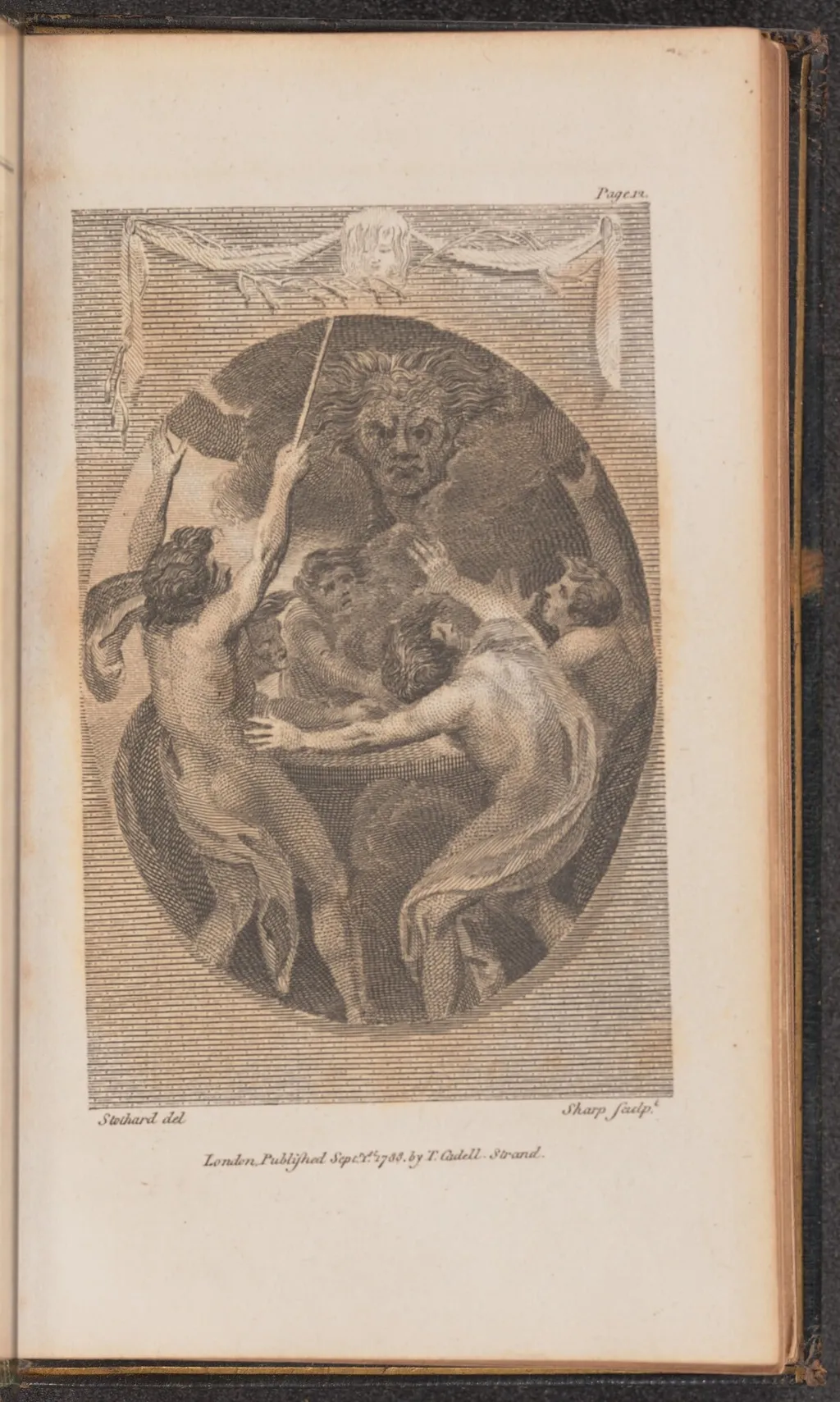
Canto I is an ink print by the Romanticist artist William Sharp. It dates from 1788 and is held in the collection of the National Gallery of Art.
About this work
Overview
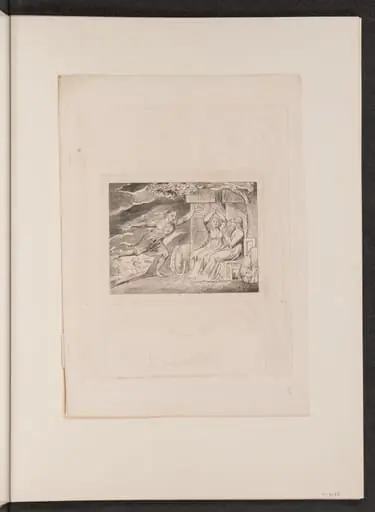
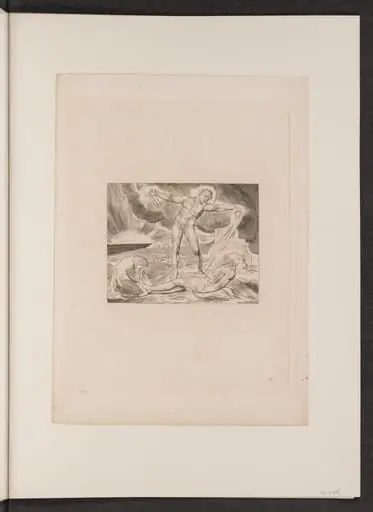
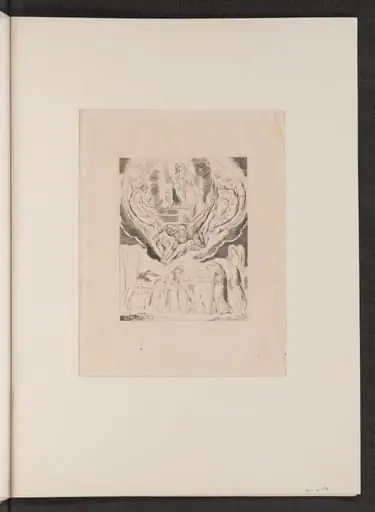
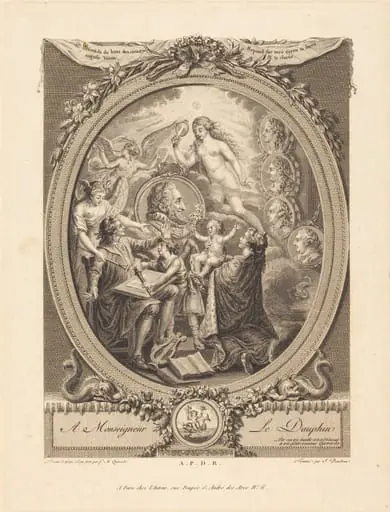
The composition centers on a robust, untamed male figure cradling an infant, surrounded by atmospheric elements that suggest mythic or allegorical intent.
Canto I is a 1788 print by William Sharp, executed in etching and engraving on wove paper. The composition centers on a robust, untamed male figure cradling an infant, surrounded by atmospheric elements that suggest mythic or allegorical intent. The image bears the hallmarks of handcrafted printmaking, with visible line work and a textured surface typical of late 18th-century intaglio techniques. Sharp’s signature appears at the base, anchoring the work to its maker.
Subject & Meaning
The central figure, with wild hair and draped in loose fabric, evokes a primal or elemental presence, possibly representing a mythic guardian or a personified force of nature. The hovering winged form above, nestled near a cloud, may signify a celestial observer or divine intermediary. Together, the elements suggest a narrative of protection or initiation, though the exact allegory remains ambiguous, inviting interpretation rather than stating a fixed tale.
Technique & Style
Sharp employed etching and engraving to achieve fine, incised lines on a metal plate, transferred to wove paper for a soft, absorbent surface. The roughness of facial features and the irregular texture of the cloth reflect the manual nature of the process, emphasizing tactile expression over polished realism. The contrast between the heavy, grounded figure and the delicate, floating form above demonstrates a deliberate compositional tension rooted in printmaking’s capacity for nuance.
History & Provenance
Created in 1788, Canto I emerged during a period of renewed interest in literary and mythological subjects within British print culture. While little is documented about its initial reception or early ownership, its survival suggests it was part of a broader circulation of engraved illustrations, possibly linked to poetic or philosophical publications of the era. Its preservation reflects the value placed on hand-printed works during the transition to industrial reproduction.
Context
In the late 18th century, artists like Sharp often drew from classical and romantic sources to create prints that blended narrative with symbolic imagery. Canto I aligns with contemporaneous trends in illustrated poetry and allegorical engravings, where visual ambiguity invited contemplation. The work reflects a cultural moment in which printmaking served as a medium for intellectual and emotional exploration beyond mere illustration.
Legacy
Canto I stands as an example of the expressive potential of hand-engraved prints in an age of emerging mechanical reproduction. Though not widely known today, it contributes to the understanding of how artists used intimate, labor-intensive techniques to convey complex themes. Its survival offers insight into the quiet, often overlooked role of printmakers in shaping visual culture before the dominance of photography and mass printing.
Artist & collection