Artwork
Small Self-Portrait Planting a Tree

Small Self-Portrait Planting a Tree is an unspecified painting by Shitao. It dates from 1674 and is held in the collection of the National Palace Museum.
About this work
Overview
The painting resides in the National Palace Museum, Taipei, as part of its collection of Ming and Qing dynasty artworks.
Painted in 1674 by Shitao, this small ink-on-paper work presents a quiet moment of personal reflection. The artist portrays himself from behind, engaged in the act of planting a sapling amid a tranquil natural setting. The composition avoids dramatic emphasis, instead favoring stillness and intimacy. The painting resides in the National Palace Museum, Taipei, as part of its collection of Ming and Qing dynasty artworks.
Subject & Meaning
The figure, understood to be Shitao himself, is depicted not as a public persona but as a solitary participant in a humble, cyclical act. Planting a tree suggests an investment in the future, a gesture of continuity amid personal and political upheaval. The absence of facial expression and the turned back invite contemplation rather than identification, aligning the act with Daoist ideals of harmony and quiet endurance.
Technique & Style
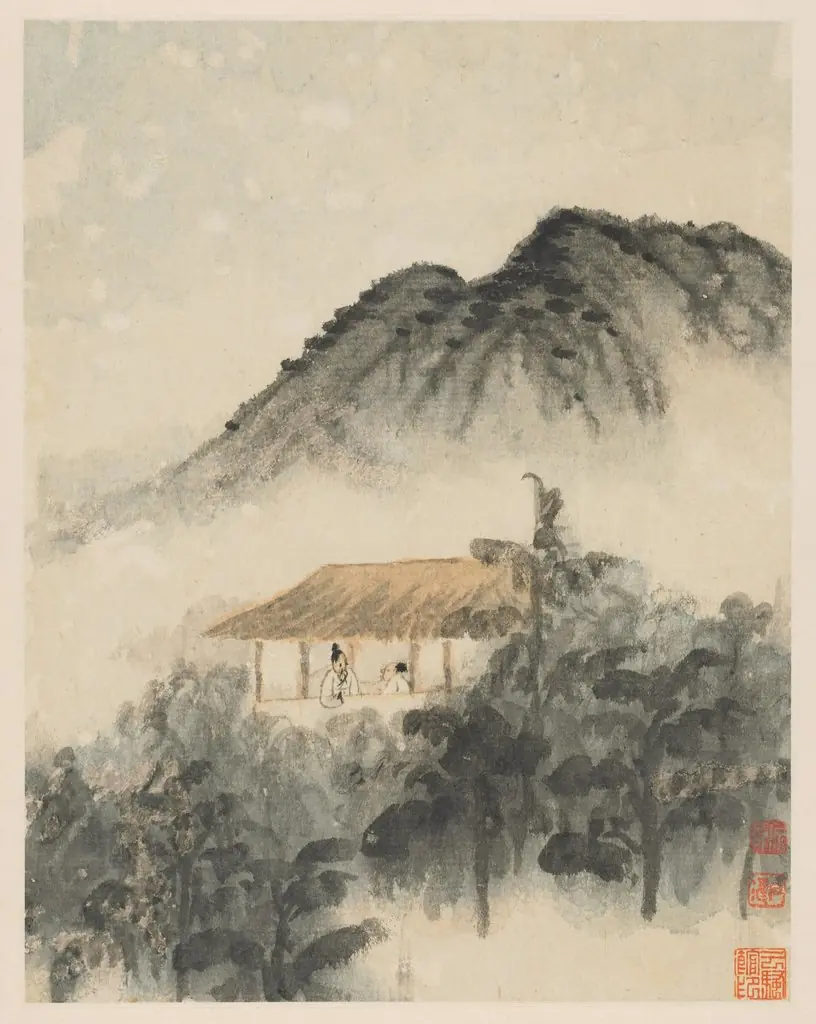
Shitao employs delicate ink washes and subtle brushwork to suggest texture and depth without heavy outline. The foliage is rendered with varied strokes—soft for leaves, sharper for branches—creating a sense of organic growth. The landscape recedes in muted tones, using atmospheric perspective to imply distance. The white robe of the figure contrasts gently with the greens, drawing attention to the action without disrupting the scene’s calm.
History & Provenance
The painting was likely created during Shitao’s early years as a monk-artist, following the fall of the Ming dynasty. It remained in private collections before entering the National Palace Museum’s holdings, possibly through imperial acquisitions or scholarly donations. Its small scale suggests it was intended for personal viewing, not public display, reflecting the introspective nature of literati painting traditions.
Context
In the late 17th century, many former Ming loyalists turned to art as a form of quiet resistance and spiritual refuge. Shitao, a descendant of the Ming imperial family, withdrew from political life and embraced monasticism. His landscapes and self-referential works often encoded personal and political grief through natural imagery, transforming planting, walking, or sitting into metaphors for resilience and renewal.
Legacy
This work exemplifies Shitao’s departure from rigid academic styles, favoring expressive individuality over conventional formula. Later artists and scholars recognized it as a key example of literati self-representation—where the artist becomes both subject and observer within nature. Its understated power influenced 18th- and 19th-century painters seeking authenticity beyond courtly aesthetics.
Artist & collection


 Bamboo, Rocks and Lonely Orchids
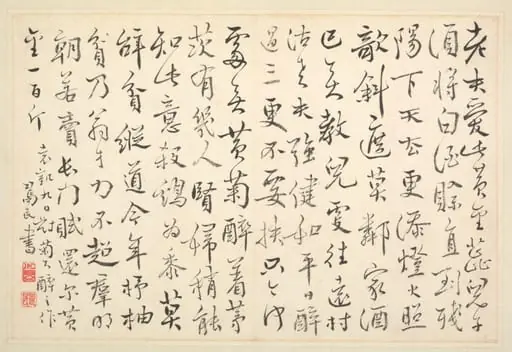 Album of Calligraphy and Paintings
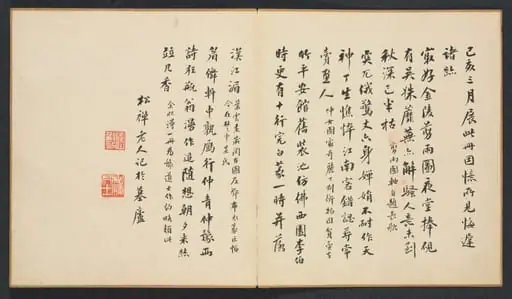 Paintings after Ancient Masters: Calligraphy
 Saying Farewell at Xunyang (Song of the Pipa)
 "In Exchange for Tea" with Wen Zhengming’s Calligraphy of The Heart Sutra
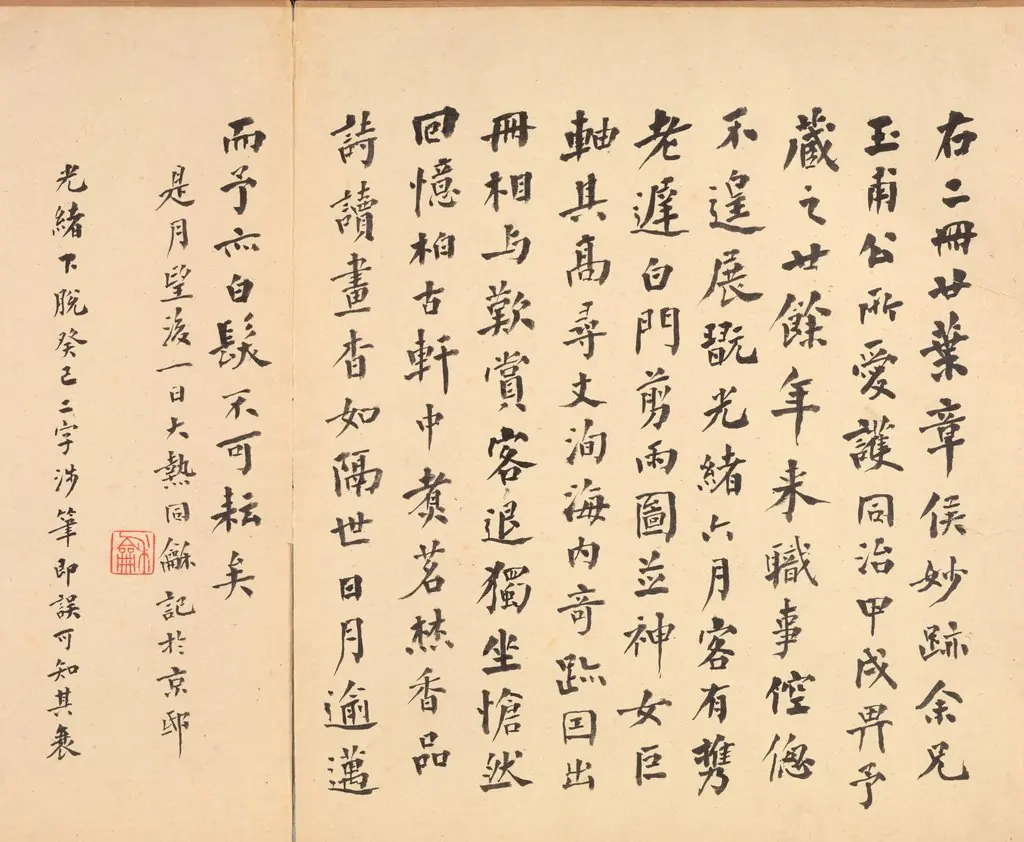 Paintings after Ancient Masters: Calligraphy
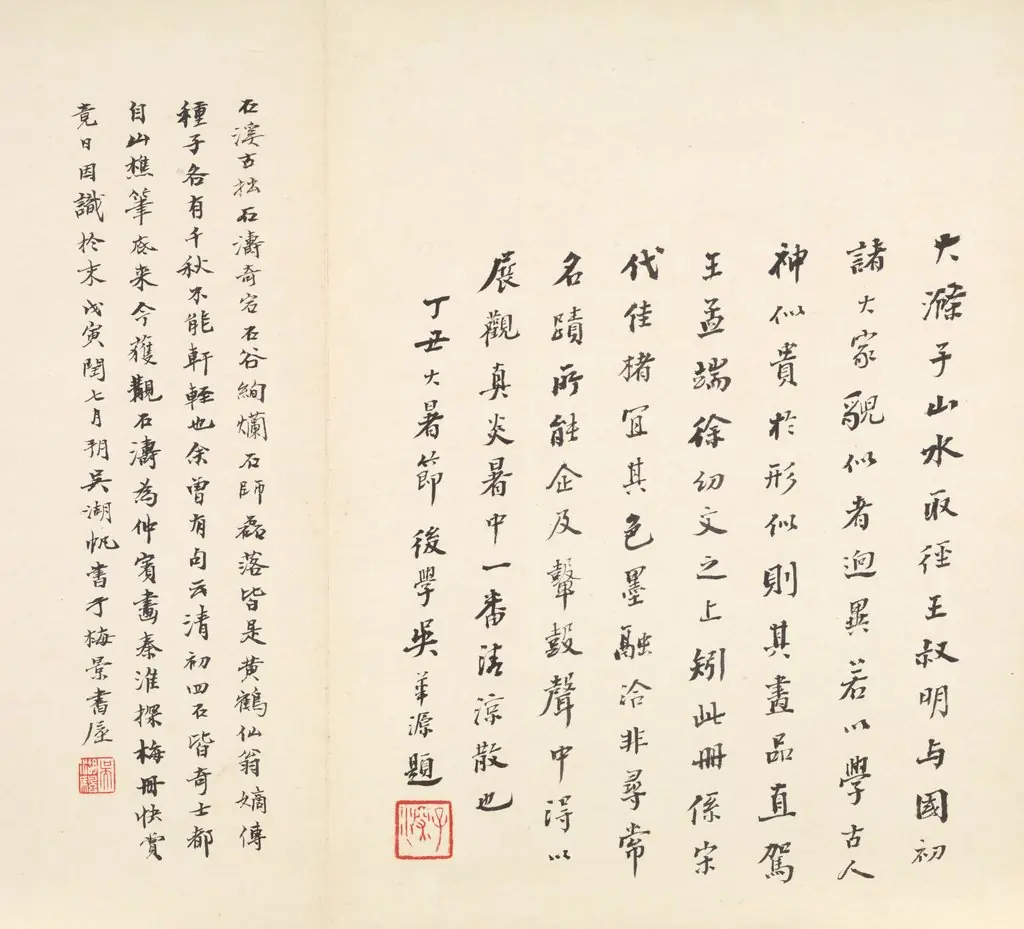 Reminiscences of Qinhuai River
 Landscape with Bamboo
 Poem on the Hall of Wind and Pines
 Traveling to Ugeumam, Buan
 Album of Calligraphy and Paintings
 Landscape with Bamboo