Artwork
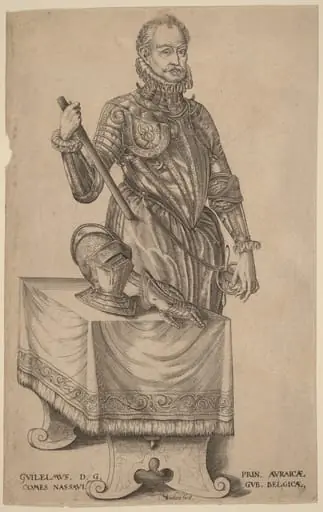
William of Nassau, Prince of Orange
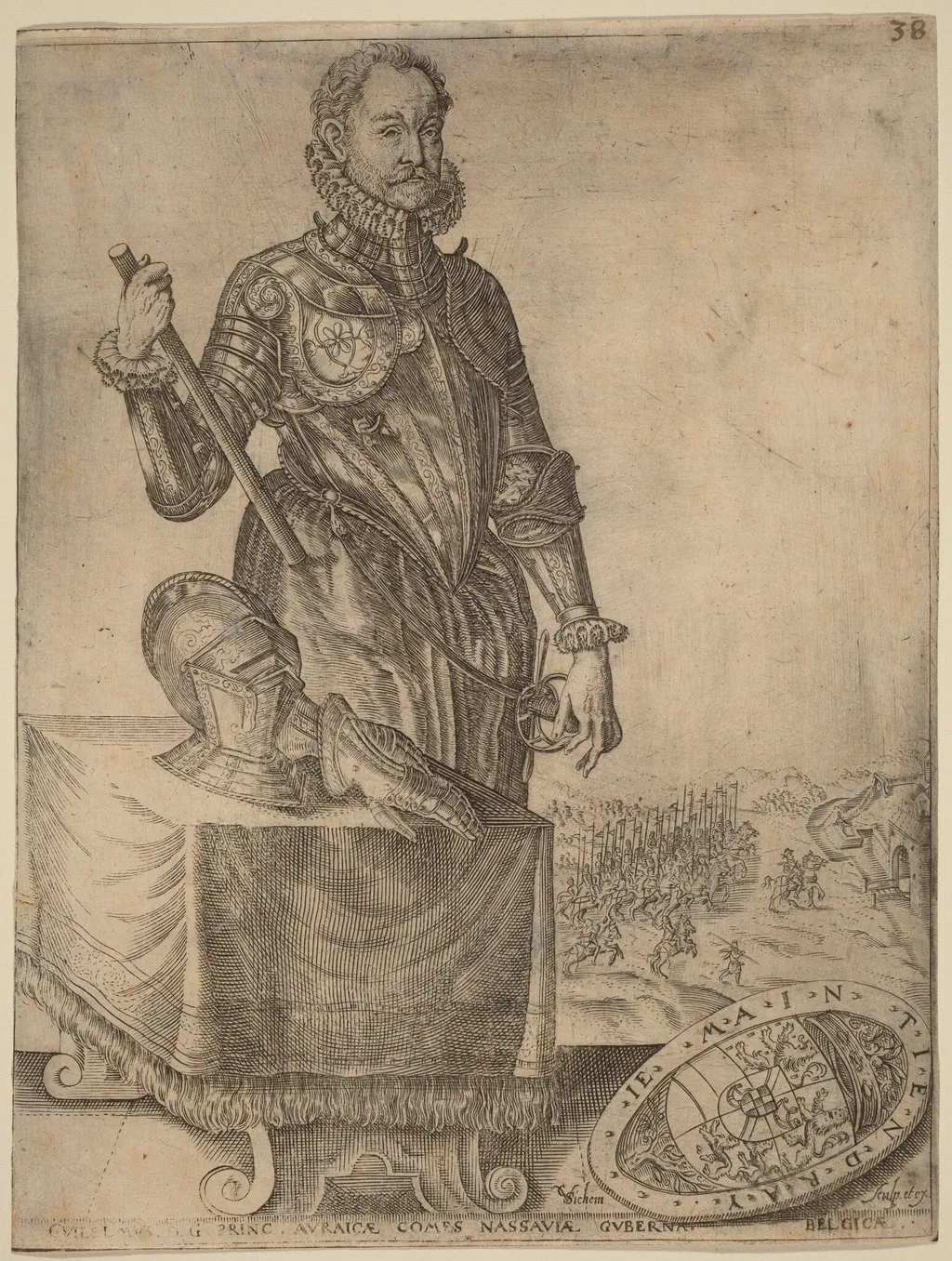
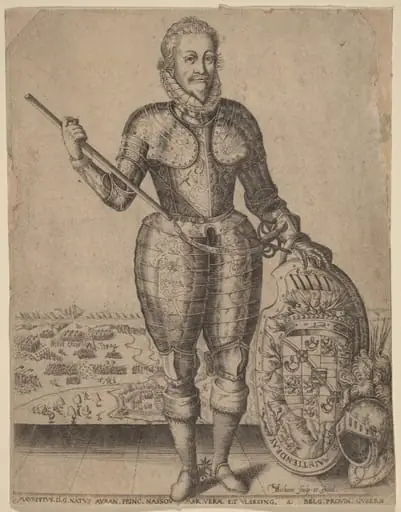
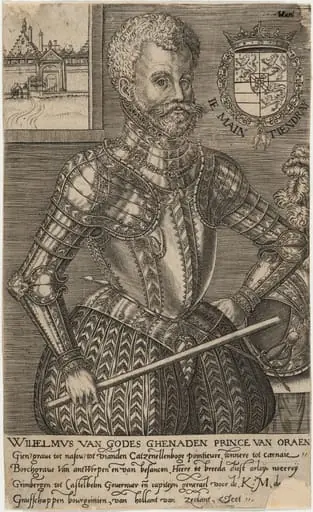
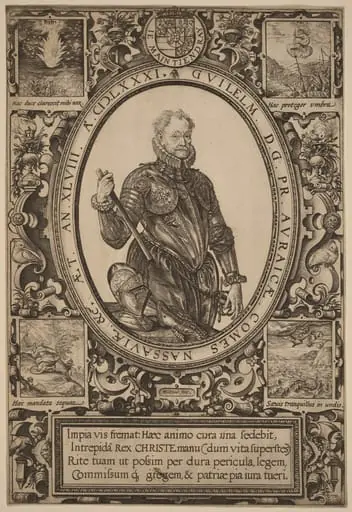
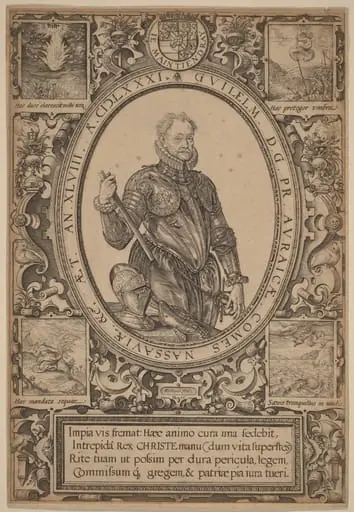
William of Nassau, Prince of Orange is an ink print by the Renaissance artist Christoffel van Sichem I. It dates from 1585 and is held in the collection of the National Gallery of Art.
About this work
Overview
Christoffel van Sichem I’s 1585 engraving presents William of Nassau, Prince of Orange, in a formal, solemn pose. Rendered in fine lines, the portrait emphasizes the sitter’s status through elaborate attire and a composed facial expression, characteristic of late‑Renaissance portraiture.
Subject & Meaning
The work depicts the Dutch stadtholder William of Nassau, a central figure in the early stages of the Dutch Revolt. By portraying him in dignified dress and a grave demeanor, the image reinforces his political authority and the gravitas associated with his leadership.
Technique & Style
Executed by incising a design into a copper plate, the engraving employs dense cross‑hatching to model light and shadow across the figure’s garments and features. This method, common in the late sixteenth century, allowed for precise detailing and the production of multiple, consistent impressions.
History & Provenance
Created in 1585, the print was likely intended for distribution among supporters of the Prince of Orange, serving both commemorative and propagandistic purposes. Copies would have circulated in the Low Countries, contributing to the visual identity of William during the turbulent years of the revolt.
Artist & collection