Artwork
Christ before Pilate
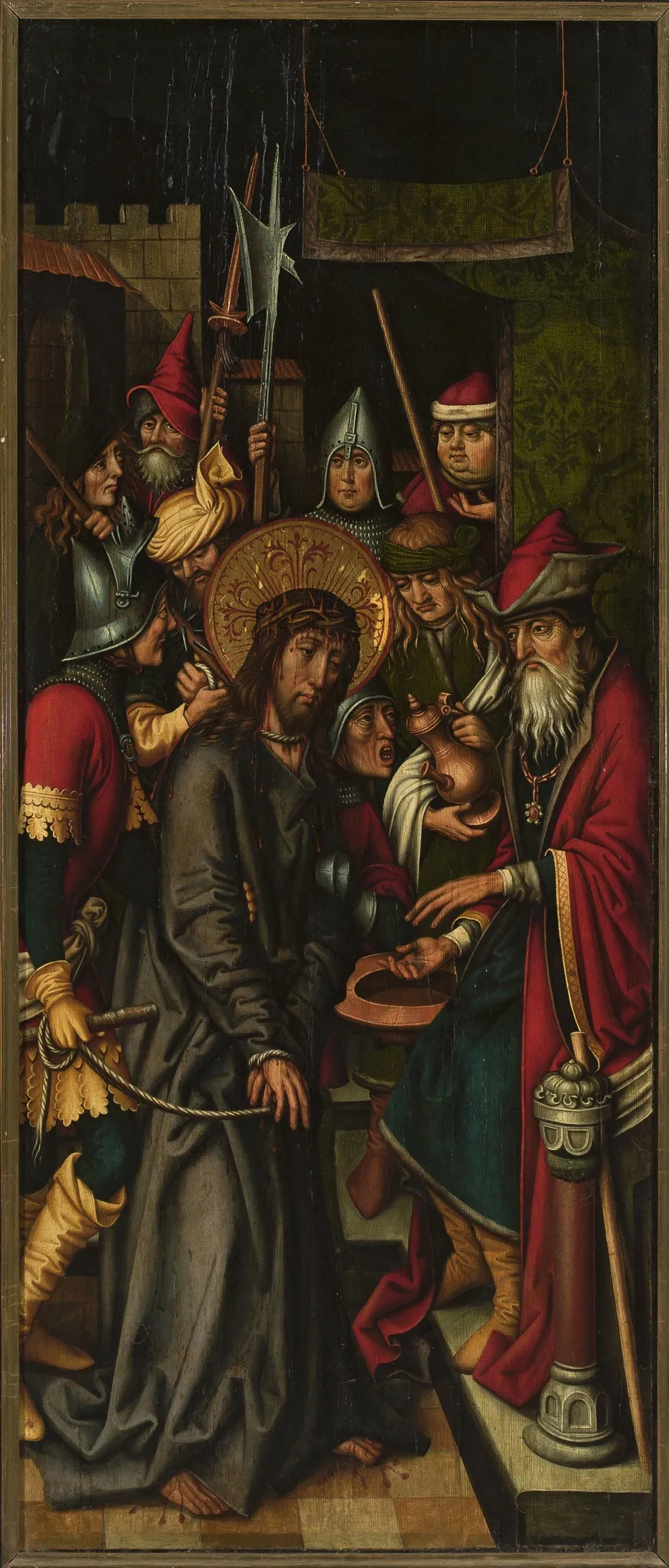
Christ before Pilate is an unspecified painting by the Northern Renaissance artist Sigmund Holbein. It dates from 1500 and is held in the collection of the National Museum in Warsaw.
About this work
Overview
The scene captures a tense judicial encounter, rendered with a stylized clarity that emphasizes gesture and symbolic presence over naturalistic depth.
Painted around 1500 by Sigmund Holbein, this work depicts the moment Christ is presented before Pontius Pilate. It is part of the collection at the National Museum in Warsaw. The scene captures a tense judicial encounter, rendered with a stylized clarity that emphasizes gesture and symbolic presence over naturalistic depth. The composition centers on Christ, surrounded by a crowd of figures reacting with varied intensity.
Subject & Meaning
The painting illustrates the biblical moment when Christ, crowned with thorns, is brought before the Roman governor Pilate. Soldiers and onlookers gesture with hostility or indifference, underscoring the injustice of the trial. A woman in dark attire, hands clasped, suggests mourning or silent witness. The invisible halo behind Christ’s head marks his divine identity, visible only to the viewer, reinforcing the spiritual contrast with the earthly chaos around him.
Technique & Style
Holbein employs flat, saturated colors and minimal shading, avoiding the chiaroscuro techniques emerging in contemporary Italian art. Armor and fabric are rendered with sharp, linear detail, creating a decorative, almost heraldic effect. The figures are arranged in a shallow space, with little sense of perspective, prioritizing symbolic clarity over spatial realism. This approach aligns with late Gothic traditions still prevalent in Northern Europe at the time.
History & Provenance
The painting entered the National Museum in Warsaw’s collection in the 19th century, though its earlier ownership remains undocumented. It is attributed to Sigmund Holbein, a lesser-known artist from the Holbein family circle active in southern Germany. No records confirm its original commission or location, but its style suggests it may have been created for private devotion or a small ecclesiastical setting.
Context
Created during a period of religious upheaval, the painting reflects devotional imagery common in pre-Reformation Germany. While Italian artists were exploring anatomical realism and atmospheric depth, Northern European painters often retained symbolic forms and heightened color. This work fits within a tradition of narrative religious panels designed to evoke moral reflection rather than immersive illusion.
Legacy
Though not widely known outside Poland, the painting offers insight into regional artistic practices around 1500. Its stylistic choices highlight the persistence of Gothic conventions in Northern Europe even as Renaissance ideals spread. It remains a quiet example of how religious themes were visually sustained in communities less influenced by Italian innovations, preserving a distinct devotional aesthetic.
Artist & collection

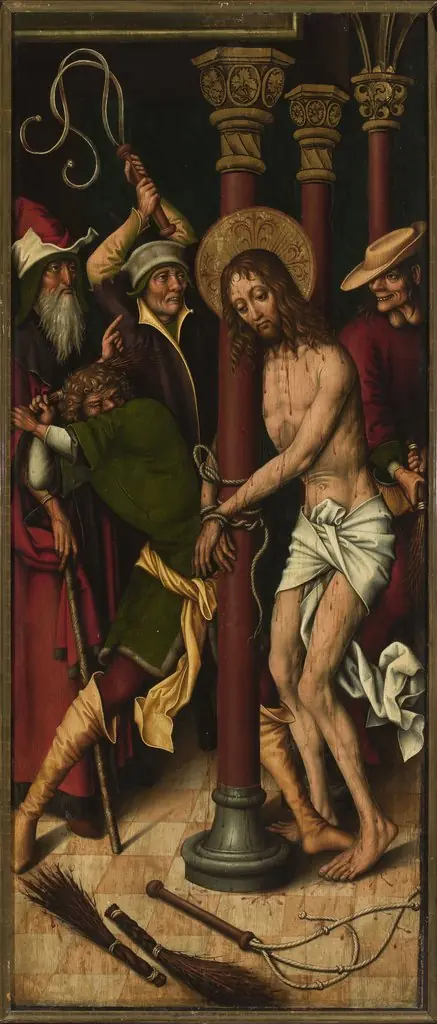 Flagellation of Christ
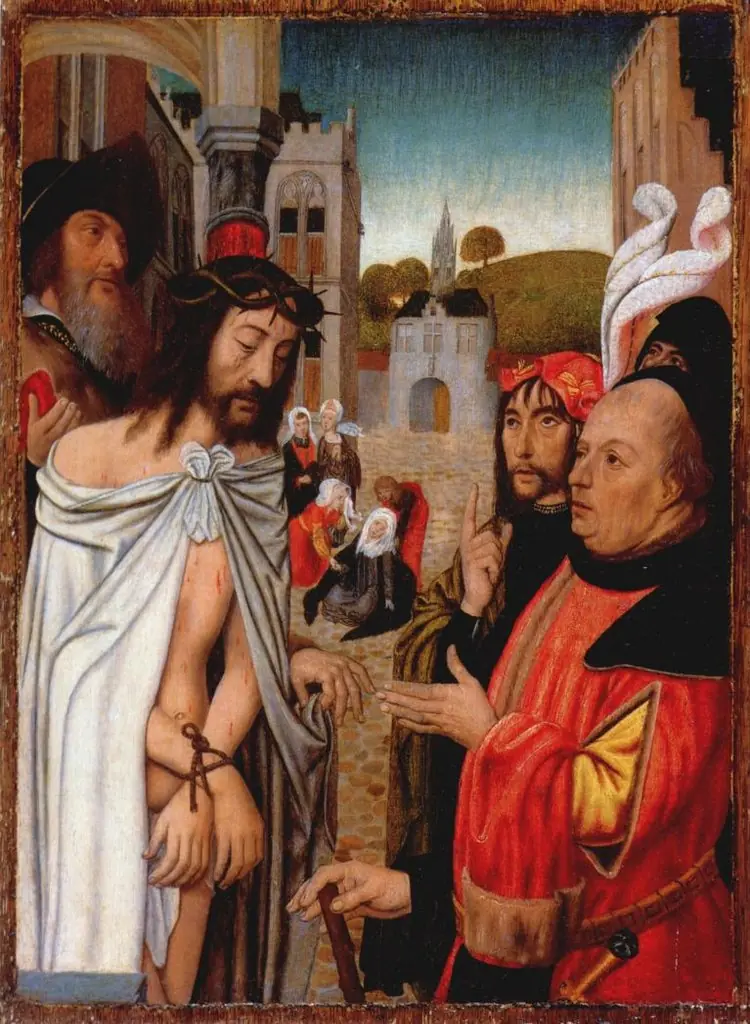 Christ Shown to the People
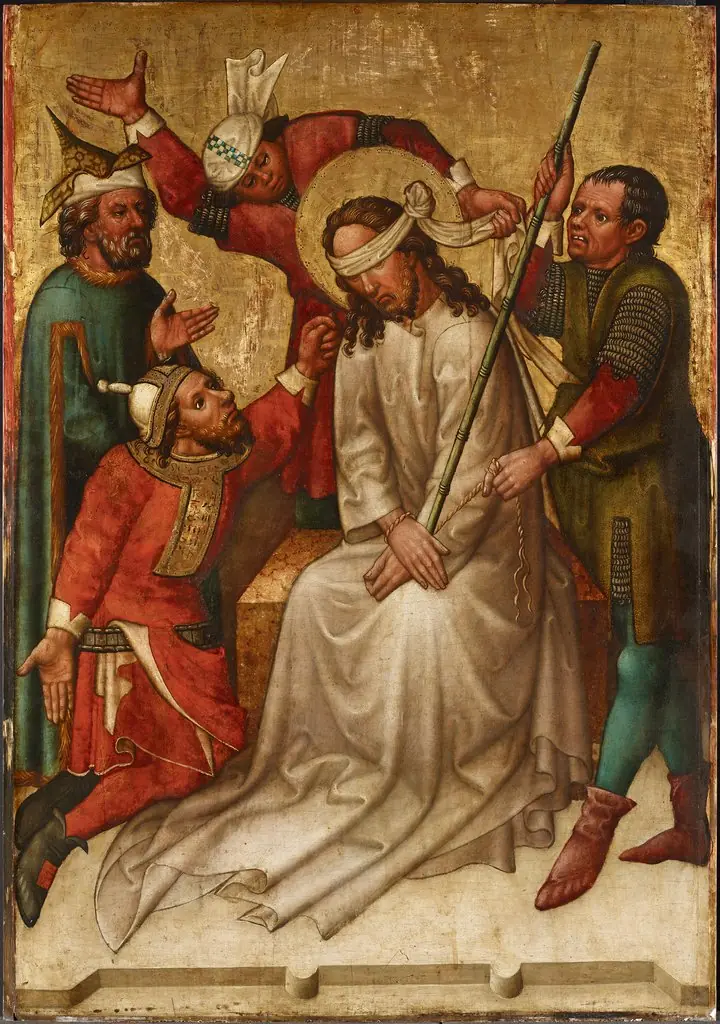 The mocking of Christ
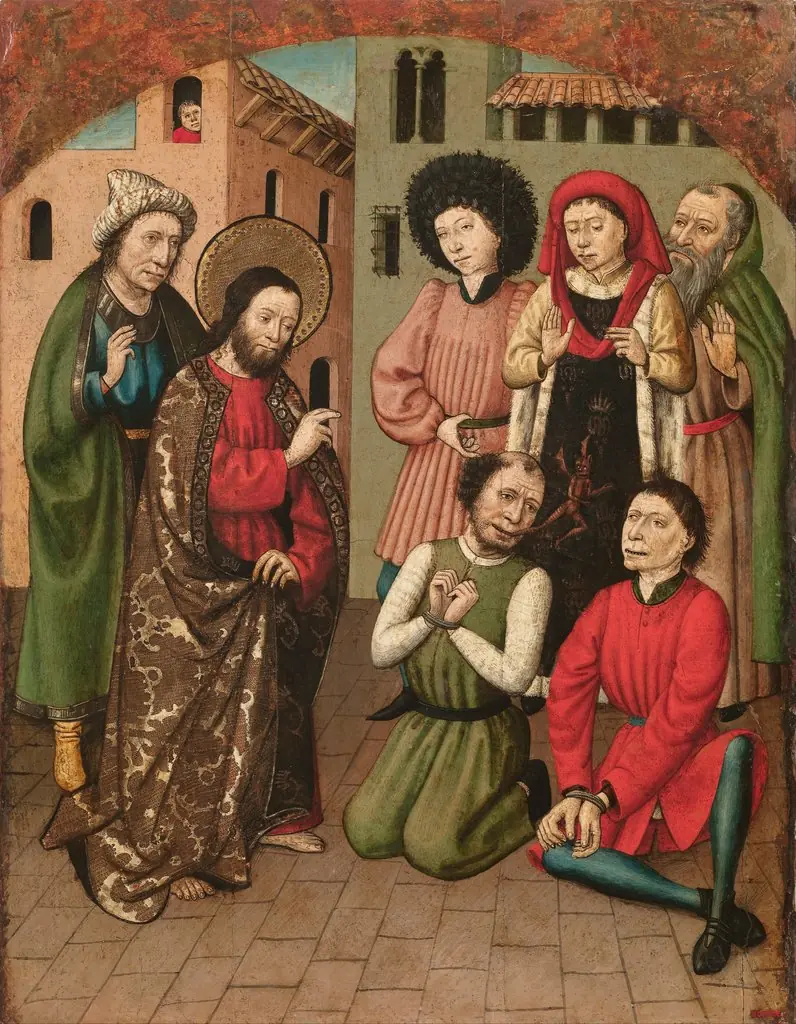 Saint Bartholomew Exorcising
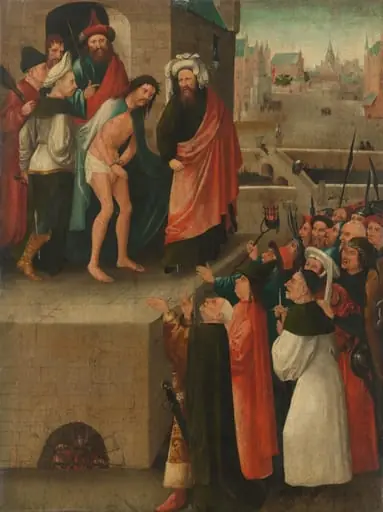 Ecce Homo
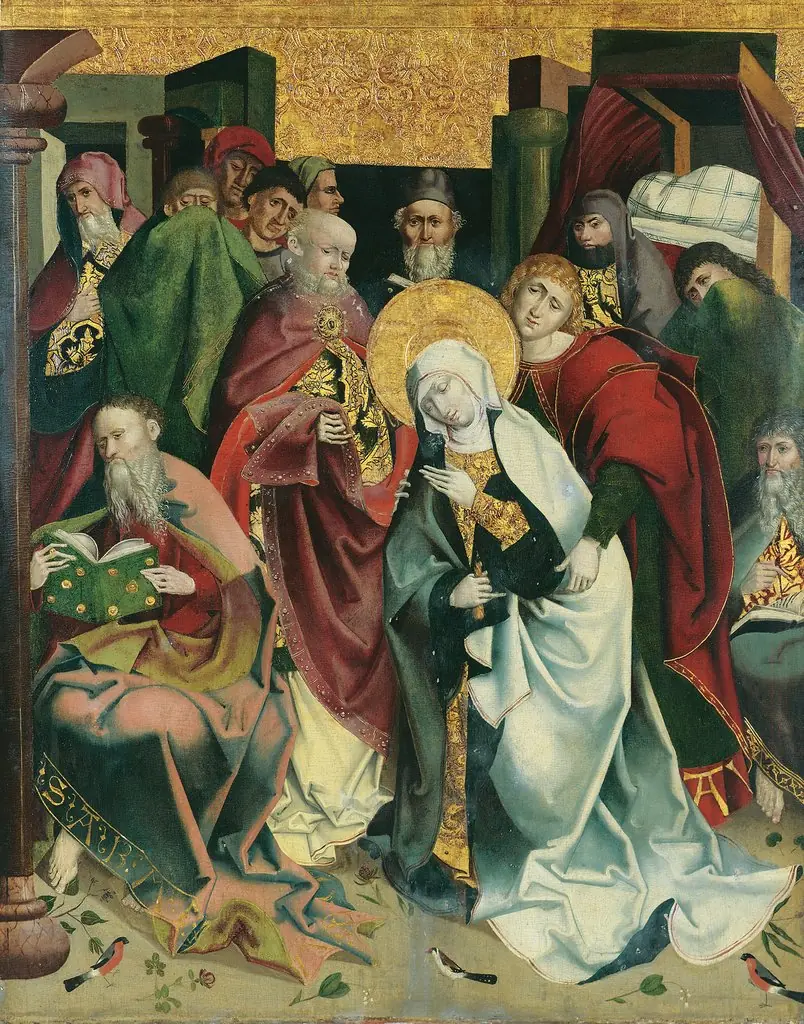 Tod Mariens
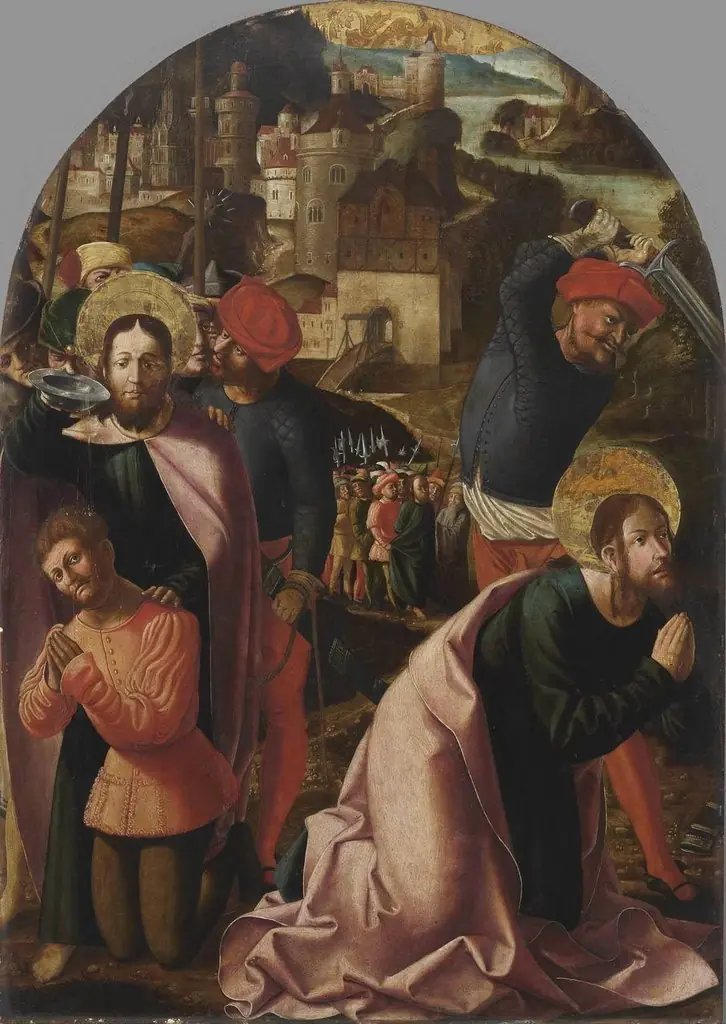 Jakobus-Stephanus-Altar: Der hl. Jakobus tauft Josias und Hinrichtung des Jakobus
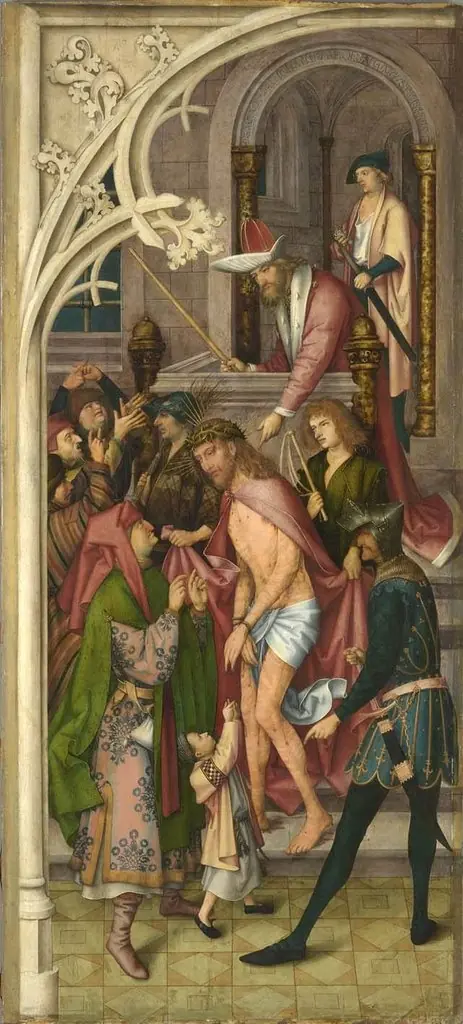 Kaisheimer Altar: Ecce homo
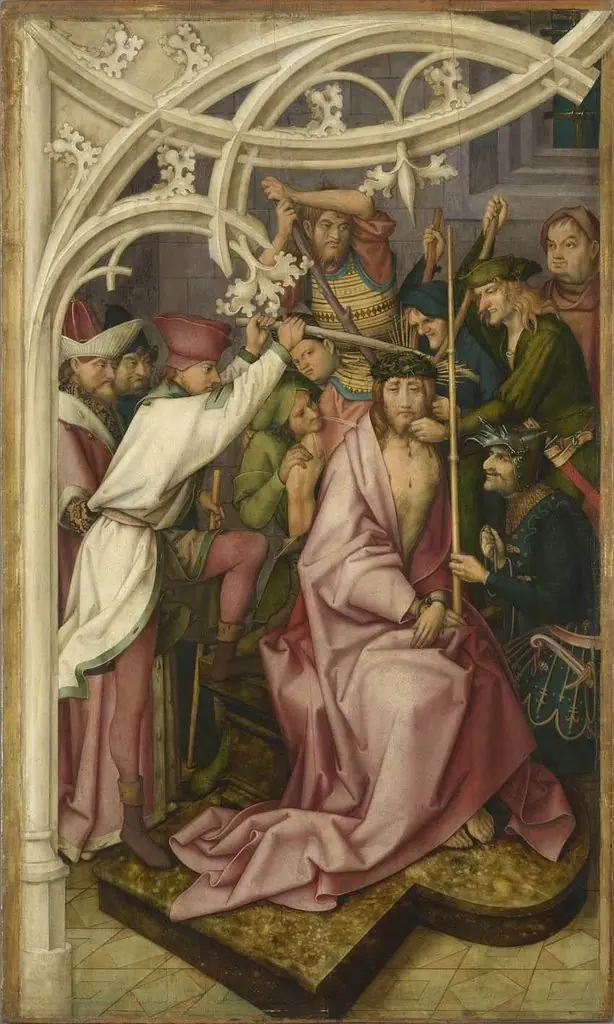 Kaisheimer Altar: Dornenkrönung Christi
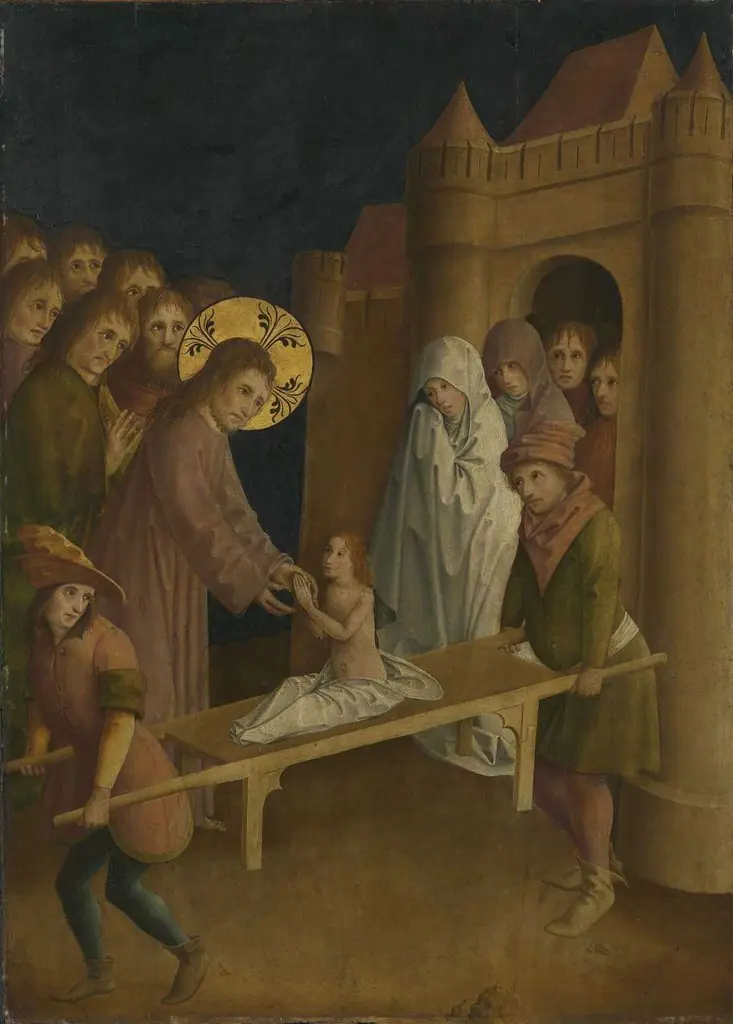 Die Erweckung des Jünglings von Nain