Artwork
Matrix of Tope in centre of Tope, at Hada, near Jellalabad
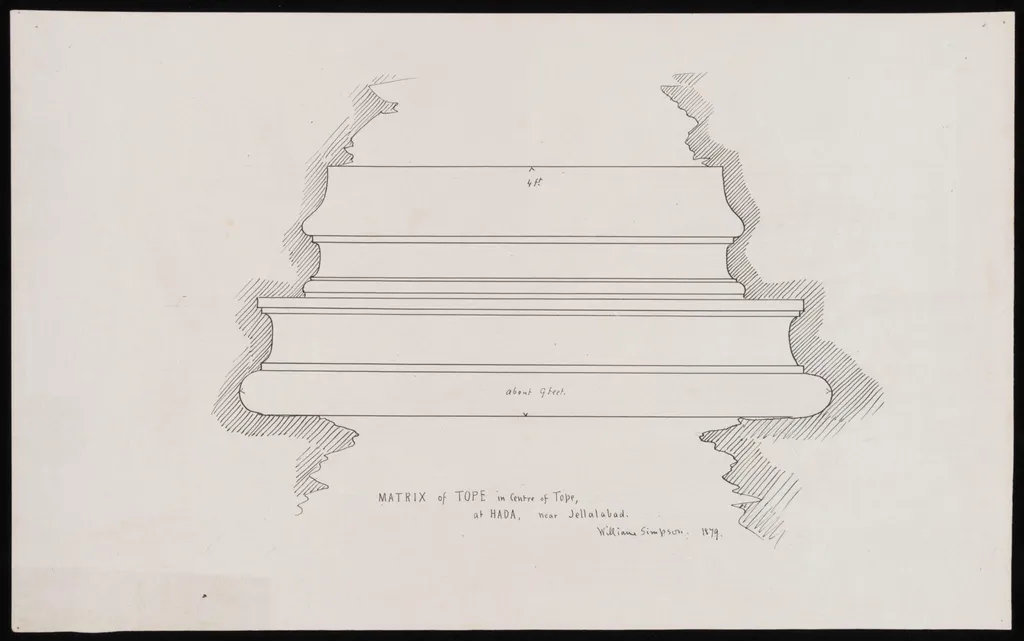
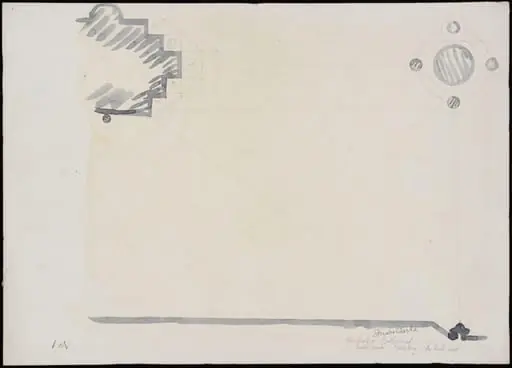
Matrix of Tope in centre of Tope, at Hada, near Jellalabad is a drawing by the Impressionist artist William R.I. F.R.G.S. Simpson. It dates from 1879 and is held in the collection of the Victoria and Albert Museum.
About this work
The edges are marked with quick hatching to show depth, and there are handwritten notes labeling measurements like "4 ft" and "about 9 feet.
This sketch shows a simple, flat drawing of a rectangular stone structure with a rounded top. It looks like a small, raised platform with steps on each side, drawn in light pencil lines. The edges are marked with quick hatching to show depth, and there are handwritten notes labeling measurements like "4 ft" and "about 9 feet."
The drawing is labeled as the "Matrix of Tope," which might refer to a real ancient site near Jellalabad. The artist, William Simpson, made this in 1879, likely to document the ruins.
If you like this kind of detailed architectural sketch, check out the Victoria and Albert Museum for more drawings like this.
Overview
This pen drawing, executed in 1879 by the British artist William Simpson, records the central edifice of a Tope located at Hada, close to Jellalabad. The work serves as a measured architectural sketch, capturing the plan and elevation of the ruin for documentary purposes.
Subject & Meaning
The image portrays a rectangular stone platform topped with a rounded summit, accessed by steps on each side. Hand‑written annotations indicate dimensions—approximately four feet in height and nine feet across—suggesting Simpson’s intent to convey the structure’s scale and functional layout.
Technique & Style
Rendered with pen and light pencil, the drawing employs quick hatching to suggest depth and contour. The lines are concise, emphasizing the building’s geometric form rather than decorative detail, a common approach in 19th‑century field sketches intended for precise recording.
History & Provenance
Created during Simpson’s travels in Afghanistan, the sketch was part of a broader effort to document archaeological sites in the region. The work now resides in a public collection, reflecting its value as a historical record of a site that may no longer be extant.
Context
The Tope at Hada is an ancient mound or platform typical of Central Asian architecture, often associated with Buddhist or pre‑Islamic religious practices. Simpson’s drawing contributes to the limited visual evidence of such structures, which were frequently surveyed by colonial-era explorers.
Artist & collection
Artist
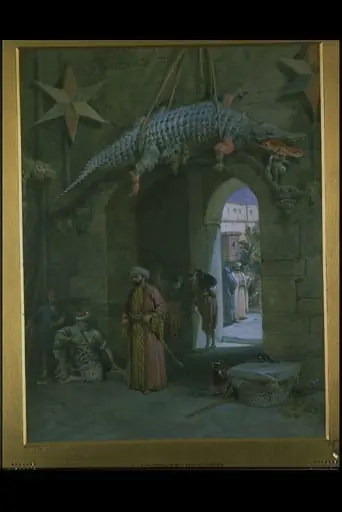
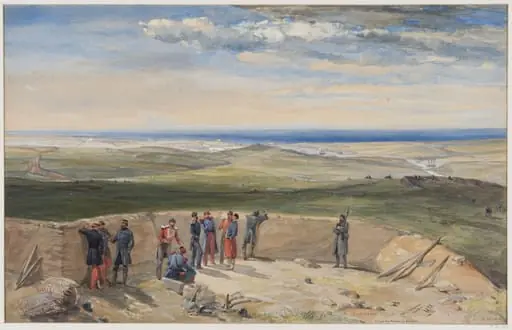
William Simpson drew travel scenes in watercolor and pencil during the 1800s. He sketched A Doorway in Cairo in 1884, showing arched doorways and sunlight on stone. His 1855 Sebastopol: View from the Victoria Redoubt…

 Untitled
 Plan, and elevation of two bays, of Green Court.
 Untitled
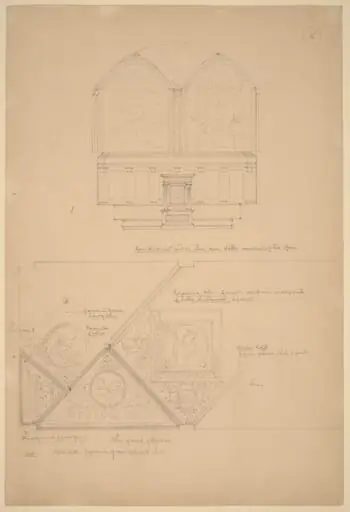 Study of an Altarpiece and Ceiling Panels
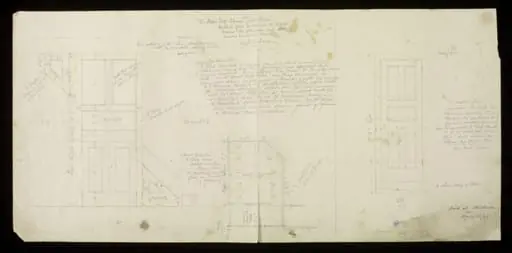 Untitled
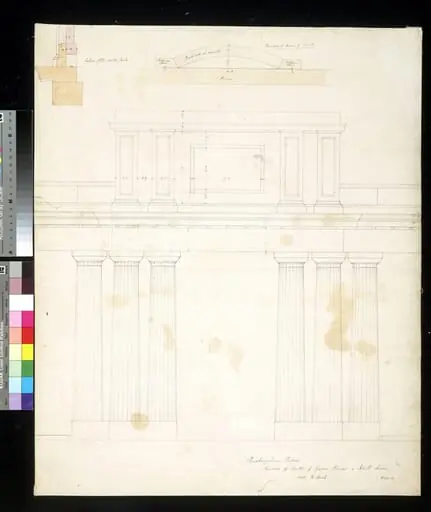 Elevation of Center of the Guard House and North Screen, Buckingham Palace
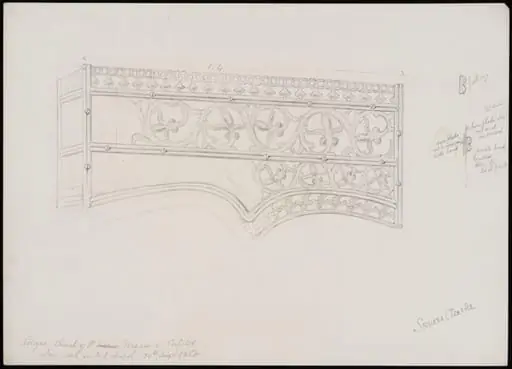 Details of ironwork in church of St. Maria in Capitol, Cologne
 Untitled
 Doors and windows
 Byzantine Doorway with Duomo, Rimini