Artwork
Resoration of the Ahin Posh Tope, Jellalabad Valley
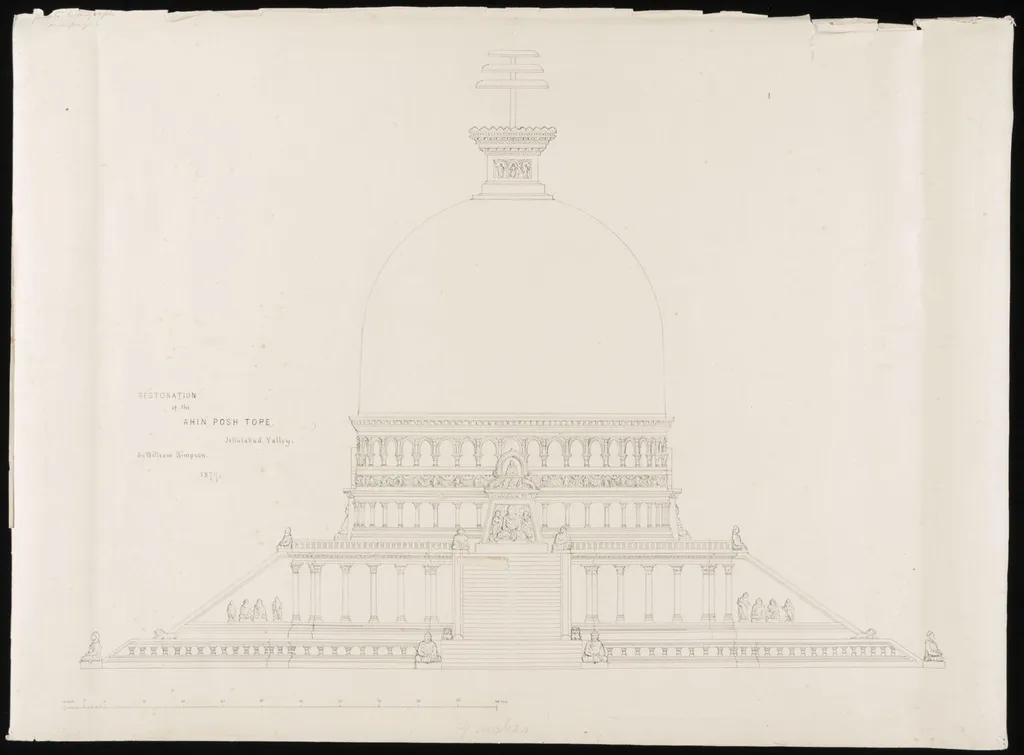
Resoration of the Ahin Posh Tope, Jellalabad Valley is a drawing by the Impressionist artist William R.I. F.R.G.S. Simpson. It dates from 1879 and is held in the collection of the Victoria and Albert Museum.
About this work
Overview
Rendered with meticulous precision, the work captures the architectural form and surrounding activity during a period of archaeological interest in the region.
Created in 1879, this pen-and-ink drawing by William Simpson records the restoration efforts at the Ahin Posh Tope, a Buddhist stupa in the Jellalabad Valley. Rendered with meticulous precision, the work captures the architectural form and surrounding activity during a period of archaeological interest in the region. Simpson, a British artist and war correspondent, documented historical sites across Asia, blending observational accuracy with documentary intent.
Subject & Meaning
The drawing portrays the stupa’s physical structure alongside laborers and observers gathered at its base, suggesting active conservation work. The presence of figures—some seated, others standing—implies a scholarly or administrative presence, possibly British archaeologists or local workers under supervision. The scene reflects 19th-century colonial-era efforts to preserve and interpret South Asian heritage, framing the site as both cultural relic and subject of study.
Technique & Style
Simpson employed fine, controlled pen lines to render intricate surface textures—carved stonework, architectural moldings, and the dome’s decorative motifs. Shading is achieved through cross-hatching and varied line density, lending depth without color. The composition balances architectural precision with human scale, emphasizing the stupa’s grandeur while grounding it in the human activity of its restoration.
History & Provenance
The drawing originated during Simpson’s travels in Afghanistan and the North-West Frontier, commissioned as part of broader British efforts to document ancient sites. It was likely produced for institutional or private collectors interested in Orientalist archaeology. The work remains part of the historical record of 19th-century antiquarianism, with ties to collections held by British institutions such as the Victoria and Albert Museum.
Context
In the late 1870s, British military and scholarly expeditions in Afghanistan sought to catalog Buddhist remains amid geopolitical tensions. The Ahin Posh Tope, believed to date from the Kushan period, attracted attention for its architectural hybridity—combining local traditions with Hellenistic and later influences. Simpson’s drawing contributed to a growing visual archive used to legitimize colonial narratives of cultural preservation.
Legacy
Simpson’s detailed documentation helped shape early Western understanding of South Asian Buddhist architecture. While later scholarship has reevaluated colonial interpretations, his drawings remain valuable as primary records of sites before modern excavation or damage. The Ahin Posh Tope drawing endures as an example of how visual testimony informed both academic and public perceptions of Asia’s ancient past.
Artist & collection
Artist
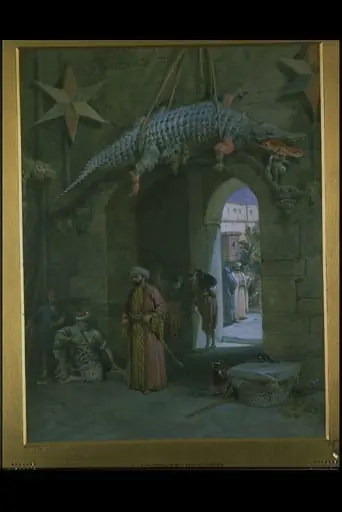
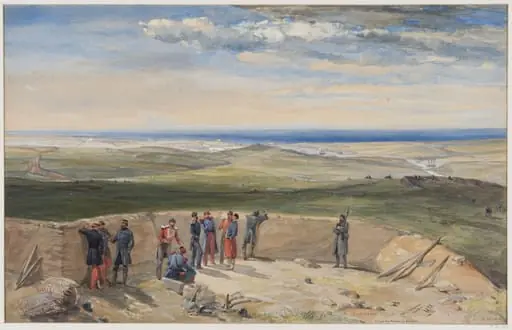
William Simpson drew travel scenes in watercolor and pencil during the 1800s. He sketched A Doorway in Cairo in 1884, showing arched doorways and sunlight on stone. His 1855 Sebastopol: View from the Victoria Redoubt…

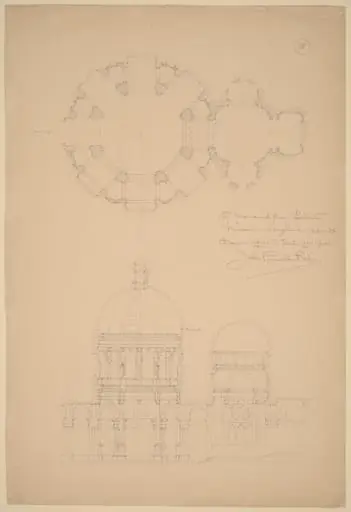 Sta. Maria della Salute, Venice
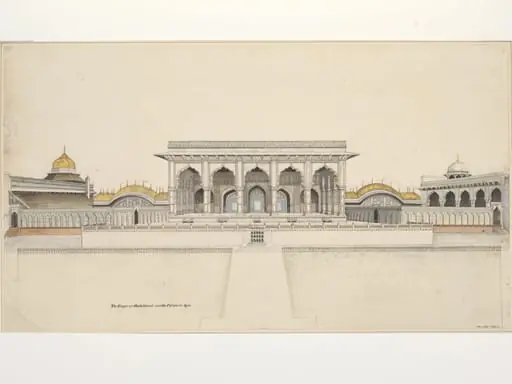 Elevation of the facade of the Khas Mahal, private apartments, Agra Fort, with the adjoining golden pavilions
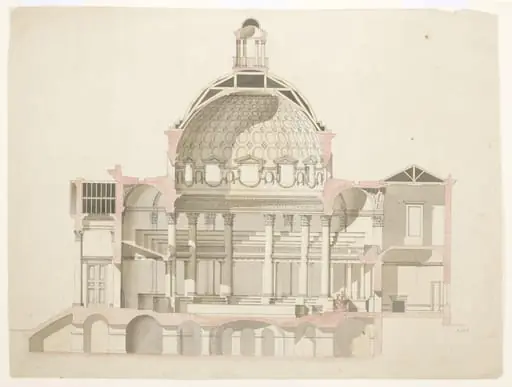 Design for St Mary's Church, St Marylebone
 Untitled
 Vertical Section through the Tage
 The main entrance to the A-Ma Temple, Macau
 Study of an Altarpiece and Ceiling Panels
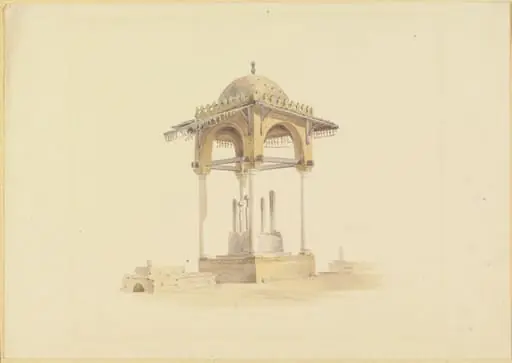 Tomb of a private family of wealth - Cairo -
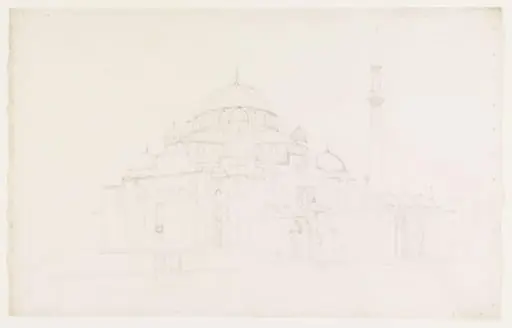 Sehzade Camii, Constantinople
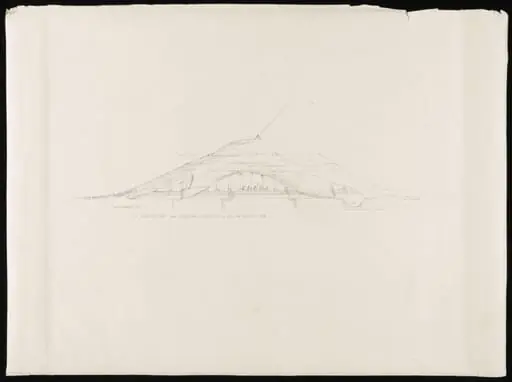 The Ahin Posh Tope near Jellalabad, excavated