Artwork
The Unrepentant Thief
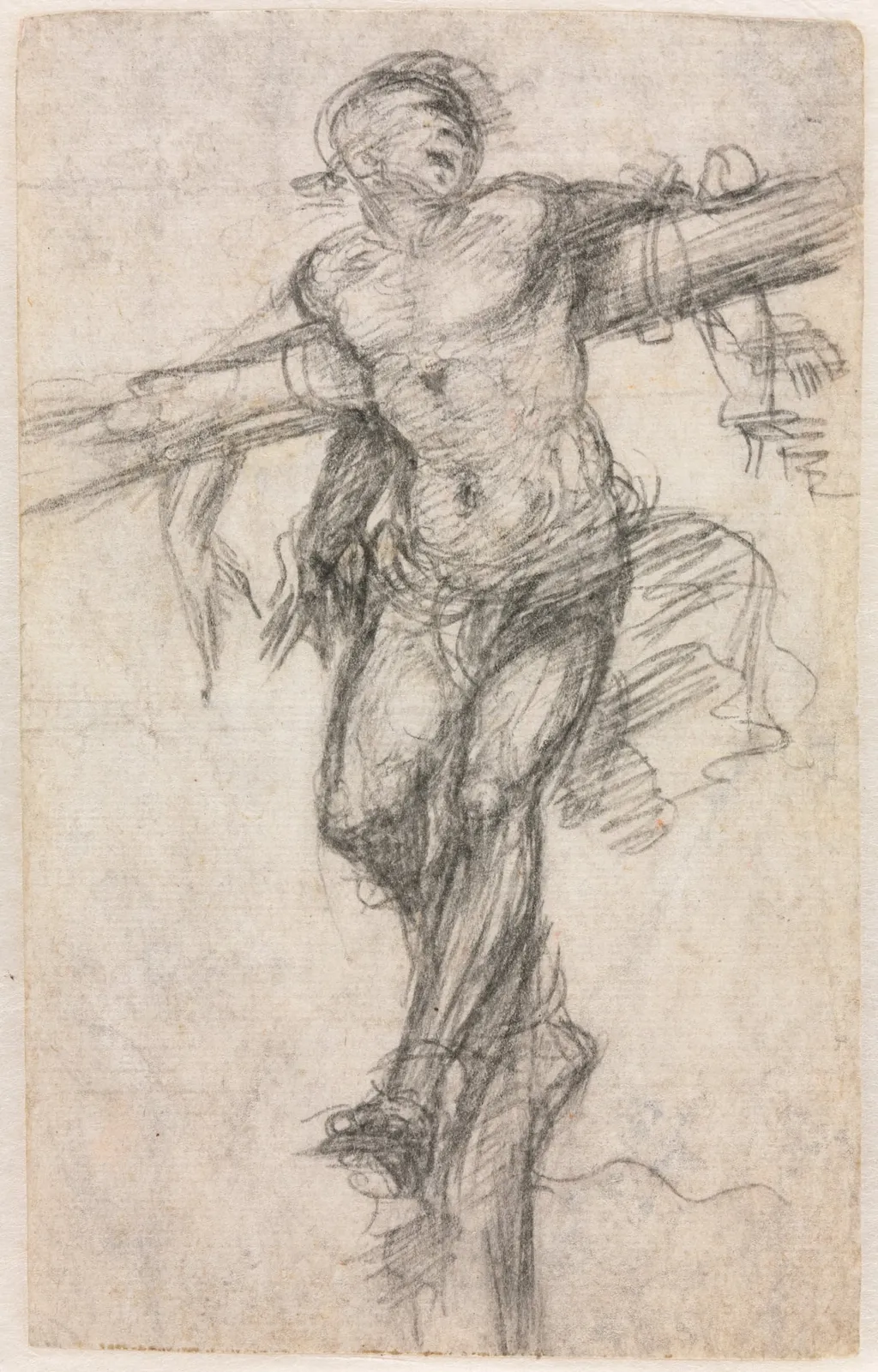
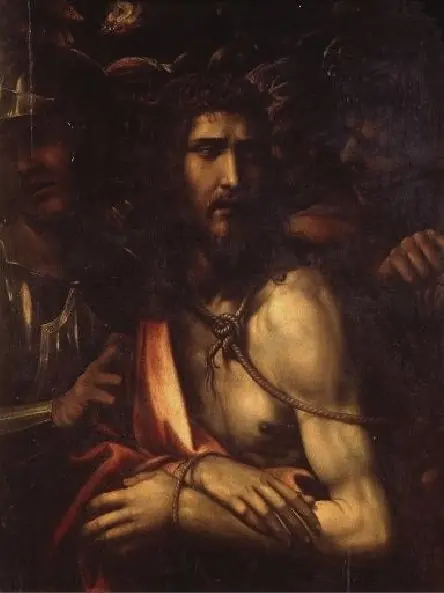
The Unrepentant Thief is a drawing by the Renaissance artist Sodoma. It dates from 1530 and is held in the collection of the Cleveland Museum of Art.
About this work
This scene is often depicted in art, but what's interesting is how the artist chose to focus on this one figure, conveying a sense of tension and emotion.
The painting shows a man tied to a cross, struggling against the ropes.
He's one of the thieves crucified with Christ.
This scene is often depicted in art, but what's interesting is how the artist chose to focus on this one figure, conveying a sense of tension and emotion.
The ropes are tight, and the man's body is twisted in a way that shows his discomfort.
The artist's use of lines and shapes creates a sense of movement and energy.
You can learn more about this style by looking into the work of artist: Sodoma (Italian, 1477–1549)
Overview
The drawing portrays one of the two thieves crucified alongside Christ on Golgotha, captured in a moment of violent resistance as he strains against the ropes that bind him to the cross. The composition isolates the unrepentant figure, emphasizing his twisted posture and the tension of his struggle.
Subject & Meaning
In the biblical narrative, the unrepentant thief mocks Christ while his counterpart seeks forgiveness. This work concentrates on the former, highlighting his defiance and the physical anguish that accompanies his spiritual obstinacy, a theme frequently explored in crucifixion iconography.
Technique & Style
Executed with rapid, scratchy strokes, the drawing reveals multiple revisions where the artist altered the figure’s limbs and rope placement. These pentimenti generate a dynamic, nervous energy, while the loose line work conveys both the immediacy of movement and the underlying pain of the condemned man.
History & Provenance
Created by the Italian Renaissance painter Sodoma (1477–1549), the piece is the first of his drawings to enter the museum’s holdings. Though born in Lombardy, Sodoma spent most of his career in Siena, where he became a leading figure in early‑16th‑century Sienese painting.
Context
Sodoma’s reputation for emotionally charged compositions and an unconventional personal life informs the drawing’s intense focus on a single, tormented figure. The work reflects the broader Renaissance interest in human expression and the physicality of suffering within religious subjects.
Artist & collection
Artist
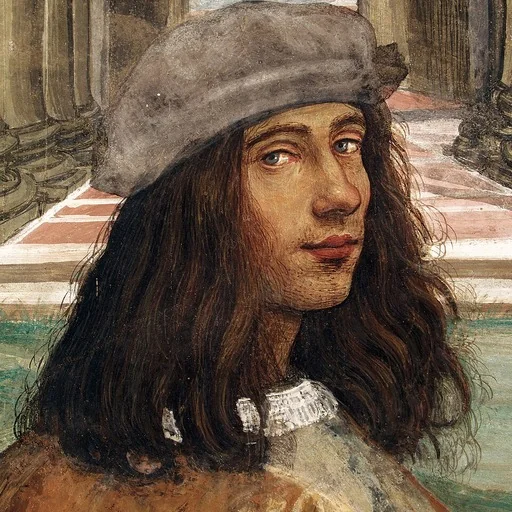
Il Sodoma was the name given to the Italian Renaissance painter Giovanni Antonio Bazzi.

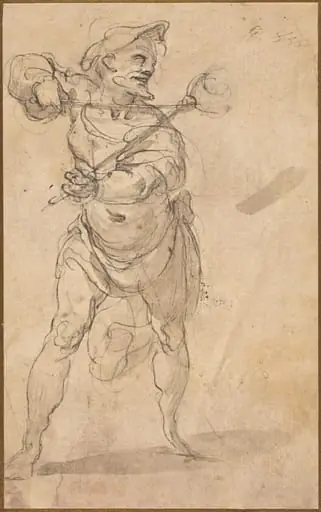 A Tormentor With Tongs
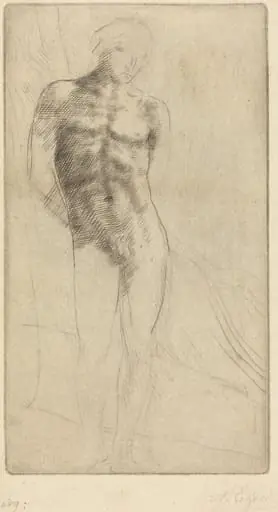 Study of a Nude Figure (Etude de figure nue)
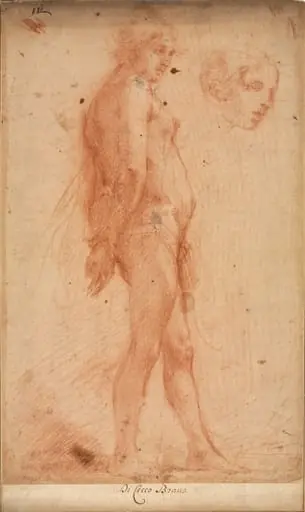 Study of a Standing Male Nude, with a Study of Head in Three-Quarter Profile
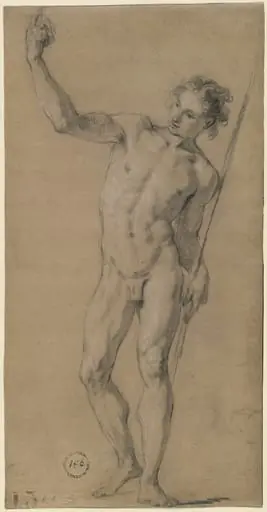 Saint John the Baptist
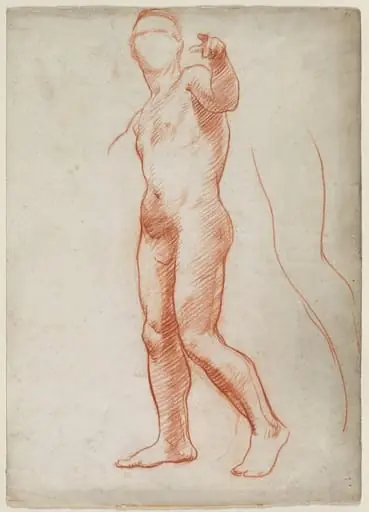 Standing Male Nude
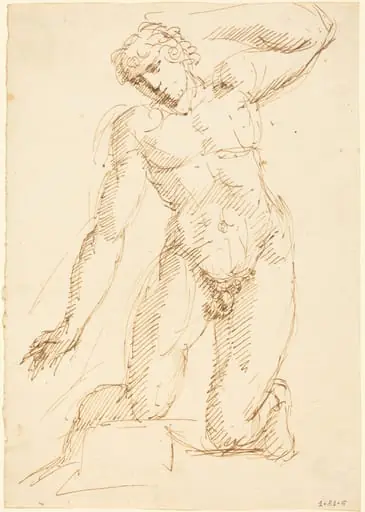 A Male Nude Kneeling
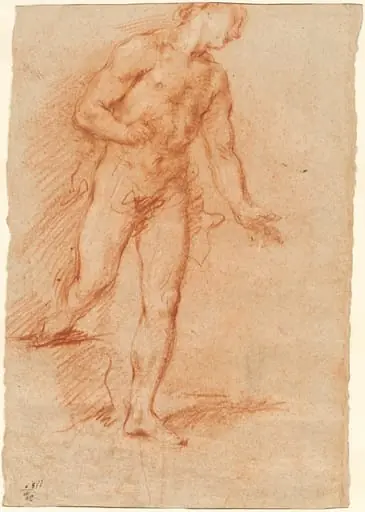 Male Nude
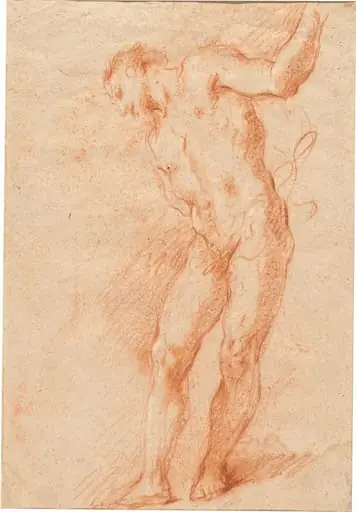 Male Nude
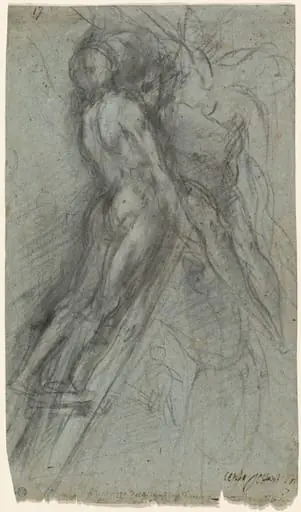 The Descent from the Cross
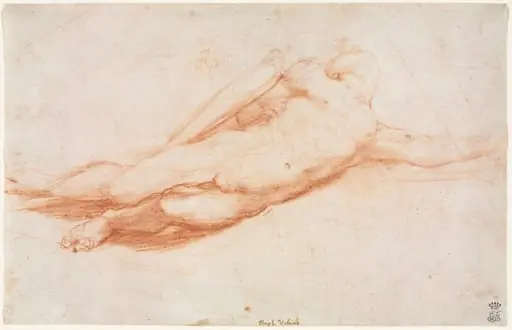 Study of a Fallen Soldier (possibly the Conversion of Saul) (recto)
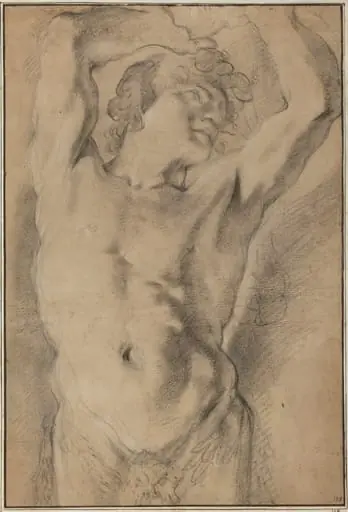 A Male Herm
 Drawing