Artwork
Orchid Pavilion Gathering
Orchid Pavilion Gathering is an unspecified painting by the Nihonga artist Soga Shōhaku. It dates from 1777 and is held in the collection of the Cleveland Museum of Art.
About this work
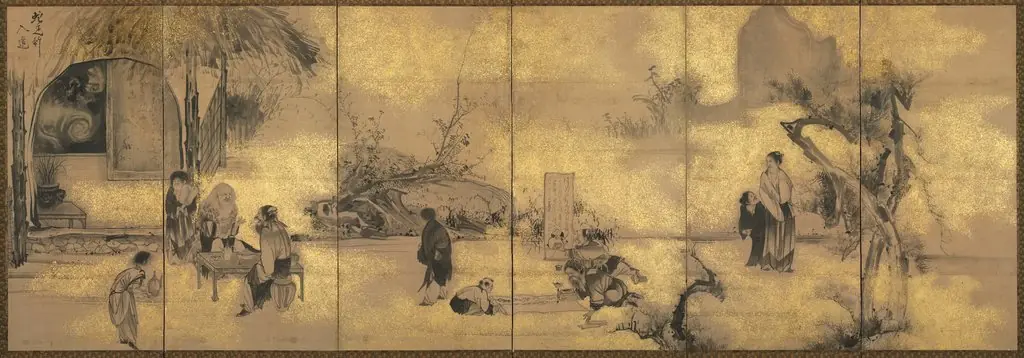
You see a long scroll crowded with scholars in robes, cups floating down a stream, and ink poems hanging from trees.
You see a long scroll crowded with scholars in robes, cups floating down a stream, and ink poems hanging from trees.
This painting isn’t about China—it’s about Japan. The artist swapped Chinese faces for Japanese ones and set the scene in an Edo-period garden. The party happened in 353, but Shōhaku painted it in 1777, turning history into a daydream.
Look up *Japan, Edo period (1615–1868)* to see more scrolls like this.
Overview
The scroll illustrates the legendary Orchid Pavilion gathering, an event recorded in 353 AD when scholars assembled to celebrate the Spring Purification Festival. Participants floated wine cups down a stream, pausing to drink and compose verses wherever the cups landed. The composition captures this literary pastime in a continuous, horizontal format.
Subject & Meaning
While the original anecdote belongs to Chinese tradition, the painting reinterprets the scene through an Edo‑period lens. Figures are rendered with Japanese facial features and attire, suggesting a cultural translation that emphasizes the timeless appeal of poetic communion and the ritual of shared wine.
Technique & Style
Executed in ink on a long handscroll, the work combines delicate brushwork for the scholars’ robes with more expressive strokes for the surrounding garden. Ink‑written poems appear suspended among the trees, integrating calligraphic text into the visual narrative, a hallmark of Japanese scroll painting of the eighteenth century.
History & Provenance
Created by Maruyama Shōhaku in 1777, the piece reflects the Edo period’s fascination with classical Chinese stories rendered in a domestic context. The scroll remains an example of how Japanese artists of the time adapted foreign literary themes, situating them within familiar landscapes for contemporary audiences.
Artist & collection
Artist
Shōhaku spent his life in Kyoto, the creative heart of Japan, where he painted scrolls and screens that looked nothing like the soft landscapes of his day.

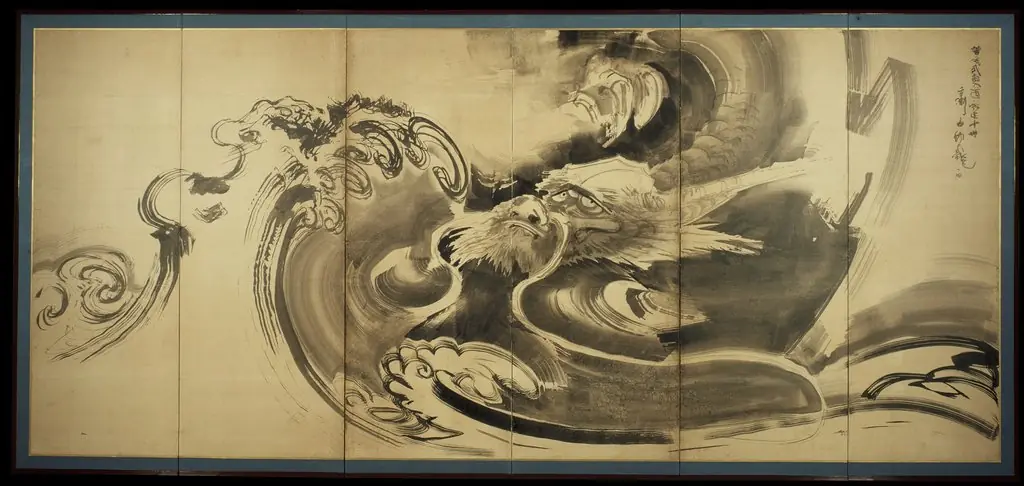
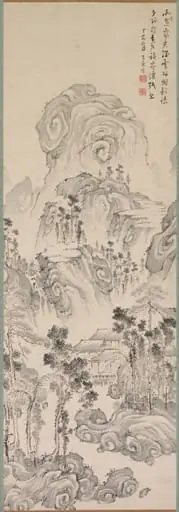 Landscape with Gentle Peaks
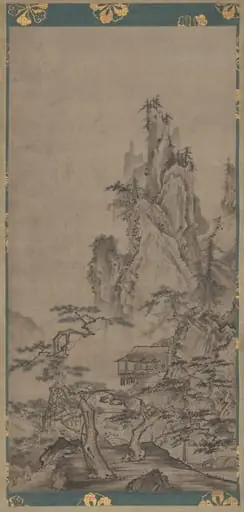 Scholar's Visit
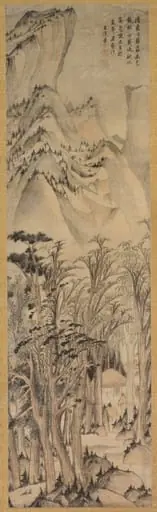 Solitary Colors of the Autumn Woods
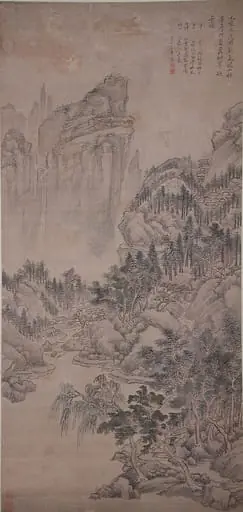 清 惲壽平 山水 軸|Landscape
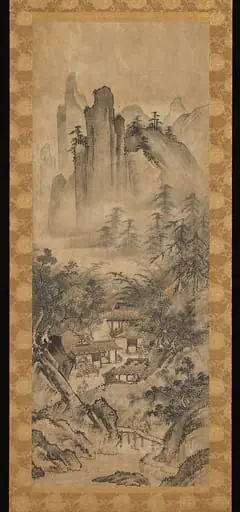 瀟湘八景図|Eight Views of the Xiao and Xiang Rivers
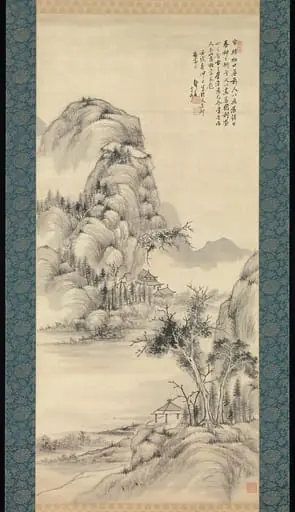 Untitled
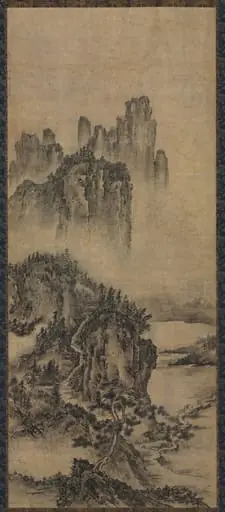 Landscape with a Distant Temple
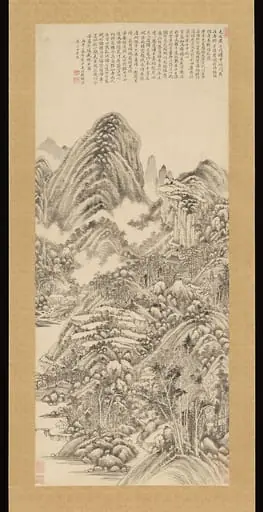 清 王時敏 仿黃公望山水圖 軸 絹本|Landscape in the style of Huang Gongwang
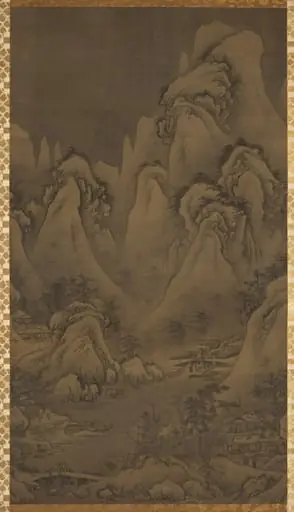 Winter Landscape
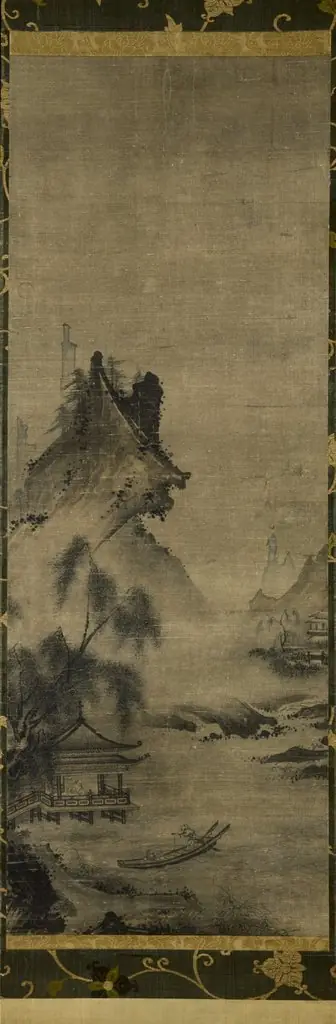 Lakeside Retreat
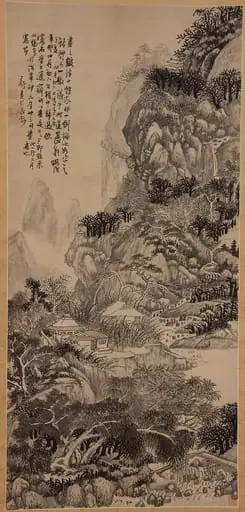 明/清 王鐸 山水圖 軸|Mountain Landscape
 Landscape