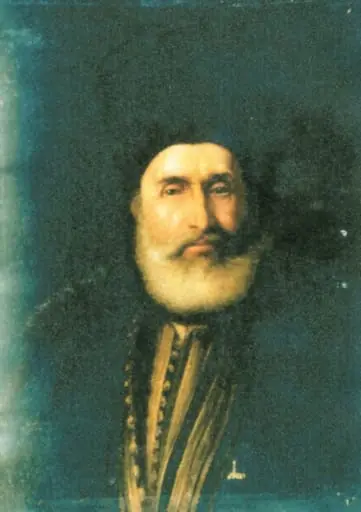
Artwork
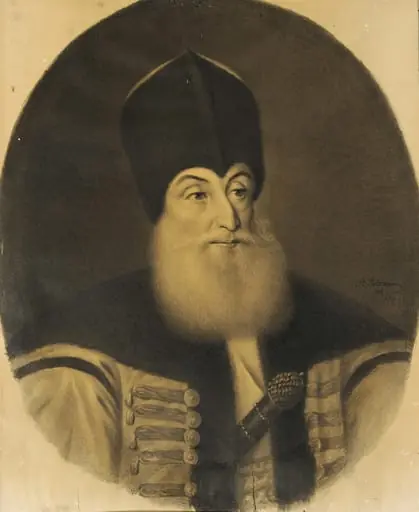
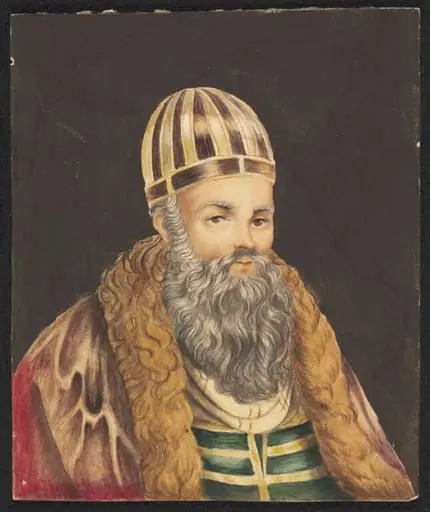
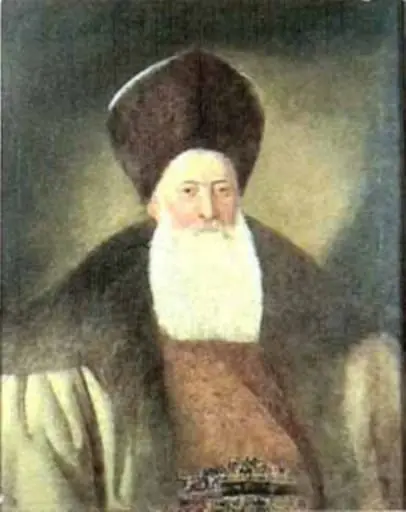
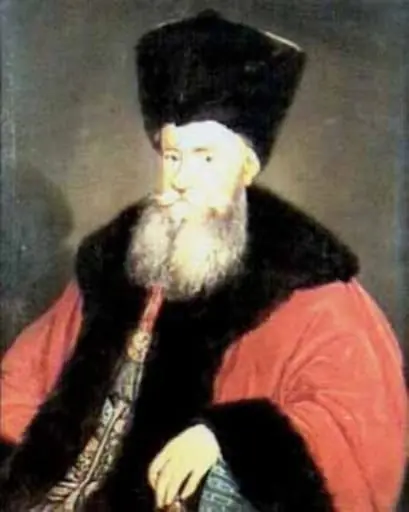
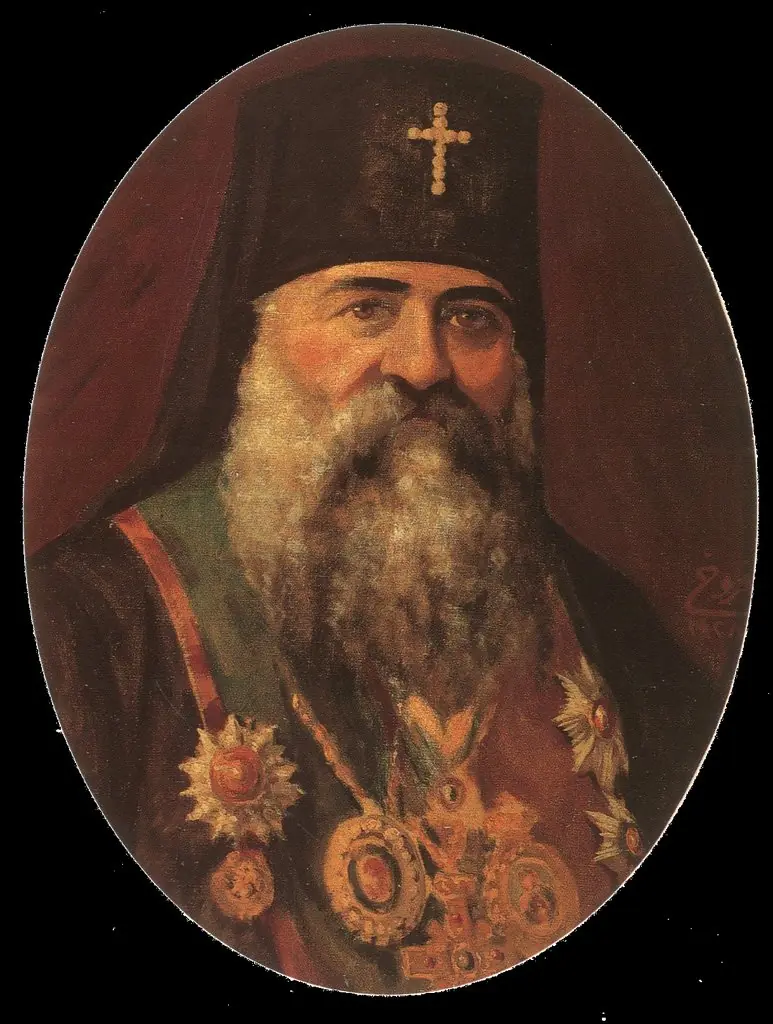
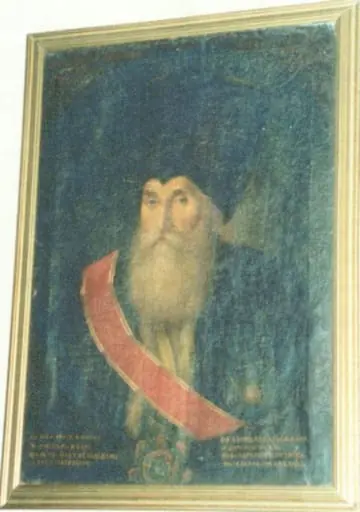
Ein Bischof mit Mitra und Pluviale, Studie für den heiligen Leonzio
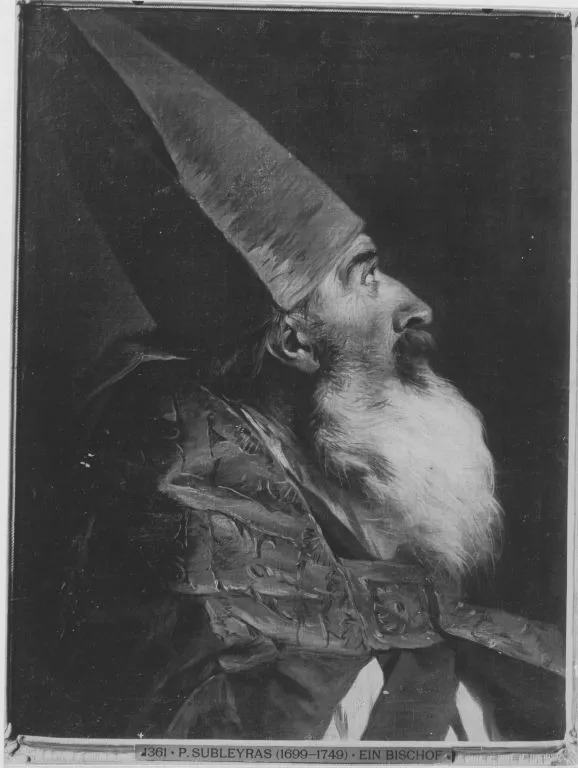
Ein Bischof mit Mitra und Pluviale, Studie für den heiligen Leonzio is an unspecified painting by the Rococo painting artist Pierre Subleyras. It dates from 1724 and is held in the collection of the Bavarian State Painting Collections.
About this work
Overview
Painted in 1724 by the French artist Pierre Subleyras, this study was prepared as part of a larger religious composition honoring Saint Leontius.
Painted in 1724 by the French artist Pierre Subleyras, this study was prepared as part of a larger religious composition honoring Saint Leontius. Executed during Subleyras’s time in Italy, the work reflects his engagement with the evolving aesthetics of the early eighteenth century, blending Baroque precision with emerging classical restraint. The piece remains a focused exploration of ecclesiastical portraiture, executed in oil on canvas and now held in the Alte Pinakothek in Munich.
Subject & Meaning
The figure represents a bishop, likely intended as a stand-in for Saint Leontius, a fourth-century Christian martyr and bishop. Dressed in full liturgical regalia—including a mitre and pluviale—the subject embodies spiritual authority. The detailed rendering of vestments and facial features suggests an emphasis on dignity and sacred presence rather than individual identity, serving as a devotional prototype for the final altarpiece.
Technique & Style
Subleyras employed chiaroscuro to model the bishop’s form with subtle gradations of light and shadow, enhancing the three-dimensionality of the face and fabric. The brushwork is meticulous, particularly in the rendering of the embroidered patterns on the pluviale and the texture of the beard. The dark, unmodulated background isolates the figure, directing attention to the precision of his attire and the calm intensity of his expression.
History & Provenance
Created during Subleyras’s years in Rome, where he gained recognition for his religious paintings, this study was likely made in preparation for a commission now lost. It remained in private collections before entering the Alte Pinakothek’s holdings, where it is preserved as an example of French artistic training adapted to Italian ecclesiastical traditions. Its survival offers insight into the preparatory practices of eighteenth-century studio practice.
Context
In the early 1720s, French artists in Italy were increasingly drawn to classical ideals and refined naturalism, moving away from the exuberance of High Baroque. Subleyras’s work reflects this transition, marrying the emotional gravity of Counter-Reformation imagery with a new clarity of form. His studies like this one were essential to fulfilling commissions for churches and religious orders seeking both doctrinal accuracy and visual solemnity.
Legacy
Though the final altarpiece for which this study was made no longer survives, the work endures as a testament to Subleyras’s skill in capturing sacred presence through restrained detail. It illustrates the importance of preparatory studies in large-scale religious commissions and remains a key reference for understanding how French painters contributed to the evolution of Italian religious art in the early eighteenth century.
Artist & collection
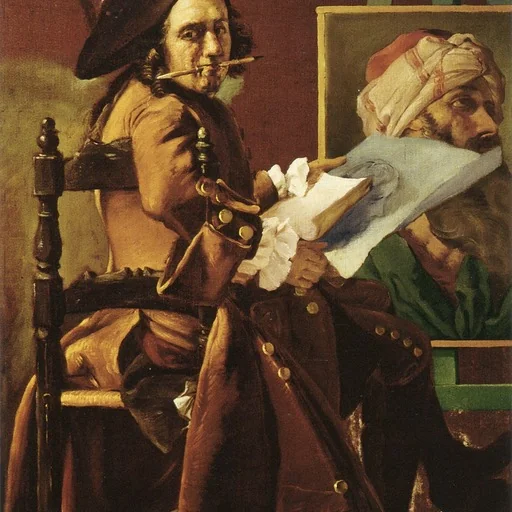
Artist
Pierre Subleyras (French: ; November 25, 1699 – May 28, 1749) was a French painter, active during the late-Baroque and early-Neoclassic period, mainly in Italy.

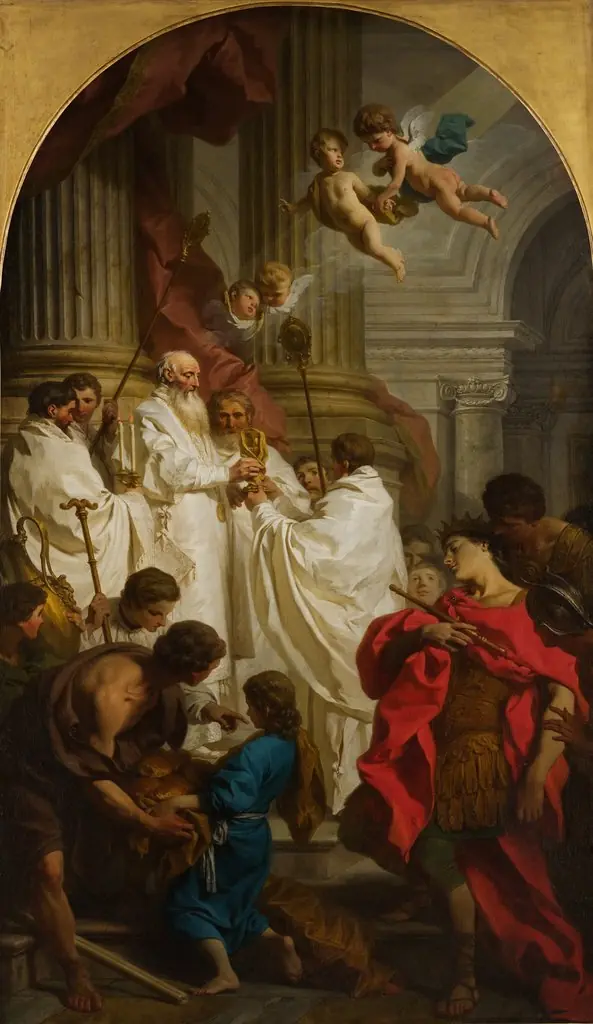 The Mass of Saint Basil
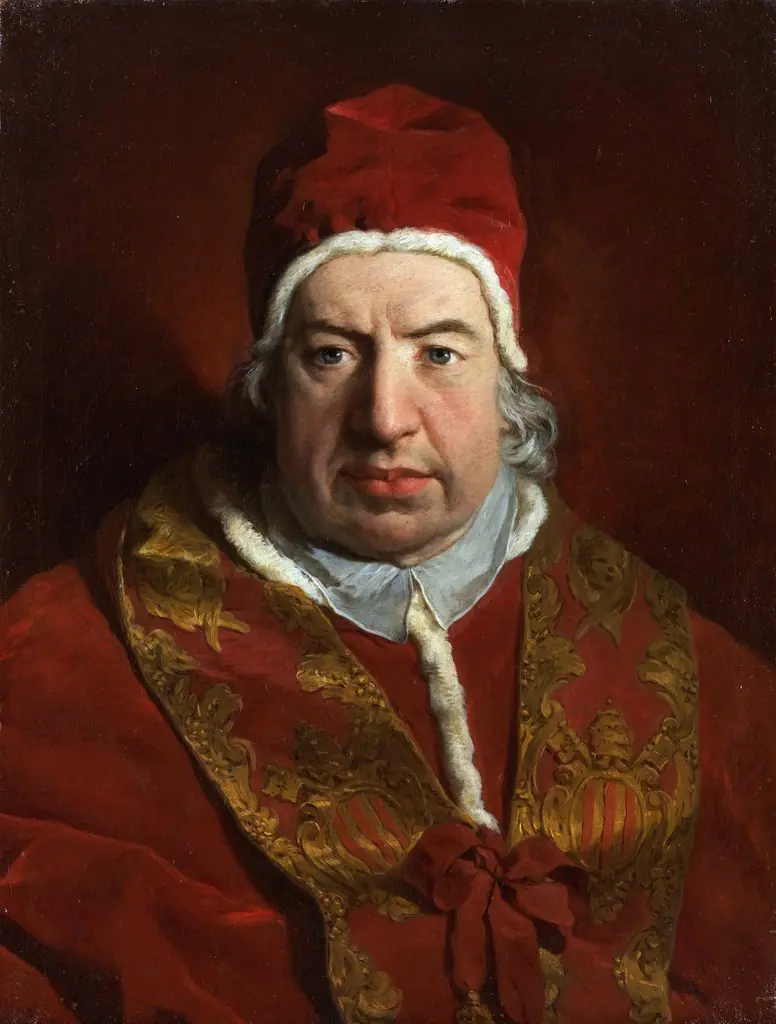 Pope Benedict XIV (Prospero Lambertini, 1675–1758)
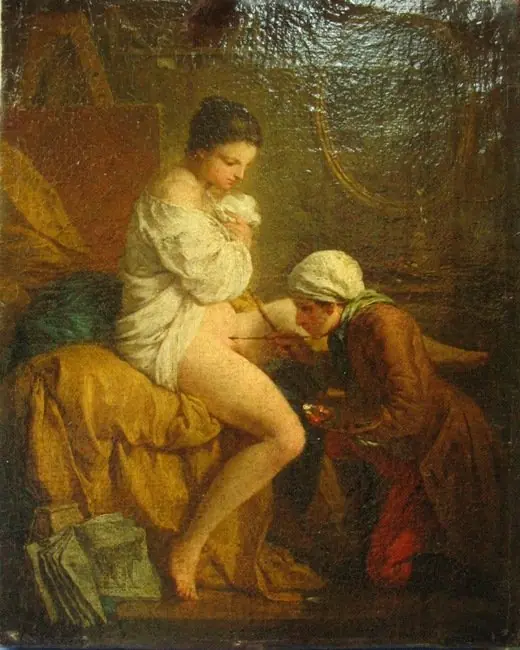 Scene from La Fontaine's Fable 'The Mare of Peasant Pierre'
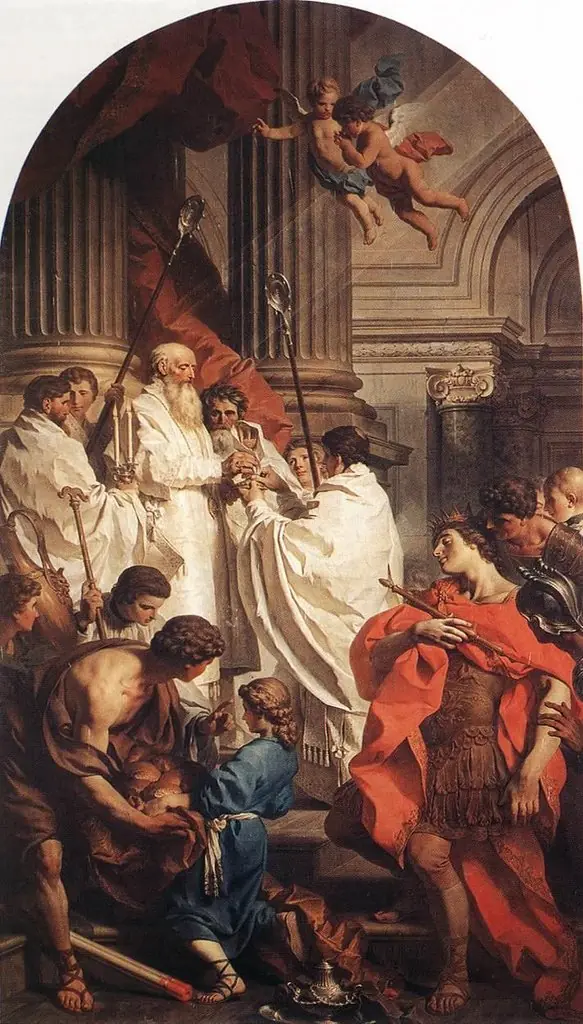 Emperor Valens before Bishop Basil (The Mass of St Basil)
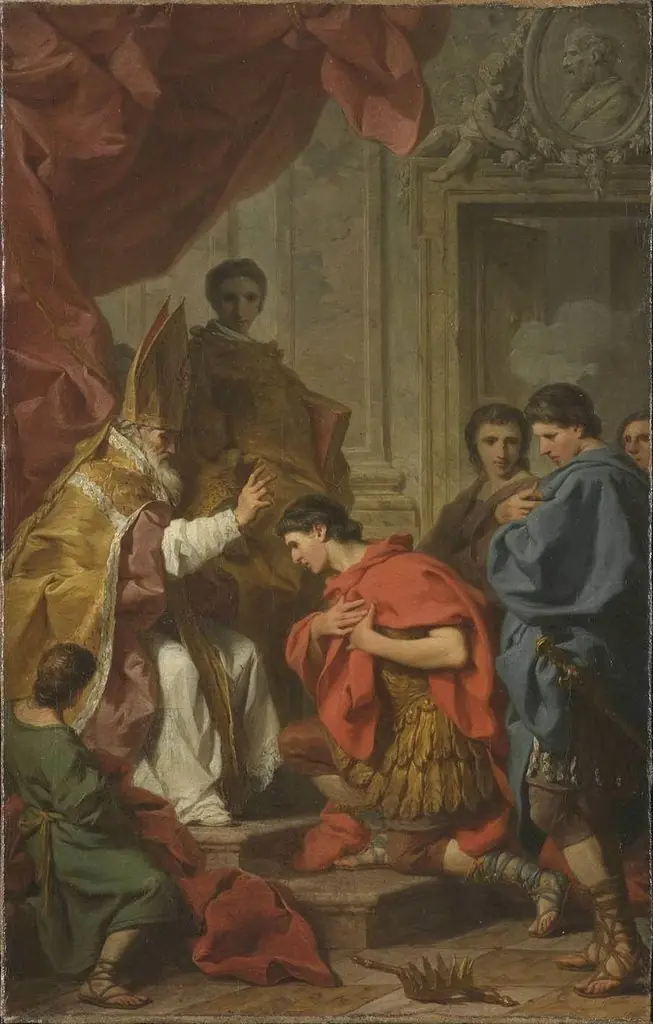 Kaiser Theodosius vor dem hl. Ambrosius
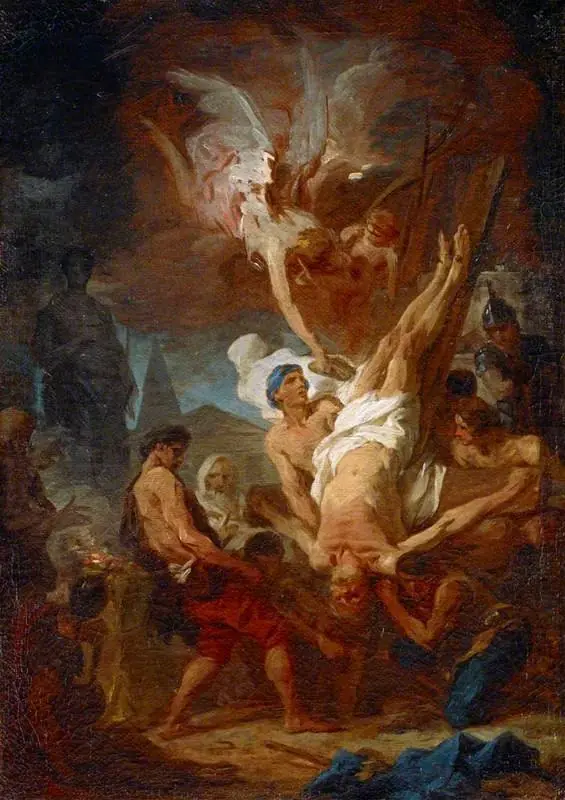 The Crucifixion of Saint Peter
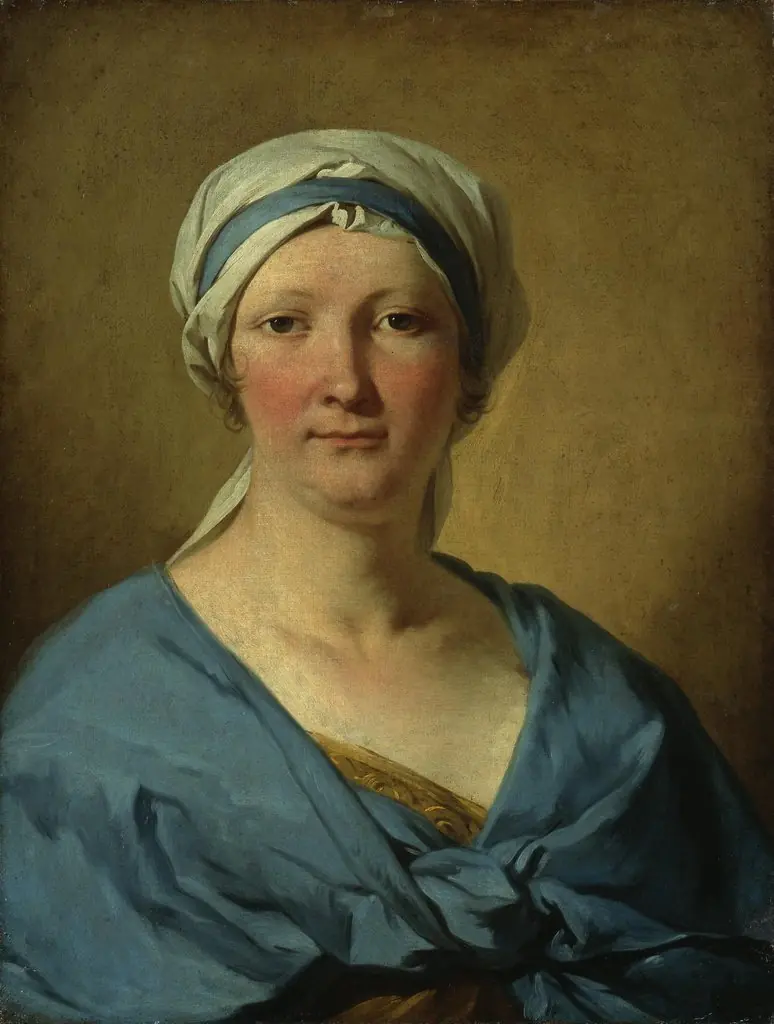 Portrait of a Woman
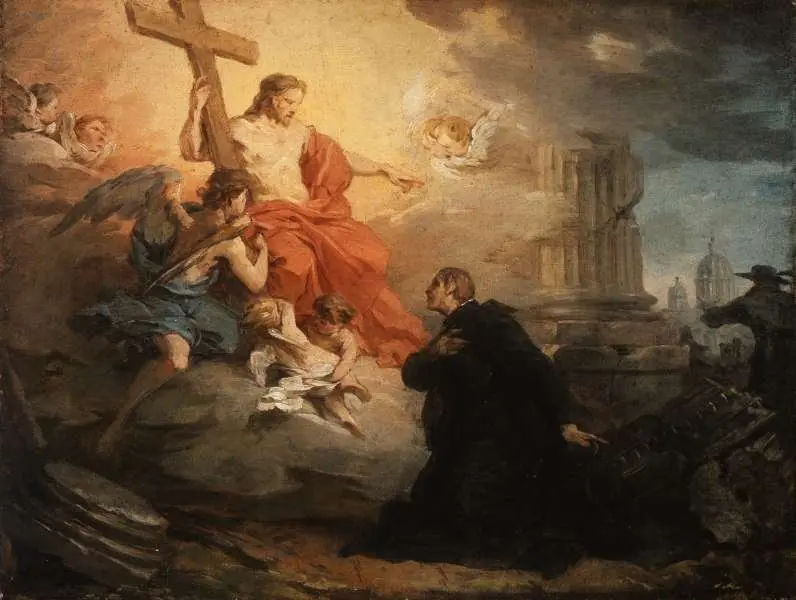 The Vision St. Ignatius of Loyola