Artwork
Portrait of Grand Duchess Elena Pavlovna
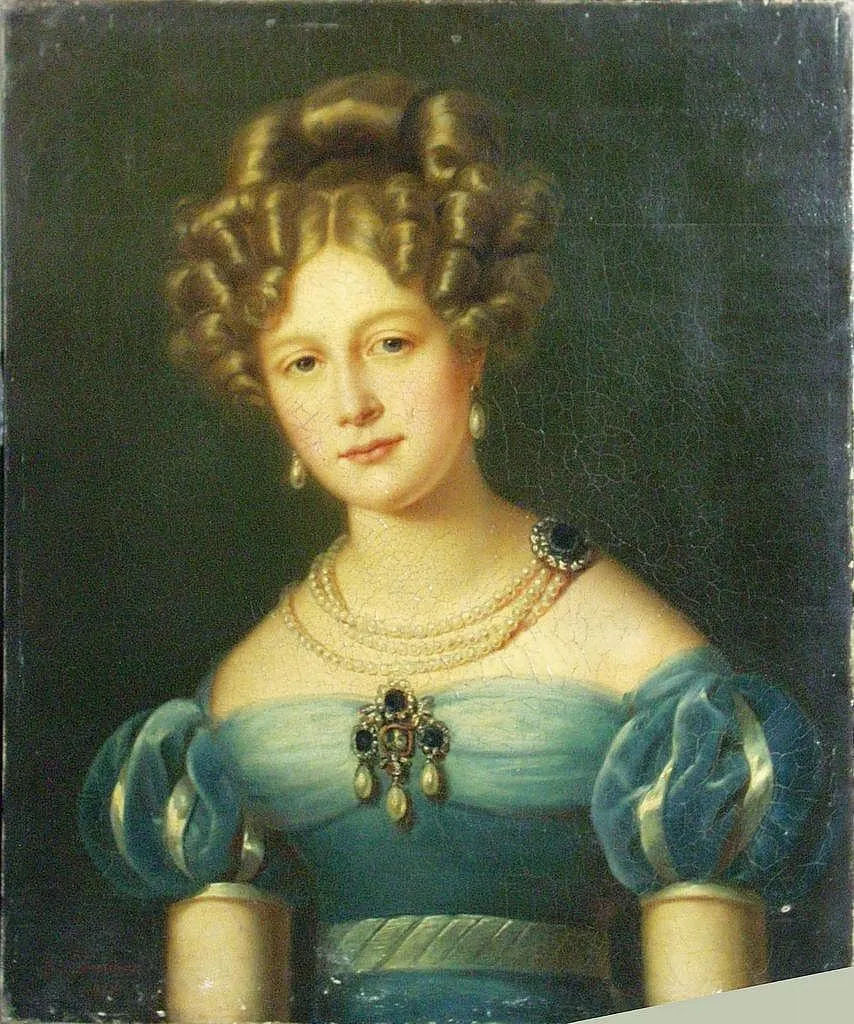
Portrait of Grand Duchess Elena Pavlovna is an oil painting by Sophie Chéradame. It dates from 1824 and is held in the collection of the Hermitage Museum.
About this work
Overview
It presents a formal yet intimate depiction of a Russian imperial figure, rendered with attention to textile detail and subtle lighting.
Painted in 1824 by Sophie Chéradame, this oil portrait captures Grand Duchess Elena Pavlovna, born Princess Charlotte of Württemberg. The work is part of the State Hermitage Museum’s collection in Saint Petersburg. It presents a formal yet intimate depiction of a Russian imperial figure, rendered with attention to textile detail and subtle lighting. The composition avoids elaborate settings, directing focus entirely to the sitter’s presence and attire.
Subject & Meaning
Elena Pavlovna, daughter of the King of Württemberg and wife of Grand Duke Michael Pavlovich, is portrayed in the early years of her life in the Russian court. Her dignified posture and restrained expression reflect the expected decorum of imperial women. The pearls and brooch signify status, while the softness of her gaze and the gentle curve of her smile suggest a personal warmth, balancing the formality of her position with a sense of individuality.
Technique & Style
Chéradame employs delicate brushwork to render the textures of silk, lace, and pearls, using layered glazes to achieve luminosity on the sitter’s skin. The lighting is carefully modulated to create a soft, even glow across the face and upper body, enhancing the smoothness of the complexion. The dark, unadorned background isolates the figure, a common approach in early 19th-century portraiture to emphasize the subject’s elegance and presence.
History & Provenance
The portrait was commissioned shortly after Elena Pavlovna’s marriage into the Russian imperial family, likely to affirm her new status. It entered the Hermitage collection in the 19th century, possibly through imperial acquisition. Its continuous presence in the museum’s holdings suggests it was valued as a record of courtly identity, though it remained less prominent than works by more celebrated artists of the period.
Context
In the 1820s, Russian aristocratic portraiture often blended Western European styles with domestic expectations of modesty and refinement. Chéradame, a French-born artist active in Saint Petersburg, contributed to this trend by adapting Neoclassical conventions to depict imperial women with quiet authority. The painting reflects the cultural exchange between France and Russia during the post-Napoleonic era.
Legacy
While not widely reproduced or publicly celebrated, the portrait remains a documented example of female artistic practice in imperial Russia and a visual record of a lesser-known grand duchess. It contributes to scholarly understanding of how non-Russian women were visually integrated into the Romanov court. Its preservation in the Hermitage ensures its continued role as a historical artifact rather than a decorative object.
Artist & collection

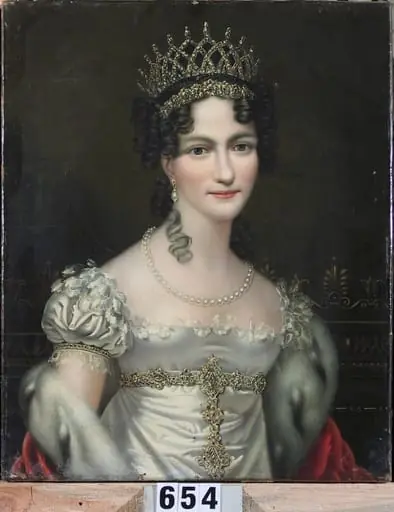 Carolina Augusta, soția împăratului austriac Franz I
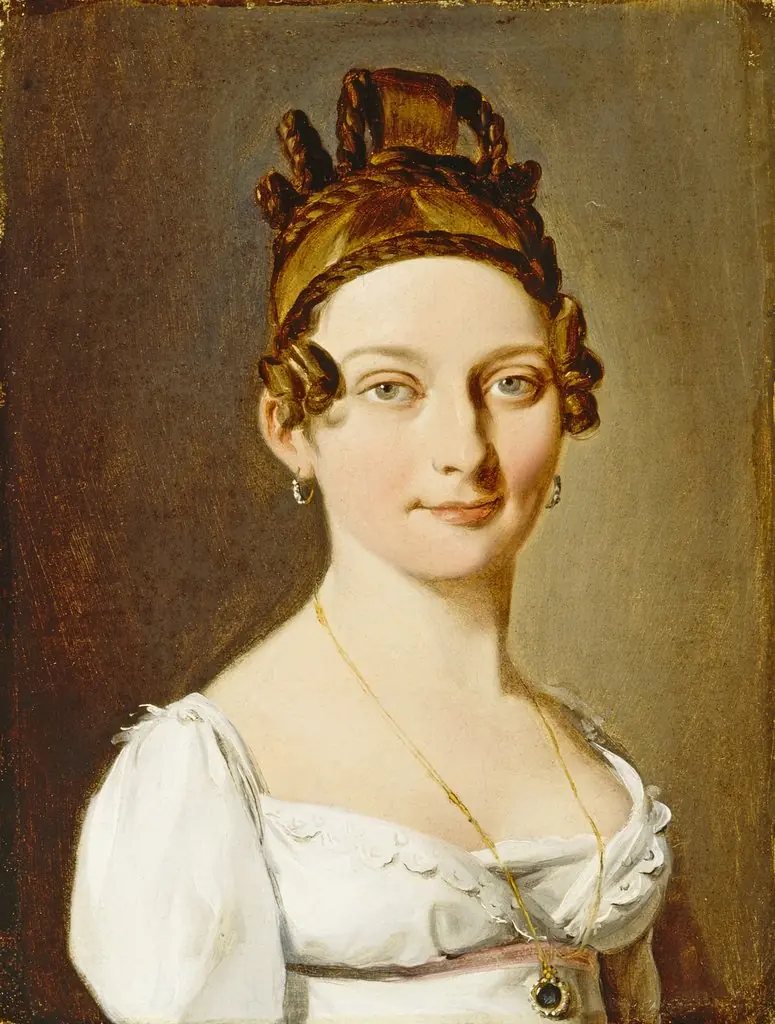 Portrait of a Lady
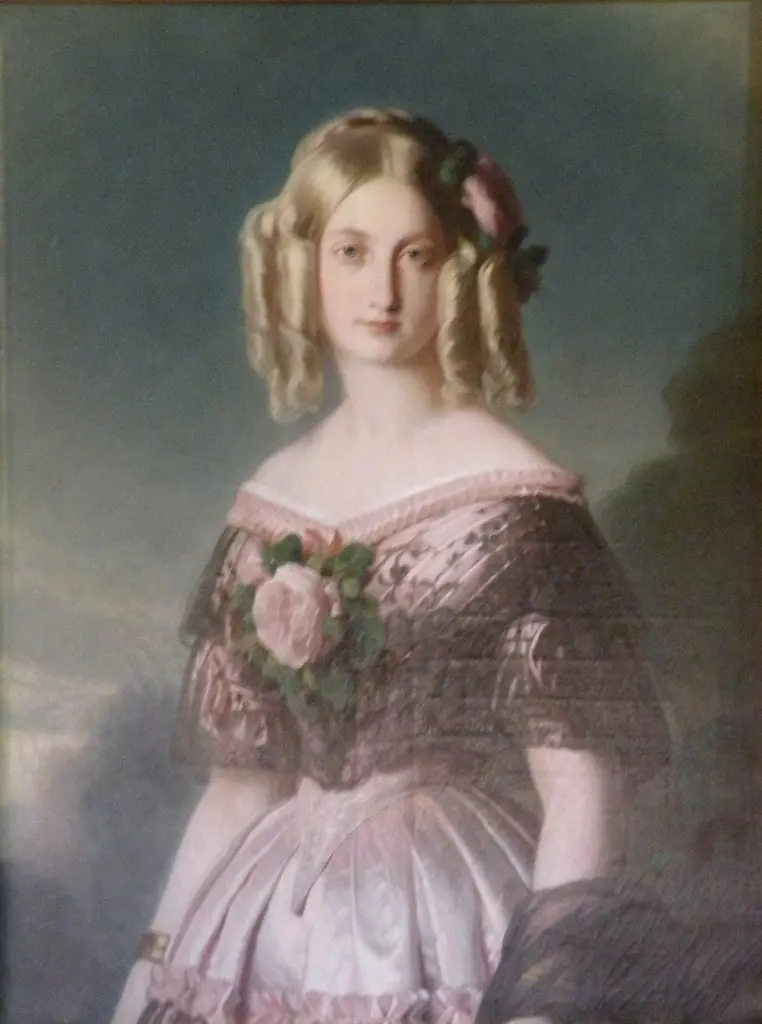 Marie-Caroline-Auguste de Bourbon-Salerne, Duchess of Aumale
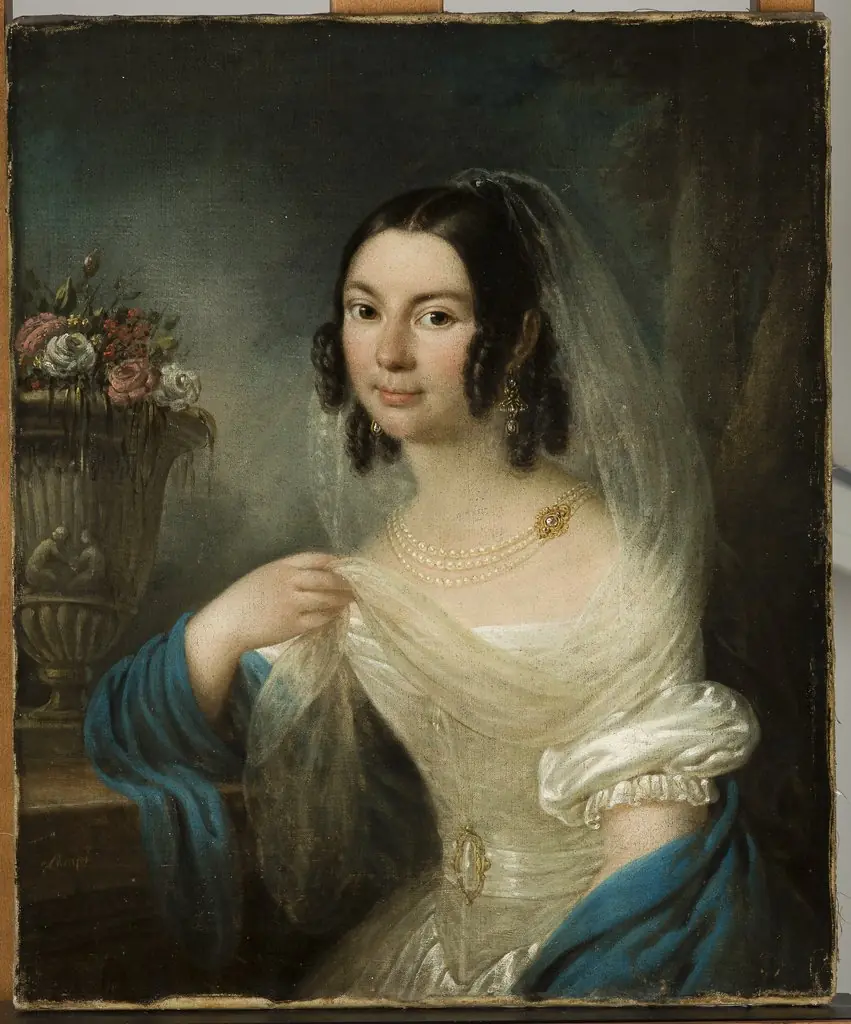 Portrait of Senator Chądzyński's Wife
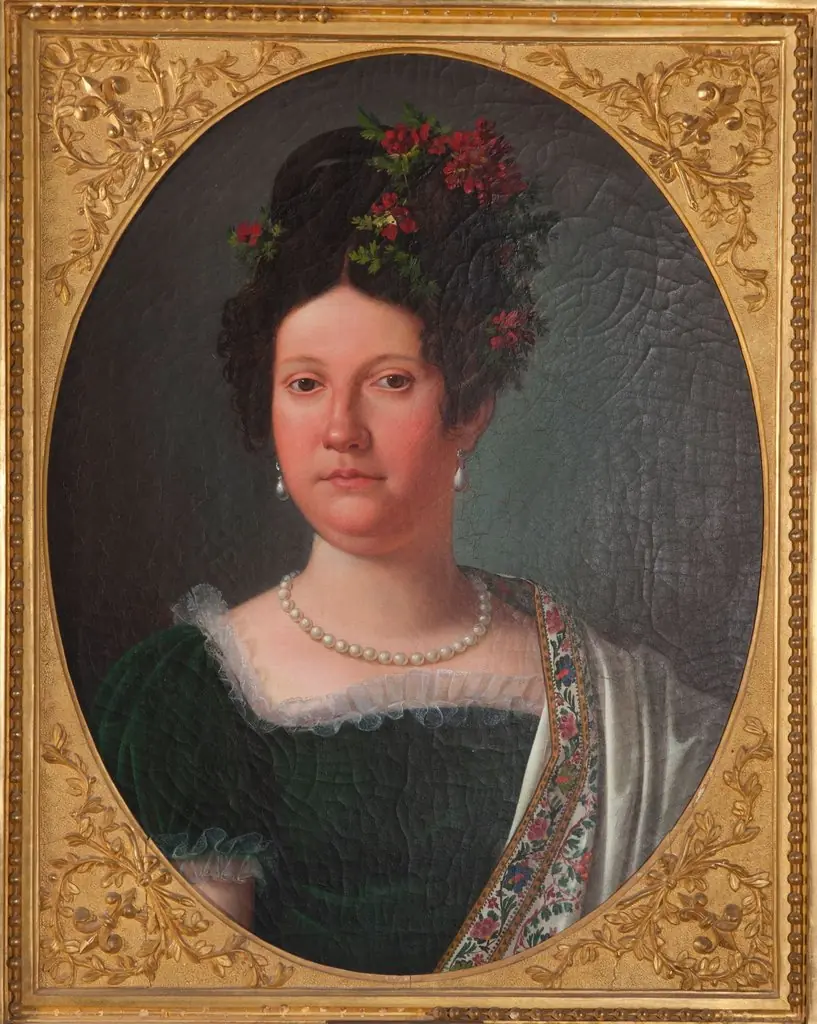 Portrait of María Isabella of Spain (1789-1848), Gueen of the Two Sicilies
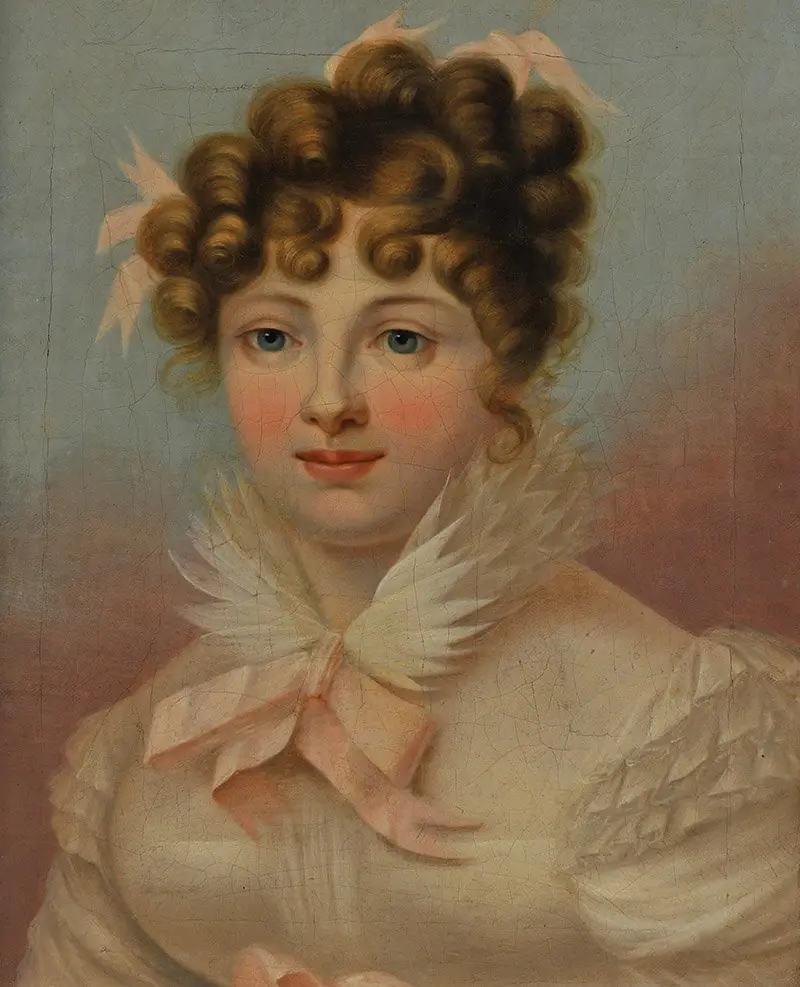 Portrait de Catherine Pavlovna Romanova
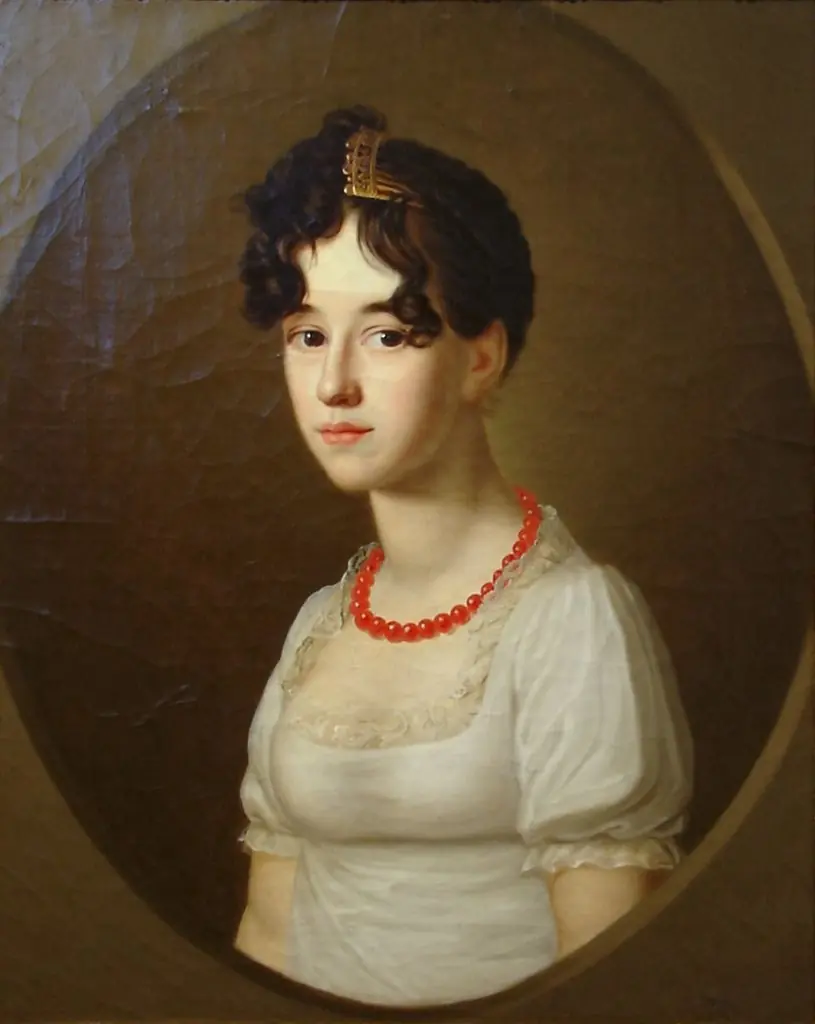 Portrait of Konstanzia Nákó
 Portret de femeie în alb
 Maria Amalia of Saxony, Queen of Spain
 Portrait of Jacoba van Wessem, Wife of Lord Stumphius, Burgomaster of Beverwijk