Artwork
Madonna and Child
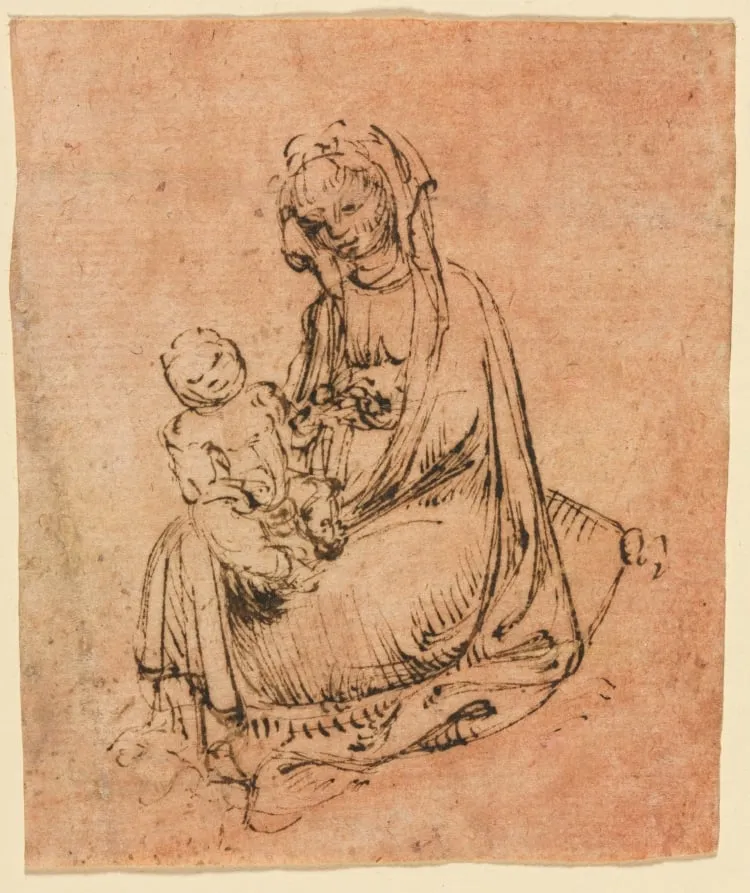
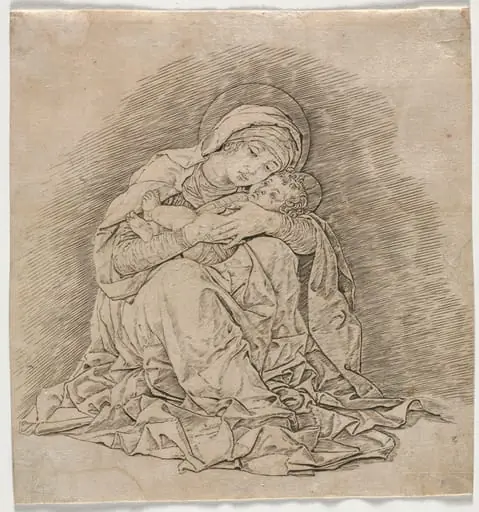
Madonna and Child is a drawing by the Renaissance artist Stefano da Verona. It dates from 1445 and is held in the collection of the Cleveland Museum of Art. Created around 1445 by Stefano da Zevio, this drawing depicts the Virgin Mary with the infant Jesus.
About this work
Overview
Though executed in ink or chalk on paper, its focus on form and gesture suggests it was intended as a study rather than a finished work.
Created around 1445 by Stefano da Zevio, this drawing depicts the Virgin Mary with the infant Jesus. Executed in a sketch-like manner with minimal background, it reflects the preparatory practices of early Renaissance workshops. Though executed in ink or chalk on paper, its focus on form and gesture suggests it was intended as a study rather than a finished work. The piece resides in the collection of The Cleveland Museum of Art.
Subject & Meaning
The composition centers on a quiet, introspective moment between mother and child. Mary’s averted gaze and relaxed posture convey contemplation rather than direct engagement, a subtle departure from more devotional portrayals. The child’s reaching gesture introduces a sense of movement and tenderness, grounding the sacred subject in human intimacy. The absence of symbolic attributes like halos or thrones emphasizes emotional resonance over doctrinal display.
Technique & Style
Stefano employed loose, economical lines to suggest volume and weight, avoiding detailed modeling or shading. The roughness of the strokes and the lack of a defined setting align with workshop practices of the time, where artists refined figure studies before committing to painted panels. His approach echoes the linear clarity of Michelino da Besozzo, indicating exposure to Lombard and Paduan artistic circles during his formative years.
History & Provenance
Stefano da Zevio, born to French painter Jean d'Arbois, trained in the Visconti court at Pavia before moving to Padua and later settling in Verona. His career spanned regional centers of artistic activity in northern Italy. While few of his works survive, this drawing is among the few attributed to him with confidence. It entered The Cleveland Museum of Art’s collection through documented acquisition, preserving its place in the regional artistic record.
Context
In mid-15th century northern Italy, drawing served as a vital tool for training and composition. Artists like Stefano used quick studies to explore posture, drapery, and expression before executing panel paintings. This drawing reflects the transition from late Gothic conventions to early Renaissance naturalism, where observation of the human form began to supersede stylized iconography, even in devotional subjects.
Legacy
Though Stefano da Zevio’s broader oeuvre is limited, this drawing offers insight into the working methods of minor but influential regional artists. Its survival underscores the value placed on preparatory sketches in Renaissance studios. As a rare example of his hand, it contributes to understanding the diffusion of stylistic trends between Lombardy, Padua, and Verona during the early Renaissance.
Artist & collection
Artist
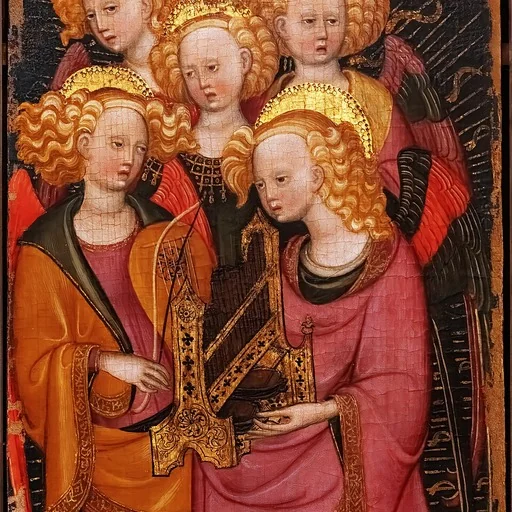
Stefano da Verona (or da Zevio; c. 1379 – c. 1438) was an Italian painter who was active in Verona. He was the son of the French painter Jean d'Arbois, who had come to Italy at the court for Gian Galeazzo Visconti after…

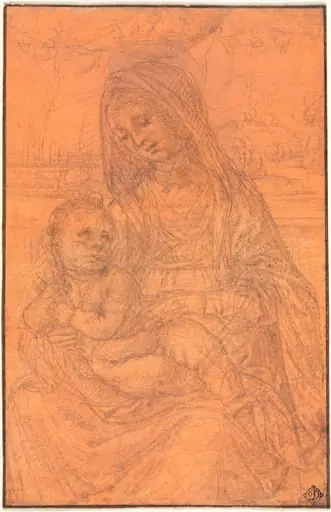 The Virgin and Child
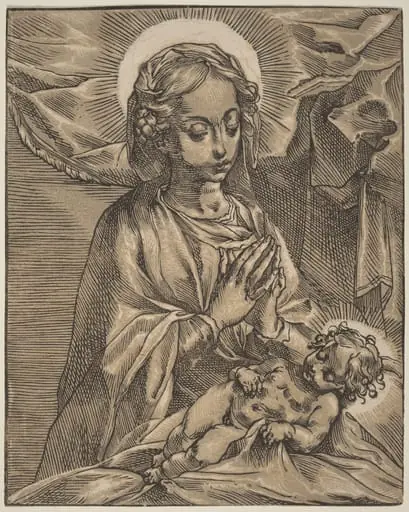 Madonna and Child
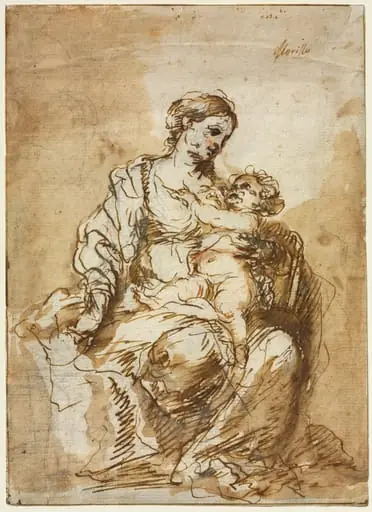 Madonna Nursing the Christ Child
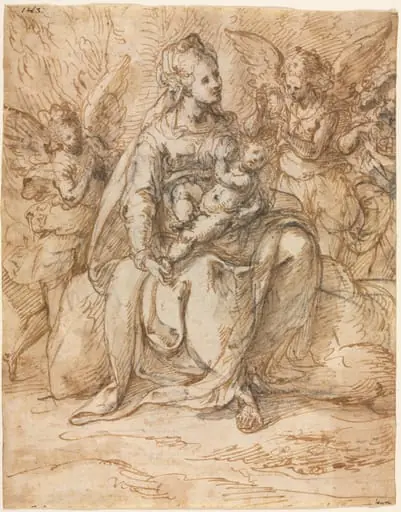 Madonna and Child with Angels
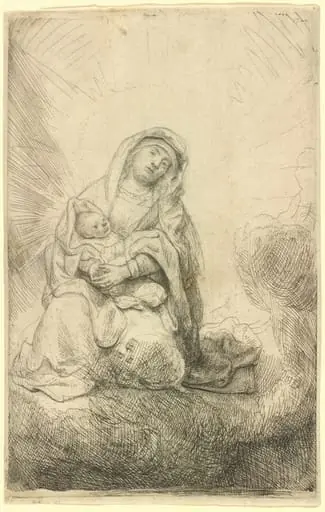 Virgin and Child in the Clouds
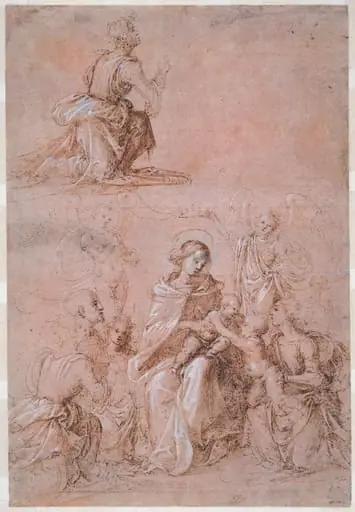 The Virgin and Child Surrounded by Saints and Angels
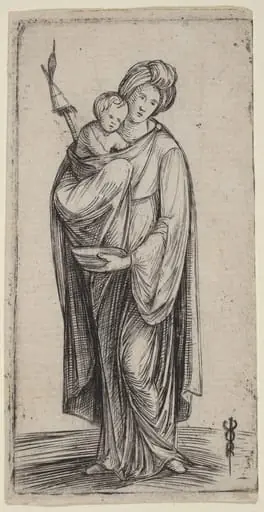 Woman and Child with Distaff
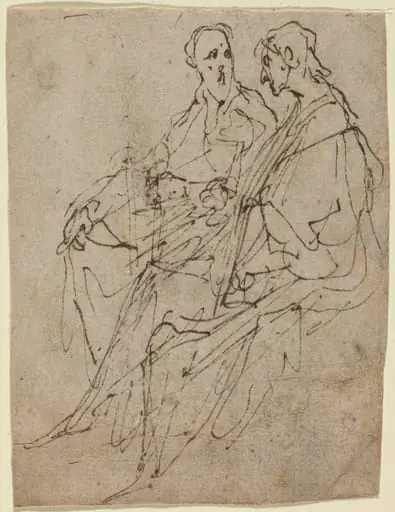 Two Seated Male Figures
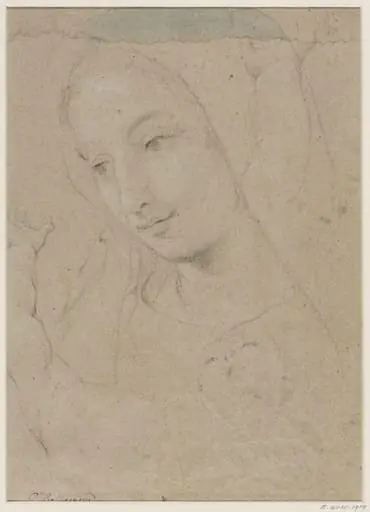 Head of a young woman
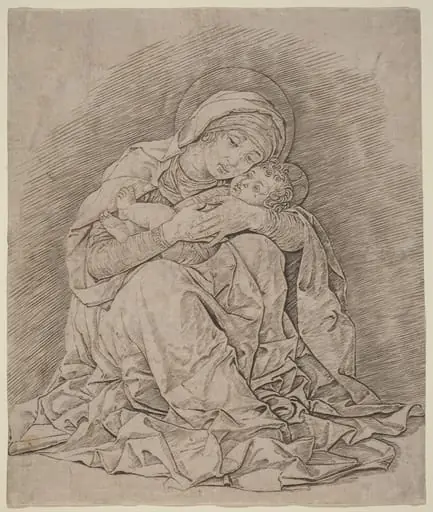 The Virgin and Child
 Virgin and Child
 The Virgin and Child on a Grassy Bench