Artwork
Prințul Friedrich Wilhelm von Hohenlohe, general
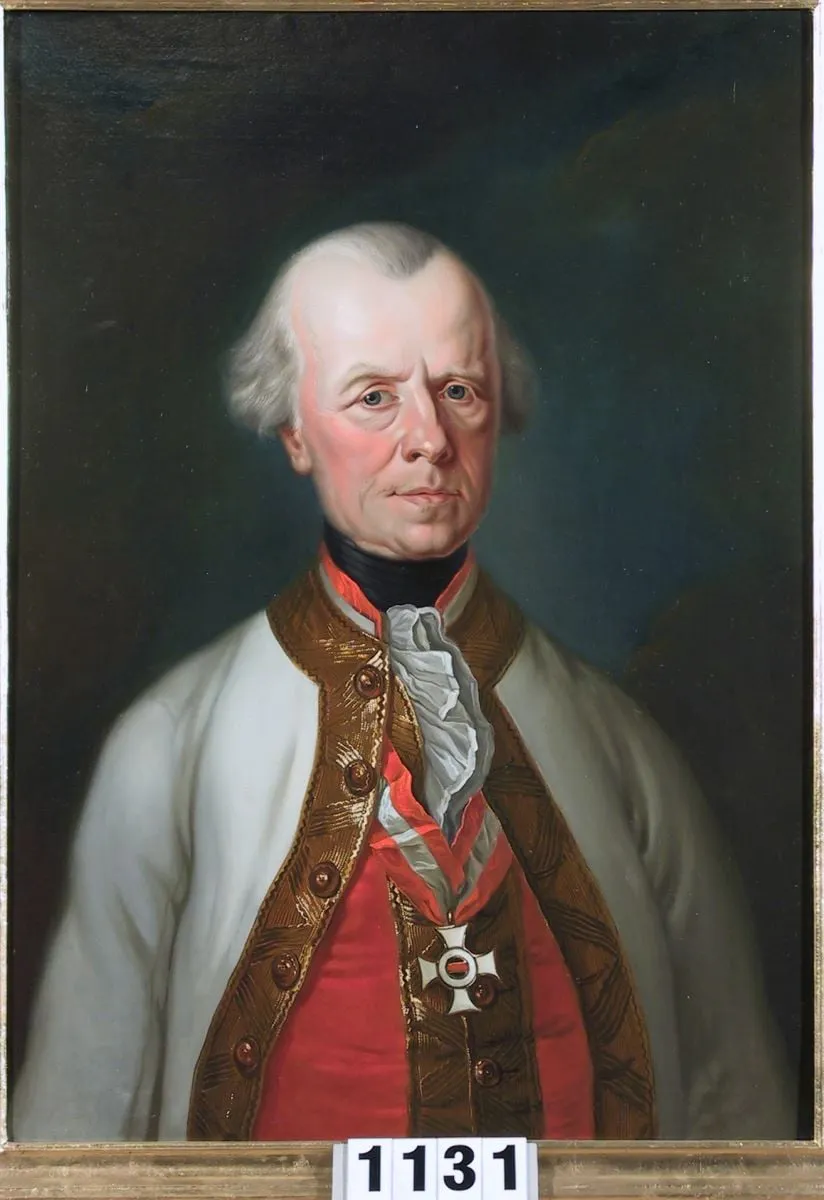
Prințul Friedrich Wilhelm von Hohenlohe, general is an unspecified painting by the Baroque artist Johann Martin Stock. It is held in the collection of the Brukenthal National Museum.
About this work
Overview
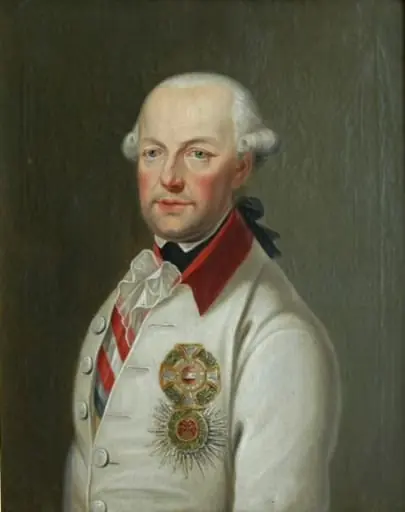
This portrait depicts Friedrich Wilhelm von Hohenlohe, a Prussian general, rendered in oil on canvas by Johann Martin Stock.
This portrait depicts Friedrich Wilhelm von Hohenlohe, a Prussian general, rendered in oil on canvas by Johann Martin Stock. The composition centers on the subject’s dignified bearing, with minimal background distraction. His attire and accessories signal his military status and noble rank, while the lighting emphasizes his aged features and composed expression, typical of late 18th-century portraiture.
Subject & Meaning
Friedrich Wilhelm von Hohenlohe is portrayed not as a battlefield commander but as a statesman of the military elite. The silver cross on its ribbon suggests recognition for service, possibly from a chivalric order. The powdered wig and formal cravat reflect aristocratic conventions of the era, conveying authority through decorum rather than action, aligning with the era’s ideal of the refined officer.
Technique & Style
Johann Martin Stock employs subtle chiaroscuro to model the general’s face and shoulders, drawing attention to his expression without theatricality. The textures of the uniform—gold braid, dark wool, and crisp linen—are rendered with quiet precision. The dark, neutral background isolates the figure, reinforcing the portrait’s focus on personal presence rather than narrative context.
History & Provenance
The painting was likely commissioned during Hohenlohe’s active service in the late 1700s, a period when Prussian officers were frequently portrayed to affirm their status. It remained in private collections within German noble circles before entering institutional hands. Attribution to Stock is supported by stylistic parallels in his documented works from the same period.
Context
In late 18th-century Prussia, military leaders were often depicted in formal attire to underscore their role in state structure. Portraits like this served both personal and political functions—reinforcing hierarchy and loyalty. Stock, active in court circles, was one of several artists tasked with documenting the faces of the officer class during a time of military reform and expansion.
Legacy
The portrait endures as a representative example of aristocratic military portraiture in the German states. It reflects the visual language of authority before the rise of romanticized war imagery. Though not widely exhibited, it contributes to scholarly understanding of how rank and identity were visually codified in Enlightenment-era Prussia.
Artist & collection
Artist
A late-18th-century Austrian painter, Johann Martin Stock made bold, folksy portraits and still lifes in oils, plus a few prints.

 Împăratul Leopold al II-lea
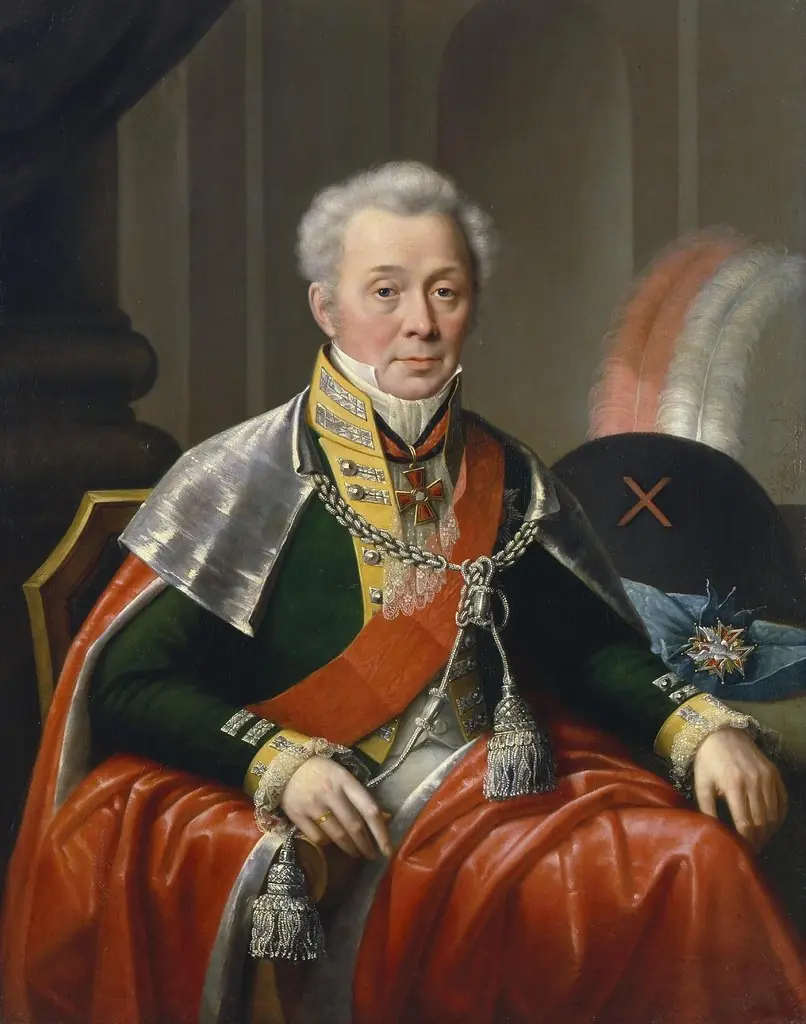 Portrait of Senator Piotr Myatlev
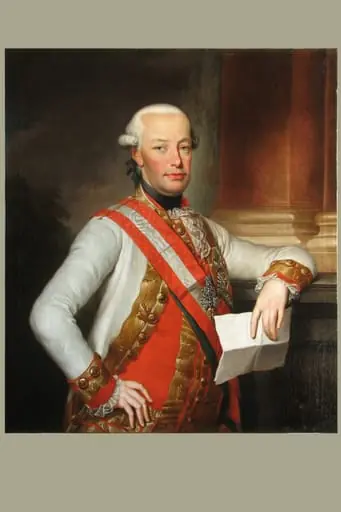 Împăratul Leopold II, Mare Duce de Toscana (în Registrul inventar: )
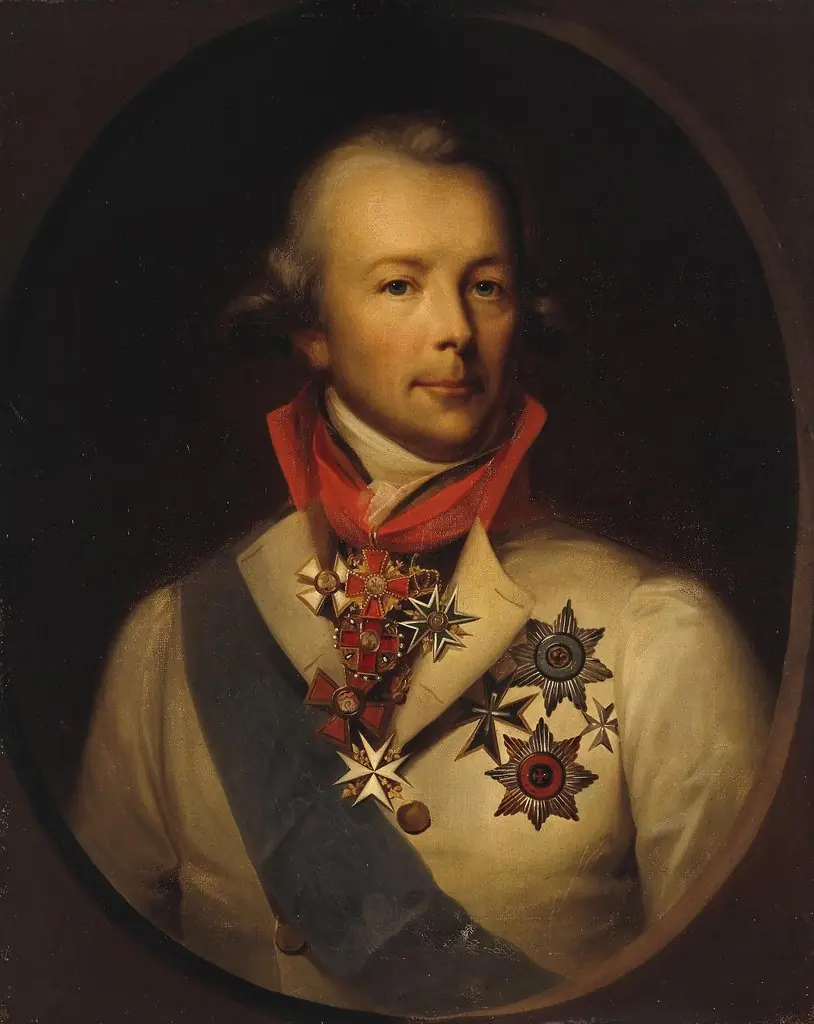 Portrait of Count Piotr Palen
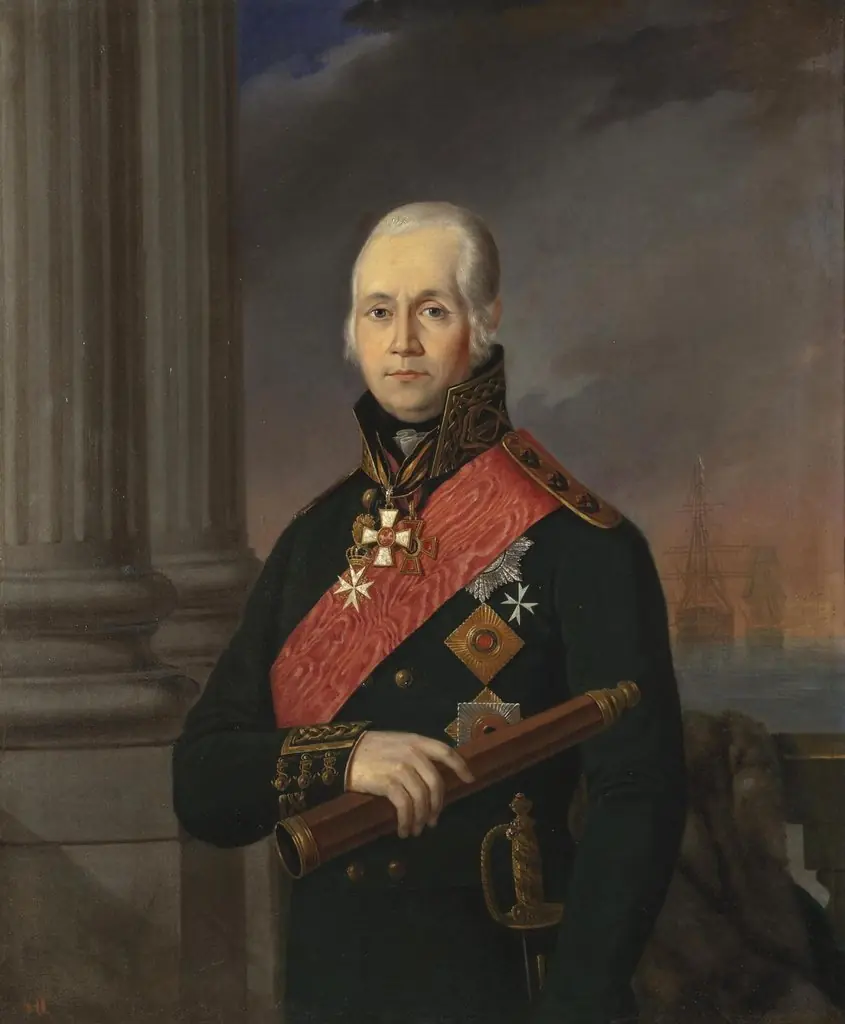 Portrait of Admiral F.F.Ushakov
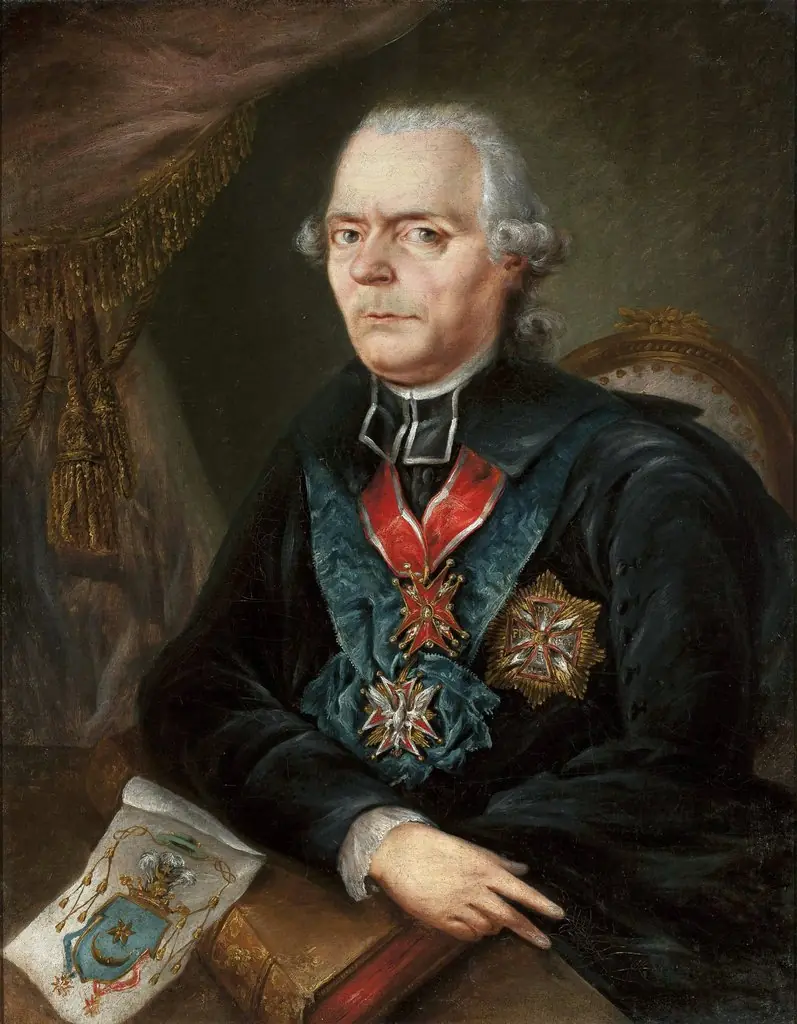 Portrait of Mikołaj Tyszkiewicz, Leliwa coat of arms (?–1796 or 1798), canon in Vilnius
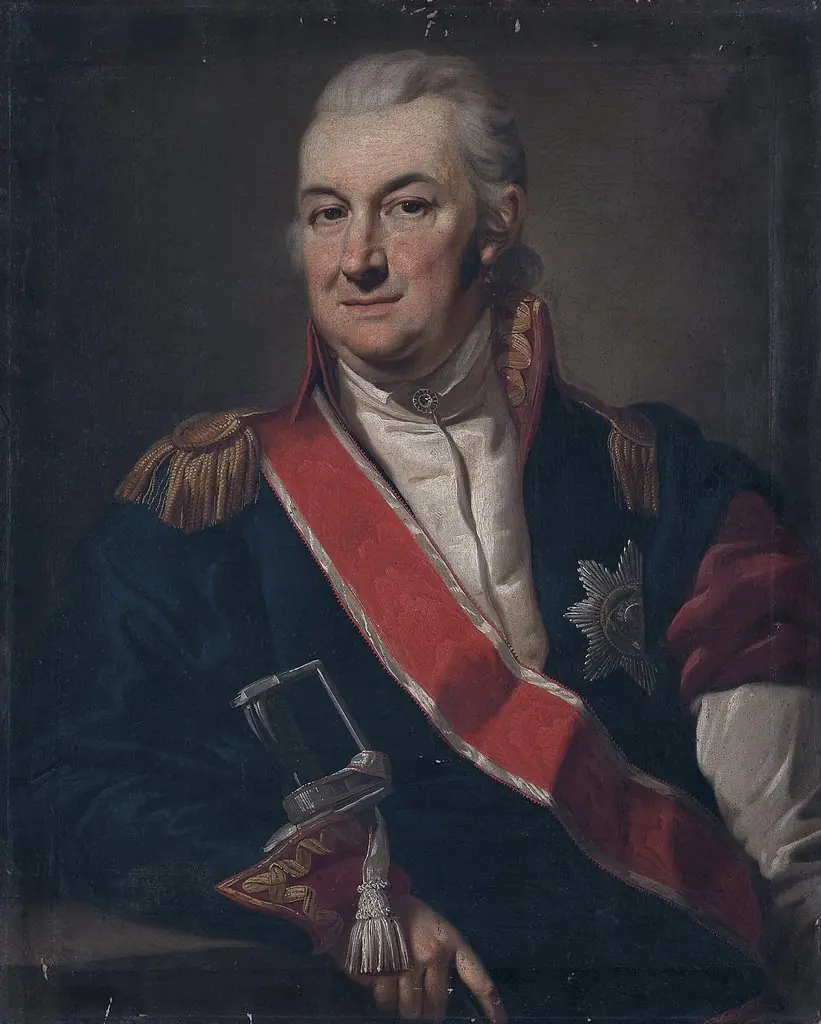 Portrait of general Mikołaj Morawski
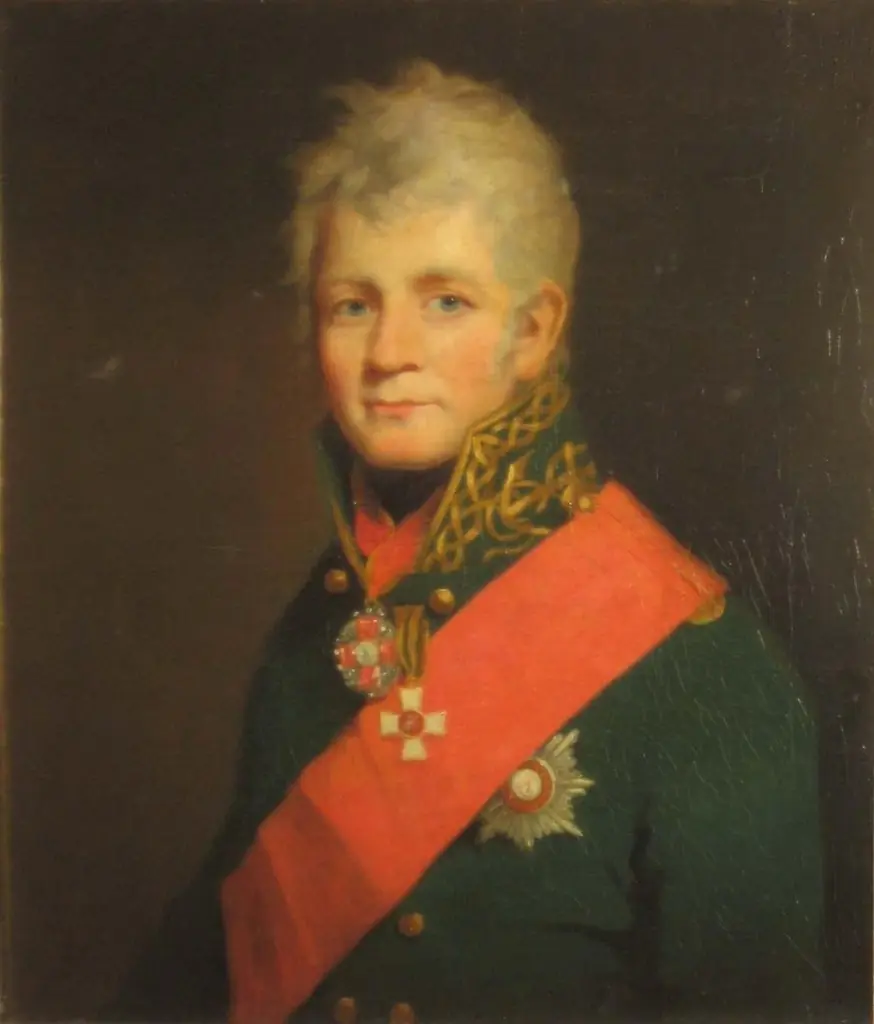 "Portrait of Admiral Pavel Chichagov" (copy)
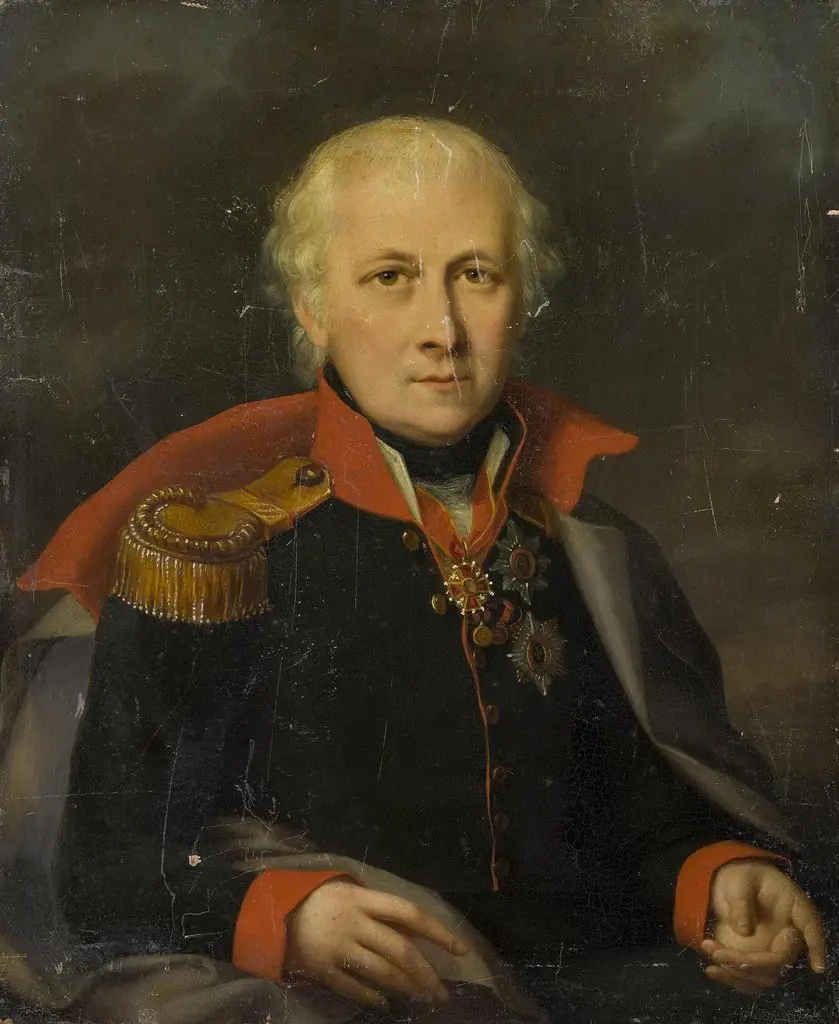 Portrait of Nikolai Mordvinov (?)
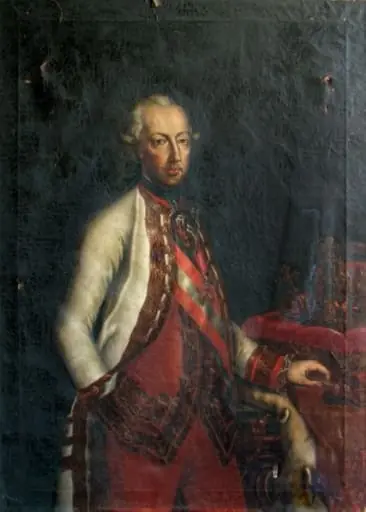 Împăratul Iosif al II-lea
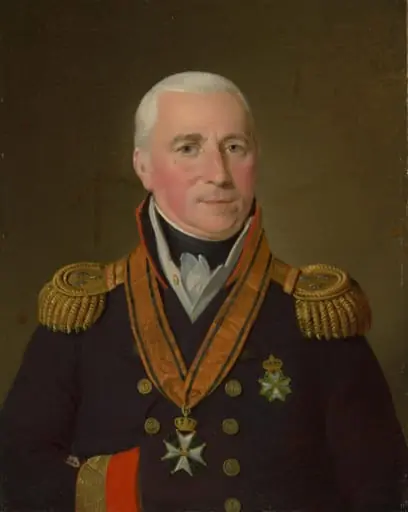 Portrait of Gerrit Verdooren (1757-1824), Vice-admiral