Artwork
H Beard Print Collection
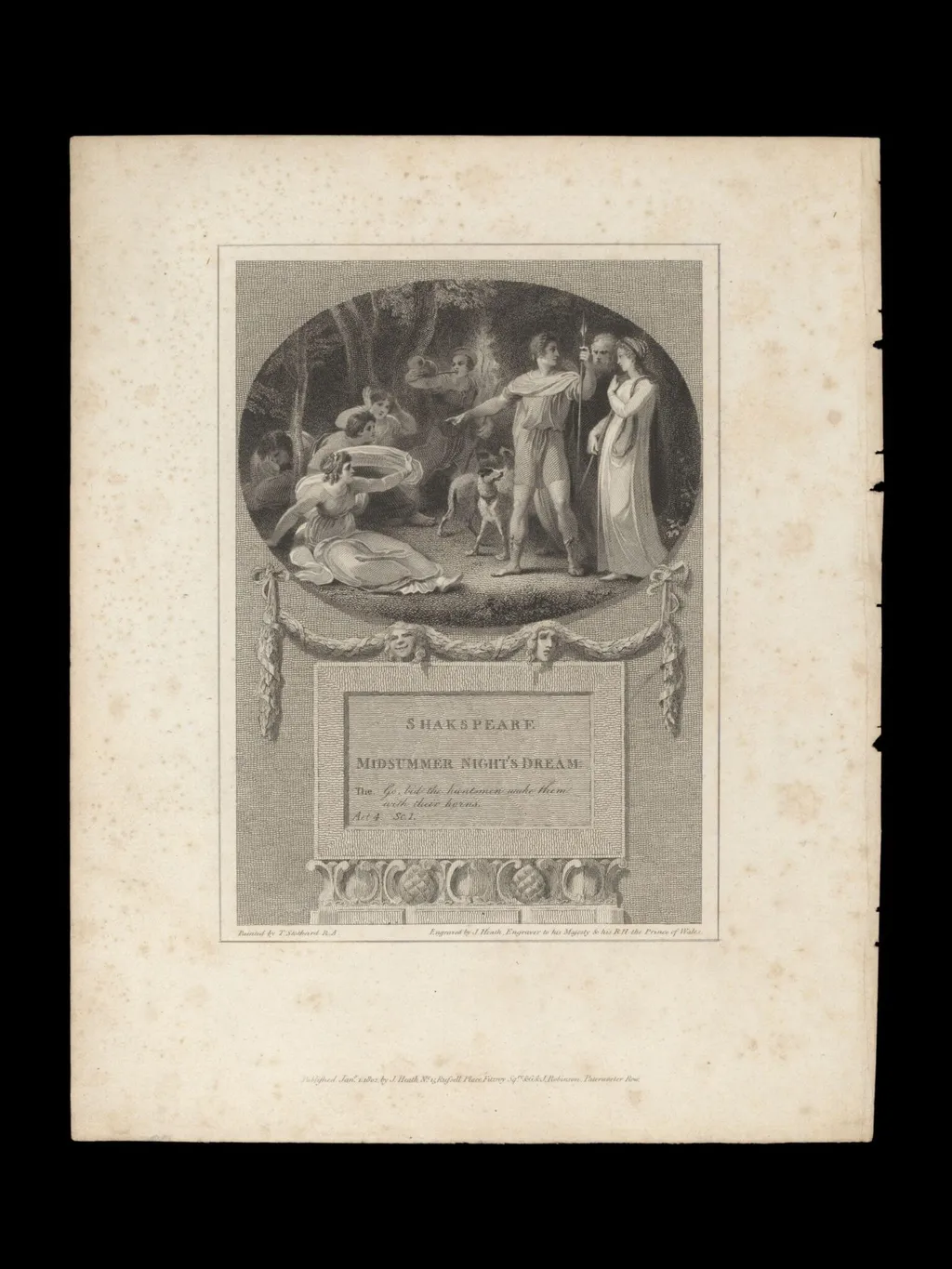
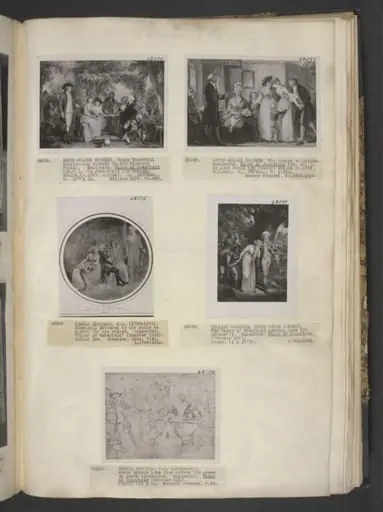
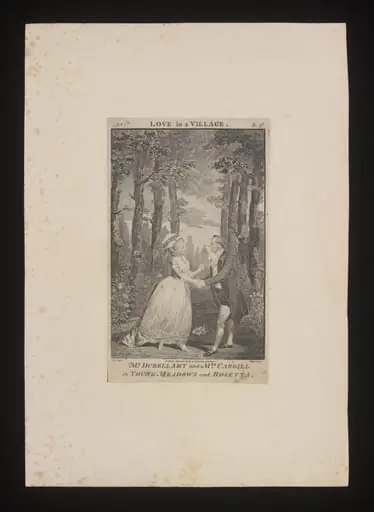
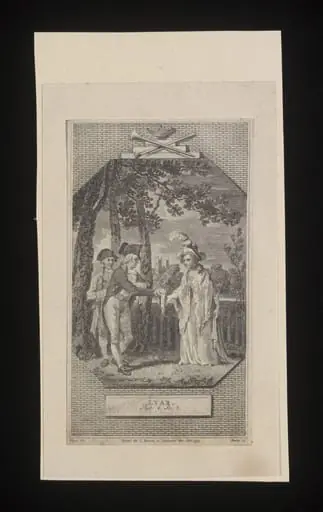
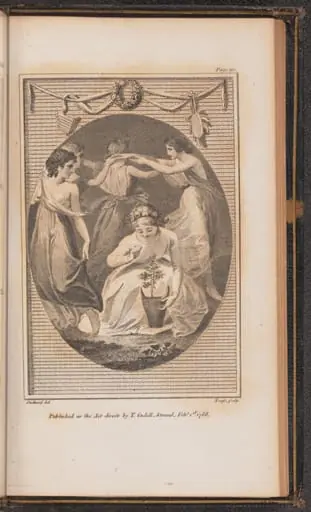
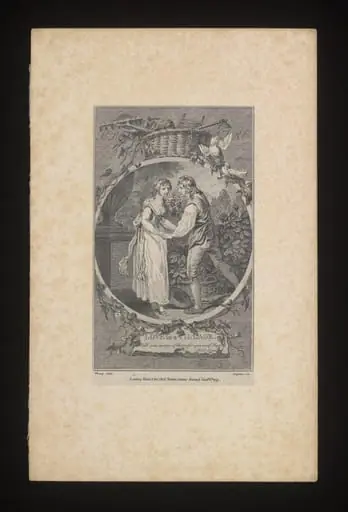
H Beard Print Collection is a print by the Romanticist artist Thomas RA Stothard. It dates from 1 and is held in the collection of the Victoria and Albert Museum. A print from the H.
About this work
Overview
The work reproduces a stage moment for domestic audiences, reflecting the era’s fascination with Shakespearean drama as both literature and spectacle.
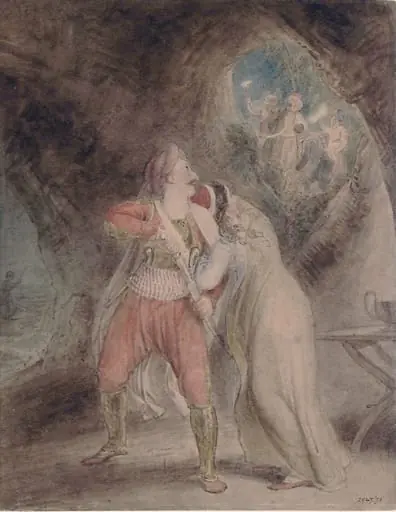
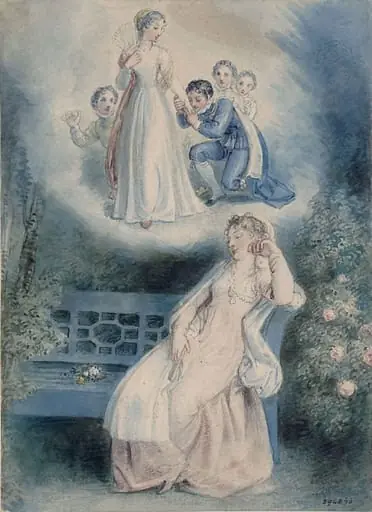
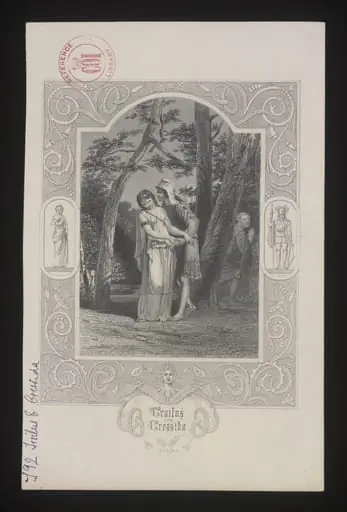
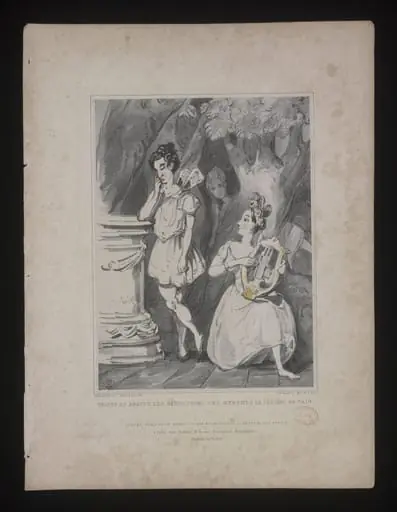
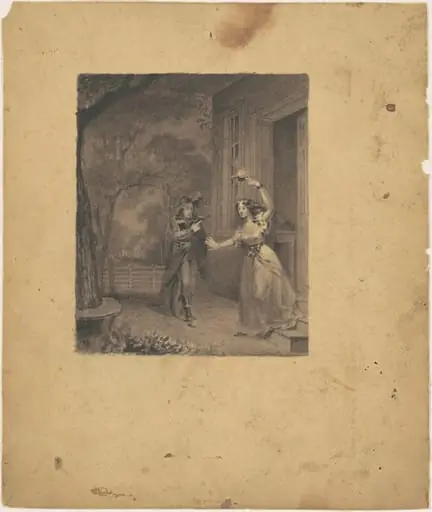
A print from the H. Beard collection captures a moment from Act IV, Scene 1 of Shakespeare’s A Midsummer Night’s Dream. Issued on January 1, 1802, by publisher J. Heath, it belongs to a wave of illustrated theatrical scenes popular in early 19th-century Britain. The work reproduces a stage moment for domestic audiences, reflecting the era’s fascination with Shakespearean drama as both literature and spectacle.
Subject & Meaning
The scene portrays the resolution of the fairy-induced chaos: the lovers awaken, confused but reconciled, while Oberon and Titania restore order. Puck, often shown lurking nearby, embodies the mischievous force behind the transformations. The imagery underscores themes of illusion, reconciliation, and the fragile boundary between dream and reality—central to Shakespeare’s comedy and its theatrical interpretation.
Technique & Style
Executed as a line engraving, the print uses fine, controlled strokes to delineate figures and drapery. Background elements are minimized to focus attention on the central group, typical of theatrical illustrations of the period. The composition follows stage conventions, with characters arranged for clarity and narrative legibility rather than naturalistic depth, prioritizing storytelling over atmospheric detail.
History & Provenance
Produced by J. Heath, a London-based publisher known for theatrical prints, the work was part of a broader effort to make Shakespeare accessible through affordable imagery. It entered the H. Beard collection, a significant assemblage of Shakespearean visual materials compiled in the 19th century. The print’s survival reflects its role in popularizing Shakespeare beyond the stage.
Context
In 1802, Shakespeare’s plays were central to British cultural identity, with frequent stage revivals and illustrated editions. Prints like this served as souvenirs and educational tools, allowing middle-class households to engage with drama visually. The timing coincides with a rise in print culture and the expansion of literacy, making theatrical imagery a common feature in domestic interiors.
Legacy
This print contributes to a tradition of Shakespearean illustration that influenced later artists and publishers. Though not widely attributed to a named artist, its existence demonstrates how stage performances were codified and disseminated through print. It remains a tangible artifact of how 19th-century audiences visualized and internalized Shakespeare’s narratives.
Artist & collection
Artist
Thomas Stothard painted scenes in watercolor and print, working in England during the late 1700s and early 1800s.