Artwork
Adam bearing the body of Abel
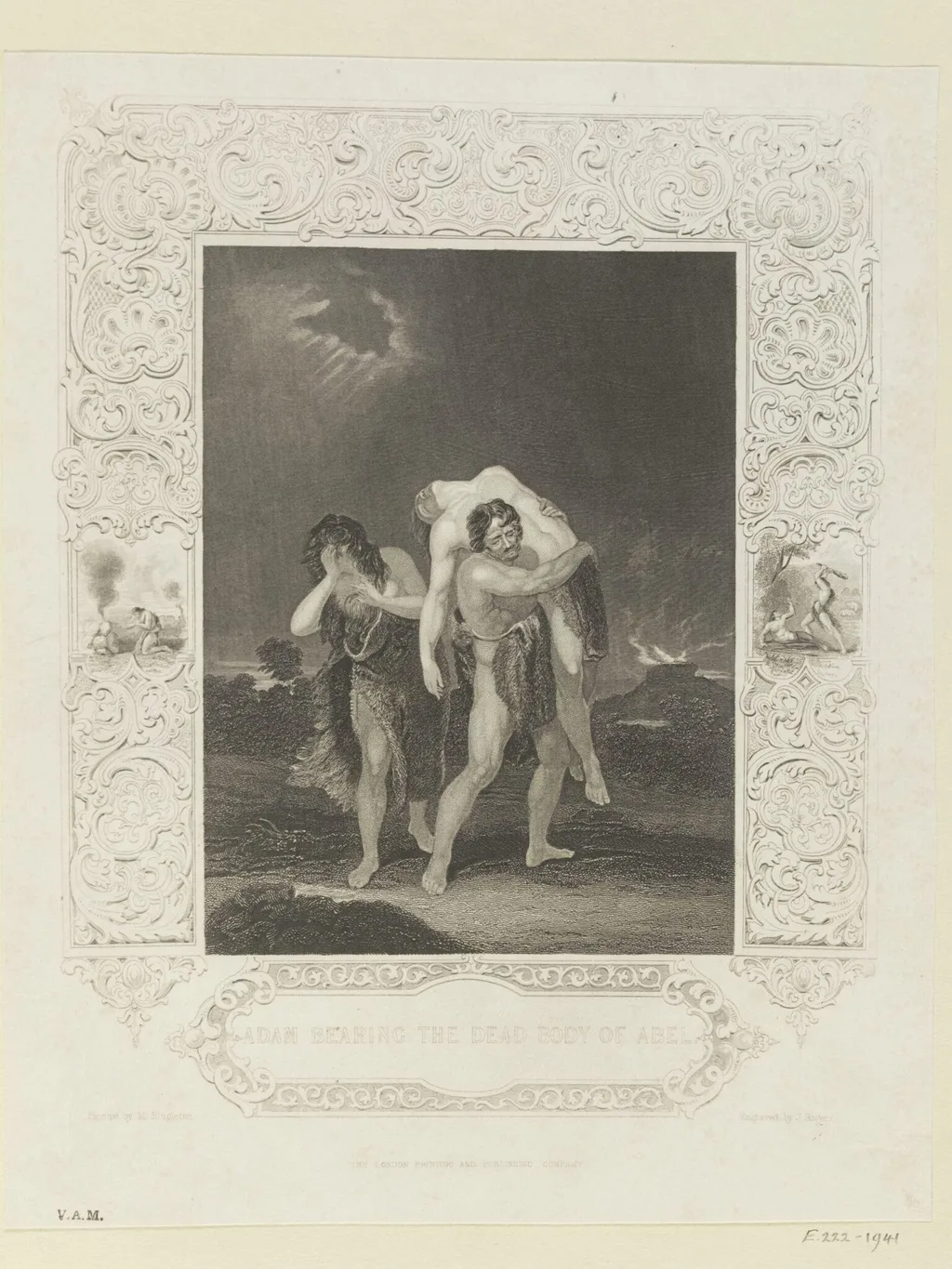
Adam bearing the body of Abel is a print by Henry Singleton. It is held in the collection of the Victoria and Albert Museum. An engraving portrays Adam carrying the dead body of Abel, illustrating the first murder in biblical tradition.
About this work
Overview
An engraving portrays Adam carrying the dead body of Abel, illustrating the first murder in biblical tradition. The composition centers on the father’s burdened figure, his posture conveying exhaustion and grief. The scene is set against a dim, wooded backdrop, with minimal detail to focus attention on the two figures and the emotional weight of their relationship.
Subject & Meaning
The image captures the aftermath of Cain’s fratricide, a moment of profound loss and divine judgment. Adam, as both father and survivor, bears the physical and moral weight of his son’s death. The absence of Cain underscores the tragedy’s isolation, emphasizing the rupture in human kinship and the onset of guilt and sorrow in the human condition.
Technique & Style
The artist employs chiaroscuro to model the figures with sharp contrasts between light and shadow, enhancing the three-dimensionality of the bodies and the emotional gravity of the scene. Fine, controlled lines define musculature and drapery, while the dark, indistinct background isolates the figures, reinforcing the mood of solitude and mourning.
History & Provenance
This engraving likely originates from the late Renaissance or early Baroque period, when biblical narratives were frequently rendered in print for devotional or educational use. Though the artist’s identity is unconfirmed, the style aligns with Northern European printmakers who adapted religious themes for private contemplation.
Context
In the centuries following the Reformation, images of biblical tragedy were used to reflect on sin, consequence, and human frailty. This scene would have resonated in households and religious communities as a visual meditation on the fall from innocence, echoing sermons on jealousy, violence, and divine retribution.
Legacy
The image contributes to a broader visual tradition of depicting biblical grief through intimate, human-scale moments. Its restrained composition and emotional restraint influenced later depictions of mourning in print, prioritizing psychological depth over dramatic spectacle.
Artist & collection

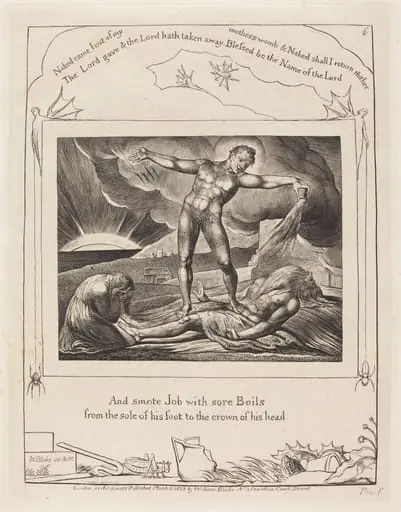 Satan Smiting Job with Boils
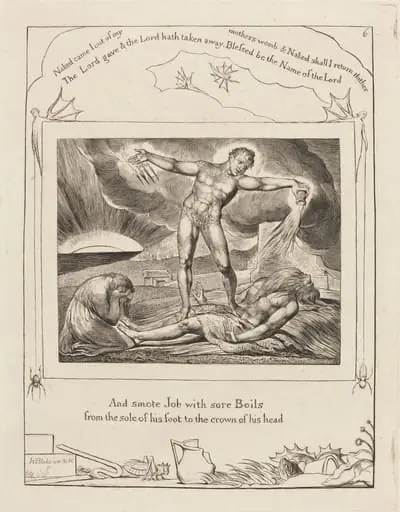 Satan Smiting Job with Boils
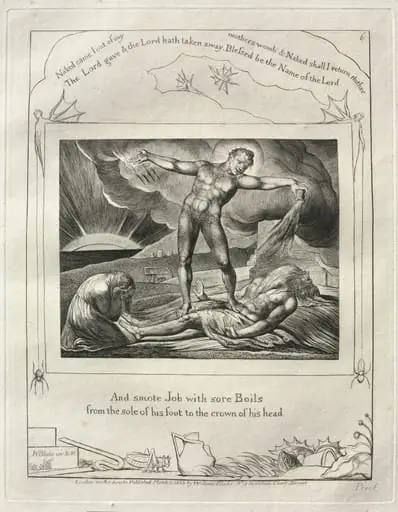 The Book of Job: Pl. 6, And smote Job with sore Boils
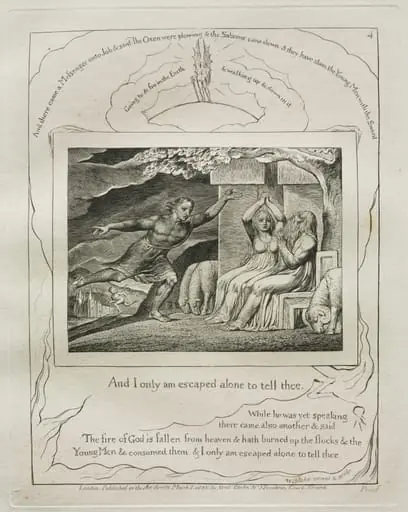 The Book of Job: Pl. 4, And I only am escaped alone to tell thee
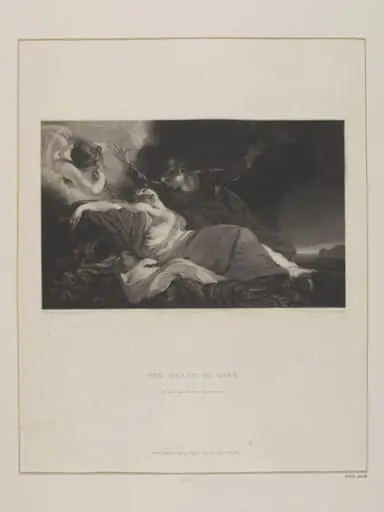 The Death of Dido
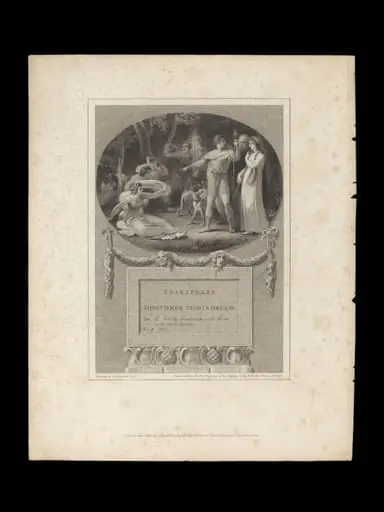 H Beard Print Collection
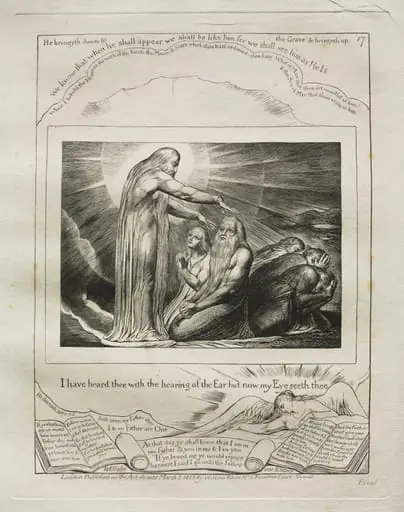 The Book of Job: Pl. 17, I have heard thee with the hearing of the Ear but now my Eye seeth thee
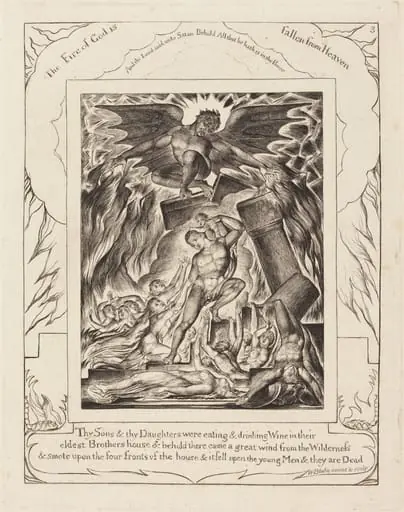 The Destruction of Job's Sons
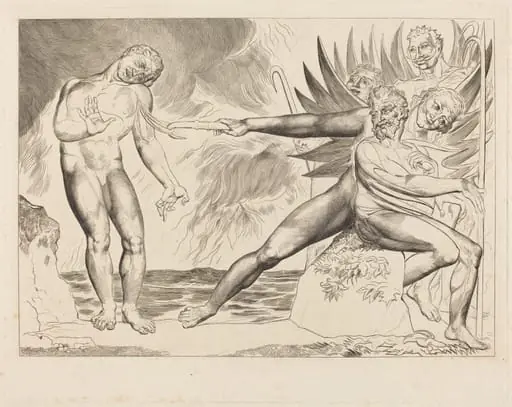 The Circle of the Corrupt Officials; the Devils Tormenting Ciampolo
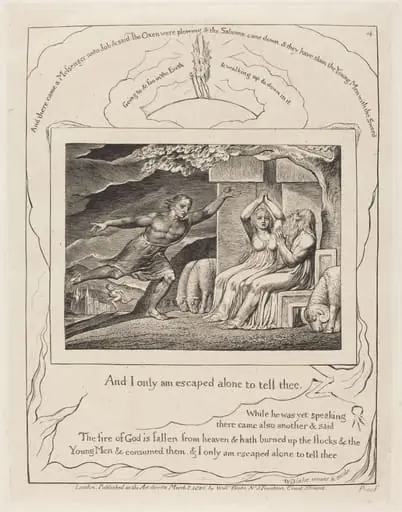 The Messengers Tell Job of His Misfortunes
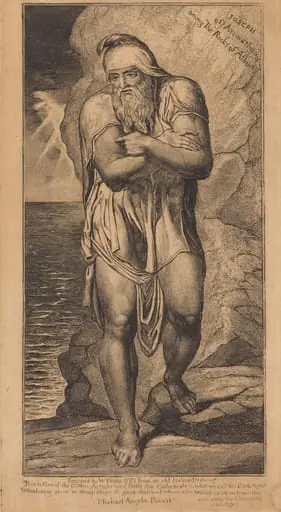 Joseph of Arimathea Among the Rocks of Albion
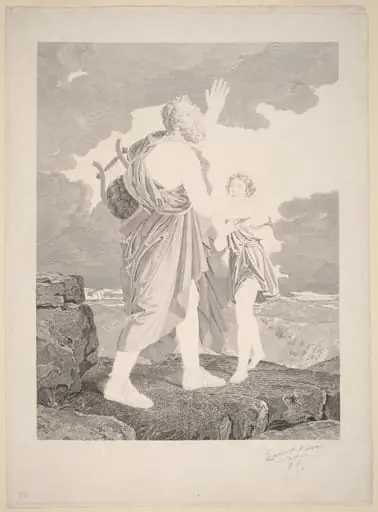 Blind Homer