Artwork
Sheet of Studies
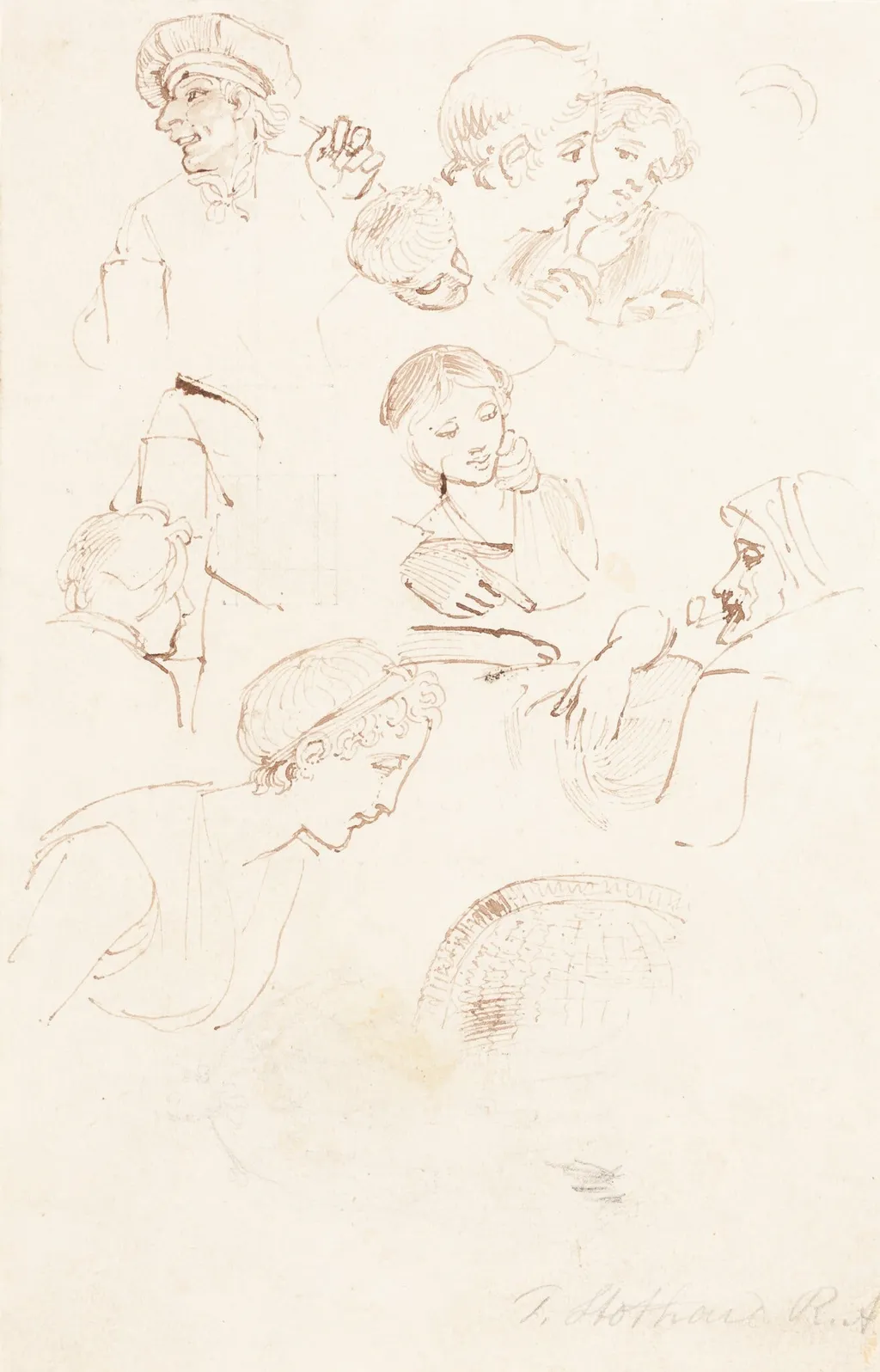
Sheet of Studies is an ink drawing by the Romanticist artist Thomas Stothard. It dates from 1794 and is held in the collection of the National Gallery of Art.
About this work
Overview
Created in 1794, this sheet of studies by Thomas Stothard is a collection of figure sketches executed in pen and brown ink with graphite on wove paper.
Created in 1794, this sheet of studies by Thomas Stothard is a collection of figure sketches executed in pen and brown ink with graphite on wove paper. It reflects his routine practice as a draftsman, capturing fleeting observations of human posture and gesture. The work lacks color and final polish, suggesting it was made for personal exploration rather than public display. Its informal character reveals the preparatory nature of his artistic process.
Subject & Meaning
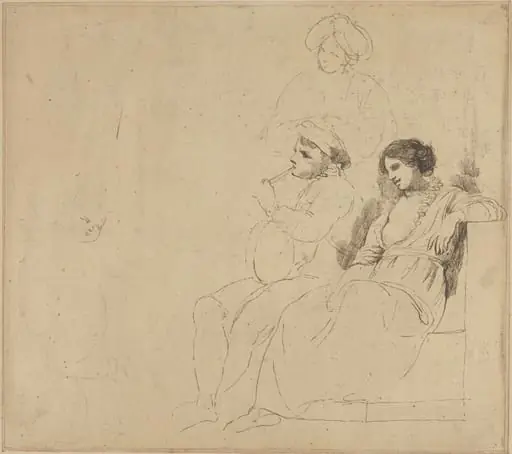
The sheet depicts five figures in varied poses—some seated, others standing—with subtle indications of interaction, such as a raised fan or a tilted hat. Their expressions are minimal but suggestive, hinting at quiet conversation or shared moments. These are not portraits but archetypal forms, likely drawn from life or memory, intended to inform future narrative compositions. The focus is on movement and social presence rather than individual identity.
Technique & Style
Stothard employed rapid, fluid pen strokes and light graphite shading to suggest volume and gesture without detail. Line thickness varies to convey weight and direction, while the soft texture of the wove paper absorbs ink unevenly, enhancing the sketch’s spontaneity. The absence of color and the economy of marks reflect a working method prioritizing efficiency and observation over finish. These qualities align with the conventions of preparatory drawing in late 18th-century British art.
History & Provenance
The drawing remained within the Stothard family after the artist’s death, eventually passing to his son Robert T. Stothard, who also pursued painting. Robert later gained recognition for his 1837 depiction of Queen Victoria’s accession, indicating a continuation of the family’s artistic legacy. While the exact provenance of the sheet before its institutional acquisition is undocumented, its survival suggests it was valued as a personal record of the artist’s process.
Context
In the 1790s, British artists like Stothard increasingly relied on drawing to develop illustrations for books and decorative schemes. This sheet exemplifies the shift toward observational study as a foundation for commercial and narrative work. Though not aligned with the emotional intensity of Romanticism, it shares the period’s interest in capturing everyday human behavior, bridging the gap between academic tradition and emerging realist tendencies.
Legacy
Stothard’s studies, including this sheet, illustrate how illustrators of his time built complex compositions from simple, repeated sketches. His method influenced later generations of British draftsmen who valued preparatory work as integral to artistic development. Though less celebrated than his finished illustrations, such sheets remain vital for understanding the evolution of his visual language and the broader culture of drawing in late Georgian England.
Artist & collection
Artist
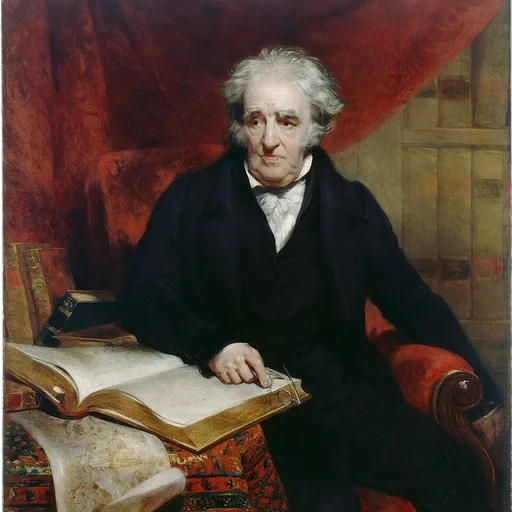
Thomas Stothard (17 August 1755 – 27 April 1834) was a British painter, illustrator and engraver.

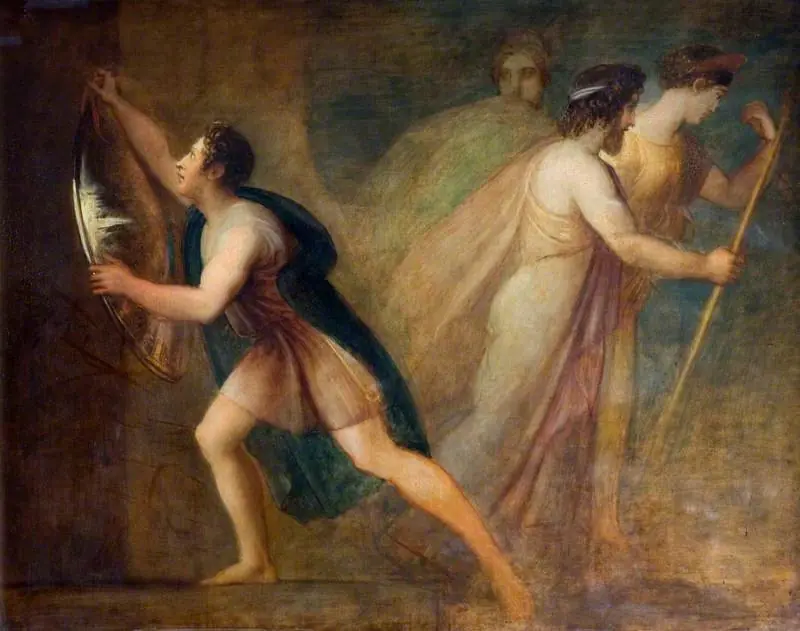 Orestes Hanging up the Shield of Agamemnon
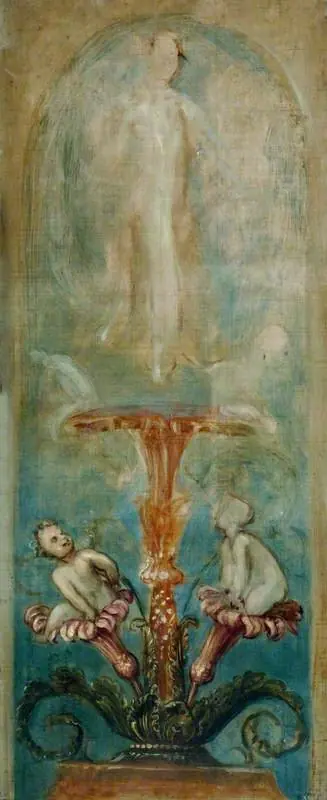 Arabesque Decoration with a Female Figure (sketch)
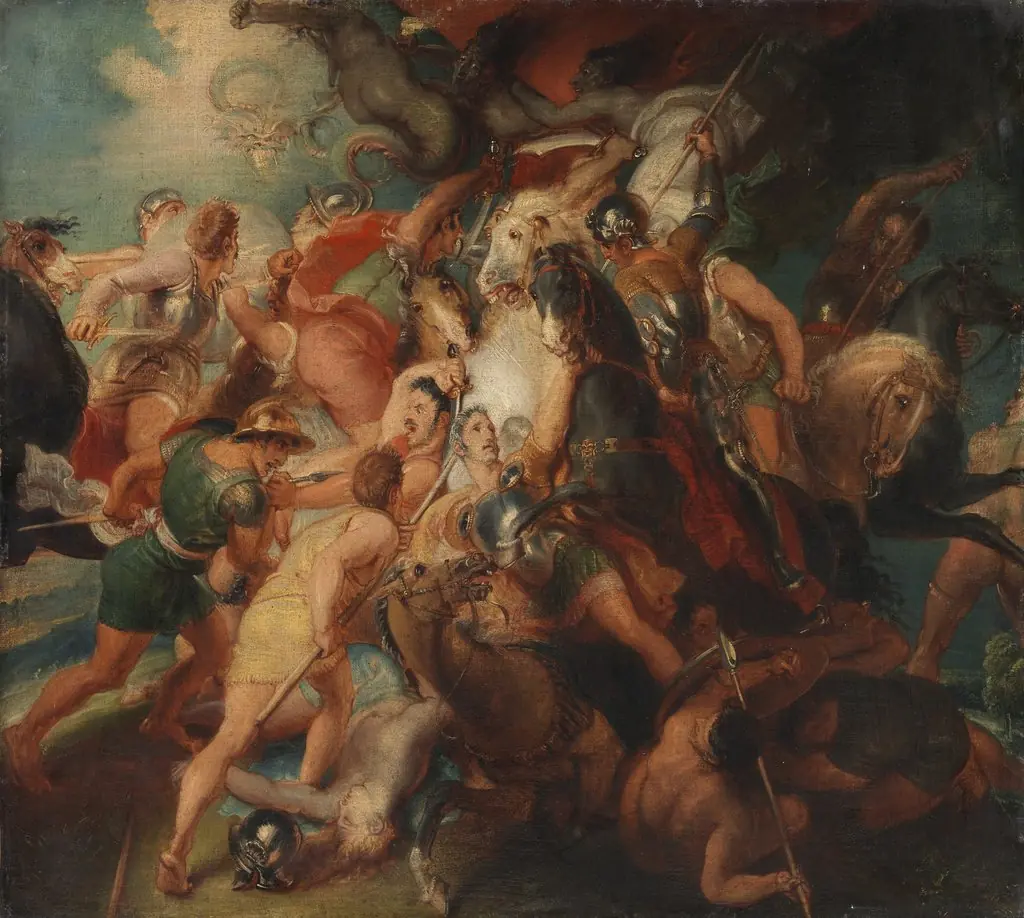 The Horrors of War, Sketch for Burghley House Mural
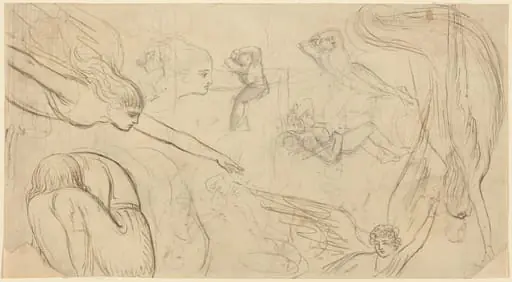 Sheet of Studies with Angels and Cowering Figures (Illustration for Macklin's Bible?)
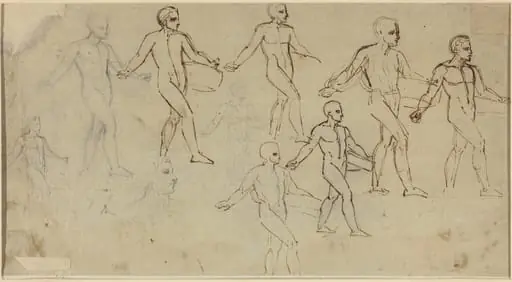 Studies of a Sower (Illustration for Thomson's _Seasons_)
 Vignette for a Title Page: "Winged Victory"
![Design for a Book Illustration of Circe and Odysseus [recto], by Thomas Stothard](https://artifactworldgallery.com/img/thomas-stothard--design-for-a-book-illustration-of-circe-and-odysseus-recto--5bd59a6f73de4838-w320.webp) Design for a Book Illustration of Circe and Odysseus [recto]
Design for a Book Illustration of Circe and Odysseus [recto] Peter and His Children Visited by Three Flying Figures
![Figure Studies [verso], by George Romney](https://artifactworldgallery.com/img/george-romney--figure-studies-verso--19708132818b32a0-w320.webp)
![Two Heads; Studies of Sheep [recto], by Paul Gauguin](https://artifactworldgallery.com/img/paul-gauguin--two-heads-studies-of-sheep-recto--d045b25e15a504f5-w320.webp)
![Figure Studies [recto], by Giovanni Battista Cipriani](https://artifactworldgallery.com/img/giovanni-battista-cipriani--figure-studies-recto--32b47b1a71716a78-w320.webp)