Artwork
Mary I Stuart
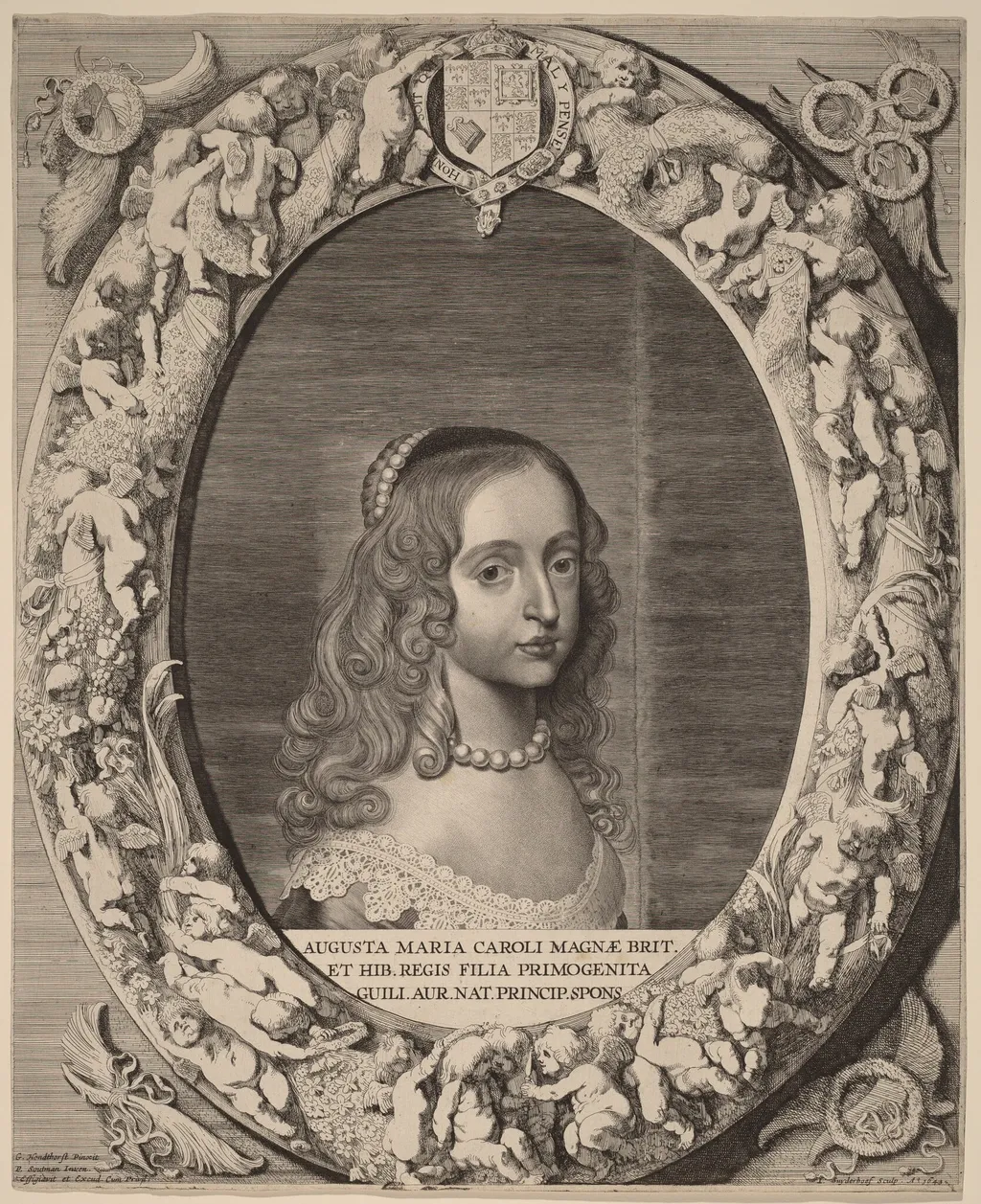
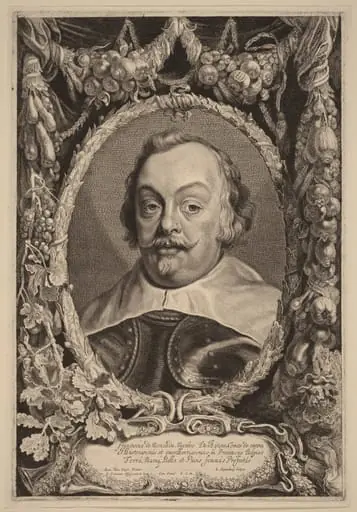
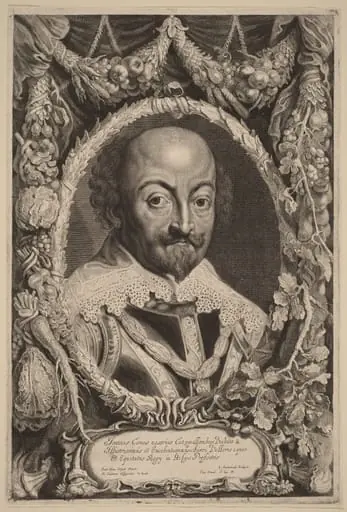
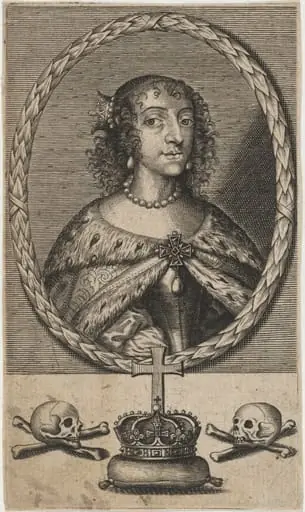
Mary I Stuart is an ink print by the Baroque artist Jonas Suyderhoff. It dates from 1643 and is held in the collection of the National Gallery of Art.
About this work
Overview
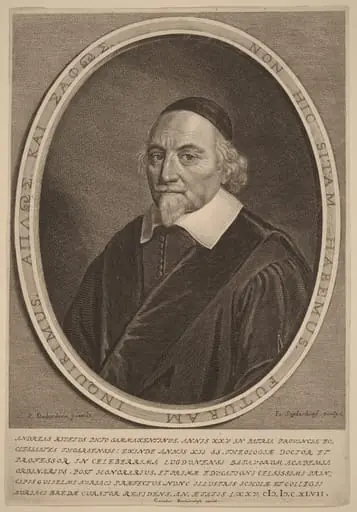
Jonas Suyderhoff created this 1643 print as a portrait of Mary I Stuart, using etching and engraving techniques to achieve fine detail.
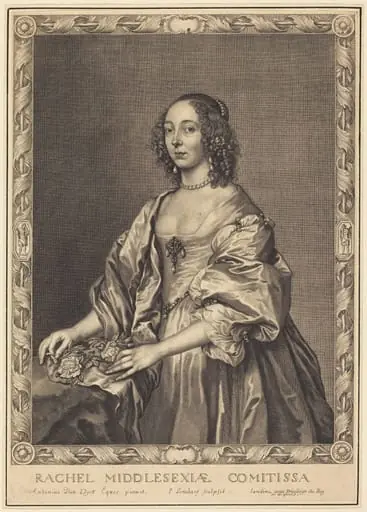
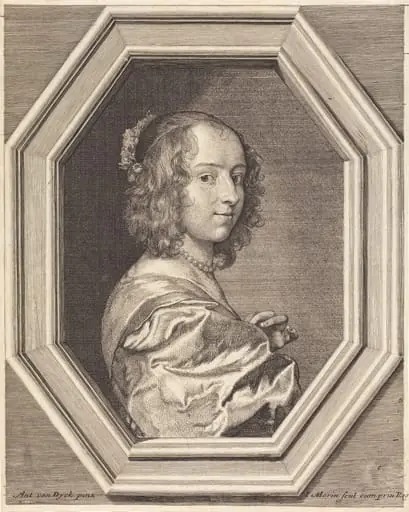
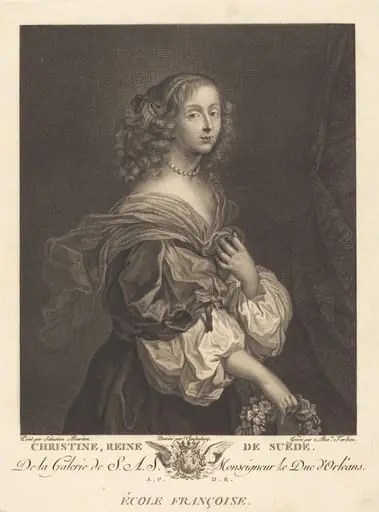
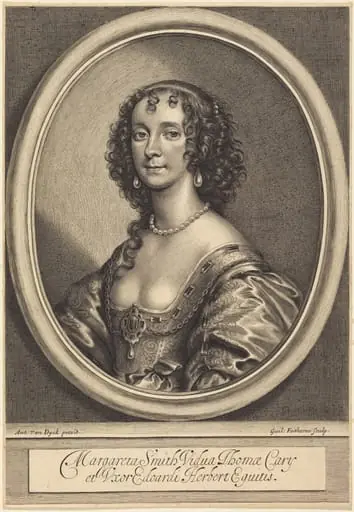
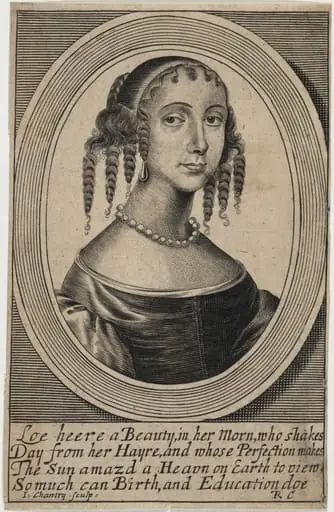
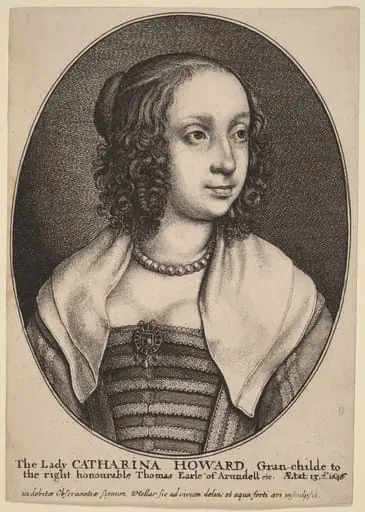
Jonas Suyderhoff created this 1643 print as a portrait of Mary I Stuart, using etching and engraving techniques to achieve fine detail. The image presents the subject within an ornate oval border, emphasizing formality and status. The composition isolates the figure against a plain background, directing attention to her attire and expression. The work belongs to a tradition of engraved portraiture popular in 17th-century Europe for disseminating likenesses of nobility.
Subject & Meaning
The portrait depicts Mary I Stuart, likely intended to convey her royal identity and dignity. Her serious gaze, elaborate lace dress, and pearl necklace signify wealth and social standing. The inclusion of a coat of arms and Latin inscription reinforces her lineage and legitimacy. Cherubs and decorative motifs around the frame suggest divine favor and aristocratic heritage, common symbolic elements in portraits of European royalty during the period.
Technique & Style
Suyderhoff employed precise etching and engraving to render texture in the lace, hair, and jewelry with meticulous line work. The solid background enhances the three-dimensionality of the figure, while the ornate frame, carved in relief-like detail, contrasts with the flatness of the portrait. The style reflects Baroque sensibilities—attention to detail, controlled drama, and a focus on material richness—though without the theatrical lighting typical of painted Baroque works.
History & Provenance
Created in 1643, the print was likely produced for circulation among noble or diplomatic circles, serving as a visual record of Mary Stuart’s status. Its survival suggests it was valued as both art and artifact. While specific early ownership records are sparse, similar prints from this era were often collected by European elites and institutions, preserving them through generations.
Context
In mid-17th century Europe, engraved portraits were vital for communicating the image of royalty beyond courtly circles. Suyderhoff’s work aligns with Dutch and Flemish printmaking traditions, where skilled engravers translated painted likenesses into reproducible formats. The use of heraldic symbols and Latin text reflects the era’s emphasis on lineage and authority, particularly among exiled or politically sensitive royal families.
Legacy
This print contributes to the broader archive of Stuart family iconography, preserving Mary’s likeness in a medium accessible to a wider audience than painted portraits. Though not widely known today, such works informed public perception of royalty and influenced later portrait engraving practices. Its craftsmanship remains a testament to the precision and cultural function of printmaking in early modern Europe.
Artist & collection