Artwork
Allegory of Justice
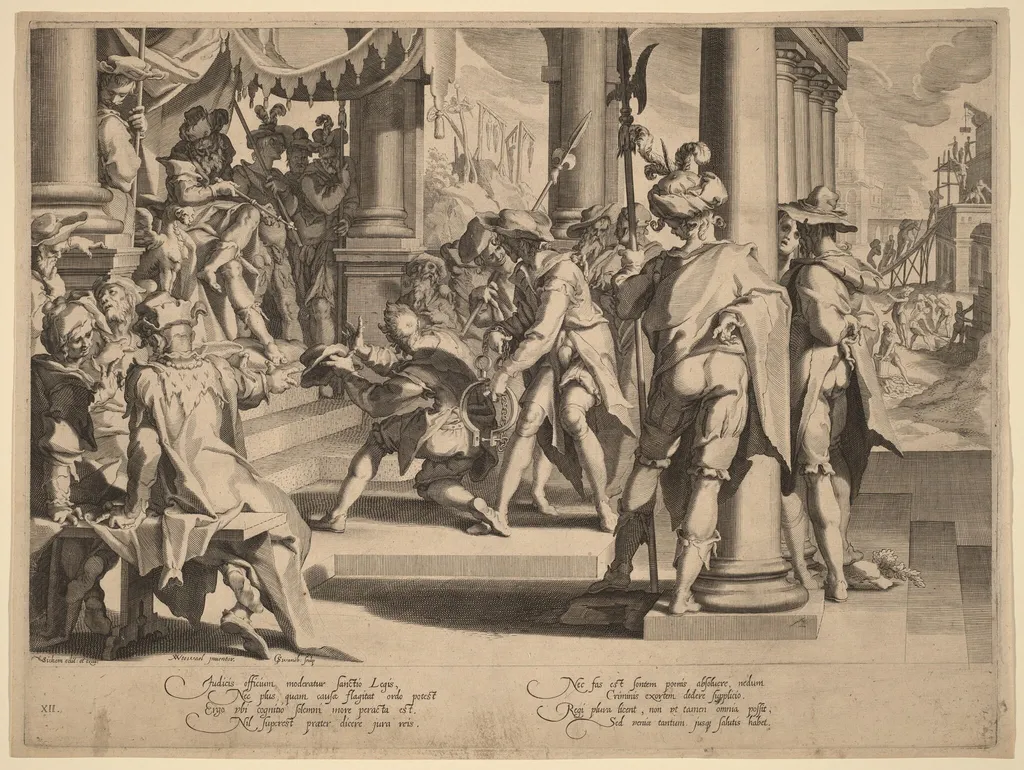
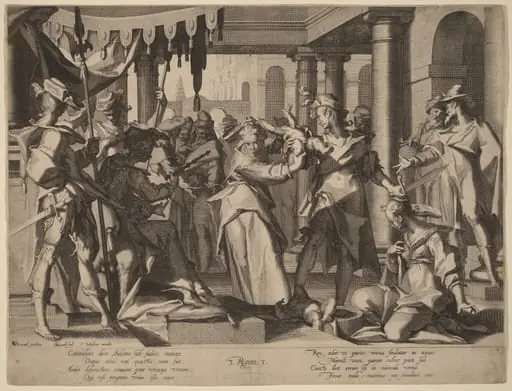
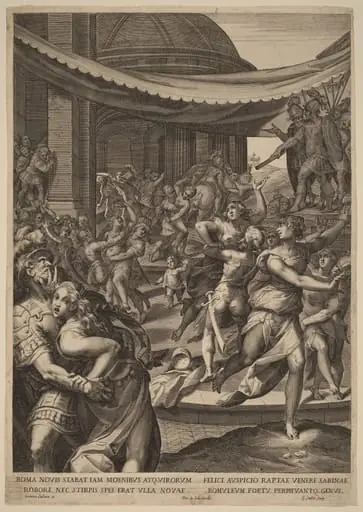
Allegory of Justice is an ink print by the Baroque artist Willem van Swanenburgh. It dates from 1606 and is held in the collection of the National Gallery of Art.
About this work
Overview
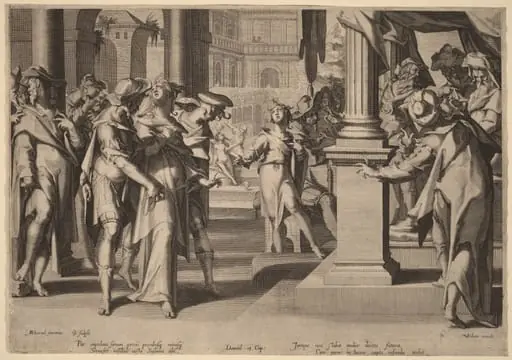
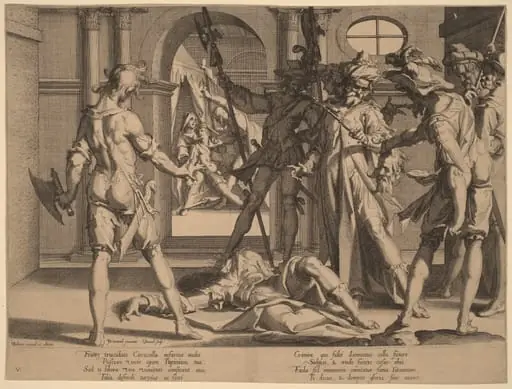
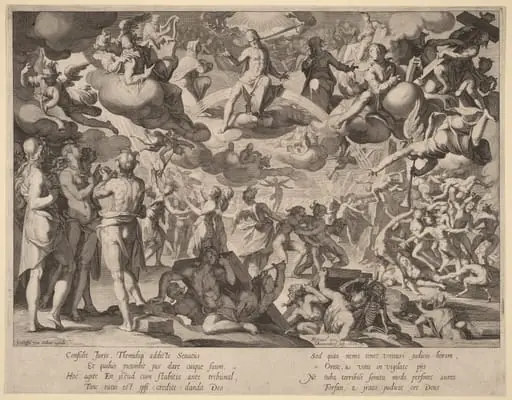
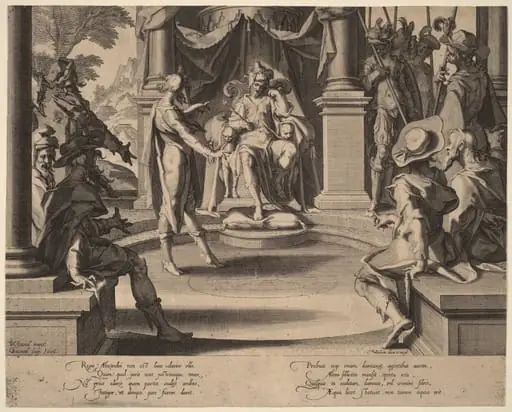
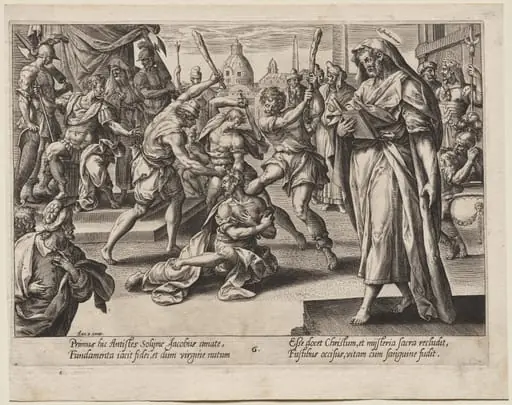
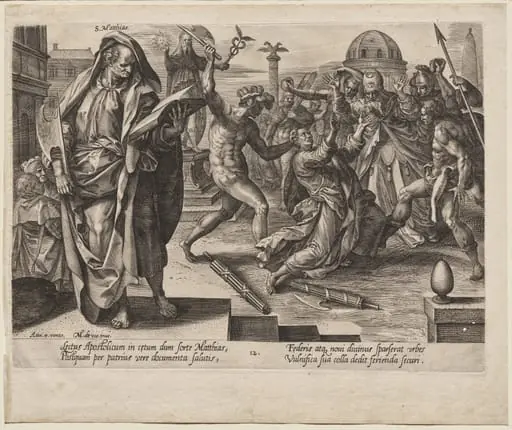
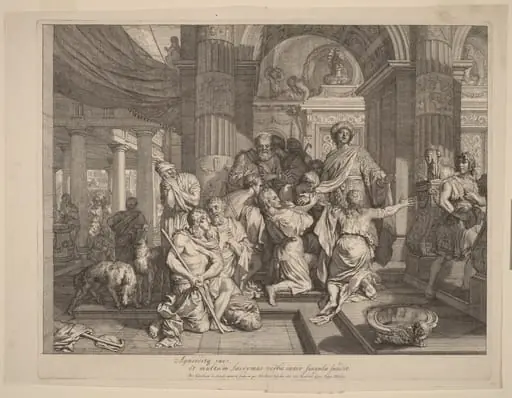
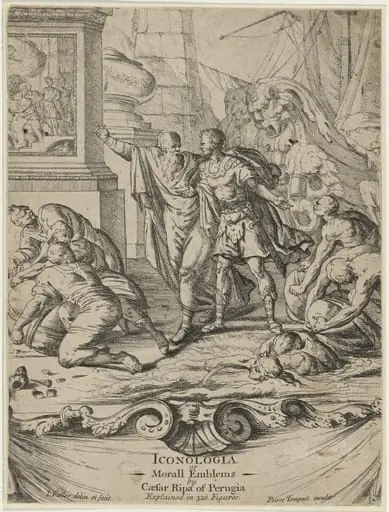
Willem van Swanenburgh’s 1606 engraving titled *Allegory of Justice* presents a densely populated composition rendered in black ink on laid paper. The print depicts a multitude of figures in varied postures—standing, kneeling, and engaged in action—set against a backdrop of towering columns and a bustling crowd, all accompanied by a line of Latin inscription at the lower edge.
Subject & Meaning
The scene functions as a visual allegory, assembling symbolic characters that embody the concept of justice. Elements such as a sword‑wielding man and a figure pointing upward suggest authority and moral direction, while the crowded setting may allude to the societal reach and complexity of legal order in the early seventeenth century.
Technique & Style
Executed as an engraving, the image was incised into a metal plate, allowing Swanenburgh to achieve fine linear detail and subtle gradations of tone. Through cross‑hatching and delicate line work, the artist creates a sense of volume and spatial depth, giving the figures a three‑dimensional presence despite the monochrome medium.
Context
Produced in the early Dutch Golden Age, the print reflects contemporary interest in moral and civic themes. Engravings like this were widely circulated, serving both educational and decorative purposes, and they contributed to the broader visual discourse on law and governance during a period of expanding urban institutions.
Artist & collection