Artwork
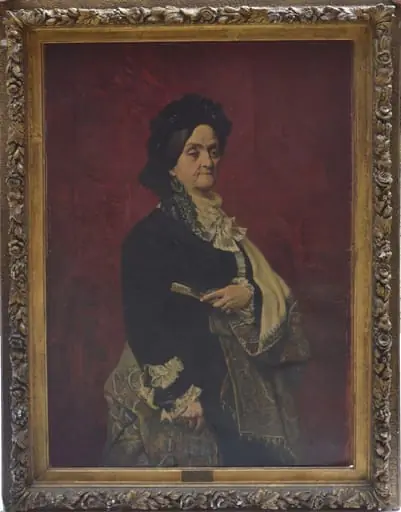
Păuna Protopopescu, mama episcopului Atanasie al Râmnicului
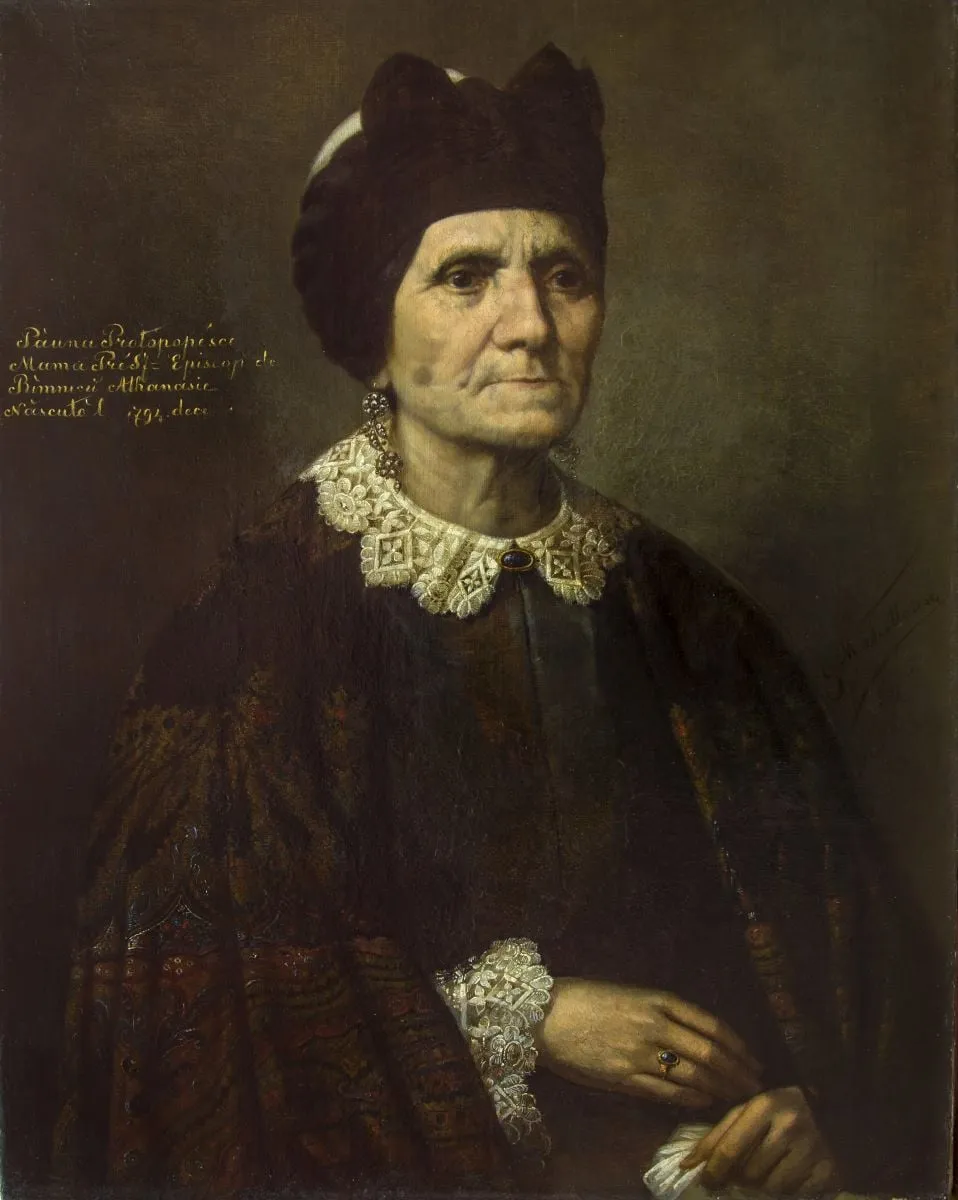
Păuna Protopopescu, mama episcopului Atanasie al Râmnicului is a print by the Impressionist artist Gheorghe M. Tattarescu. It dates from 1875 and is held in the collection of the National Museum of Art of Romania. Painted in 1875 by Gheorghe M.
About this work
Overview
The plain background eliminates distraction, directing attention to her facial expression and the intricate textures of her attire.
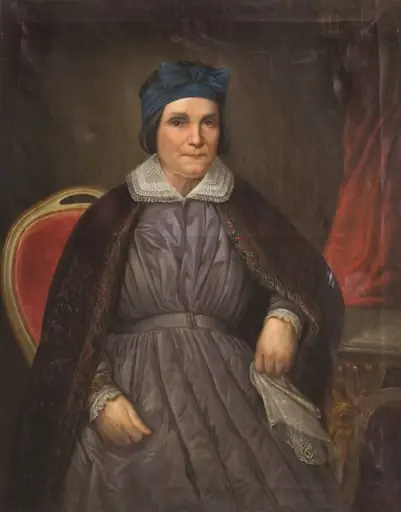
Painted in 1875 by Gheorghe M. Tattarescu, this portrait depicts Păuna Protopopescu, mother of Atanasie, Bishop of Râmnic. The composition centers on her dignified presence, rendered with quiet realism. The plain background eliminates distraction, directing attention to her facial expression and the intricate textures of her attire. Tattarescu’s approach reflects a deliberate focus on character over ornament.
Subject & Meaning
Păuna Protopopescu is portrayed not as a noblewoman but as the matriarch of a religious figure, suggesting her moral authority within a clerical family. Her serious yet composed demeanor conveys quiet resilience and spiritual gravity. The modesty of her dress and the absence of symbolic props emphasize personal virtue over social status, aligning with Orthodox values of humility and piety.
Technique & Style
Tattarescu employs subtle chiaroscuro to model the softness of aged skin and the weight of fabric. Fine brushwork captures the delicate lace trim on collar and cuffs, while the dark garments absorb light to heighten contrast. The rendering of texture—wool, linen, lace—demonstrates a meticulous attention to material reality, rooted in academic tradition yet tempered by intimate observation.
History & Provenance
The portrait was commissioned in the context of 19th-century Romanian religious culture, where family lineage and clerical authority were closely intertwined. It likely remained in private hands within the bishop’s circle until entering public collection. No documented exhibition history exists prior to the 20th century, suggesting its initial function was familial commemoration rather than public display.
Context
In mid-to-late 19th-century Romania, portraiture of religious figures’ relatives was uncommon outside elite circles. Tattarescu, trained in Rome and active in Bucharest’s cultural revival, bridged Western academic techniques with local subjects. This work reflects a broader trend of elevating domestic, non-noble figures through refined artistic treatment, aligning with national identity formation.
Legacy
The portrait stands as an early example of Romanian realism applied to non-aristocratic subjects. While not widely reproduced, it influenced later artists seeking to portray spiritual and familial dignity without idealization. Its restrained aesthetic and focus on texture contributed to a regional shift toward psychologically grounded portraiture in ecclesiastical contexts.
Artist & collection
Artist

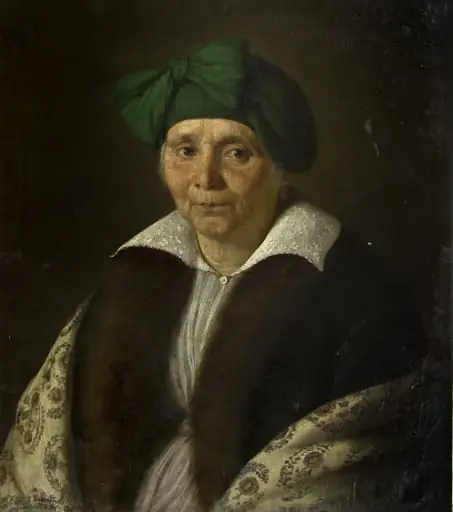 Portretul mamei actorilor Caragiale
 Portret de femeie
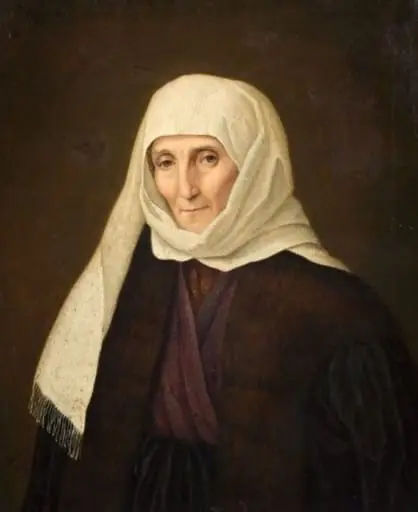 Femeie cu maramă
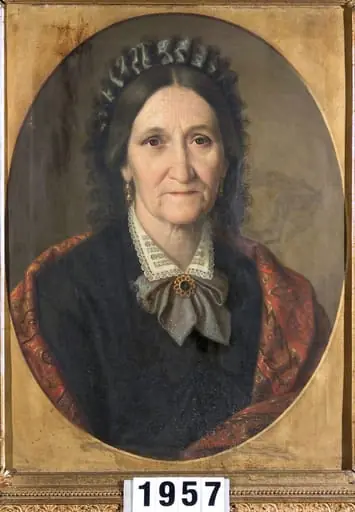 Anastasia Bozianu
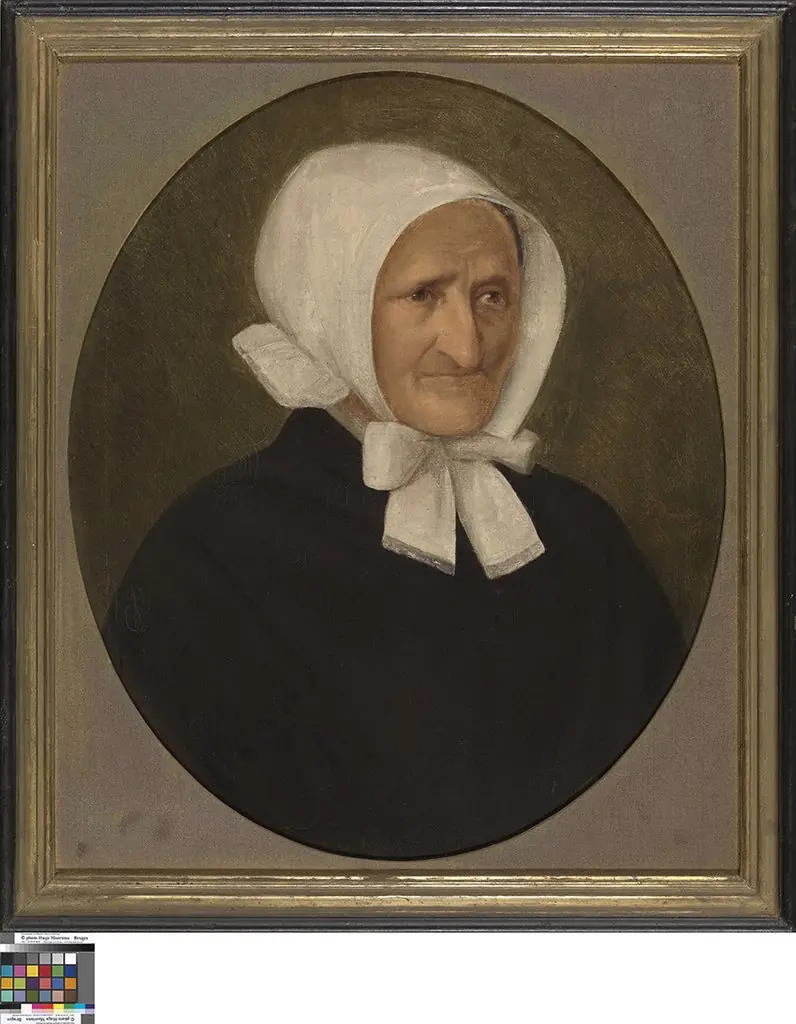 Portret van een vrouw
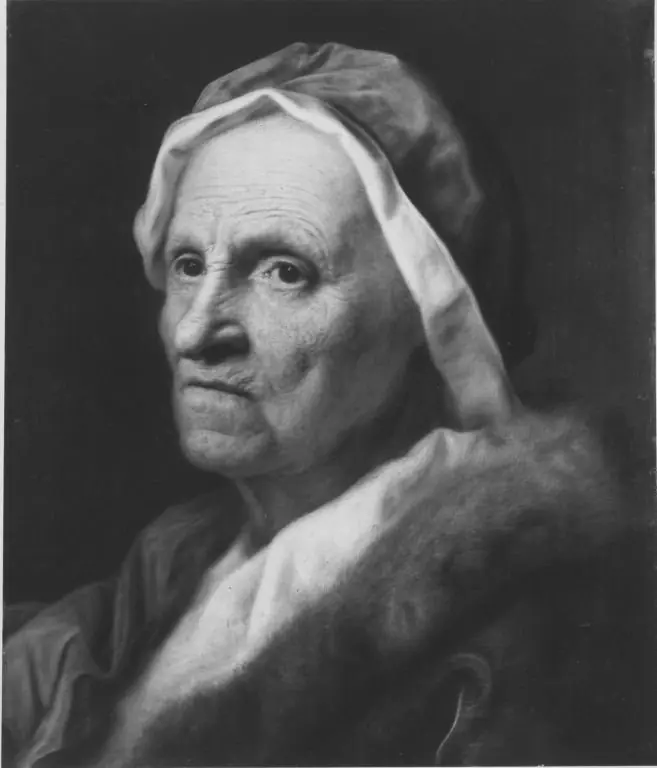 Portrait of an old woman with fur
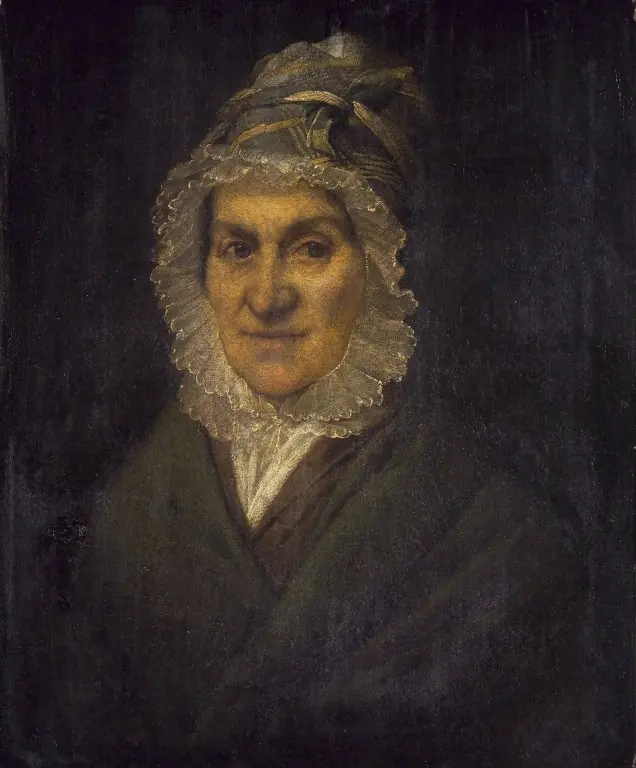 Portrait of an old woman
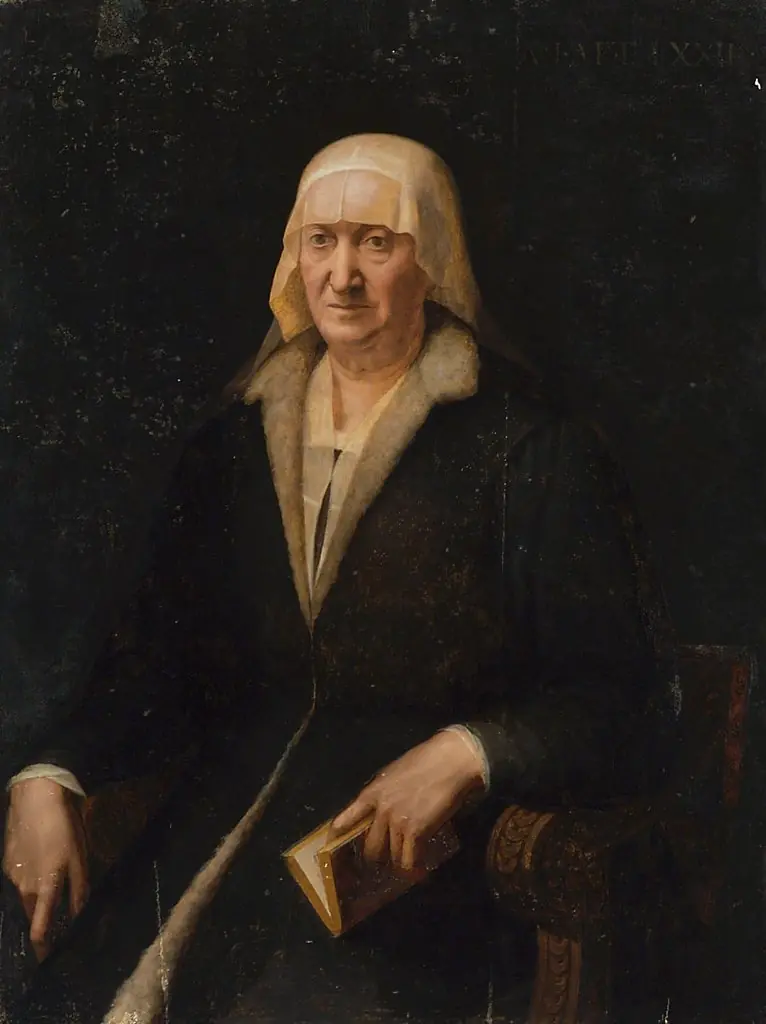 Bildnis einer alten Frau
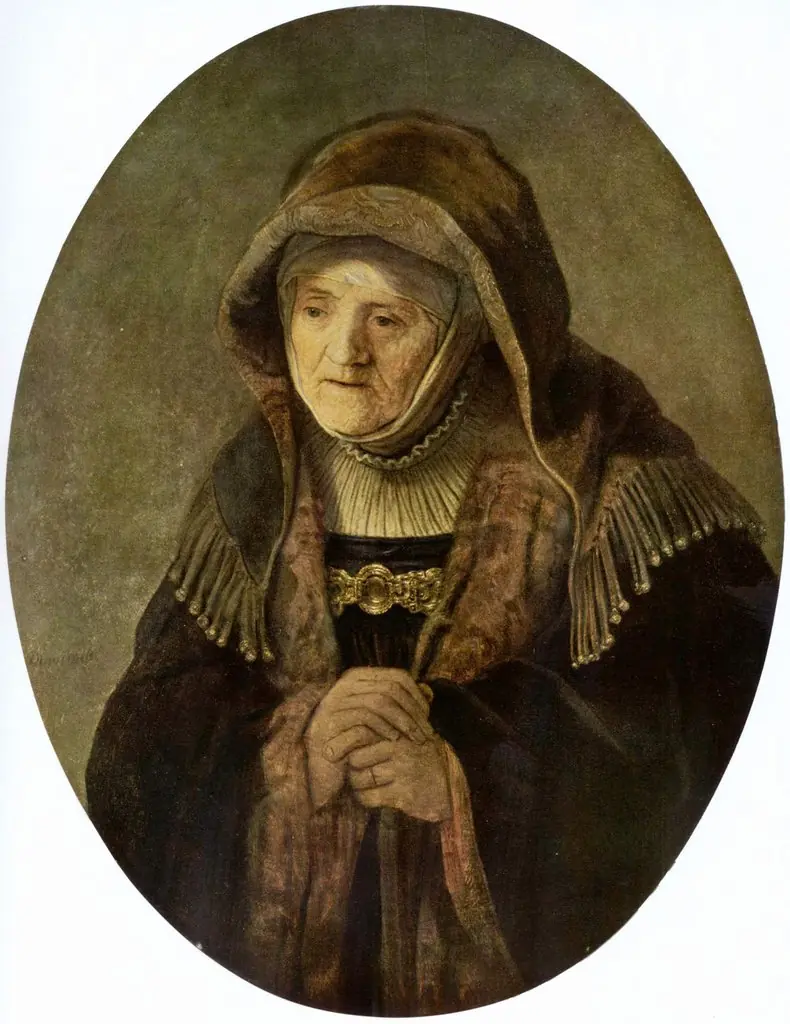 Portrait of an Old Woman (Prophetess Hannah)
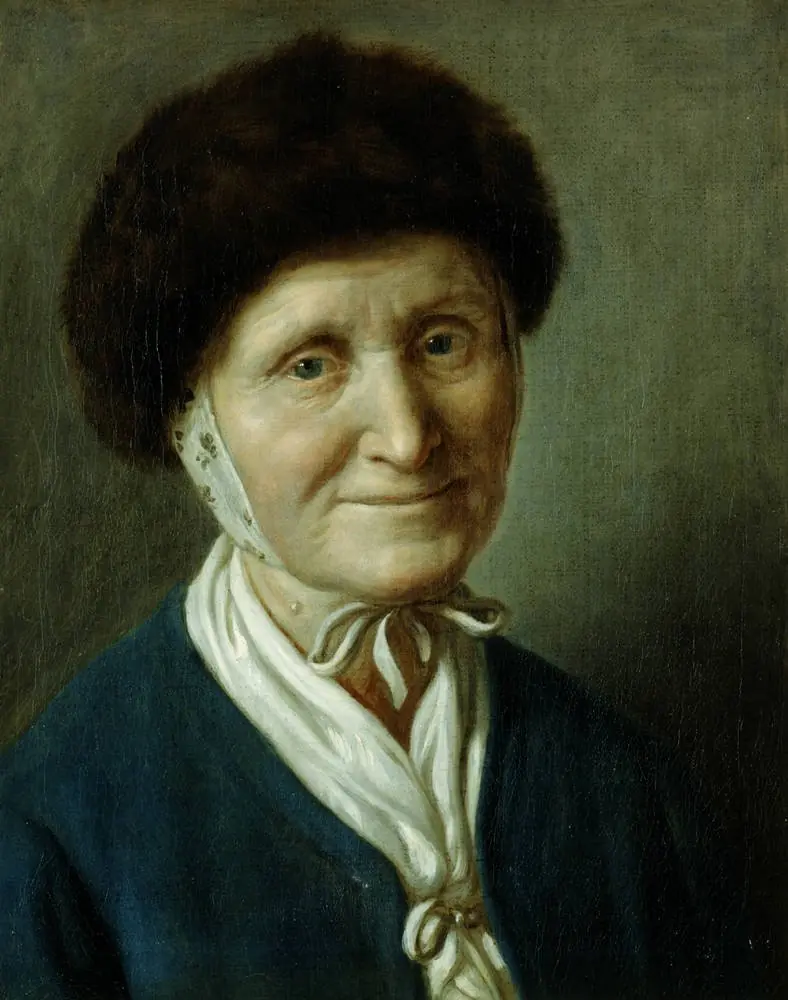 Old woman with fur hat
 Portret (de) femeie
 Brustbild einer alten Bäuerin