Artwork
Chappara
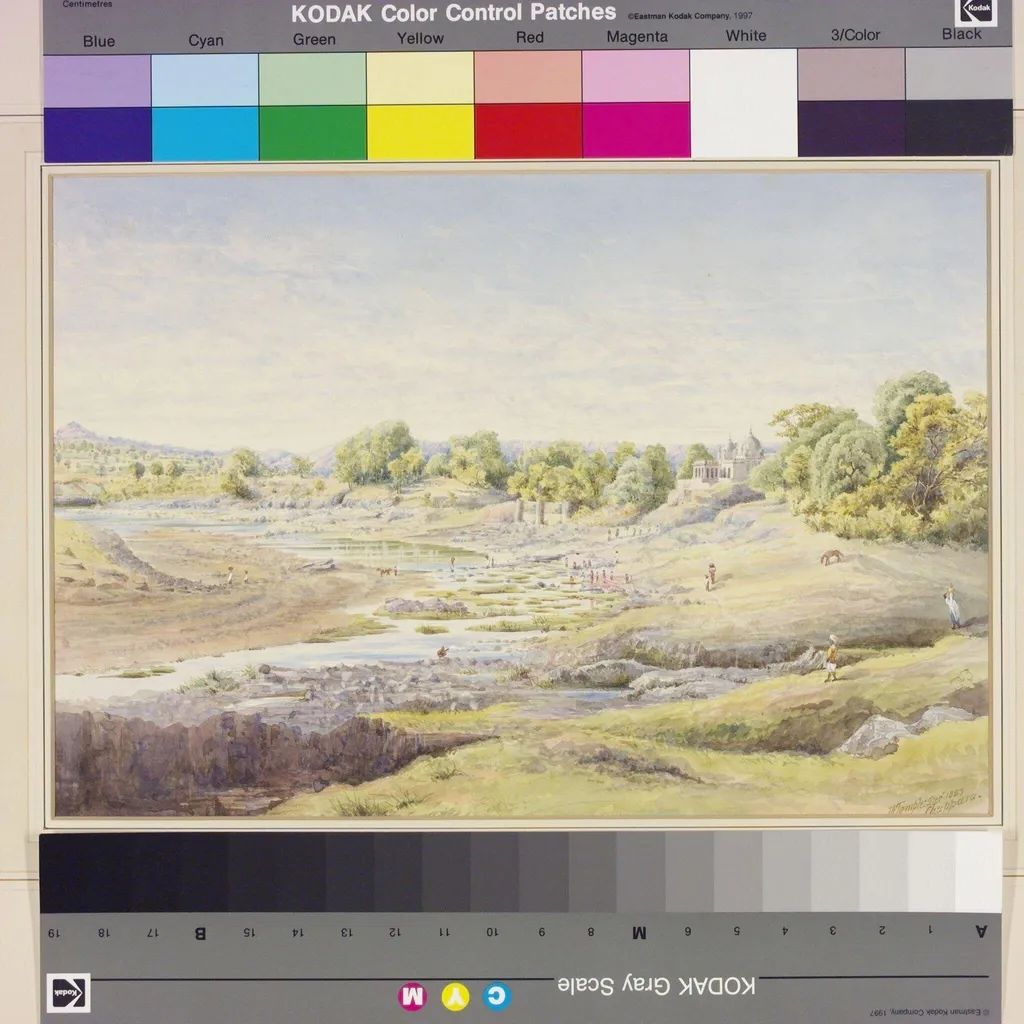
Chappara is a paint painting by the Impressionist artist John Alexander Temple. It dates from 1883 and is held in the collection of the Victoria and Albert Museum. This painting depicts a tranquil riverside scene with a broad, level expanse of land stretching toward distant hills.
About this work
Overview
This painting depicts a tranquil riverside scene with a broad, level expanse of land stretching toward distant hills.
This painting depicts a tranquil riverside scene with a broad, level expanse of land stretching toward distant hills. A winding river divides the composition, flanked by figures engaged in quiet daily activities. Trees and modest structures appear along the horizon, suggesting a rural setting. The palette favors muted yellows, earthy greens, and soft browns, contributing to a subdued, contemplative mood. The artist’s signature is discreetly placed in one corner.
Subject & Meaning
The scene captures ordinary life along a riverbank—people walking, wading, and resting—without dramatic action or narrative emphasis. The presence of a distant temple hints at spiritual or cultural significance, though it remains secondary to the natural setting. The work conveys stillness and routine, reflecting a quiet harmony between human presence and the landscape rather than asserting symbolic or religious themes.
Technique & Style
The artist employs a gentle, atmospheric approach with soft brushwork and blended tones to suggest depth and light. Forms are rendered with minimal detail, favoring overall harmony over precision. The composition is horizontally oriented, guiding the eye along the river’s path. Color is used to evoke mood rather than define structure, with warm hues dominating and shadows rendered subtly to maintain the scene’s calm equilibrium.
History & Provenance
The painting is attributed to John Alexander, an artist known for landscapes of rural America in the late 19th and early 20th centuries. Its origins are tied to regional exhibitions in the Northeast, though its early ownership history remains undocumented. The signature, faint and unobtrusive, aligns with Alexander’s known practice of signing works discreetly, often in the lower corner.
Context
Created during a period when American artists increasingly turned to everyday landscapes for inspiration, this work reflects a shift away from grand historical subjects toward intimate, observational scenes. It aligns with regionalist tendencies of the time, valuing quietude and local environments over urban or dramatic themes. The absence of overt narrative or social commentary underscores its focus on atmosphere and place.
Legacy
Though not widely exhibited beyond regional circles, the painting contributes to a body of work that documented the American countryside with restraint and sensitivity. It exemplifies a quiet strand of American landscape painting that prioritized mood over spectacle. Its preservation offers insight into how ordinary scenes were valued as subjects worthy of artistic attention during a time of rapid social change.
Artist & collection
Artist
This British artist painted detailed landscapes of Central India in the late 1800s.

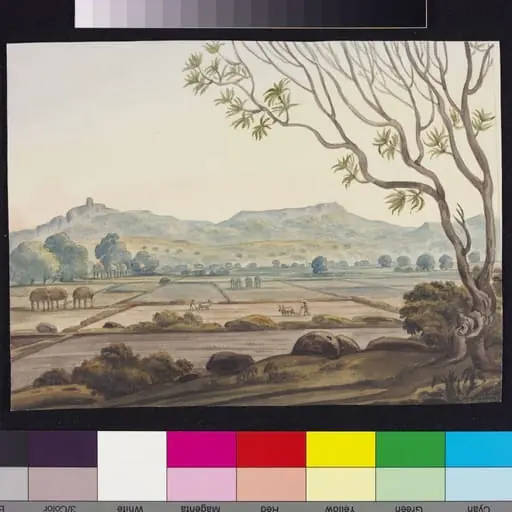 Untitled
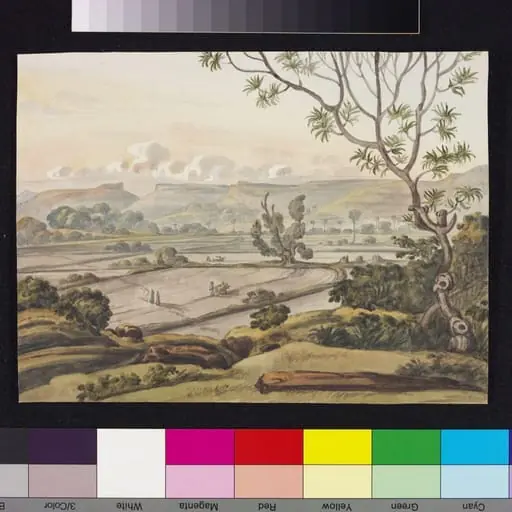 Chowke
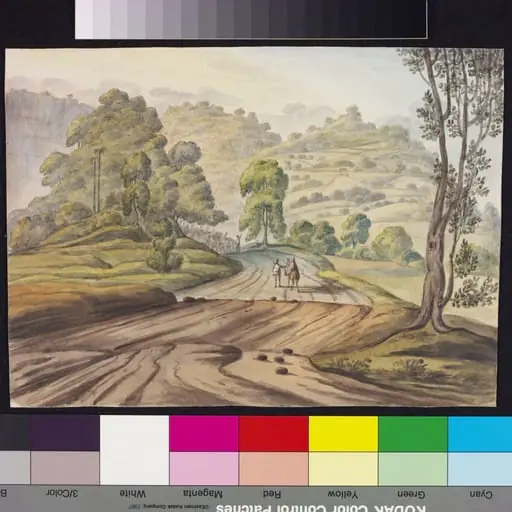 Bhore Ghauts
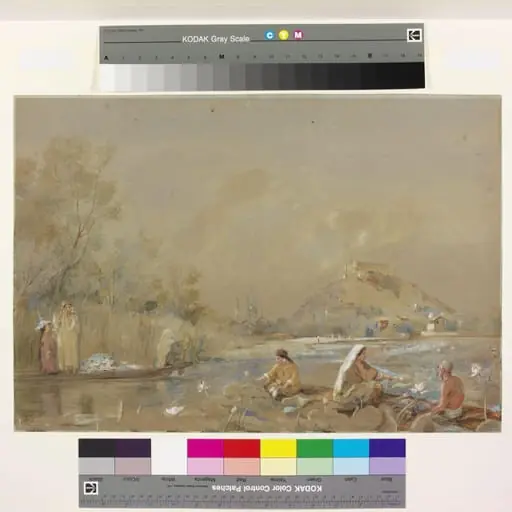 The fort of Hari Purbut from the lake
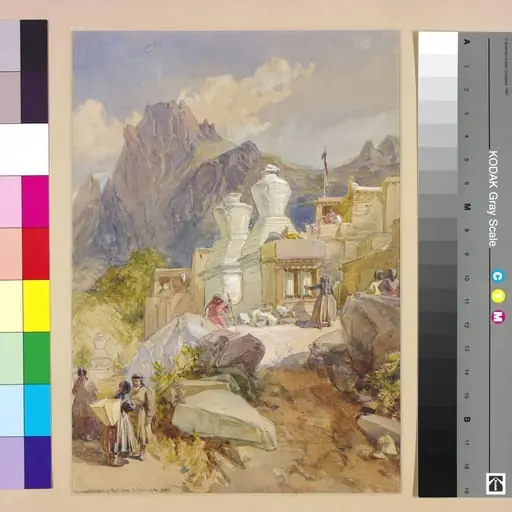 Praying cylinders in the village of Kulsi on the Indus
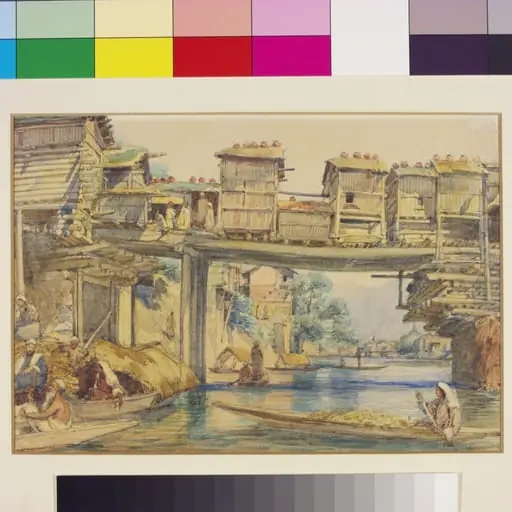 An arch of the second bridge at Srinagar, Kashmir
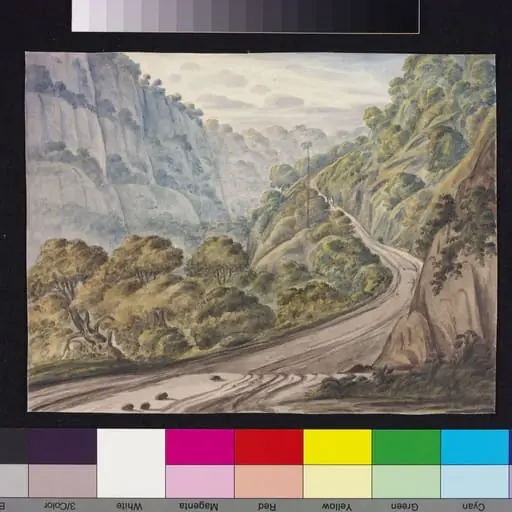 Bhore Ghaut
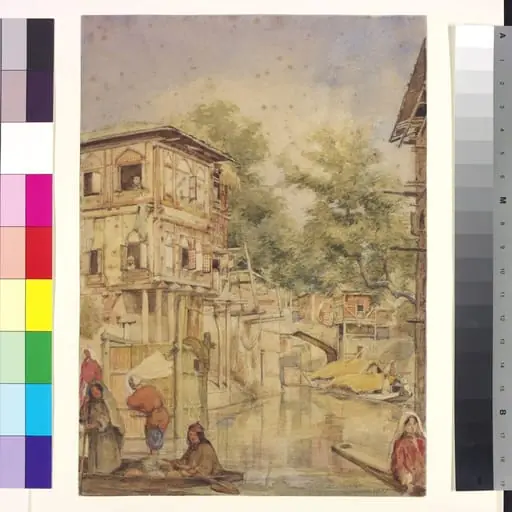 On the Mar Canal at Srinagar, Kashmir
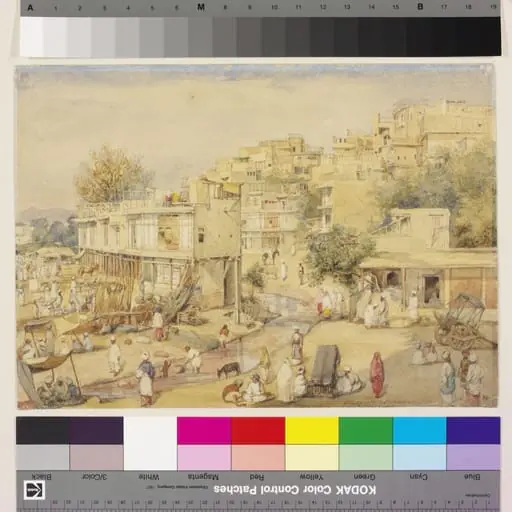 View of houses adjoining a stream, Peshawar
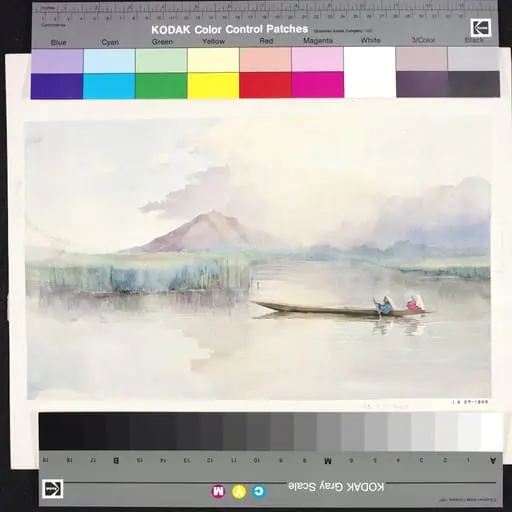 Dal lake, Kashmir
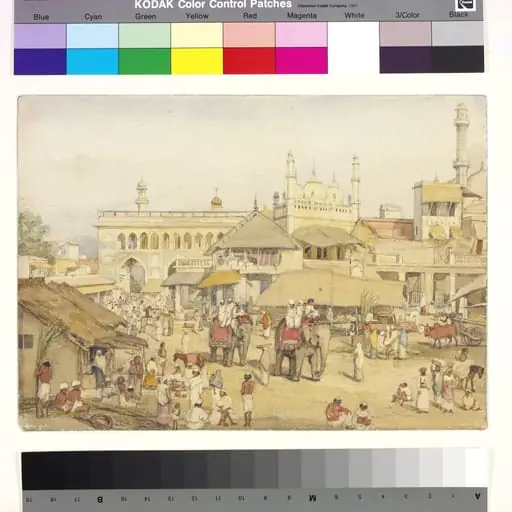 Street scene with gateway and a mosque, Lucknow