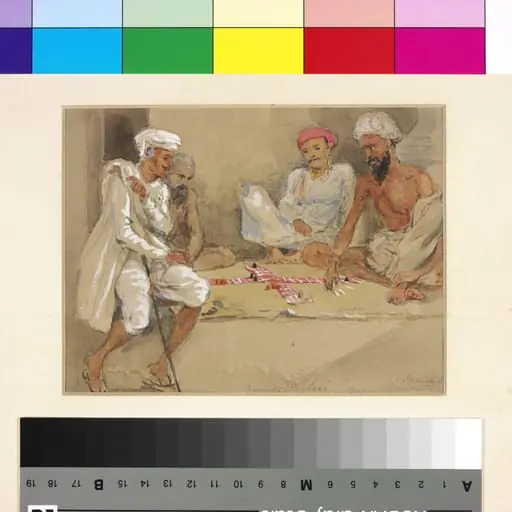
Artwork
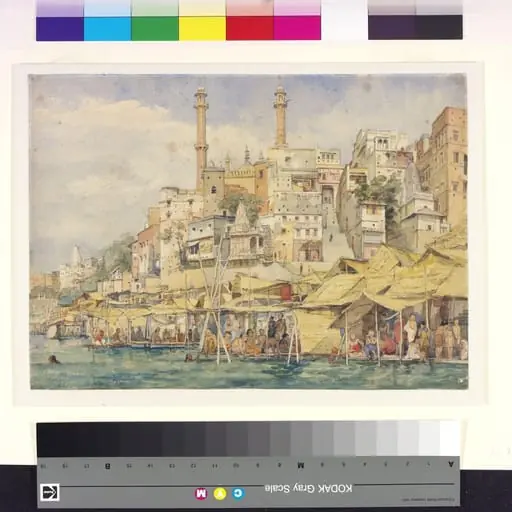
View of houses adjoining a stream, Peshawar
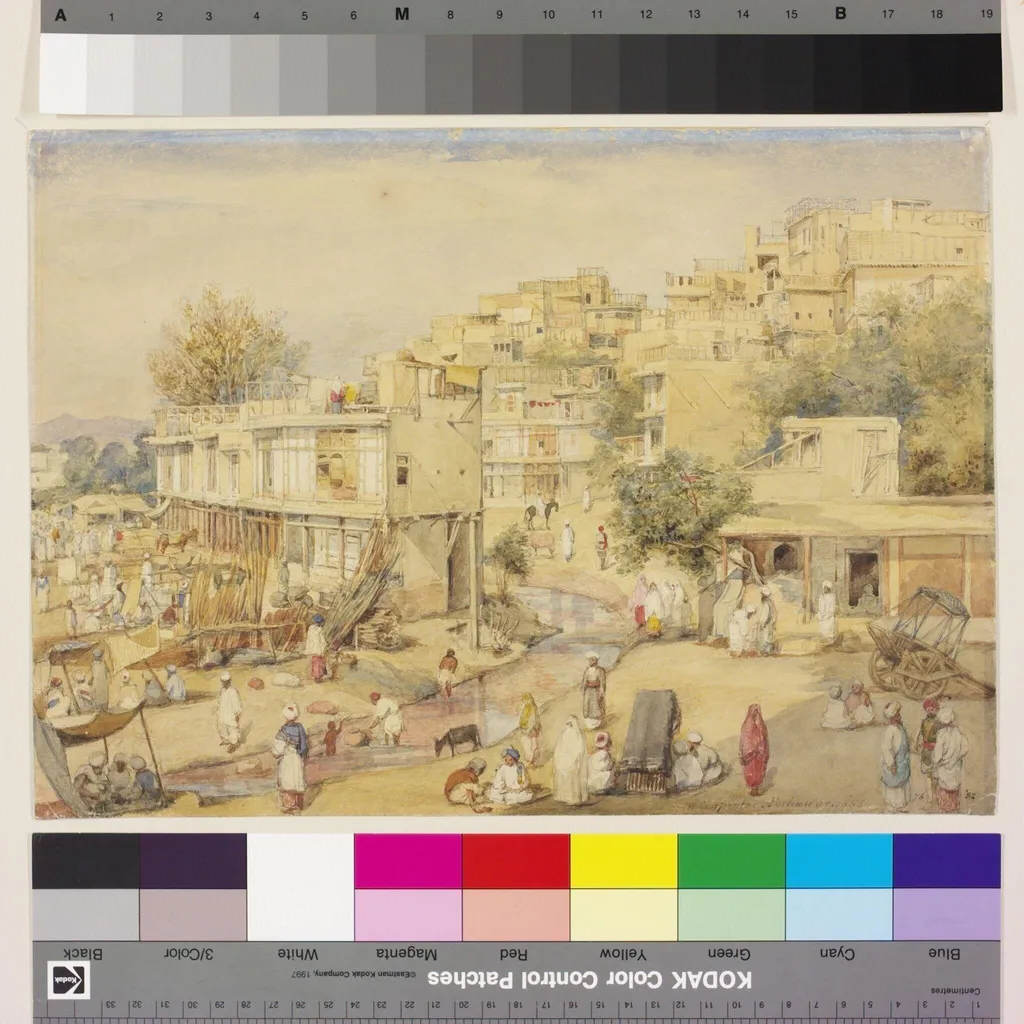
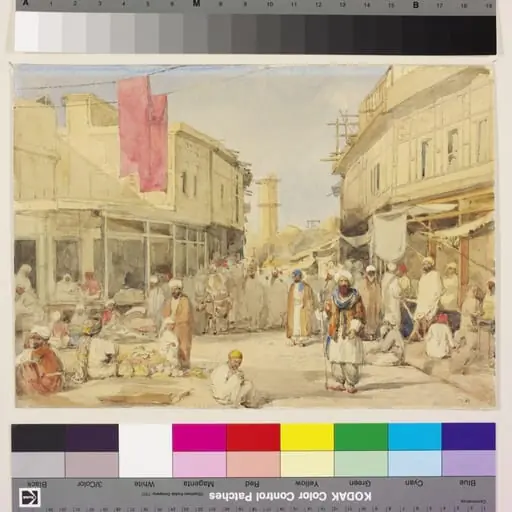
View of houses adjoining a stream, Peshawar is a paint painting by the British Romanticist artist William Carpenter. It dates from 1855 and is held in the collection of the Victoria and Albert Museum.
About this work
This work feels fresh because he caught light on buildings and water without extra detail.
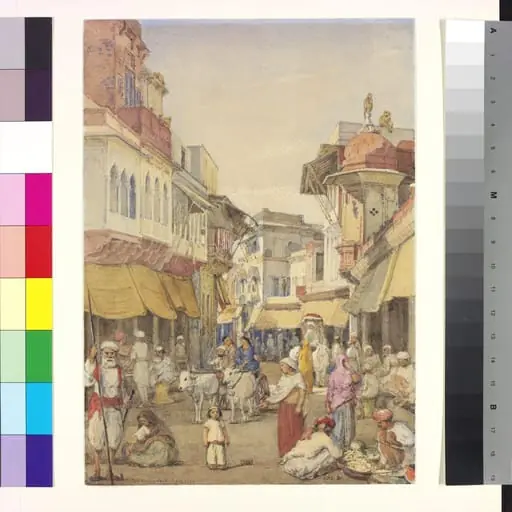
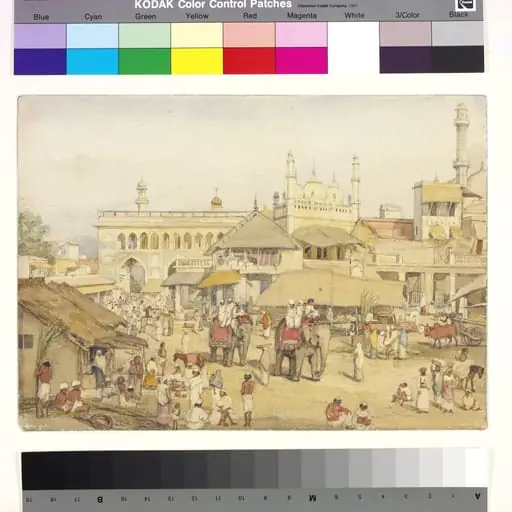
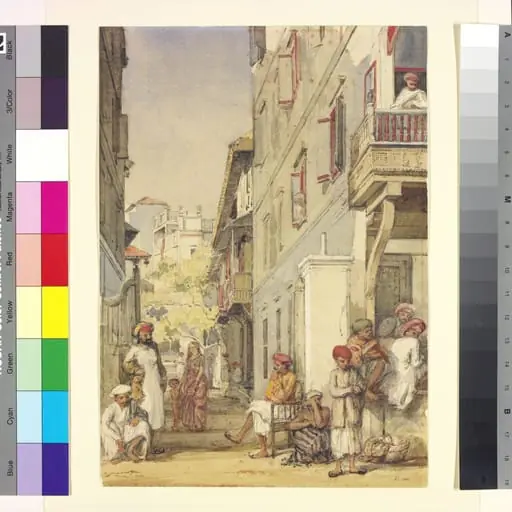
This painting shows a quiet street in Peshawar, India, from 1855. William Carpenter painted it while traveling, wearing local clothes to blend in. He sketched everyday scenes like this one, not just fancy portraits.
Carpenter often used watercolors on the road. This work feels fresh because he caught light on buildings and water without extra detail. You can see his brushwork in the rippling stream.
Try looking up Carpenter, William next.
Overview
View of houses adjoining a stream, Peshawar is a painting by William Carpenter, created during his travels in the Indian subcontinent in 1855. The work depicts a serene scene of residential buildings alongside a stream in Peshawar, then part of the North-West Frontier Province of India.
Subject & Meaning
The painting captures an everyday scene of domestic architecture and natural setting, reflecting Carpenter's interest in documenting local life beyond formal portraiture. The choice of subject suggests an attempt to observe and record the mundane aspects of the region.
Technique & Style
Executed in watercolors, the painting is characterized by a fresh, understated approach, with evident brushwork, particularly in the depiction of the rippling stream. The treatment of light on buildings and water adds to the work's sense of immediacy.
History & Provenance
Created in 1855 during Carpenter's visit to Peshawar, the painting is part of his oeuvre from a decade of travel in the region (1850-1856) before his return to England. Its current location and full provenance details are not specified in available information.
Context
Peshawar, the painting's setting, was a significant location in the North-West Frontier Province of India at the time, later becoming part of Pakistan. Carpenter's adoption of local dress and his practice of painting everyday scenes distinguish his approach from more formal, European-centric depictions of the region.
Legacy
While specific details on the painting's impact or exhibition history are not provided, it contributes to the broader legacy of William Carpenter as a traveler-artist who documented the Indian subcontinent's landscapes and daily life in the mid-19th century.
Artist & collection
Artist
William Carpenter (1818–1899) was an English watercolour artist. He travelled for six or seven years in the 1850s painting scenes of India, its people and its life. The Victoria and Albert Museum bought over 280 of his…

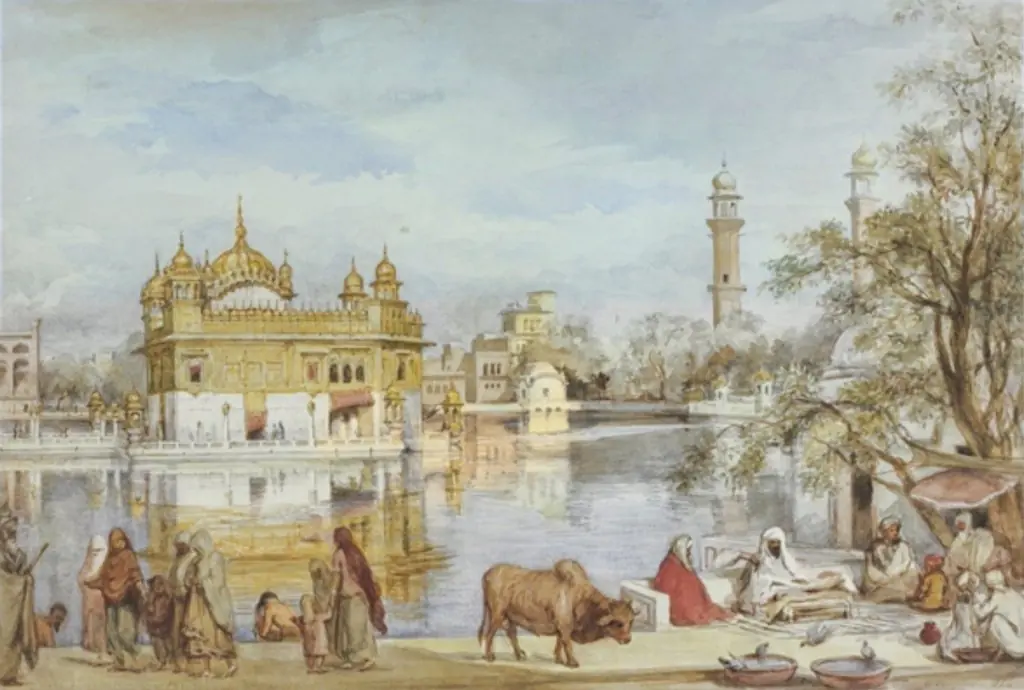 The Golden Temple, Amritsar
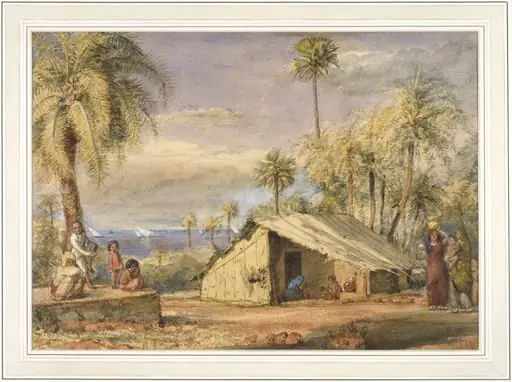 Toddywallah's hut in a grove of date palms near Breach Candy, Bombay
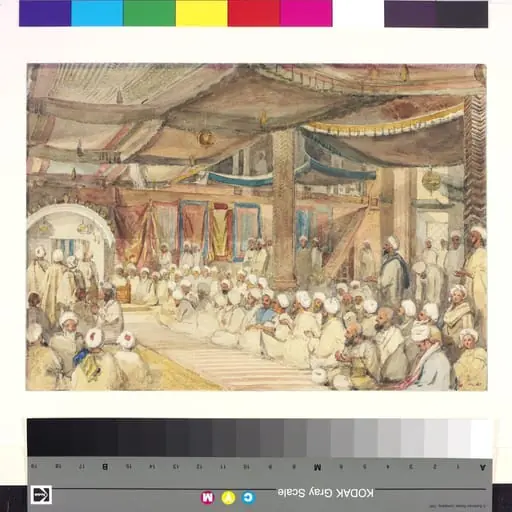 Interior of Shah Hamadan's Masjid during a religious ceremony
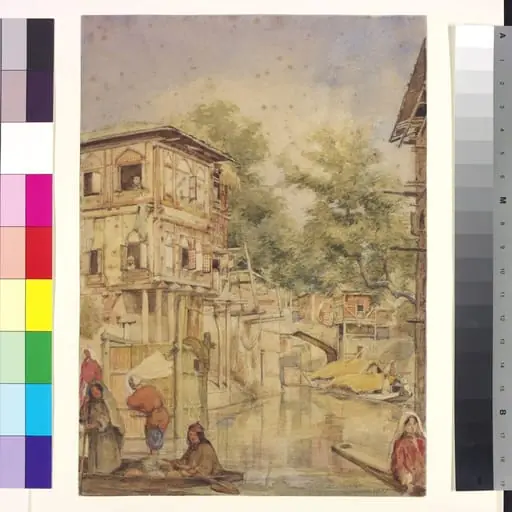 On the Mar Canal at Srinagar, Kashmir
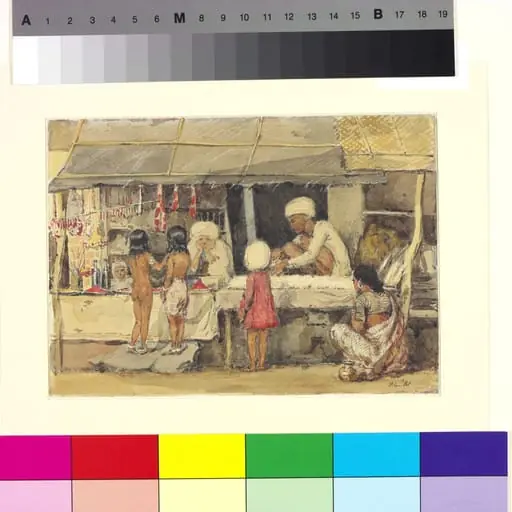 Shops for colours and flowers used at festivals, Sadr bazaar, Pune
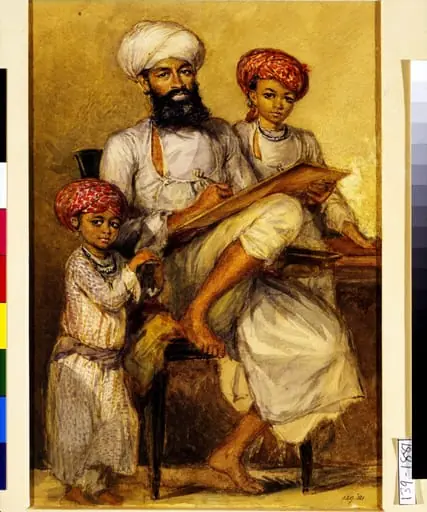 Portrait of Tara Chand, the court painter
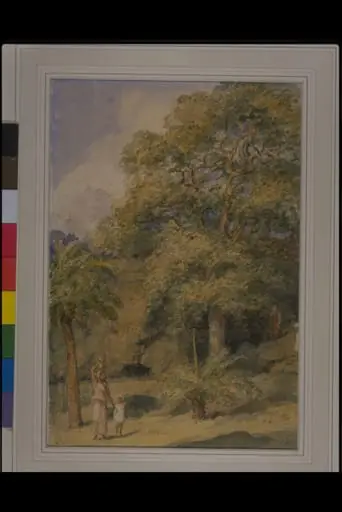 Study of a tamarind tree and date palms near Sir William Yardley's house at Breach Candy, Bombay
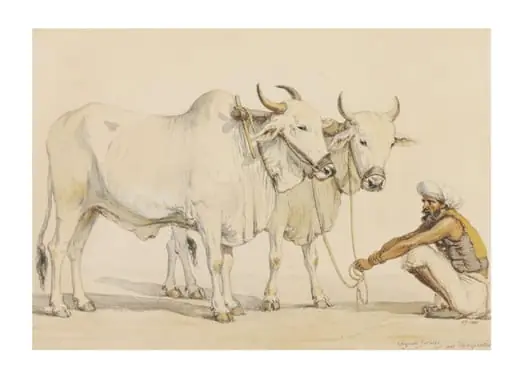 Two harnessed bullocks from Gujarat with their keeper