Artwork
The Race of the Riderless Horses
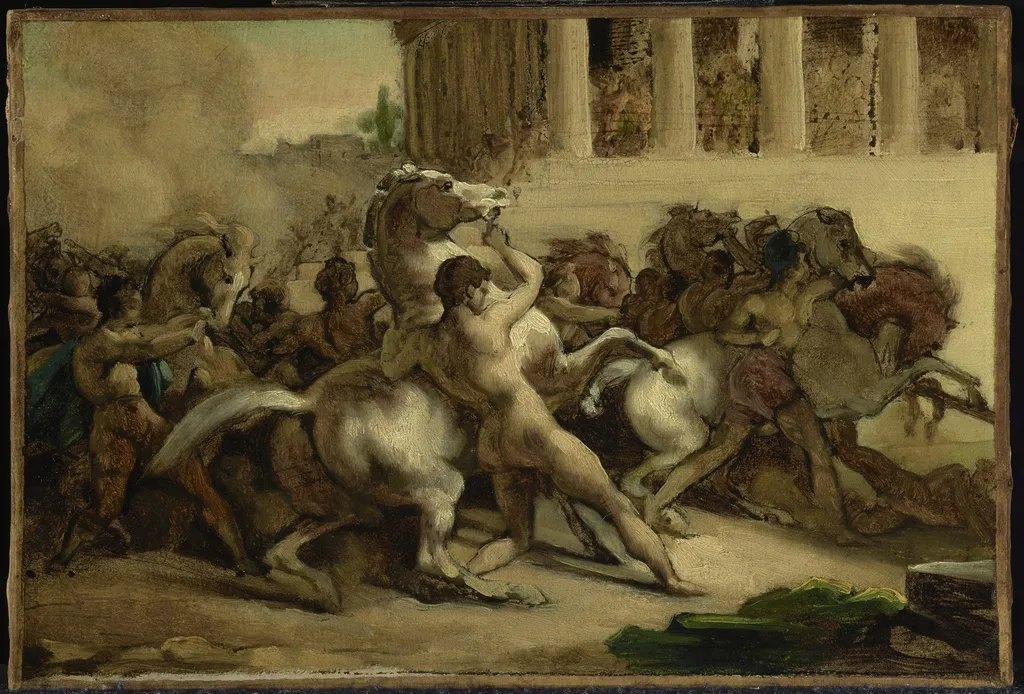
The Race of the Riderless Horses is an unspecified painting by Théodore Géricault. It dates from 1817 and is held in the collection of the J. Paul Getty Museum.
About this work
Overview
Painted in 1817 by Théodore Géricault, *The Race of the Riderless Horses* captures a moment of uncontrolled motion among a group of horses without riders.
Painted in 1817 by Théodore Géricault, *The Race of the Riderless Horses* captures a moment of uncontrolled motion among a group of horses without riders. Created during a phase of intense interest in physical dynamism, the work reflects Géricault’s departure from traditional historical subjects toward visceral, untamed natural forces. Its composition emphasizes kinetic energy over narrative clarity.
Subject & Meaning
The painting portrays a group of horses in violent motion—rearing, galloping, and collapsing—against a backdrop of classical architecture. The absence of riders suggests a loss of control, perhaps symbolizing the unpredictability of nature or the collapse of order. The classical setting contrasts with the animals’ wildness, heightening the tension between civilization and primal force.
Technique & Style
Géricault employed thick impasto to build texture in the horses’ muscles and manes, enhancing their physical presence. Chiaroscuro intensifies the drama, with sharp contrasts between light and shadow defining form and movement. The brushwork is vigorous and immediate, rejecting smooth finishes in favor of tactile urgency, aligning with Romantic ideals of emotional intensity over polished refinement.
History & Provenance
Completed in 1817, the painting was part of Géricault’s broader investigation into motion and animal anatomy, influenced by his studies of horses and his time in Italy. It remained in private collections until acquired by the J. Paul Getty Museum, where it now resides as a key example of early Romantic experimentation in French painting.
Context
In post-Napoleonic France, artists sought new subjects beyond state-sponsored history painting. Géricault turned to raw, untamed scenes—horses, storms, and the human body in extremis—as expressions of authentic experience. This work reflects a broader cultural shift toward emotion, nature, and the sublime, distancing itself from Neoclassical restraint.
Legacy
Though less known than *The Raft of the Medusa*, this painting exemplifies Géricault’s commitment to capturing transient, visceral moments. Its emphasis on movement and materiality influenced later Romantic and even Realist painters. The work stands as a quiet but forceful testament to his belief in art’s capacity to convey unmediated physical truth.
Artist & collection
Artist
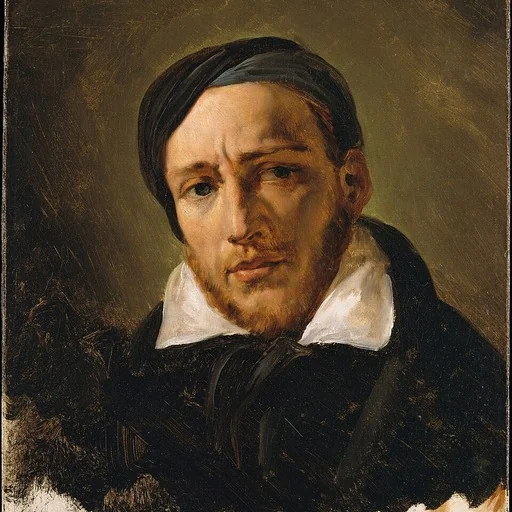
Jean-Louis André Théodore Géricault (French: ; 26 September 1791 – 26 January 1824) was a French painter and lithographer.

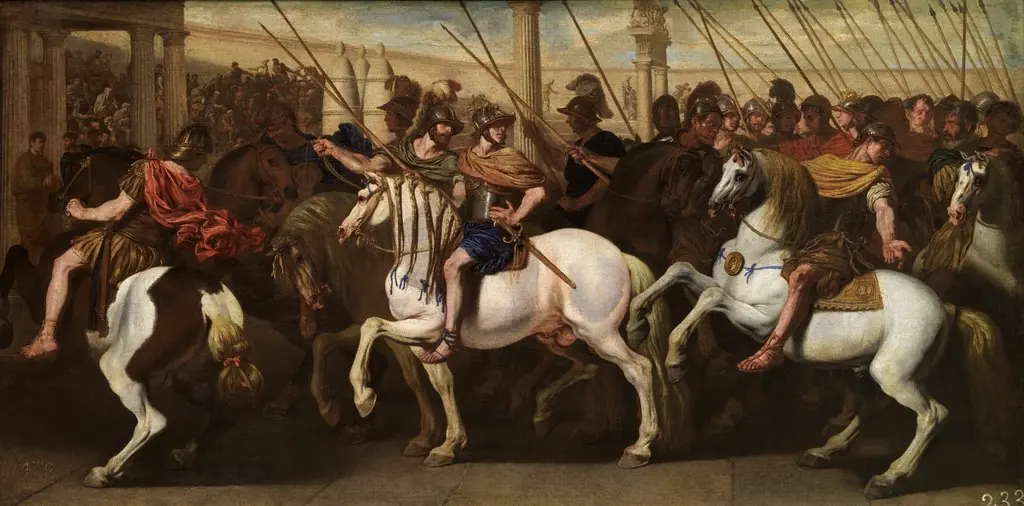 Roman Soldiers in the Circus
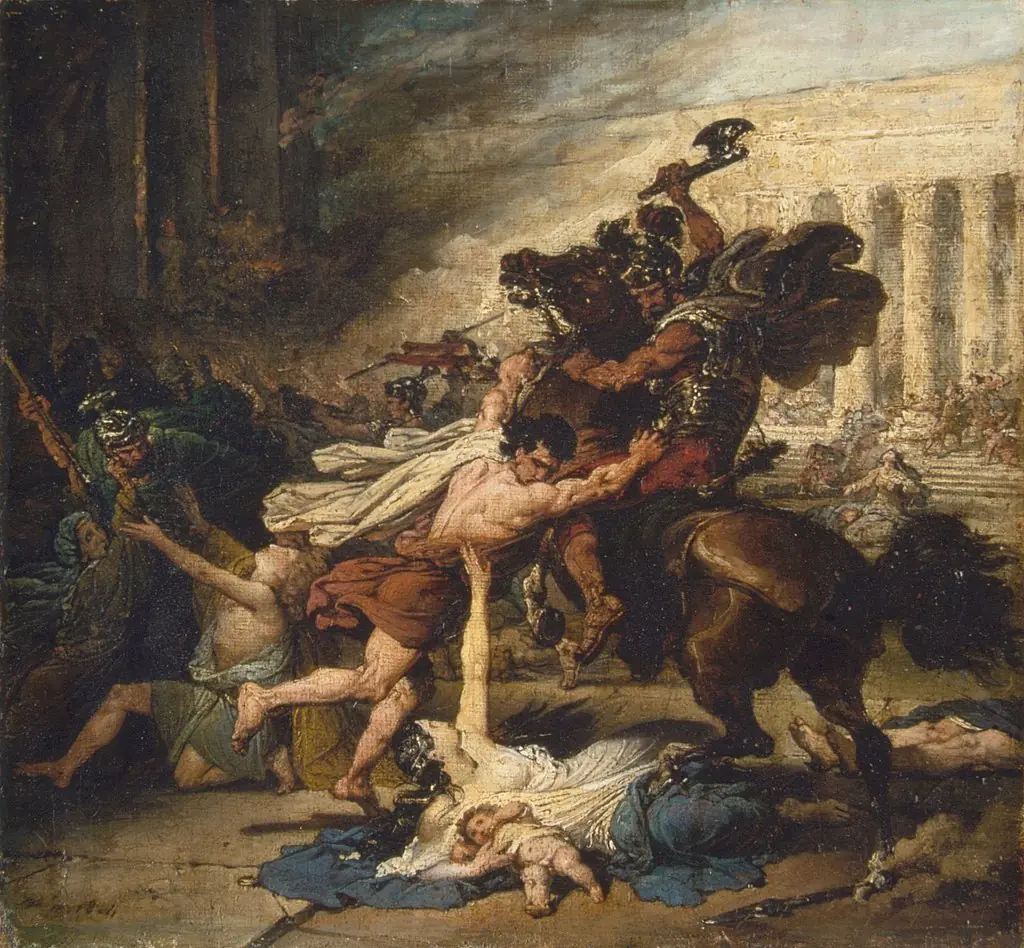 The Sack of Jerusalem by the Romans
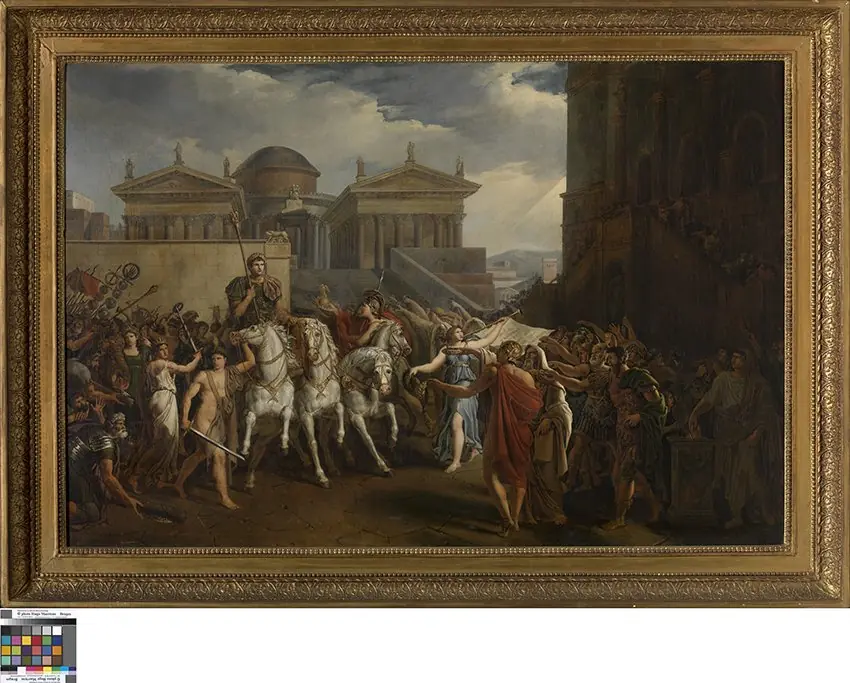 Triomftocht van keizer Trajanus
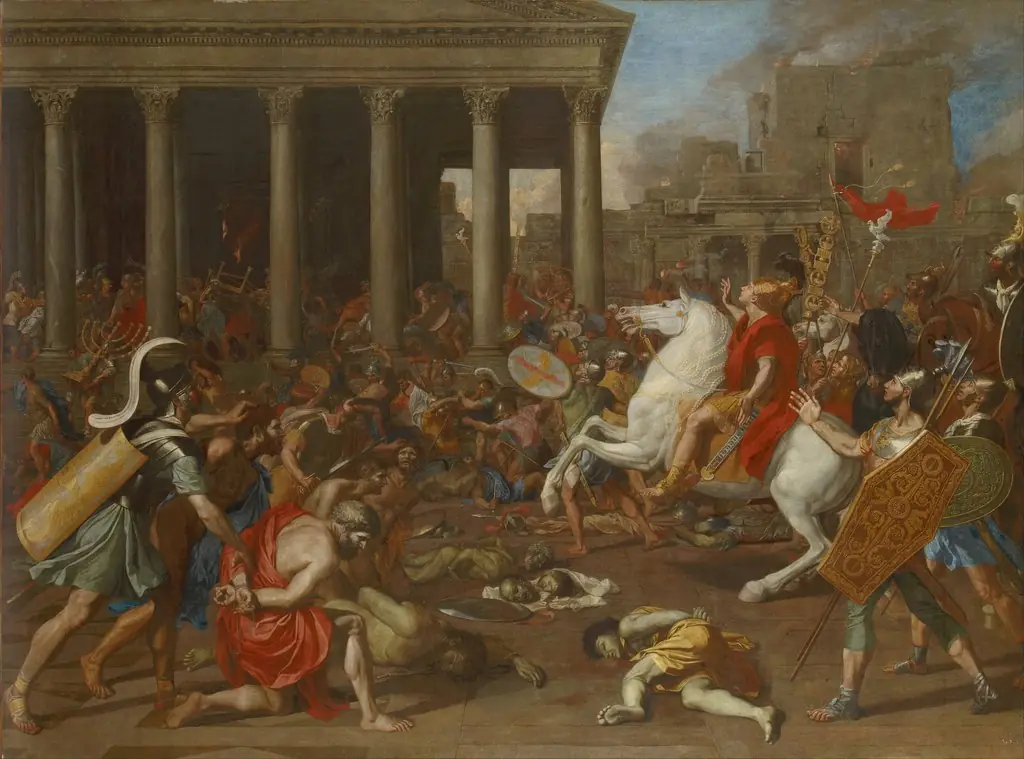 The Conquest of Jerusalem by Emperor Titus
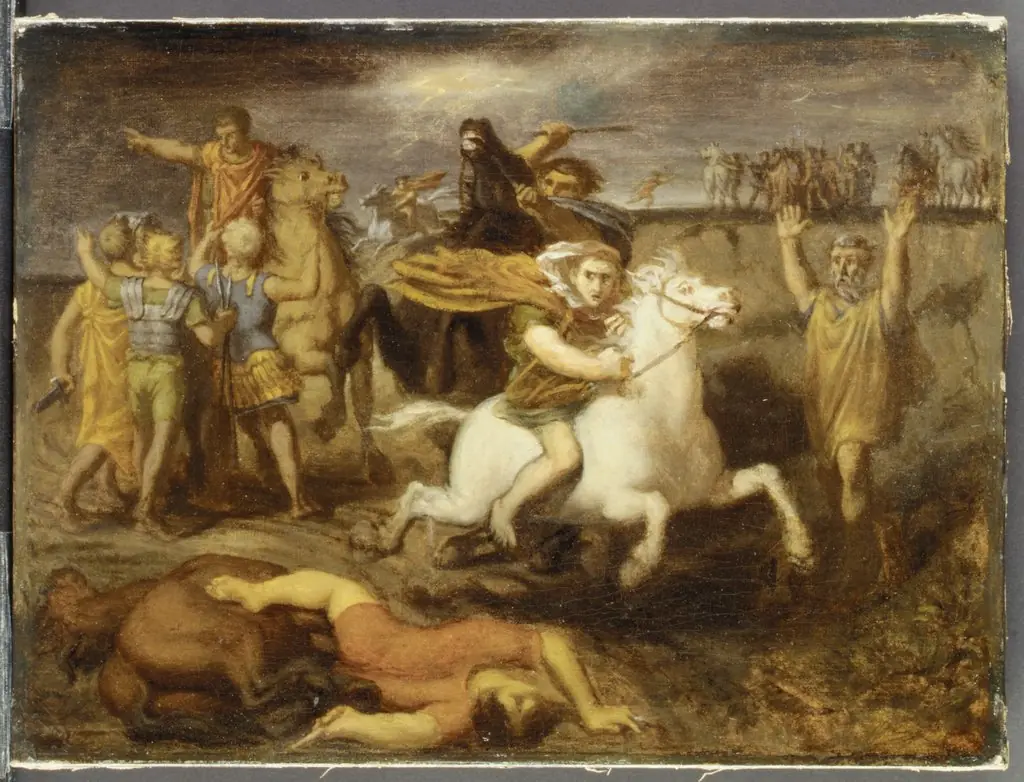 Scene from the Gallic Wars: The Gaul Littavicus, Betraying the Roman Cause, Flees to Gergovie to Support Vercingétorix
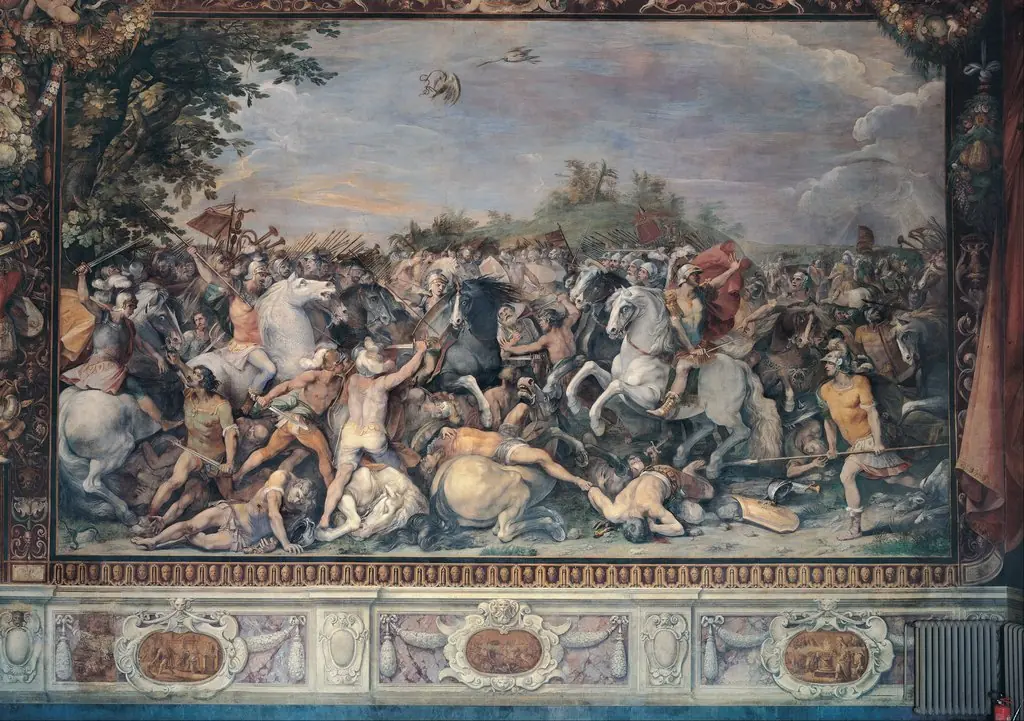 Battle against the inhabitants of Veii and Fidenae
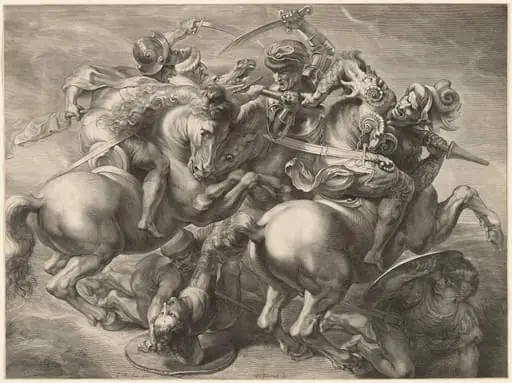 The Fight for the Standard
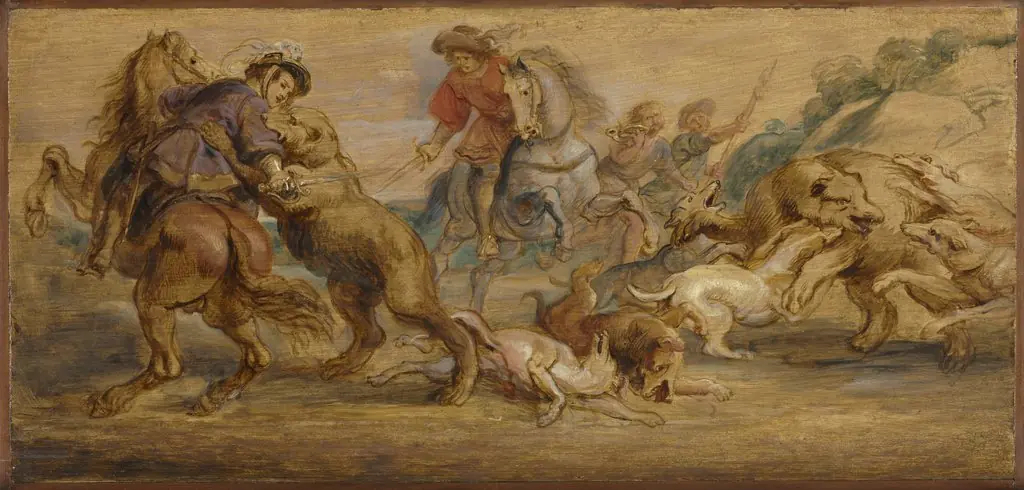 Study for "The Bear Hunt" (for the Alcázar, Madrid)
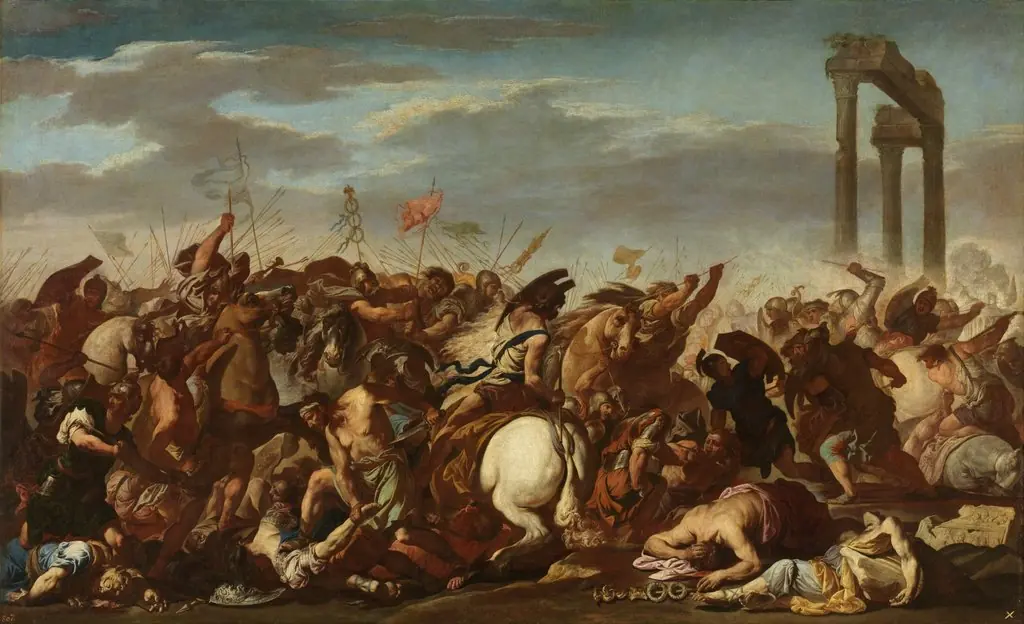 Batalla
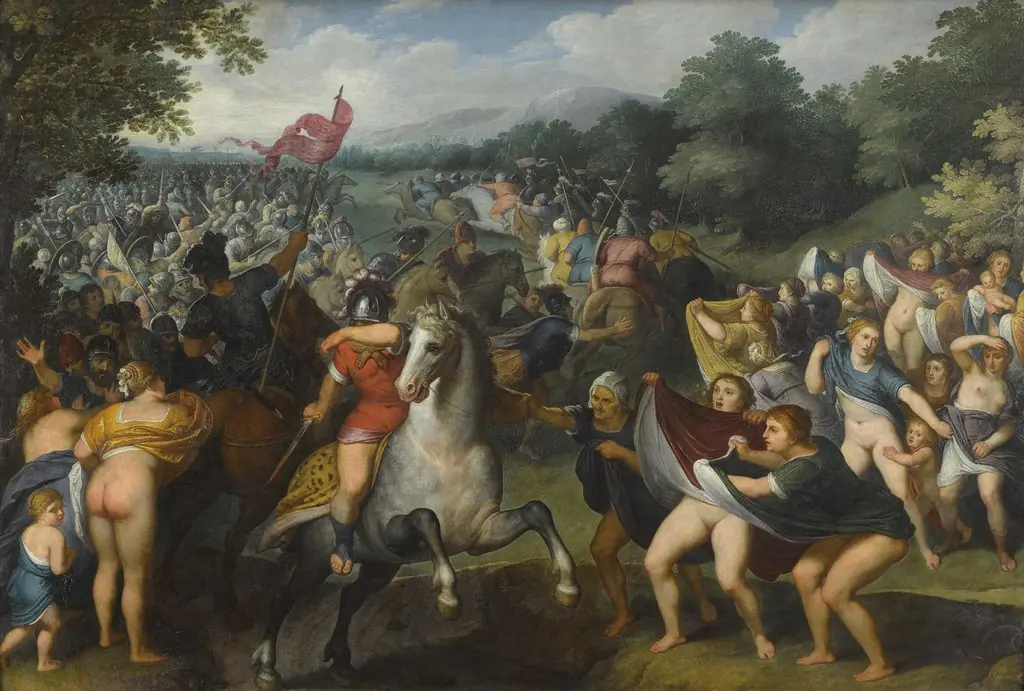 The Persian women
 Lion Hunt
 The Rape of the Sabine Women