Artwork
L'Honnête ouvrier
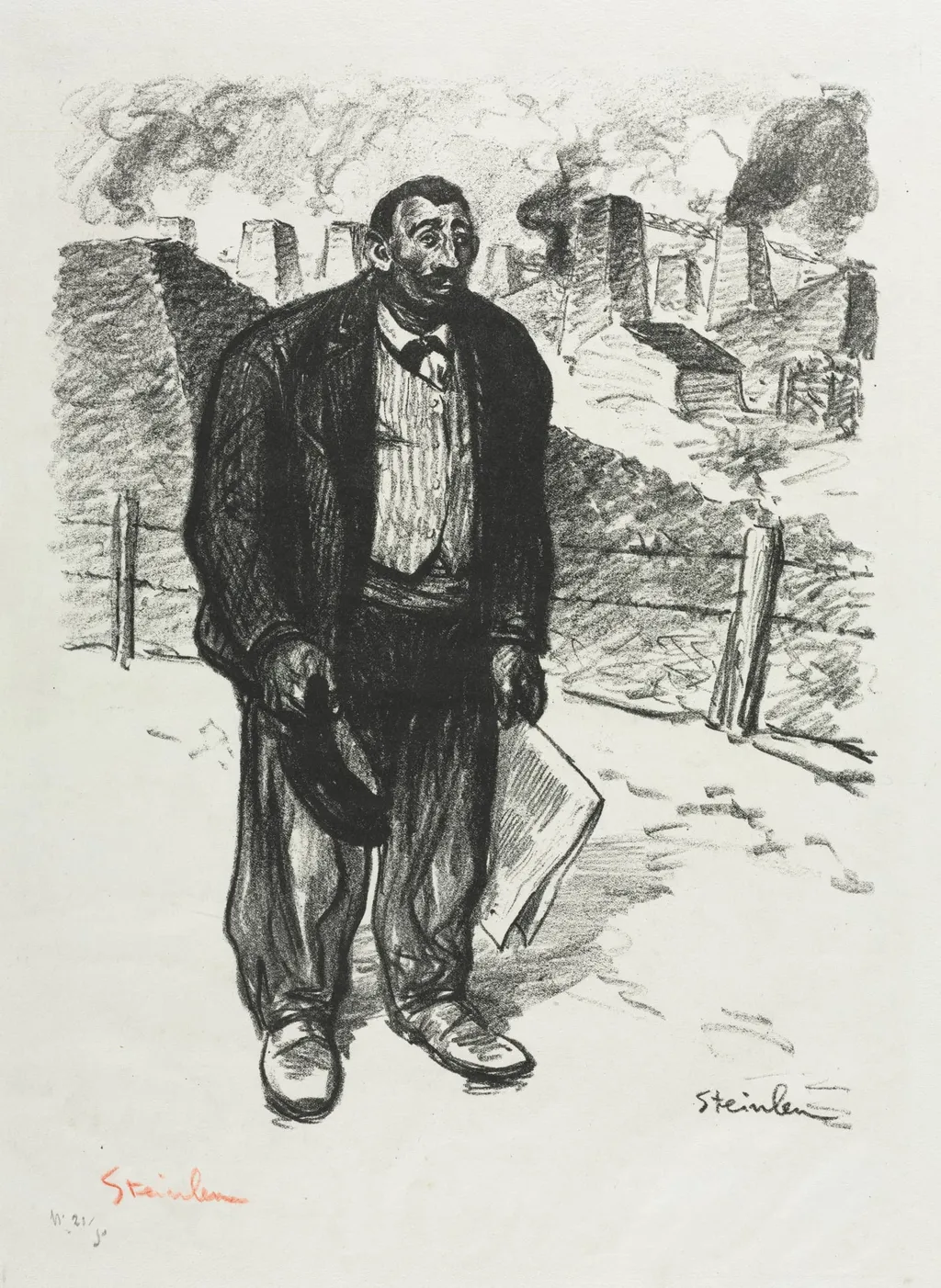
L'Honnête ouvrier is a print by the Impressionist artist Théophile Alexandre Steinlen. It dates from 1899 and is held in the collection of the Cleveland Museum of Art.
About this work
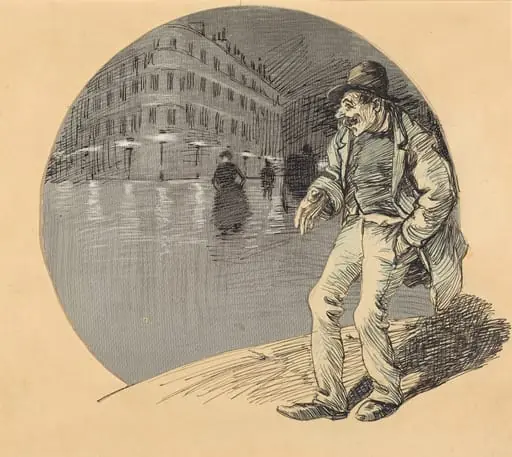
A man in a blue shirt and red cap holds a hammer. He stands in front of a brick wall. His clothes look worn but tidy.
This image isn’t about the worker alone. Steinlen often showed regular people with dignity. The clean lines and soft colors make the scene feel real, not staged.
His poster style shaped how we picture workers today. Look up Théophile Alexandre Steinlen (Swiss, 1859–1923) for more.
Overview
Created in 1899 by Swiss artist Théophile Alexandre Steinlen, L'Honnête ouvrier is a lithographic print that portrays a working-class man in quiet dignity.
Created in 1899 by Swiss artist Théophile Alexandre Steinlen, L'Honnête ouvrier is a lithographic print that portrays a working-class man in quiet dignity. The piece resides in The Cleveland Museum of Art’s collection and exemplifies Steinlen’s commitment to depicting everyday laborers with empathy. Its restrained palette and clear composition reflect the artist’s background in poster design and his interest in social realism.
Subject & Meaning
The figure is a laborer, dressed in a faded blue shirt and a red cap, gripping a hammer as he stands before a plain brick wall. His posture is calm, not heroic, suggesting quiet resilience rather than spectacle. Steinlen avoids romanticizing poverty; instead, he presents the worker as a person of substance, emphasizing dignity through ordinary presence rather than grandeur.
Technique & Style
Steinlen employed lithography to achieve soft, flowing lines and muted tones that lend the image a sense of immediacy. The absence of sharp detail or dramatic lighting grounds the scene in realism. His use of simplified forms and deliberate spacing reflects his experience in commercial poster design, yet he redirects those techniques toward humanistic observation rather than advertisement.
History & Provenance
The print was produced during a period of growing labor consciousness in late 19th-century France. Steinlen, known for his illustrations in socialist publications, often created images for workers’ causes. L'Honnête ouvrier entered The Cleveland Museum of Art’s collection in the 20th century, where it remains as part of a broader effort to document visual responses to industrial society.
Context
In the decades before World War I, artists across Europe began turning their attention to the lives of laborers, moving away from idealized classical subjects. Steinlen’s work aligned with this shift, influenced by contemporaries like Jules Bastien-Lepage and the rise of illustrated periodicals. His images offered a counter-narrative to elite-centric art, presenting workers as central figures in modern life.
Legacy
Steinlen’s depiction of the laborer influenced later visual representations of working-class identity in graphic arts and political imagery. His balance of simplicity and emotional depth became a model for socially engaged illustrators. Though not widely exhibited in his lifetime as fine art, his prints like L'Honnête ouvrier helped redefine the visual language of labor in the modern era.
Own this work as a print
Artist & collection
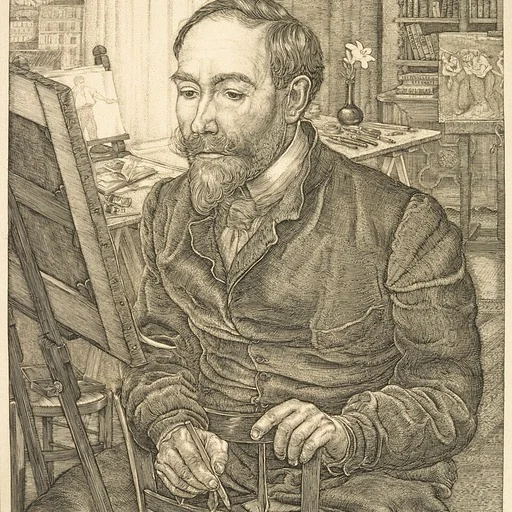
Artist
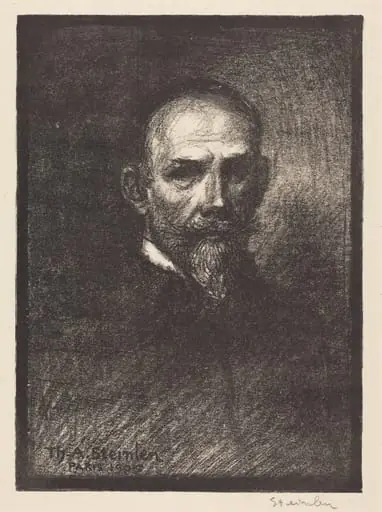
Théophile Alexandre Steinlen (November 10, 1859 – December 13, 1923), was a Swiss-born French Art Nouveau painter and printmaker. He was politically engaged and collaborated with the anarchist and socialist press.