Artwork
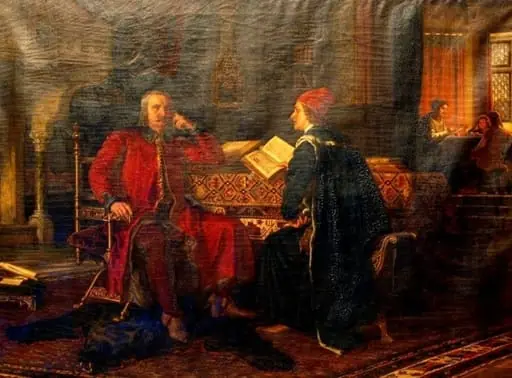
Iancu de Hunedoara discutând cu episcopul Ioan Vitesz
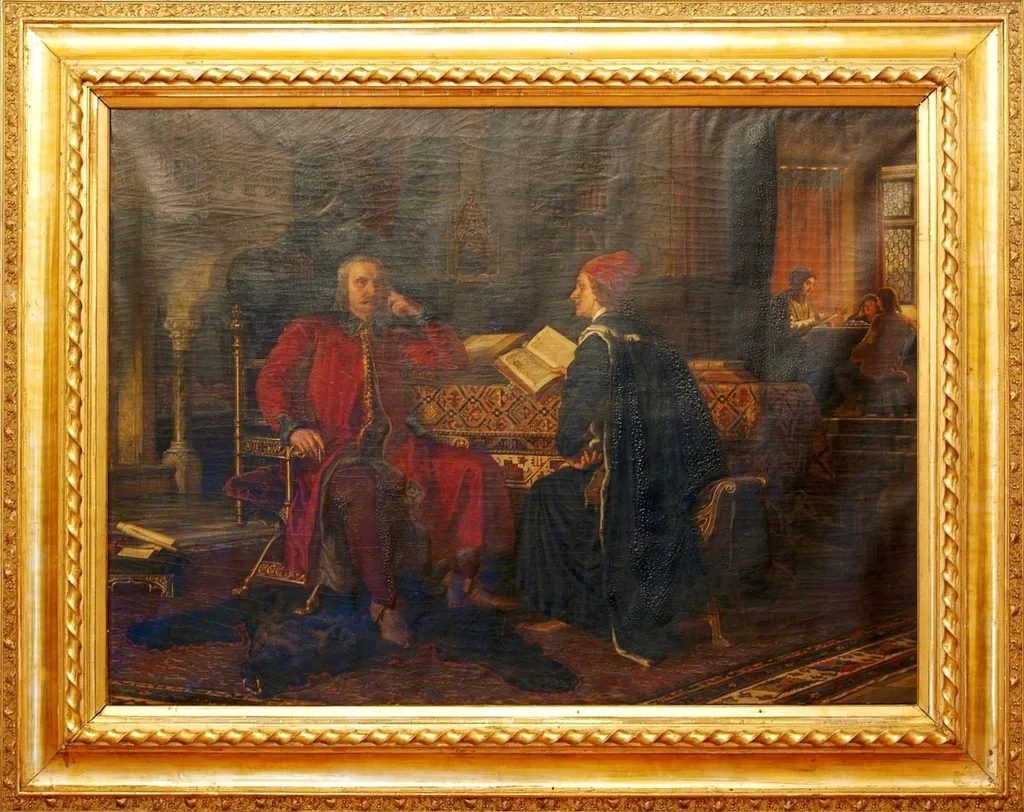
Iancu de Hunedoara discutând cu episcopul Ioan Vitesz is a print by Mór Than. It dates from 1850 and is held in the collection of the Țării Crișurilor Museum.
About this work
Overview
The painting resides in the Museum of Ethnography in Budapest, where it serves as a visual record of 15th-century political and ecclesiastical dialogue.
Painted around 1850 by Hungarian artist Mór Than, this work portrays a historical encounter between Iancu de Hunedoara and Bishop Ioan Vitesz. Than, trained in Hungary and influenced by his travels in Italy and France, aligned with the Realist tradition, favoring careful observation over romanticized narrative. The painting resides in the Museum of Ethnography in Budapest, where it serves as a visual record of 15th-century political and ecclesiastical dialogue.
Subject & Meaning
The scene captures a private meeting between Iancu de Hunedoara, a Transylvanian noble and military leader, and Bishop Ioan Vitesz, a key religious figure. Their interaction suggests negotiation over authority, resources, or loyalty during a turbulent period in Hungarian history. The composition emphasizes tension and formality, with neither figure dominating the other, reflecting the delicate balance of secular and spiritual power in medieval Transylvania.
Technique & Style
Than employs precise brushwork and muted tonal contrasts to render fabric, wood, and parchment with quiet realism. The figures are rendered with anatomical accuracy, their postures conveying restraint and deliberation. Rich textures in the chairs and wall hangings are rendered without embellishment, grounding the scene in tangible detail. The background figures remain blurred, directing focus to the central dialogue while suggesting a larger, active environment.
History & Provenance
Created during Than’s early career, the painting was likely commissioned or intended for public display in Hungary’s growing cultural institutions. It entered the collection of the Museum of Ethnography in the late 19th century, where it was preserved as part of a broader effort to document national history through visual art. Its survival through political upheavals underscores its perceived significance as a historical document rather than merely a decorative work.
Context
In mid-19th century Hungary, artists like Than sought to define a national identity through historical subjects, often drawn from medieval and early modern periods. This painting emerged amid a wave of interest in Transylvanian heritage, as intellectuals and institutions reclaimed regional narratives under Habsburg rule. The choice of a dialogue between noble and bishop reflects contemporary debates over autonomy, faith, and governance.
Legacy
Than’s work contributed to the foundation of Hungarian historical painting, influencing later generations to treat national history with documentary seriousness. While not widely exhibited abroad, the painting remains a reference point in Hungarian art education for its restrained realism and attention to period detail. It stands as a quiet testament to the role of art in preserving contested historical memory.
Artist & collection
Artist
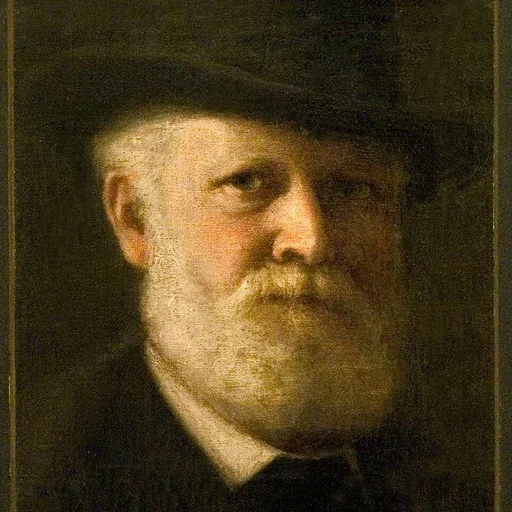
Mór Than (Hungarian: ; 19 June 1828 – 11 March 1899) was a Hungarian painter. He painted in the Realist school and worked with several high-profile Hungarian and Austrian painters of his time. He travelled around Italy,…

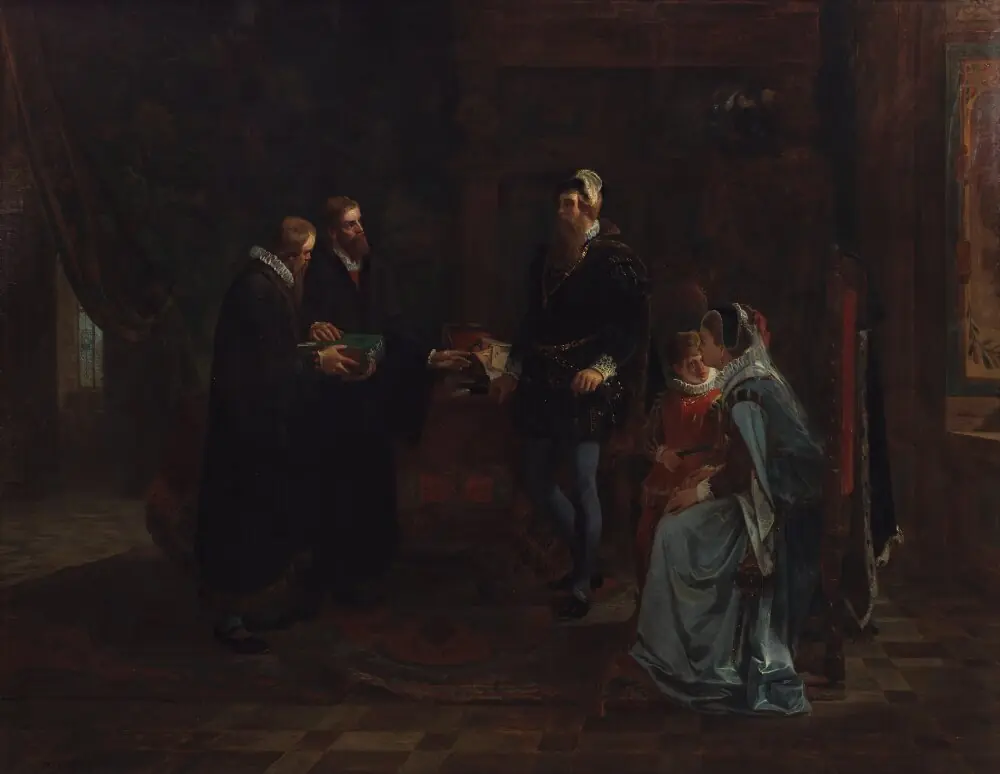 King Gustav Vasa of Sweden Receiving the Swedish Translation of the Bible
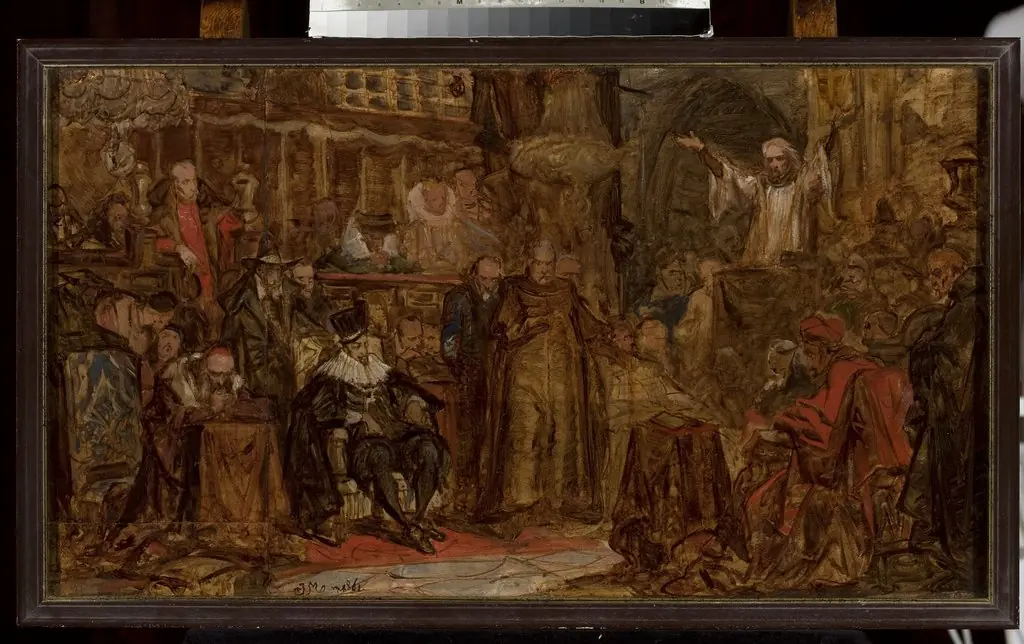 Sketch for “Skarga's Sermon”
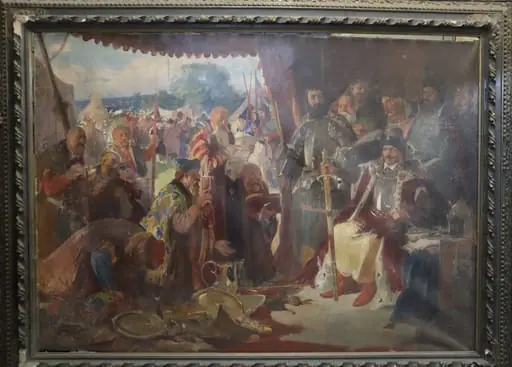 Ștefan cel Mare primind solii tătari
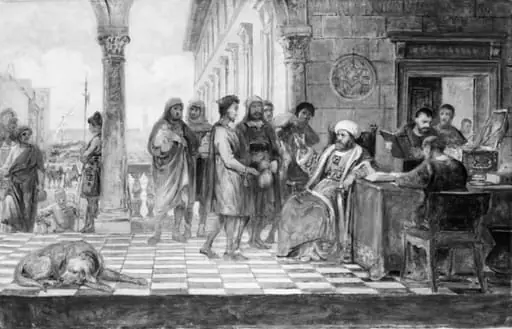 Lignelsen om de betroede pund
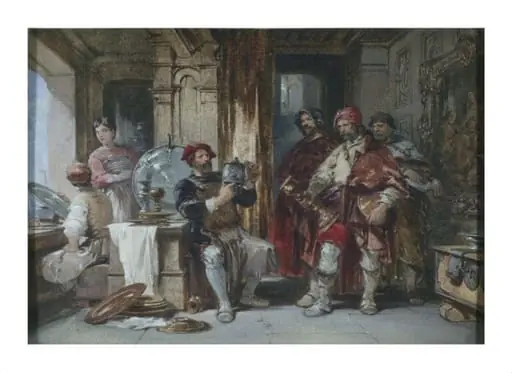 Cellini and the Robbers
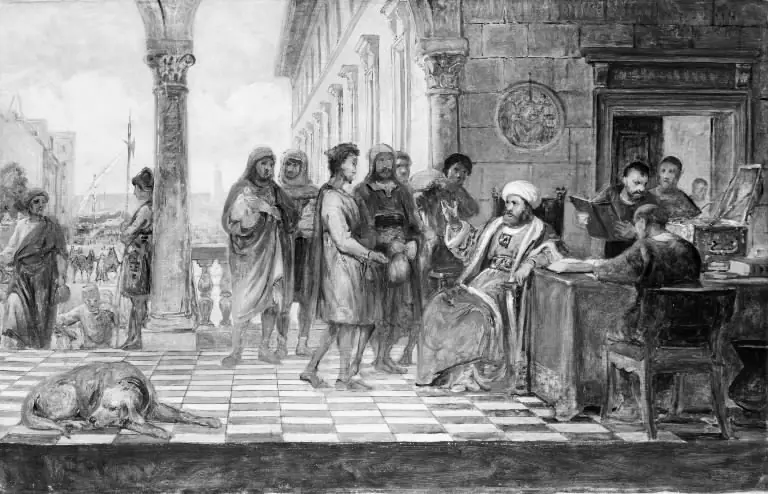 Lignelsen om de betroede pund
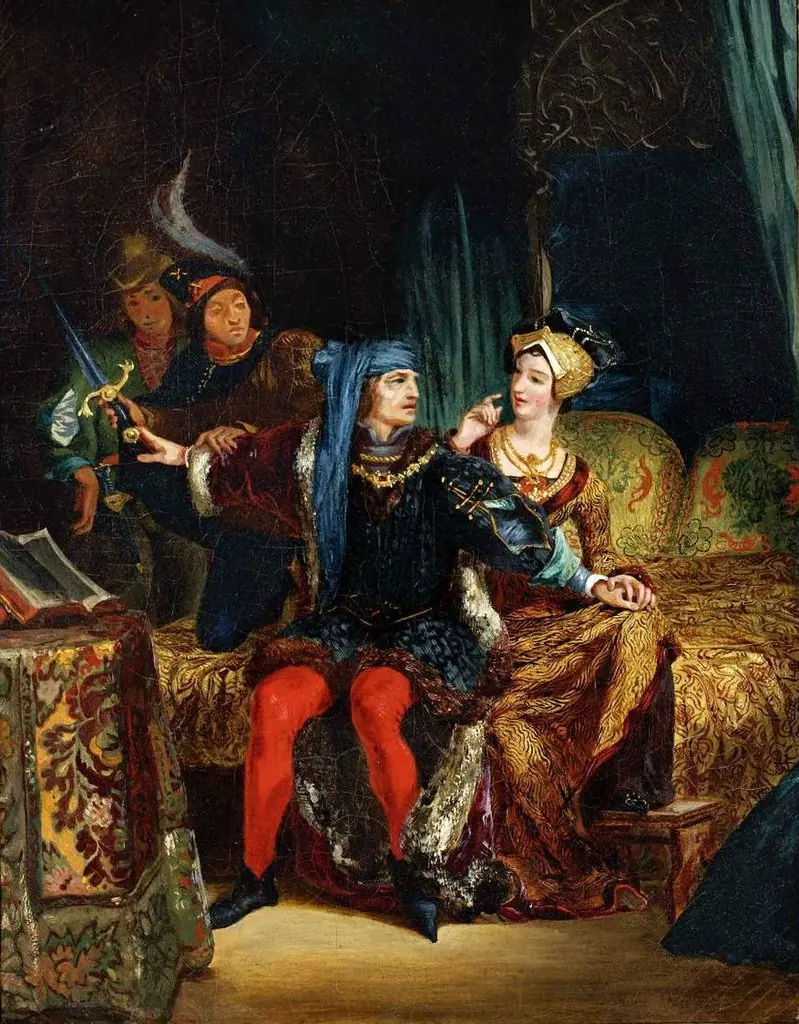 Charles VI et Odette de Champdivers
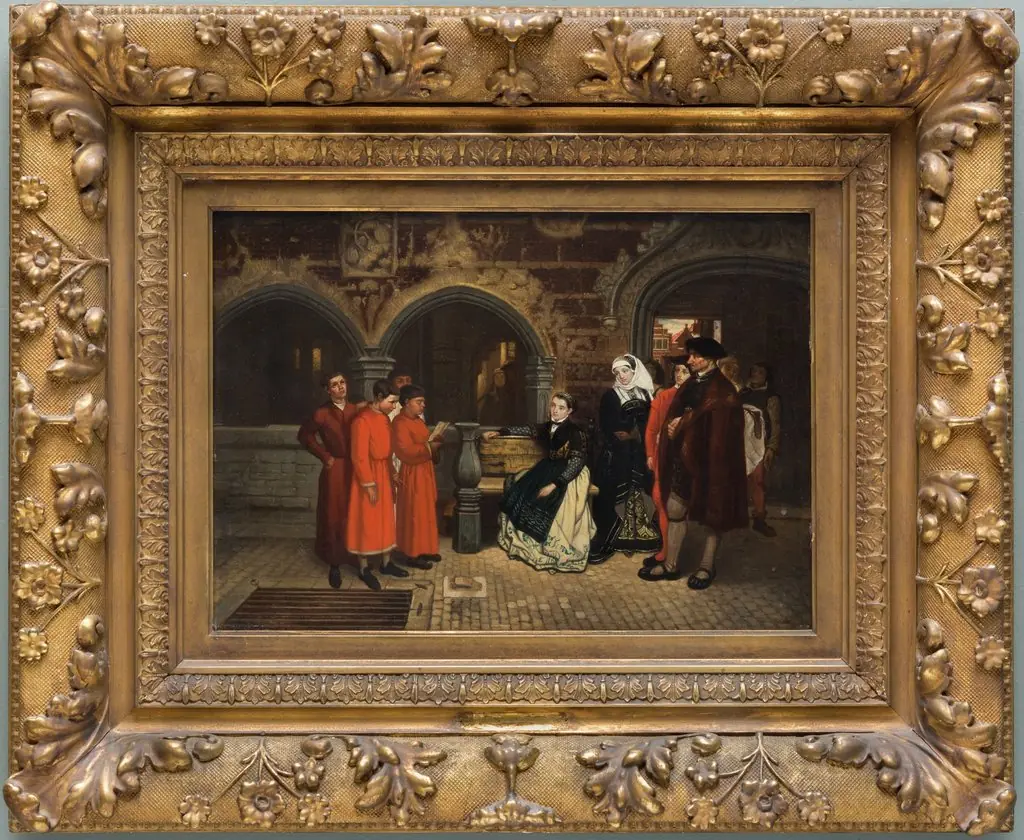 Martin Luther Singing in the Streets of Eisenach
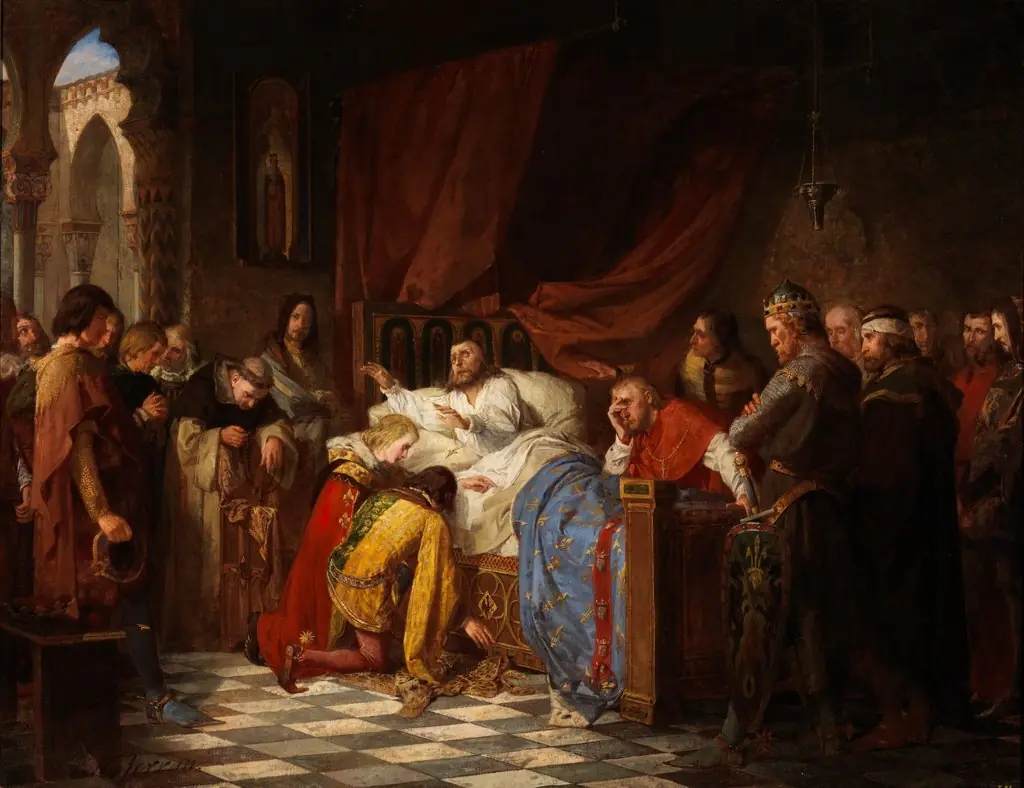 Felipe III de Francia moribundo bendiciendo a sus hijos
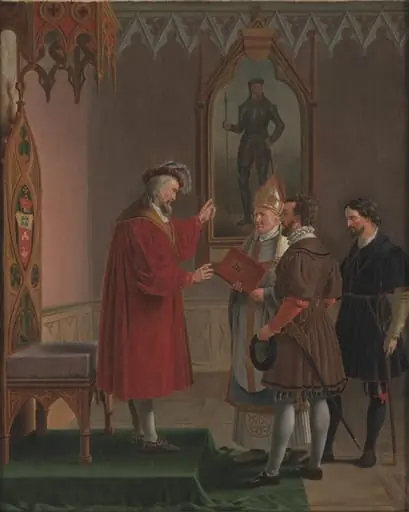 Adolf, Duke of Schleswig-Holstein, Declines the Offer to Accede to the Danish Throne. Copy after C. W. Eckersberg
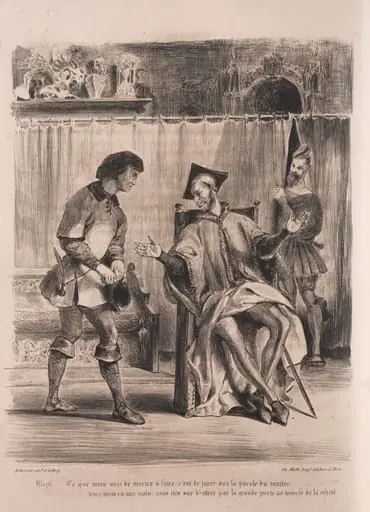 Illustrations for Faust: Méphistophélé receives the schoolboy