Artwork
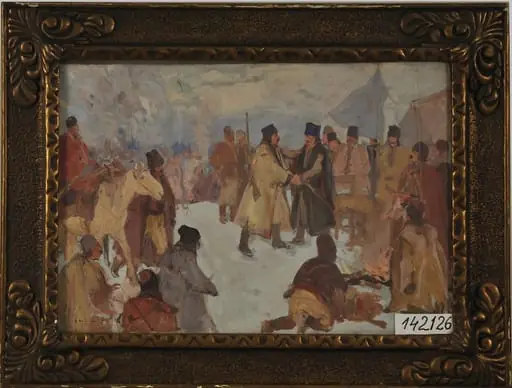
Ștefan cel Mare primind solii tătari
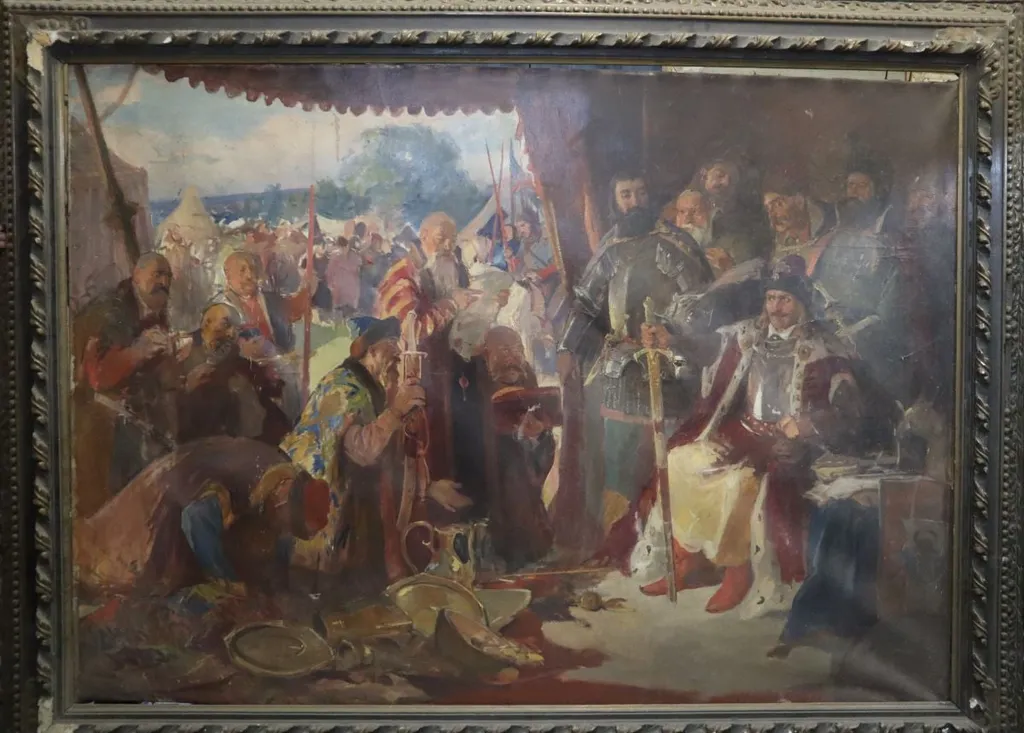
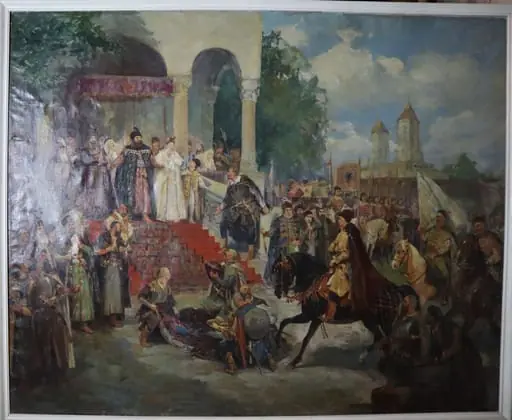
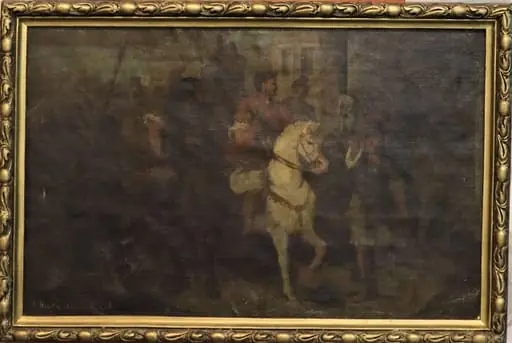
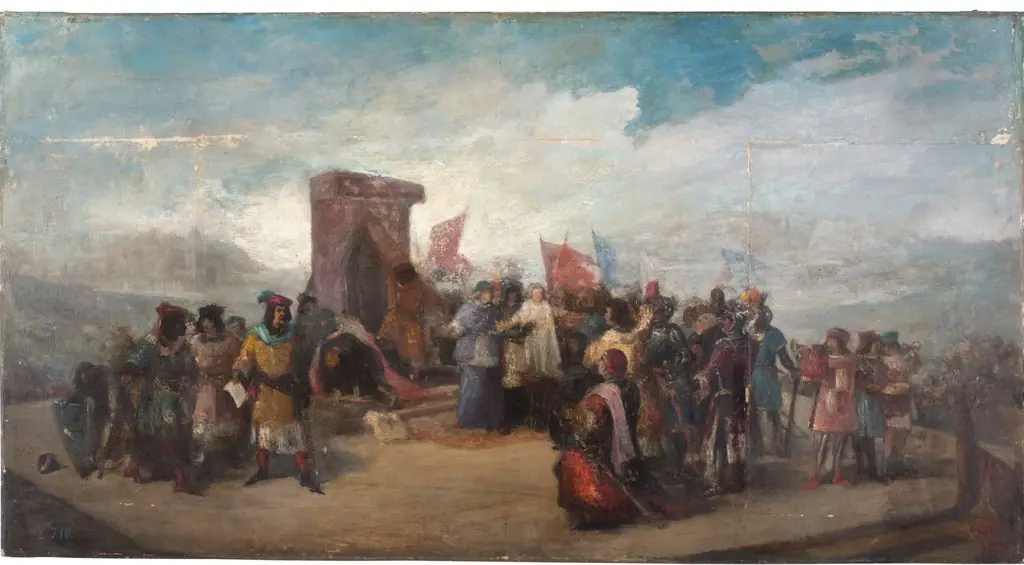
Ștefan cel Mare primind solii tătari is an unspecified painting by Ion Stoica Dumitrescu. It is held in the collection of the King Ferdinand I National Military Museum. This historical painting depicts Ștefan cel Mare, ruler of Moldavia, receiving envoys from the Tatars.
About this work
Overview
The scene is set outdoors beneath a clear sky, with figures arranged around the central leader in a composition emphasizing hierarchy and solemnity.
This historical painting depicts Ștefan cel Mare, ruler of Moldavia, receiving envoys from the Tatars. The scene is set outdoors beneath a clear sky, with figures arranged around the central leader in a composition emphasizing hierarchy and solemnity. Dressed in ornate traditional attire, the men convey a sense of diplomatic tension. The work belongs to the genre of history painting, aiming to commemorate a moment of political significance from the late medieval period.
Subject & Meaning
The painting illustrates a diplomatic encounter between Ștefan cel Mare and Tatar messengers, likely during a period of negotiation or tribute exchange. The central figure’s poised demeanor and the attentive, varied reactions of his attendants suggest a moment of strategic deliberation. The presence of weapons and ceremonial dress underscores the gravity of the interaction, reflecting the fragile balance of power between Moldavia and the steppe nomads.
Technique & Style
The artist employs detailed rendering of textiles, headgear, and weaponry to emphasize cultural specificity. Figures are arranged in a semi-circular formation, drawing focus to the ruler. The background features soft, naturalistic elements—trees and clouds—that frame the scene without distracting from the human interaction. Lighting is even, avoiding dramatic contrasts, reinforcing the work’s documentary intent over theatricality.
History & Provenance
The painting resides in the Museum of Ethnography, suggesting its original purpose was to document cultural and political traditions rather than to glorify individual heroism. While the exact date of creation is not specified, its style aligns with 19th-century nationalist historiography, when such scenes were often commissioned to reinforce regional identity through visual narrative.
Context
During Ștefan cel Mare’s reign in the late 15th century, Moldavia navigated complex relationships with the Ottoman Empire, Poland, and the Tatars. Diplomatic exchanges with Tatar groups were common, often involving tribute, alliances, or military truces. This painting reflects a later reinterpretation of those interactions, shaped by 19th-century efforts to construct a continuous narrative of Romanian sovereignty.
Legacy
The painting contributes to a broader 19th-century tradition of visualizing national heroes and historical moments to foster collective identity. Though not widely known outside regional collections, it remains a tangible artifact of how historical memory was shaped through art during a period of emerging nation-states in Eastern Europe.
Artist & collection
Artist
Ion Stoica Dumitrescu made paintings, prints, and sculpture that look like historical scenes you’d see in old books.
Museum
King Ferdinand I National Military Museum
Continue through works from the same source collection.