Artwork
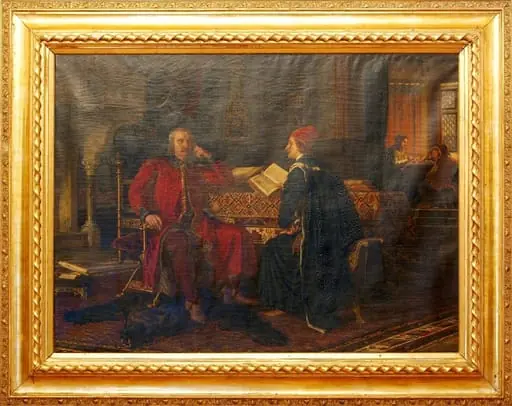
Iancu de Hunedoara discutând cu Ioan Vitesz
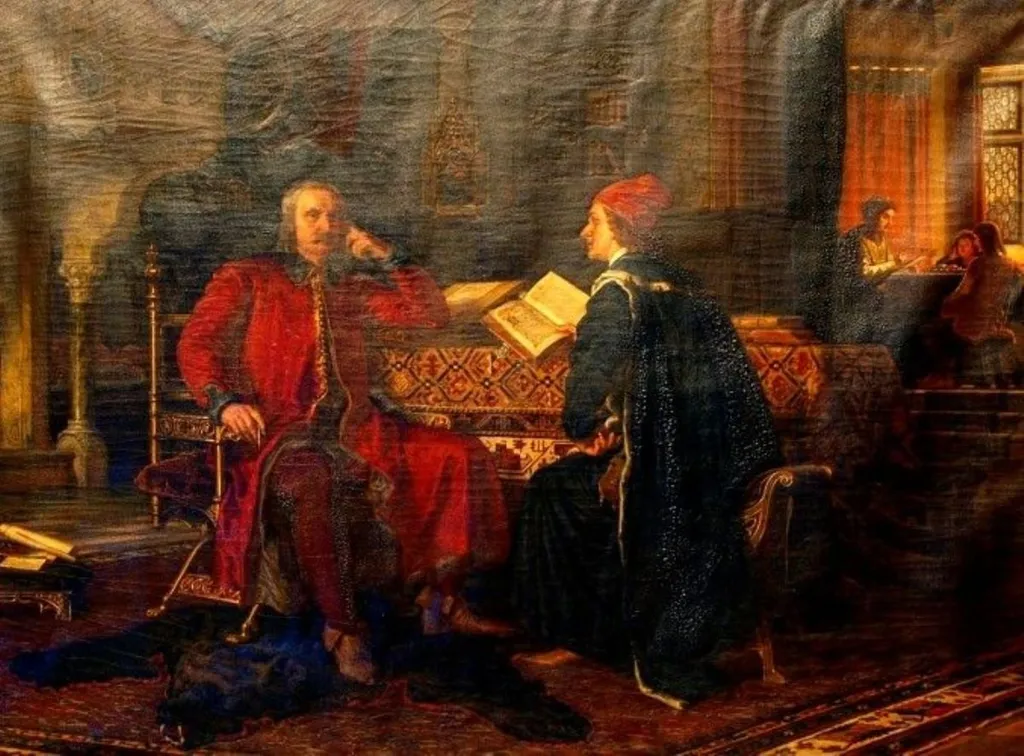
Iancu de Hunedoara discutând cu Ioan Vitesz is a print by Mór Than. It dates from 1850 and is held in the collection of the Țării Crișurilor Museum.
About this work
Overview
Painted by Hungarian artist Mór Than around 1850, this historical scene depicts a moment of quiet exchange between two figures from 15th-century Transylvania. Executed in the Realist tradition, the work avoids romanticized drama, instead focusing on subtle gestures and atmospheric lighting to convey tension and authority. It is held in the collection of the Museum of Ethnography in Budapest.
Subject & Meaning
The older man’s seated posture and cane suggest age and experience, while the younger man’s attentive stance and open book imply intellectual engagement.
The painting portrays Iancu de Hunedoara, a nobleman and military leader, in conversation with Ioan Vitesz, a scholar or clerk. The older man’s seated posture and cane suggest age and experience, while the younger man’s attentive stance and open book imply intellectual engagement. The scene suggests a moment of counsel or decision-making, reflecting the interplay between political power and learned tradition in medieval Transylvanian society.
Technique & Style
Than employs chiaroscuro to model form and direct attention, with warm light spilling from a doorway to illuminate the central figures against shadowed stone walls. Textures are rendered with precision—the rich red of the robe, the roughness of the cushion, the sheen of the book’s pages—while the muted palette of the background enhances the figures’ presence. The composition is tightly framed, emphasizing intimacy over grandeur.
History & Provenance
Created after Than’s studies in Italy and France, the painting reflects his exposure to European historical realism. It entered the Museum of Ethnography’s collection in the late 19th century, likely acquired as part of efforts to document national heritage. Its preservation reflects its role in shaping a visual narrative of Transylvanian history during Hungary’s 19th-century cultural revival.
Context
In mid-19th-century Hungary, historical painting served as a tool for national identity formation. Than’s depiction of a Transylvanian noble and his advisor aligns with broader efforts to reclaim regional histories within the Habsburg Empire. The choice of a quiet, interior moment rather than a battle scene signals a shift toward psychological and cultural depth in national historiography.
Legacy
Though not widely exhibited beyond Hungary, the painting remains a significant example of Realist historical painting in Central Europe. It influenced later depictions of medieval figures in Hungarian art by prioritizing authenticity over spectacle. Its quiet intensity continues to inform how historical figures are visually interpreted in institutional settings.
Artist & collection
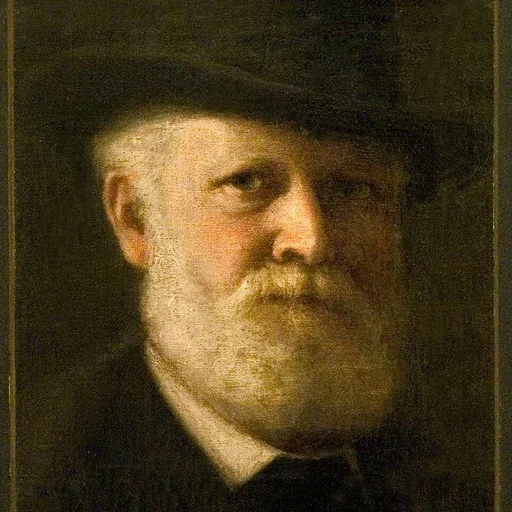
Artist
Mór Than (Hungarian: ; 19 June 1828 – 11 March 1899) was a Hungarian painter. He painted in the Realist school and worked with several high-profile Hungarian and Austrian painters of his time. He travelled around Italy,…

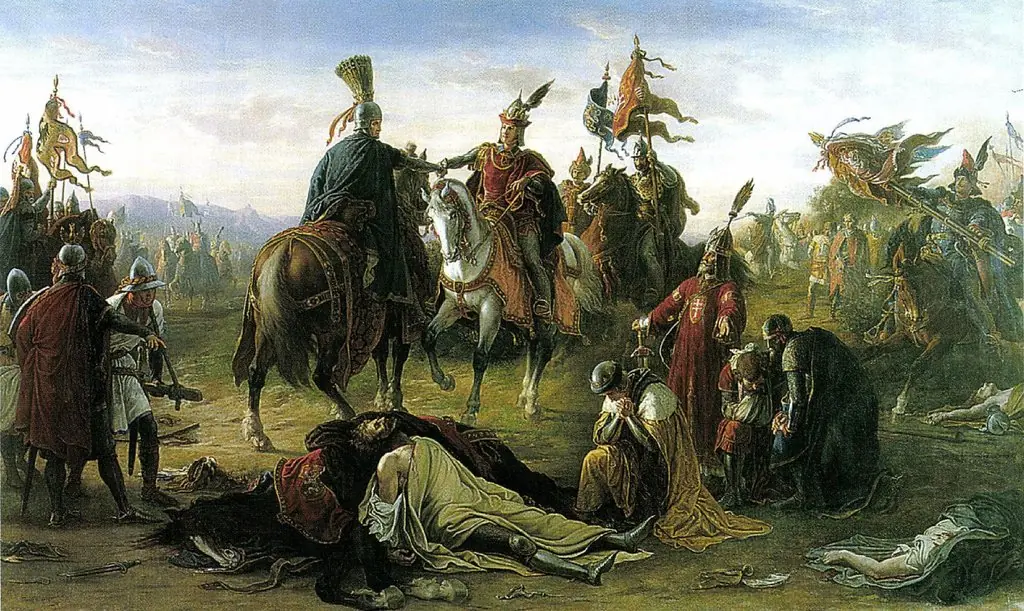
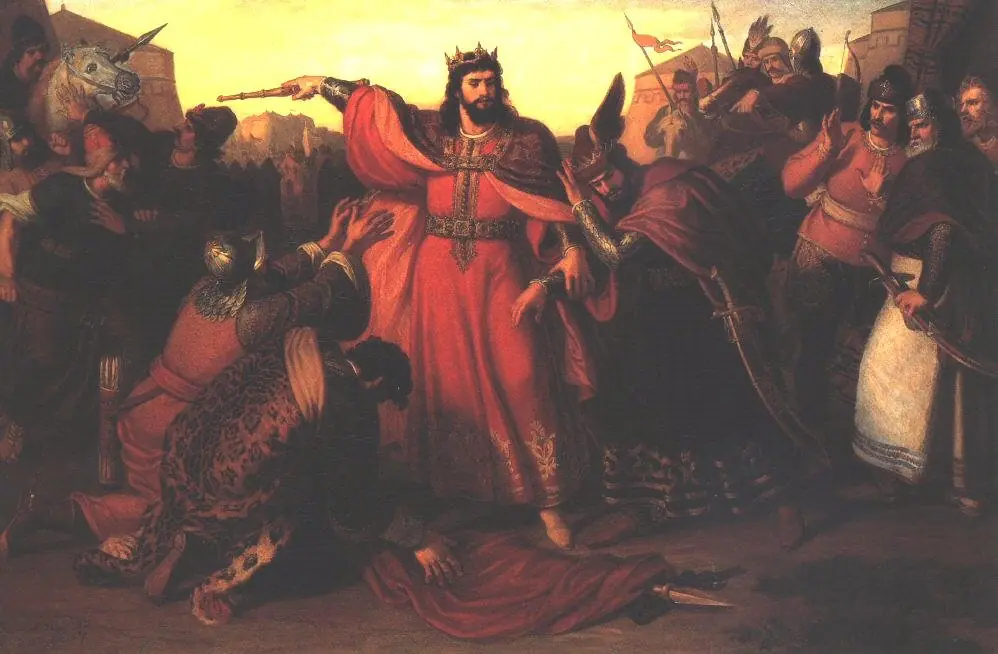
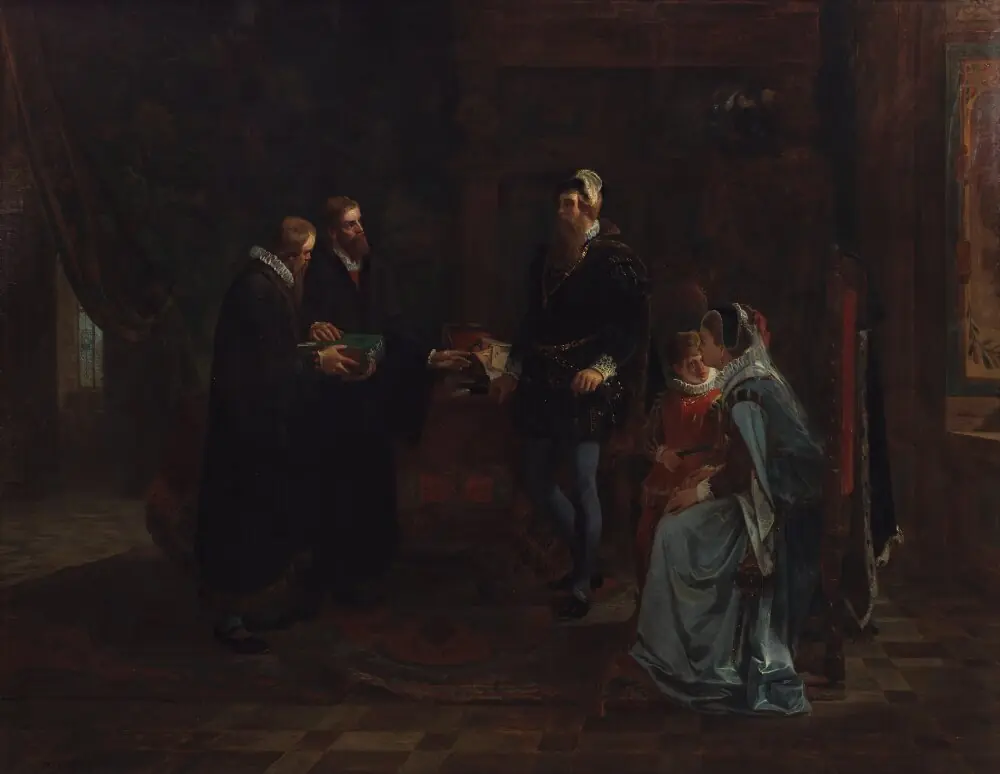 King Gustav Vasa of Sweden Receiving the Swedish Translation of the Bible
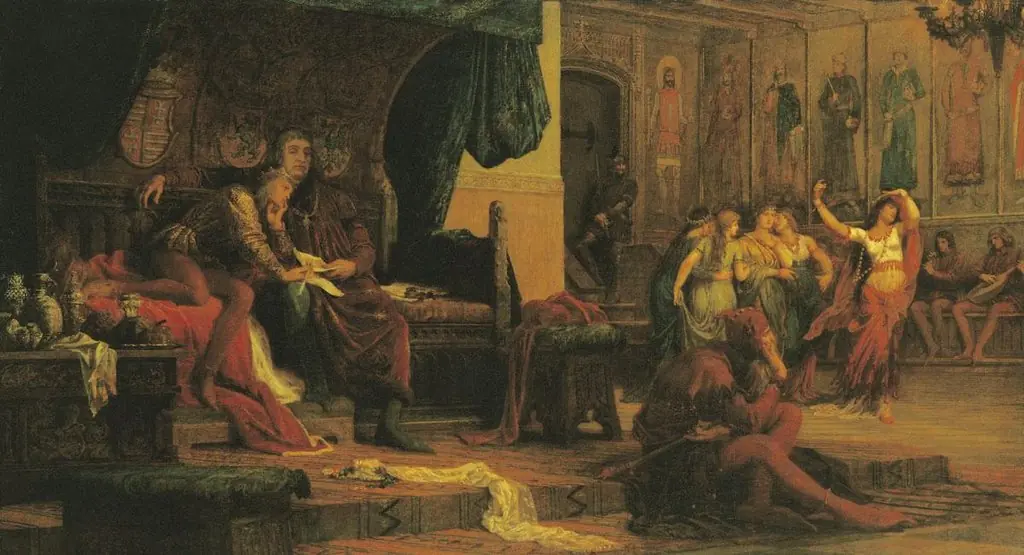 King László V and Regent Ulrik Czillei
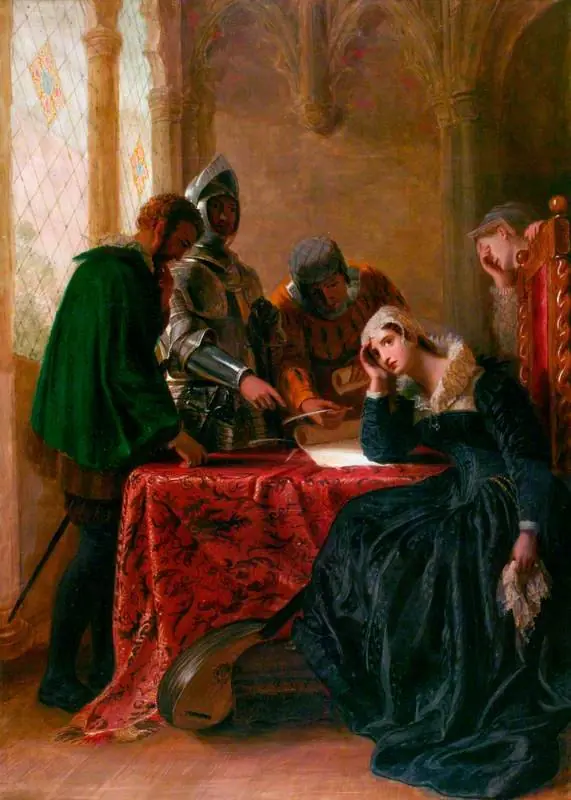 The Abdication of Mary, Queen of Scots
 Lignelsen om de betroede pund
 Lignelsen om de betroede pund
 Educación del príncipe don Juan
 Jan Hus at Constance
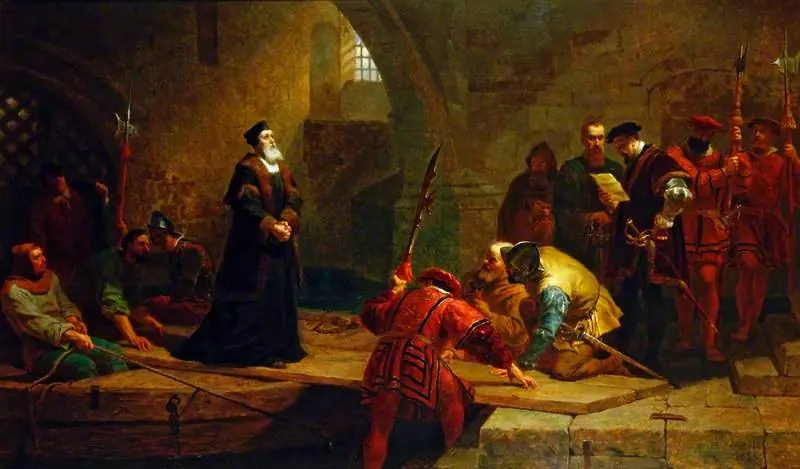 Cranmer at Traitor's Gate
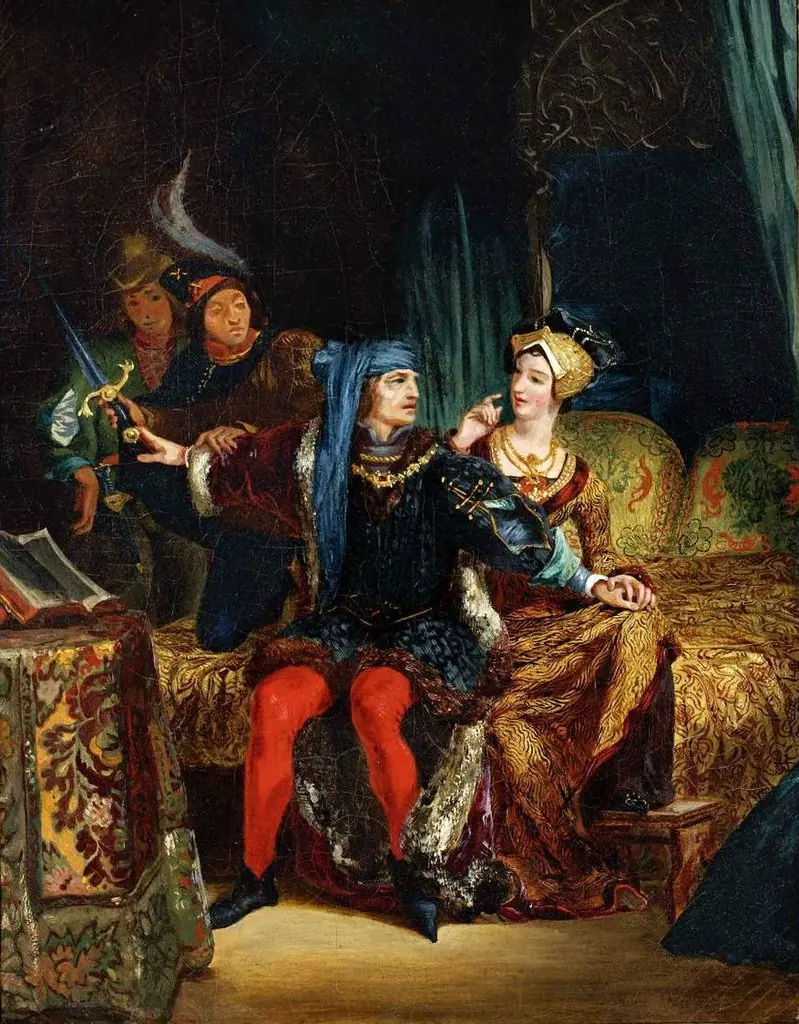 Charles VI et Odette de Champdivers
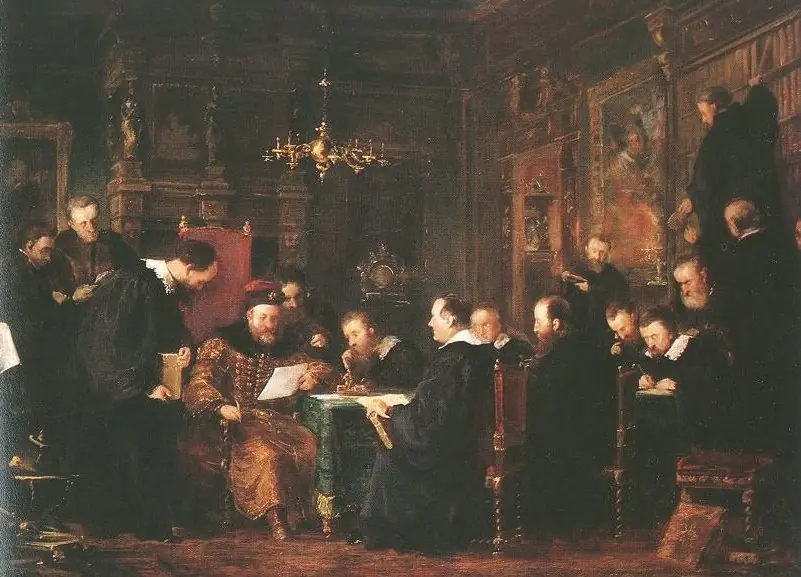 Gábor Bethlen among his Scholars
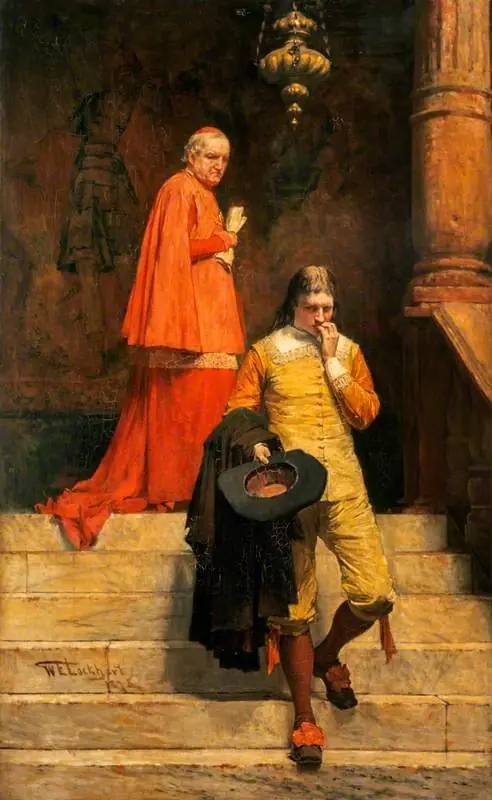 Gil Blas and the Archbishop of Granada (from Lesage's 'The Adventures of Gil Blas de Santillane')