Artwork
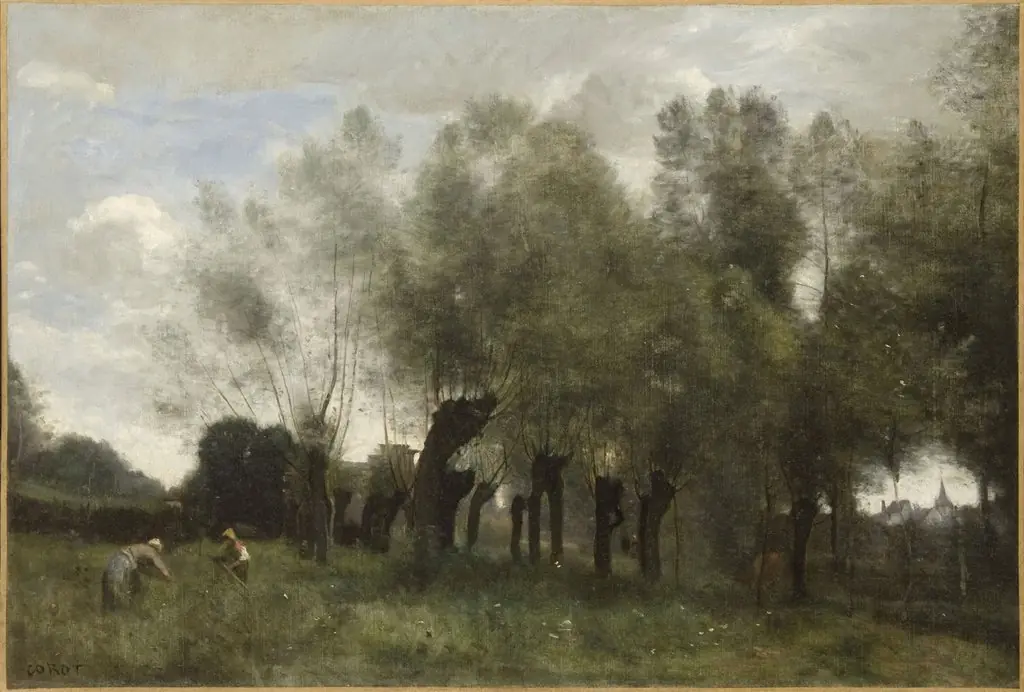
Willows
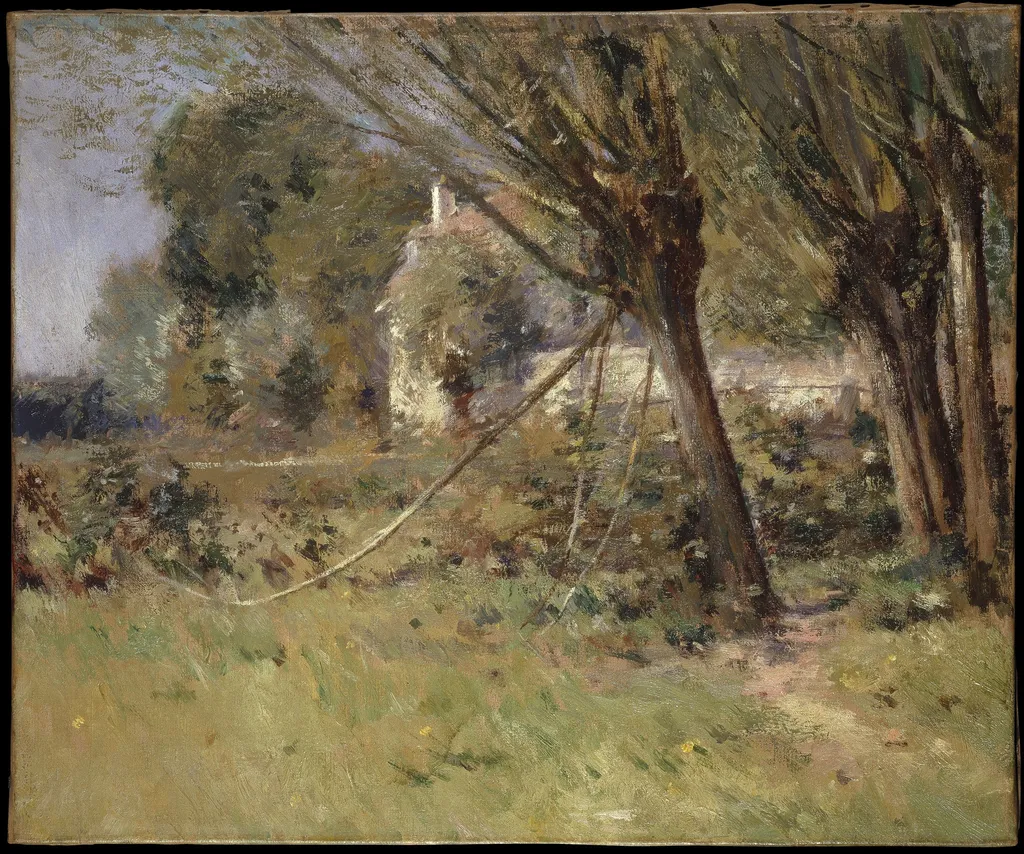
Willows is an oil painting by the American Impressionist artist Theodore Robinson. It dates from 1896 and is held in the collection of the Brooklyn Museum.
About this work
Overview
The work titled Willows, executed in oil in 1896, depicts a tranquil rural scene. A cluster of willow trees occupies the foreground, their slender branches splaying outward, while a modest building with a chimney rises in the distance beneath a soft, hazy sky. The composition conveys a quiet, contemplative atmosphere.
Subject & Meaning
The painting focuses on the interplay between natural and built environments, emphasizing the delicate forms of the willows against the sturdier silhouette of the house. The muted tones and gentle light suggest a moment of stillness, inviting viewers to consider the subtle rhythms of everyday countryside life.
Technique & Style
Robinson employs oil on canvas to achieve a layered surface, allowing brushstrokes to remain visible and impart a sense of depth. A restrained palette of greens, browns, and grays dominates, while the soft, diffused sky enhances the overall calm. The handling of light and texture reflects an Impressionist sensitivity to atmosphere.
History & Provenance
Created toward the end of Robinson’s career, Willows entered the collection of the Brooklyn Museum, where it remains on public display. The museum’s acquisition records indicate the work has been part of its American art holdings since the early 20th century, providing a reference point for the artist’s later landscape output.
Context
Willow trees were a frequent motif among American painters influenced by French Impressionism, and Robinson’s treatment aligns with his contemporaries’ interest in plein‑air observation. The painting’s subdued color scheme and emphasis on fleeting light echo the broader shift in American art toward more intimate, atmospheric depictions of rural settings.
Artist & collection


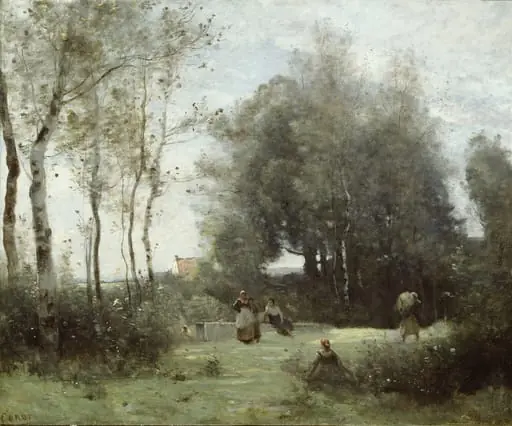 Arleux-Palluel, The Bridge of Trysts
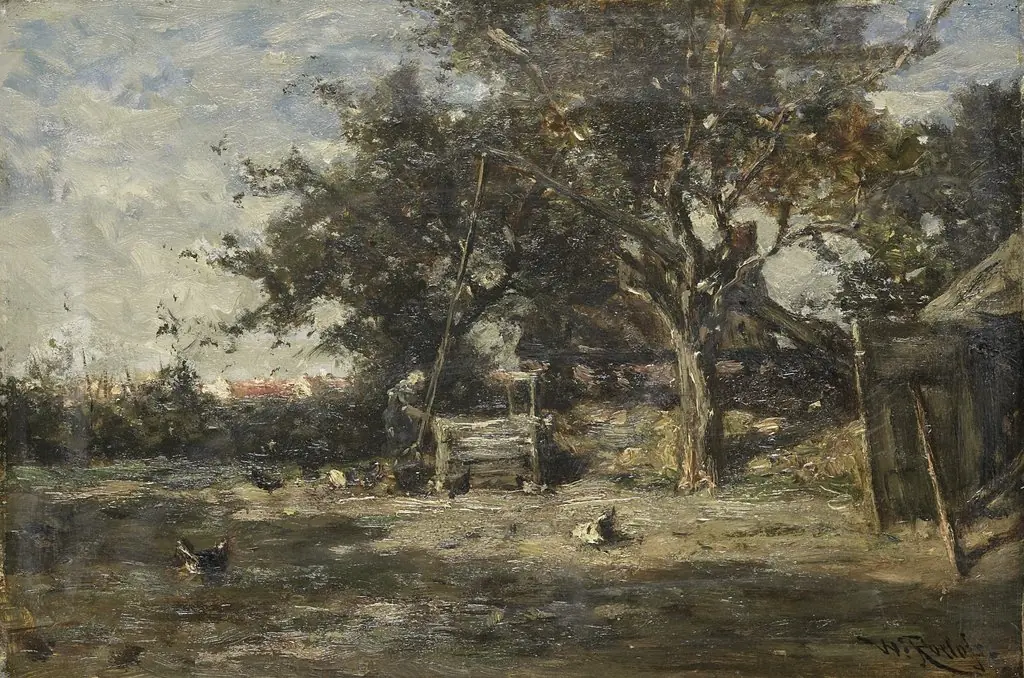 Boerenerf bij Noorden
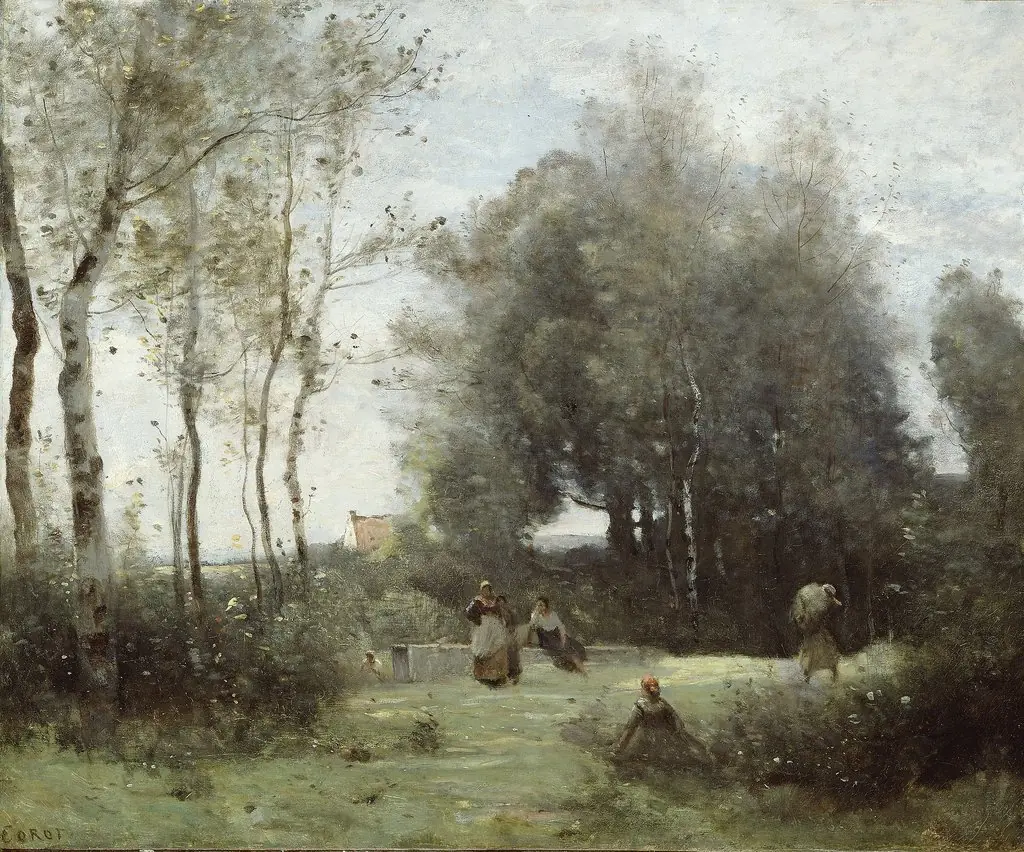 Arleux-Palluel, The Bridge of Trysts
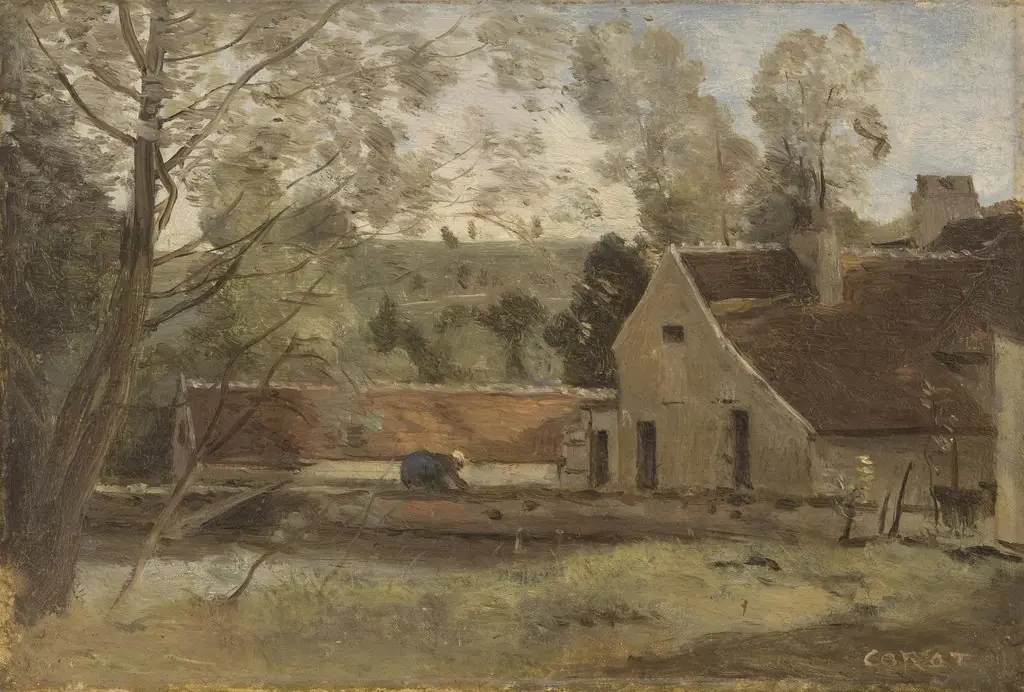 Château Thierry
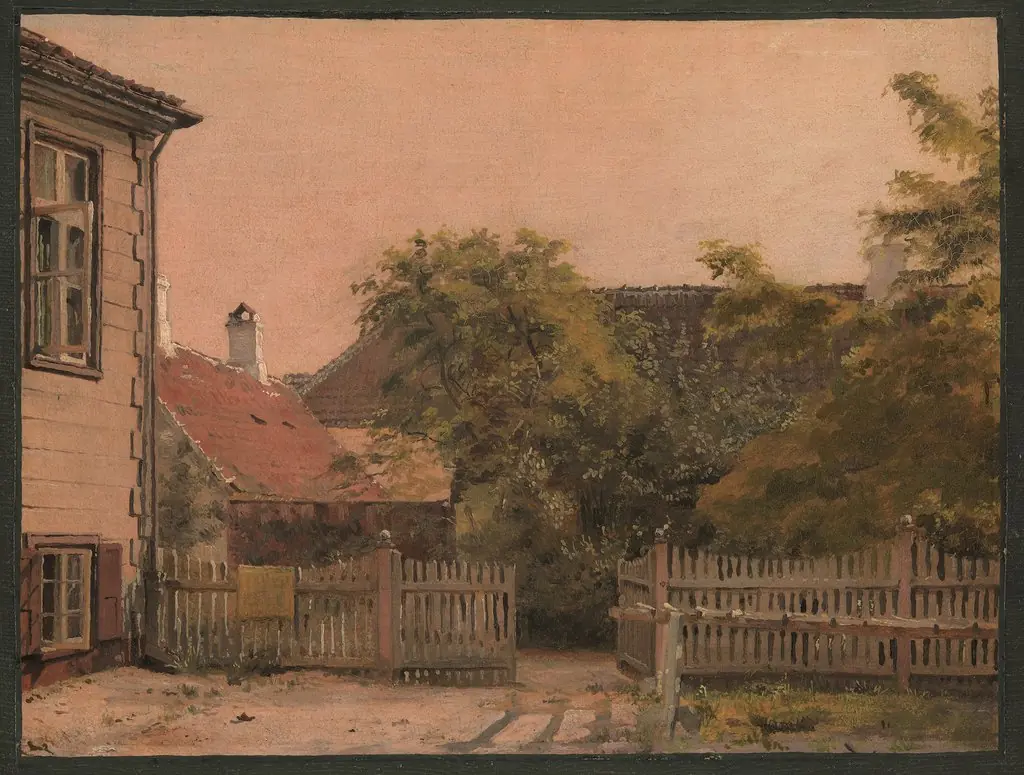 A Corner of the Artist´s Father's House
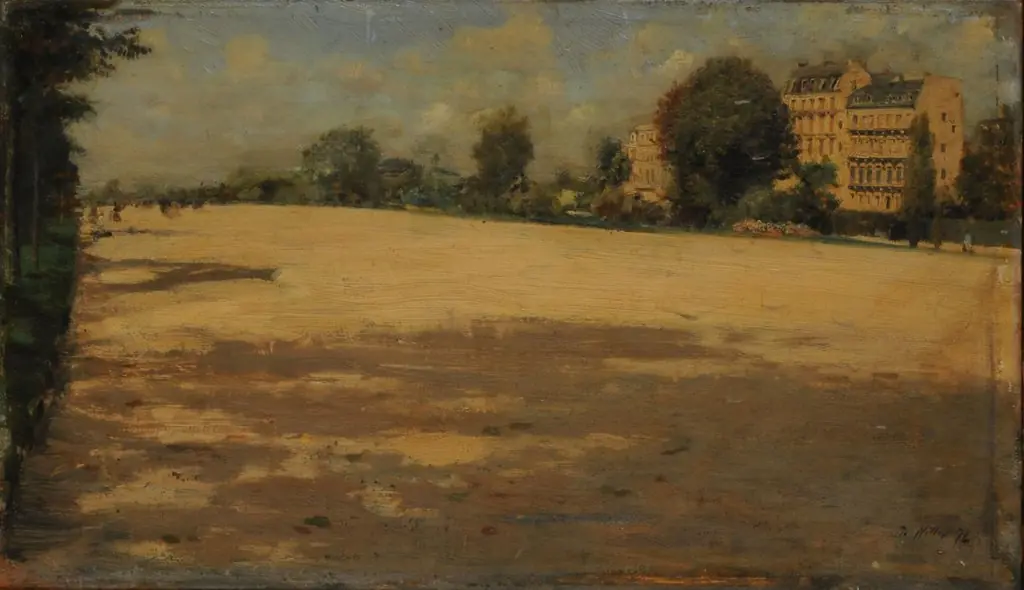 Avenue du Bois de Boulogne, Paris
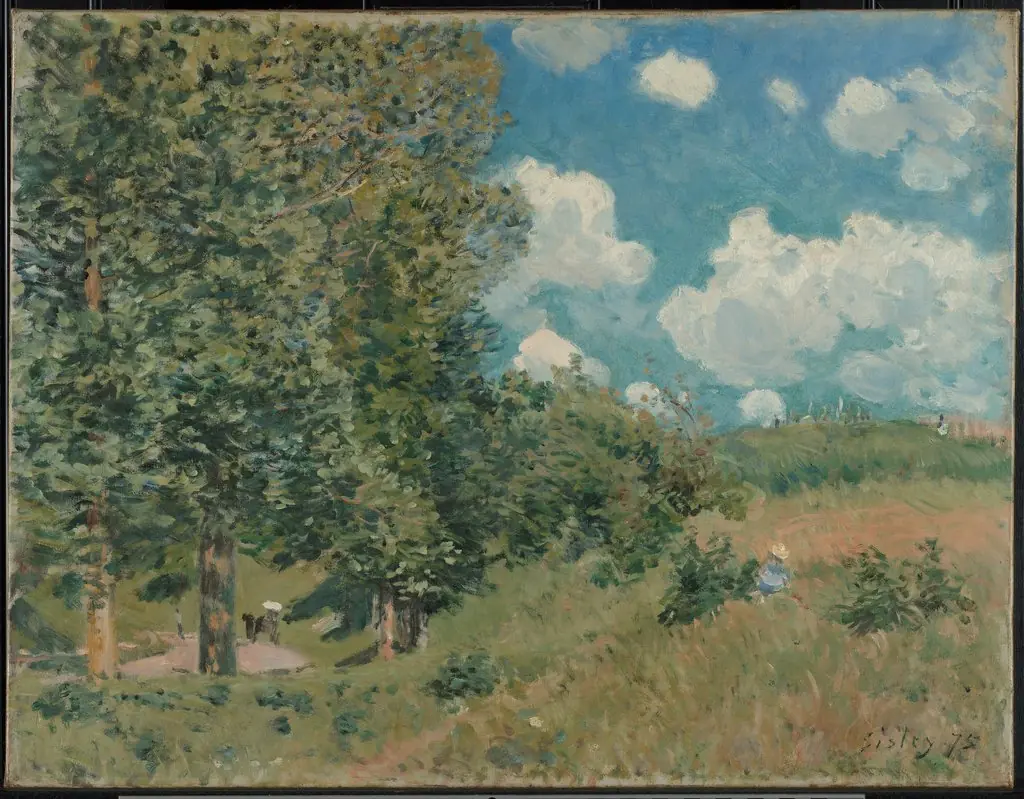 The Road from Versailles to Saint-Germain
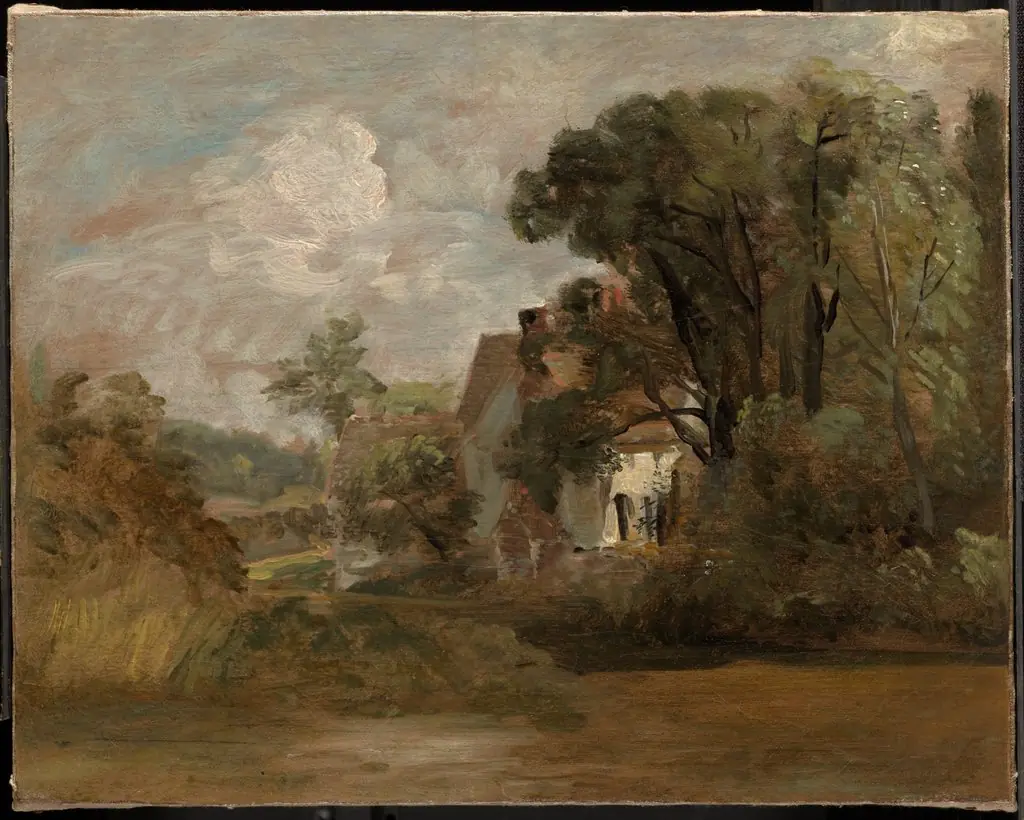 Willy Lott's House (recto); Landscape Sketches with Trees and Church Tower (verso)
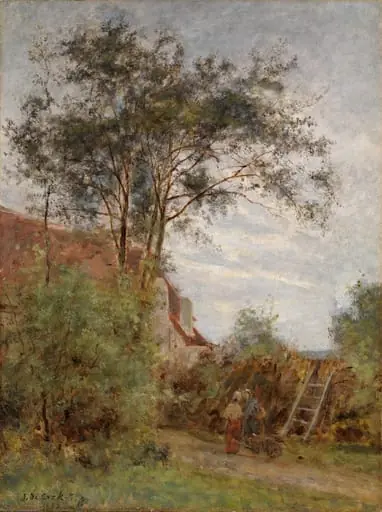 Kesämaisema
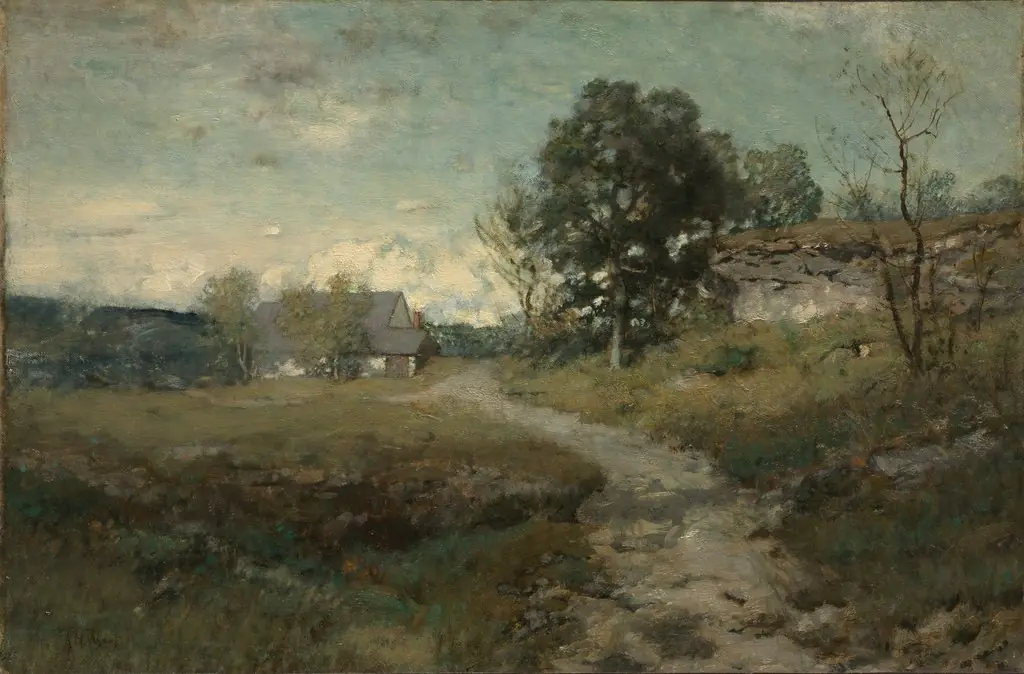 Arkville Landscape
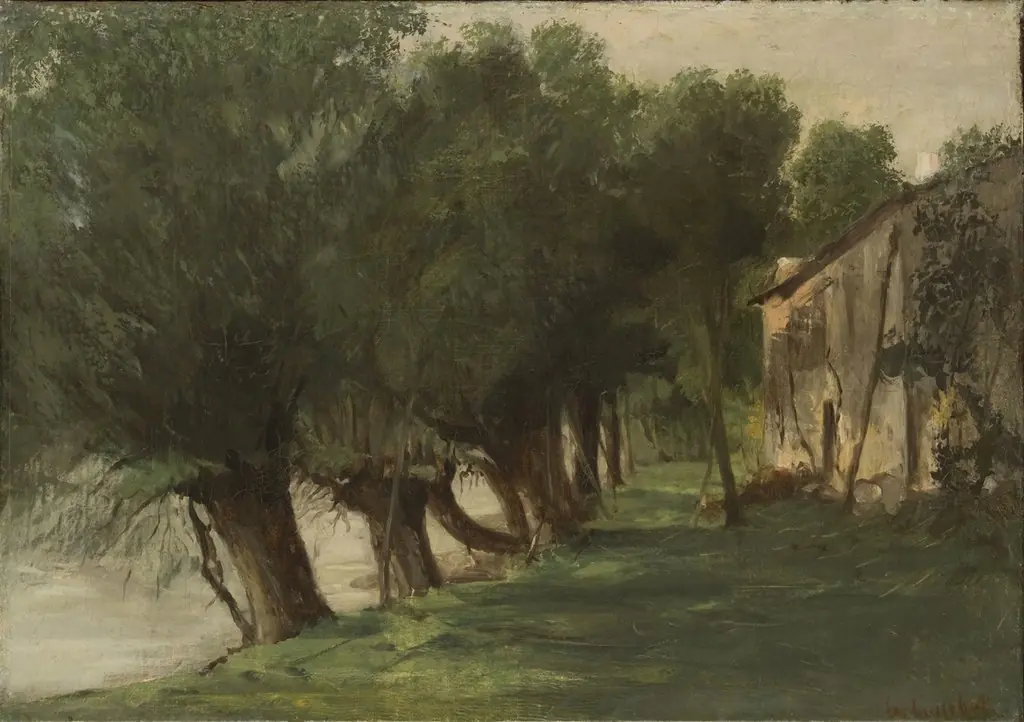 La Charente, Port-Berteau
 Pollard Willows