Artwork
Governor George Clinton
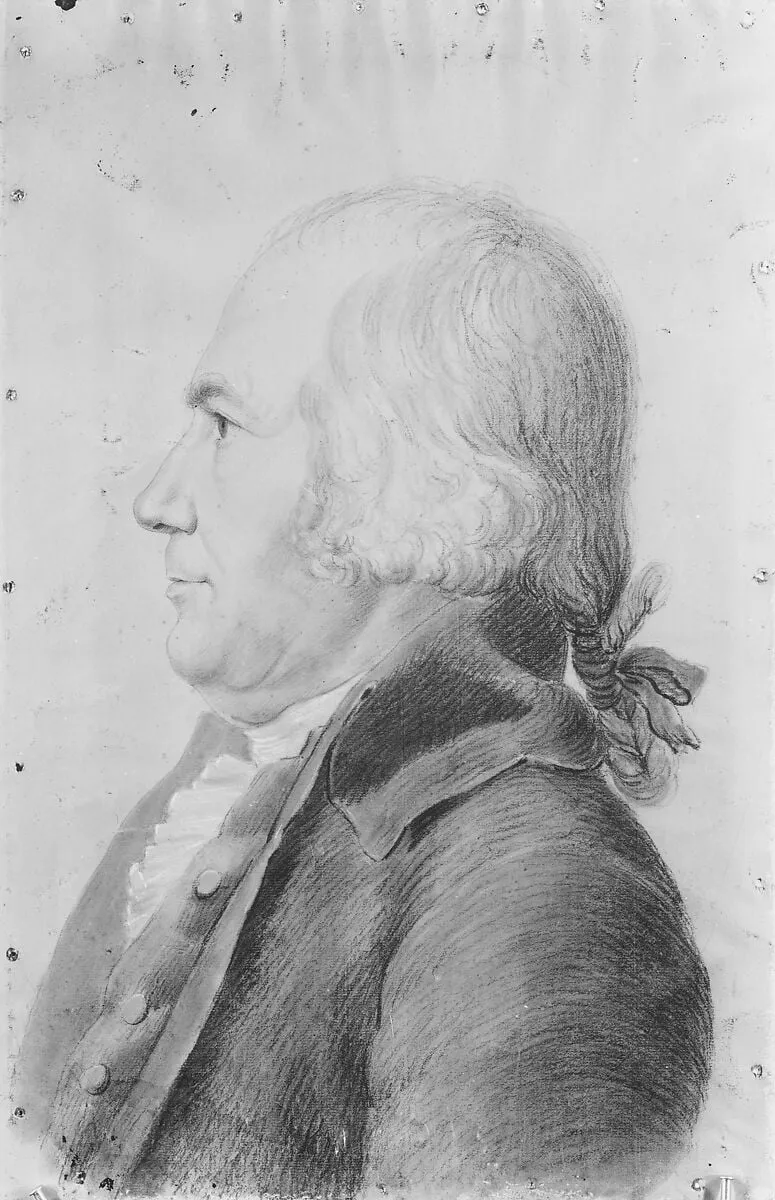
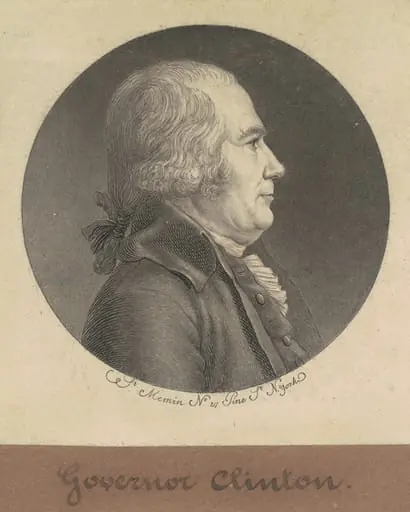
Governor George Clinton is a gouache drawing by the Romanticist artist Thomas Bluget De Valdenuit|Charles Balthazar Julien Févret de Saint-Mémin. It dates from 1797 and is held in the collection of the Metropolitan Museum of Art. Created in 1797, this portrait depicts George Clinton, the first governor of New York and a prominent figure in the early American republic.
About this work
Overview
Created in 1797, this portrait depicts George Clinton, the first governor of New York and a prominent figure in the early American republic.
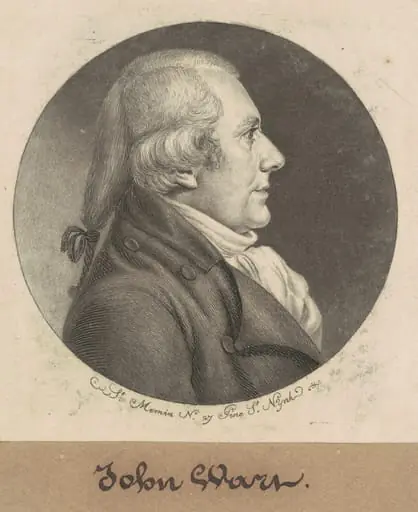
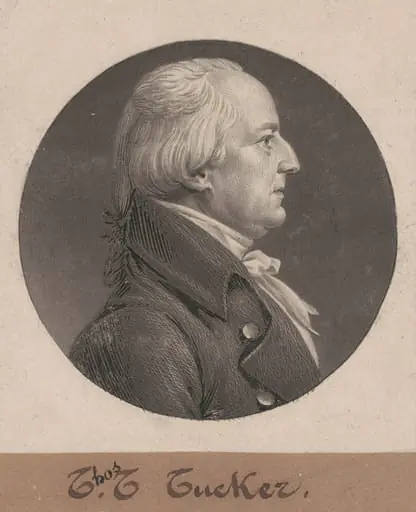
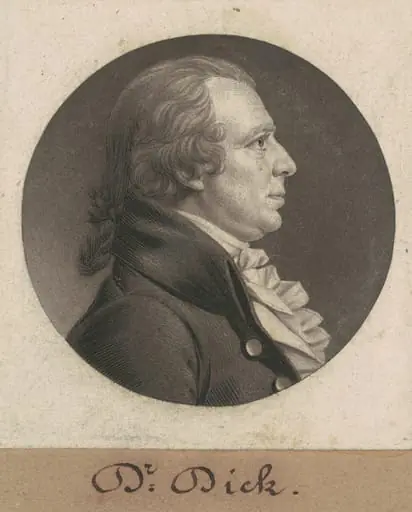
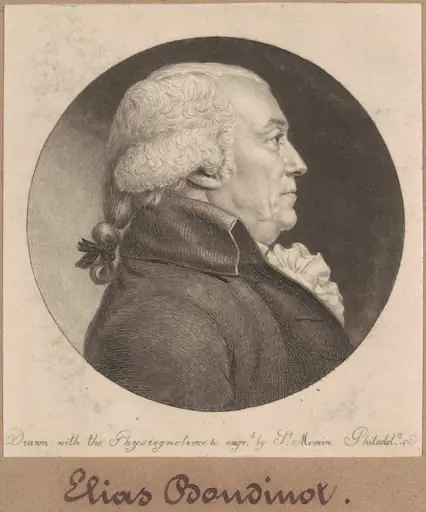
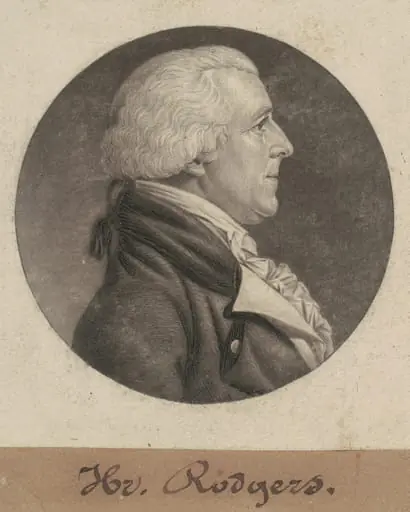
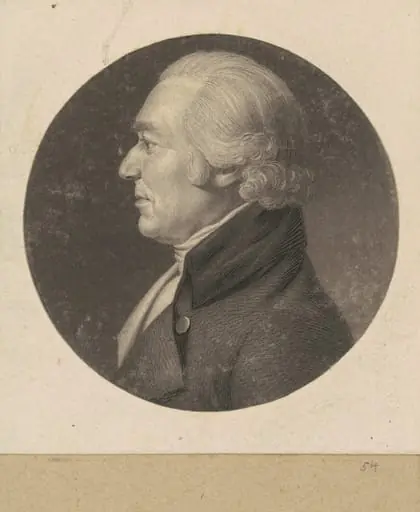
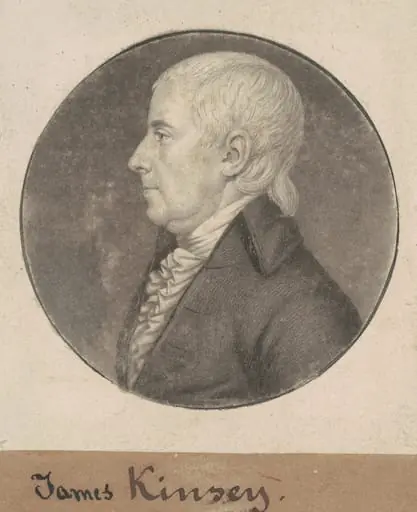
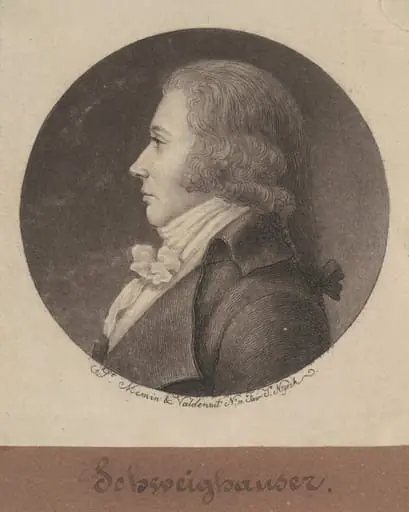
Created in 1797, this portrait depicts George Clinton, the first governor of New York and a prominent figure in the early American republic. Executed by Charles Balthazar Julien Févret de Saint-Mémin, the work is a profile bust rendered in Conté crayon, charcoal, and white-chalk heightening on off-white laid paper coated with gouache. The composition relies on the physiognotrace, a mechanical tracing device invented by Jean-Guillaume Moitte, which allowed Saint-Mémin to capture the sitter's silhouette with precise geometric accuracy. The resulting image features a sharp, hook-nosed profile with tightly curled hair and a stiff coat collar, defined by soft yet exact lines that create a sense of volume and depth. This piece exemplifies Saint-Mémin's signature style during his American period, where he produced numerous likenesses of political leaders using this hybrid technique of mechanical tracing and hand-drawn shading. The work stands as a significant document of early American portraiture, bridging the gap between neoclassical idealism and the emerging democratic demand for accessible, accurate representations of public figures.
Subject & Meaning
The sitter is George Clinton, who served as New York’s inaugural governor and later as Vice President of the United States. The profile format, a common convention of the era, emphasizes his public stature and the gravitas associated with his political career, while the restrained composition avoids overt symbolism.
Technique & Style
De Valdenuit employed a physiognotrace—a mechanical tracing device—to capture the precise contours of Clinton’s face before completing the image by hand. The artist then layered conté and charcoal for tonal depth, adding white‑chalk accents that enhance the three‑dimensional effect. The overall effect is a clean, measured rendering that anticipates later gouache portraiture.
History & Provenance
Created near the end of the eighteenth century, the portrait stands among the earliest American likenesses produced with the physiognotrace method. It entered the American Wing collection of the museum through a mid‑twentieth‑century acquisition, where it remains a reference point for studies of early American political portraiture.
Artist & collection

Artist
Thomas Bluget De Valdenuit|Charles Balthazar Julien Févret de Saint-Mémin
These American artists made lifelike crayon and chalk portraits of early U.S. leaders around 1797. Their paper portraits of Governor George Clinton and Mrs. George Clinton (Cornelia Tappen) show sharp, calm faces with…