Artwork
Henry Rogers
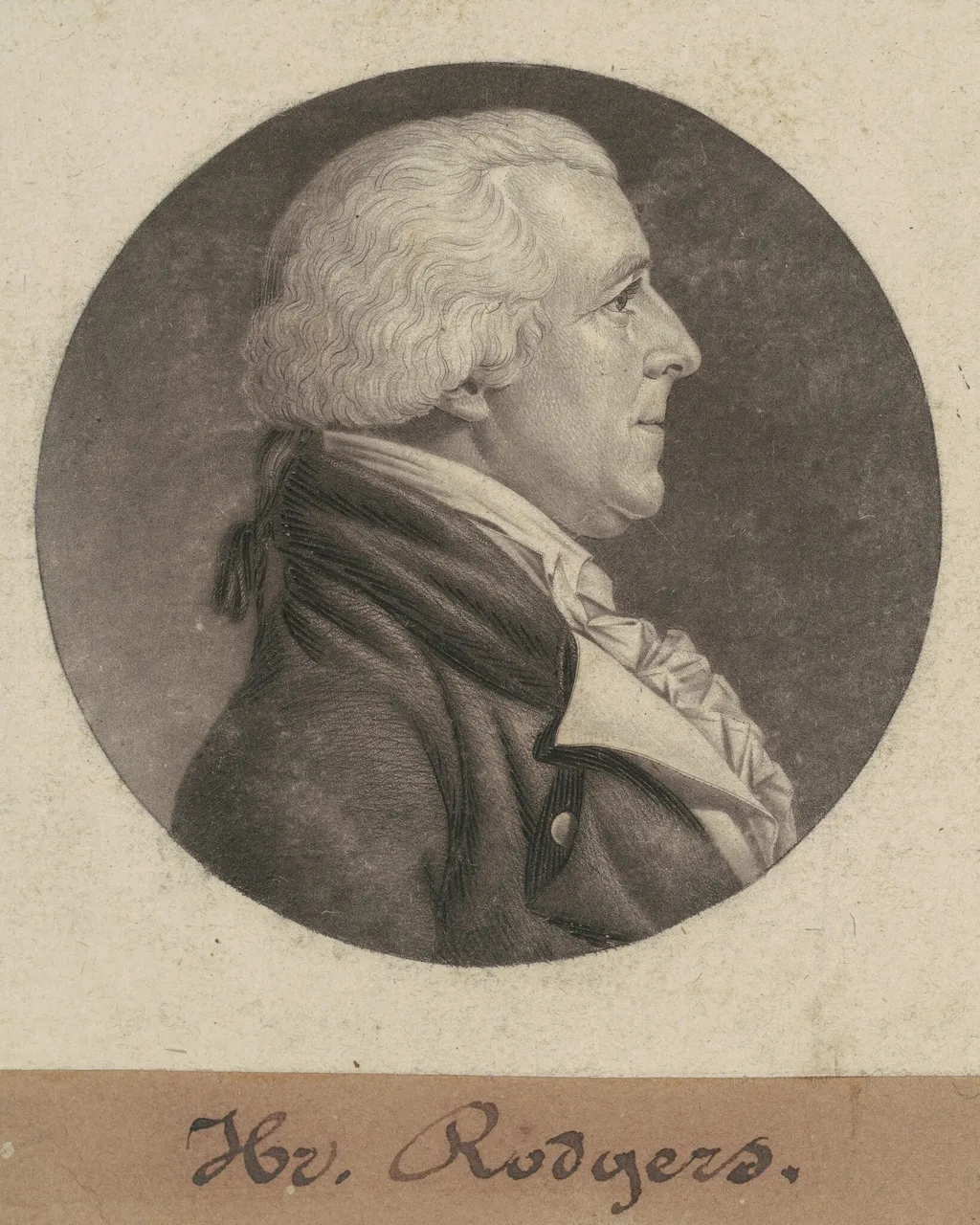
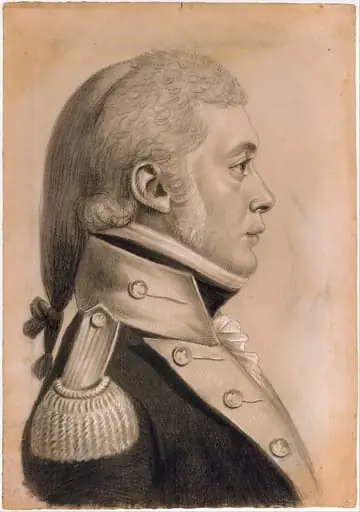
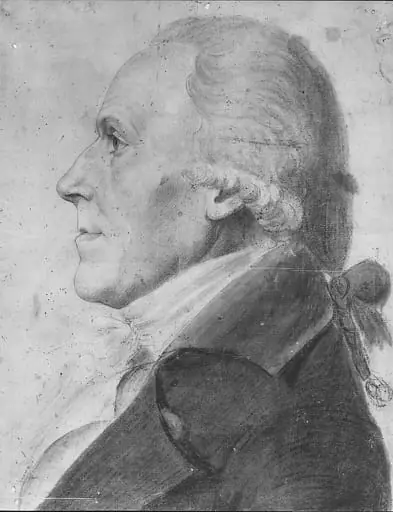
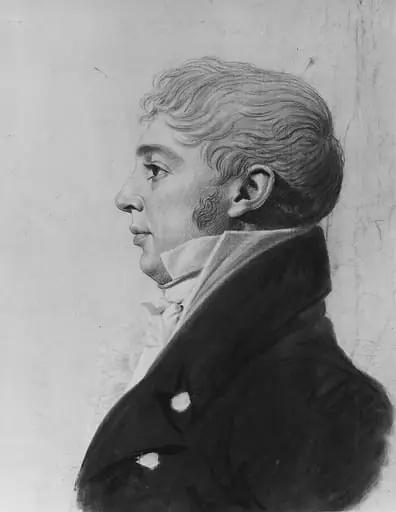
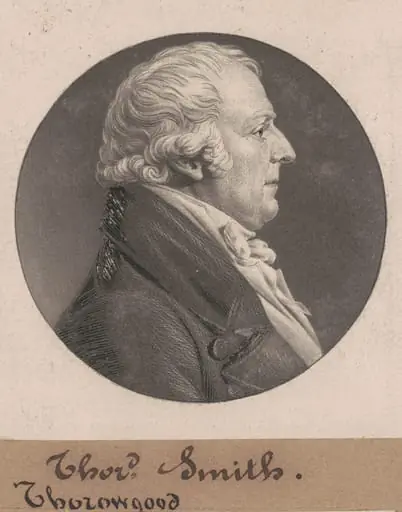
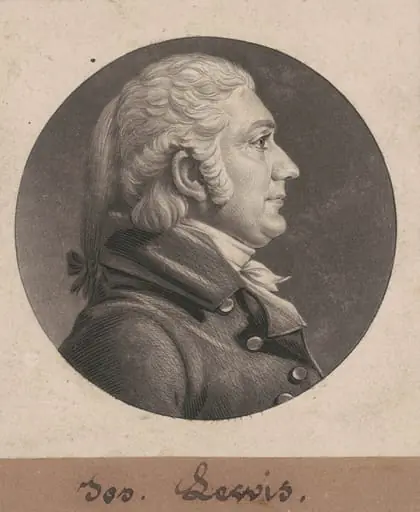
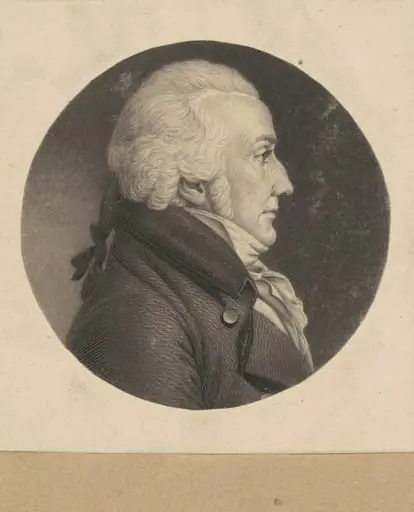
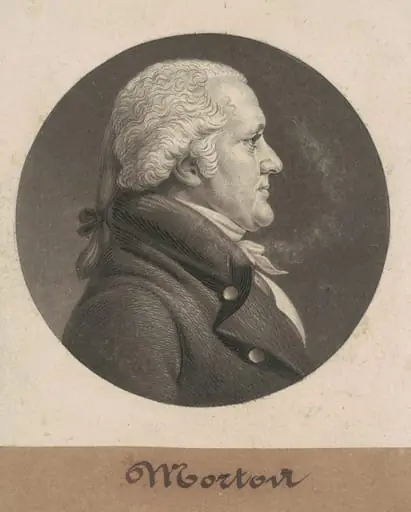
Henry Rogers is an ink print by the Romanticist artist Charles Balthazar Julien Févret de Saint-Mémin. It dates from 1806 and is held in the collection of the National Gallery of Art.
About this work
Overview
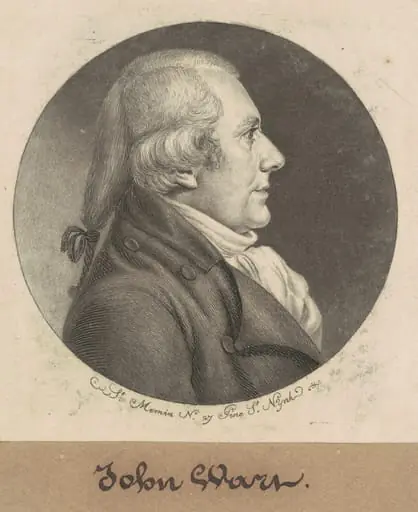
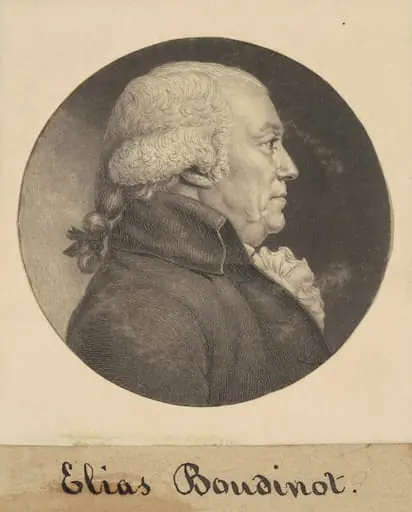
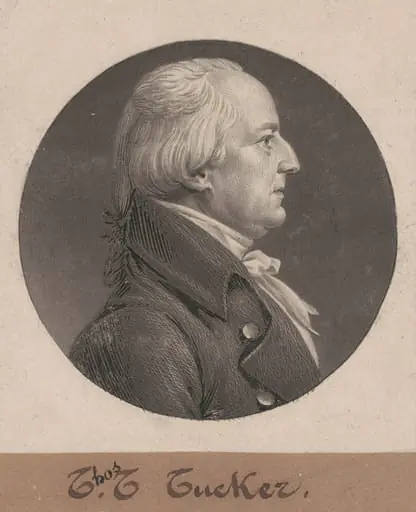
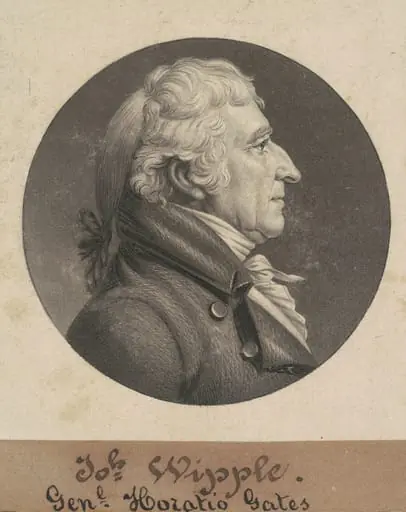
The work presents a formal portrait of Henry Rogers, rendered in monochrome through the combined processes of mezzotint and engraving. Executed on wove paper that has been affixed to a brown-wove backing, the image captures the sitter in period attire with meticulous attention to the folds and accessories of his clothing.
Subject & Meaning
Rogers is shown standing in a dignified pose, his expression composed and his garments reflecting the fashion of an earlier era. The portrait emphasizes his social standing through the careful rendering of his attire, suggesting a desire to convey respectability and authority typical of portraiture intended for public or familial display.
Technique & Style
The artist, Charles B. J. Févret de Saint‑Mémin, employed the tonal richness of mezzotint alongside the linear precision of engraving, allowing subtle gradations of dark and light to model the figure. The dual technique produces a depth of texture that highlights the fabric’s sheen and the sitter’s facial features, exemplifying Saint‑Mémin’s expertise in creating lifelike prints.
History & Provenance
This particular print belongs to the Corcoran Collection, where it is catalogued among the institution’s holdings of early American portraiture. Saint‑Mémin also produced an oil‑on‑canvas version of the same subject, which later entered the collection of Lichfield, indicating the portrait’s circulation in both print and painted formats.
Artist & collection

Artist
Charles Balthazar Julien Févret de Saint-Mémin
Charles Balthazar Julien Févret de Saint-Mémin (French pronunciation: ; 1770–1852) was a French portrait painter and museum director.