Artwork
Elias Boudinot
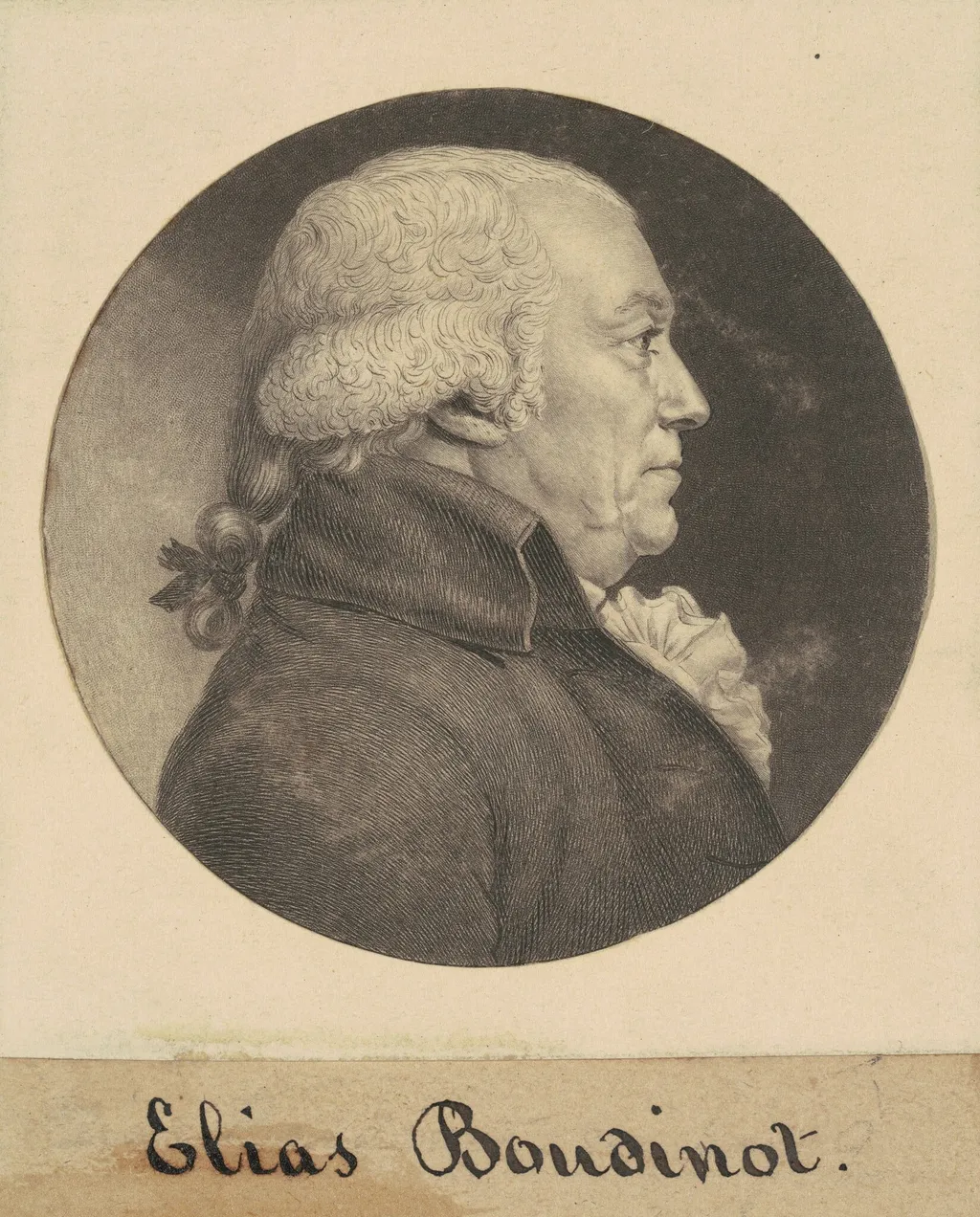
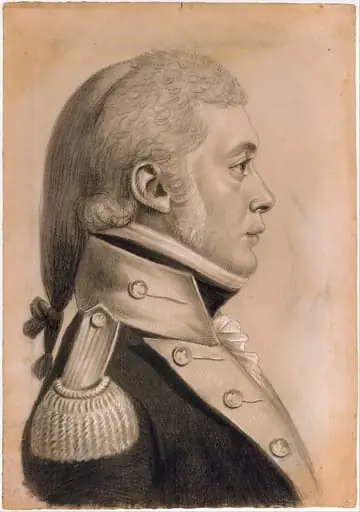
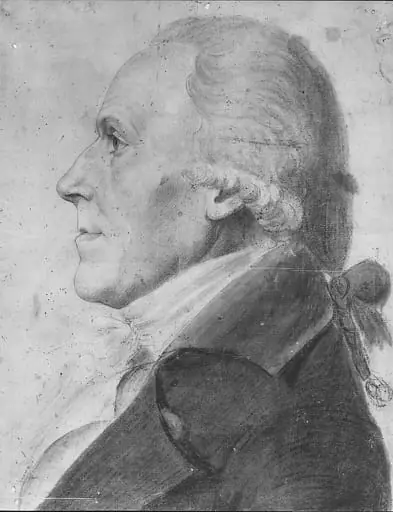
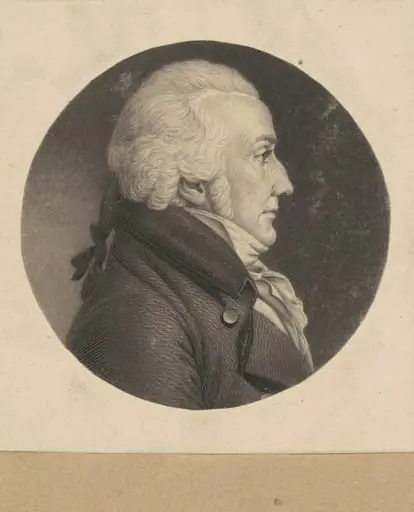
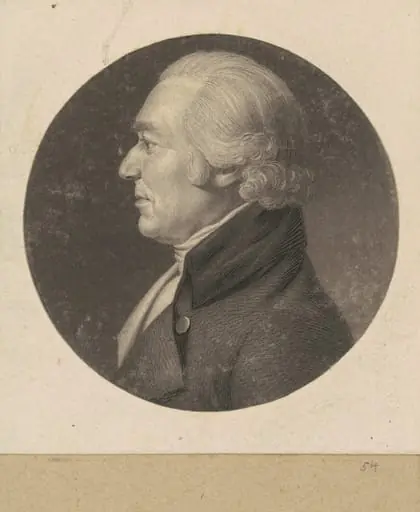
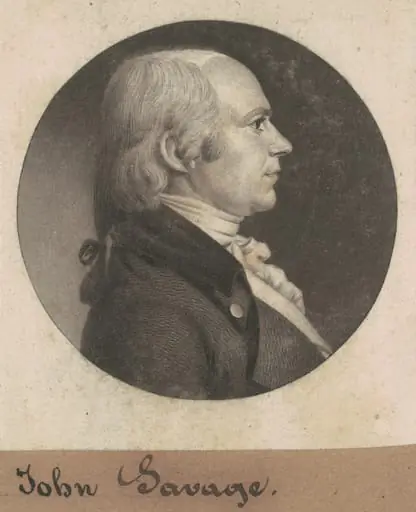
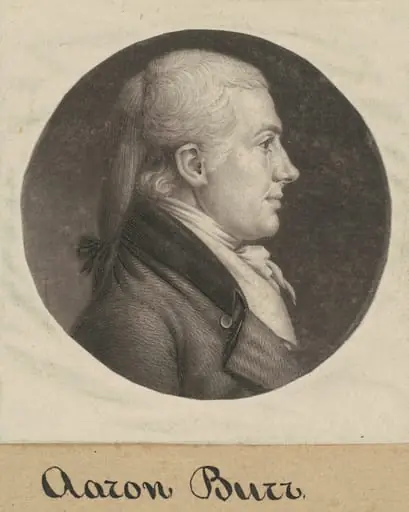
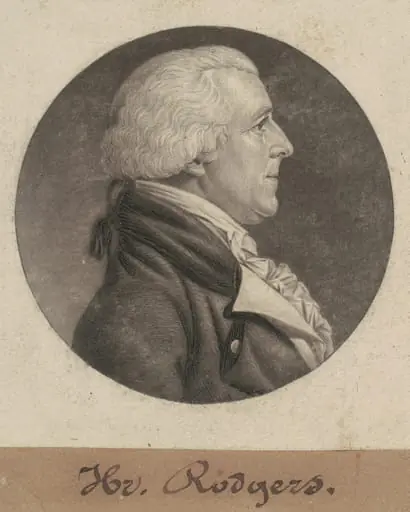
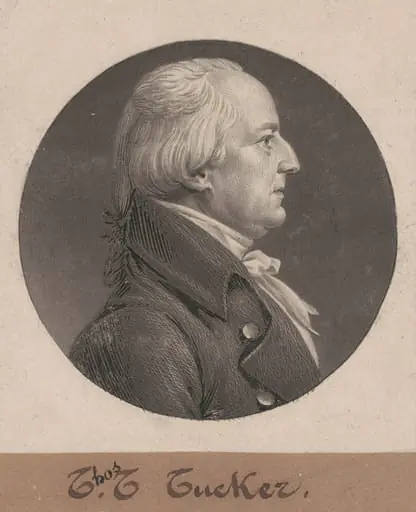
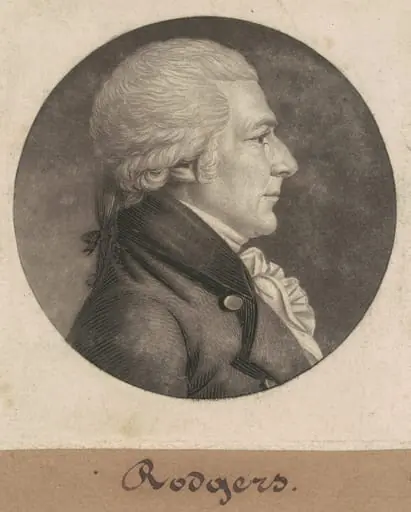
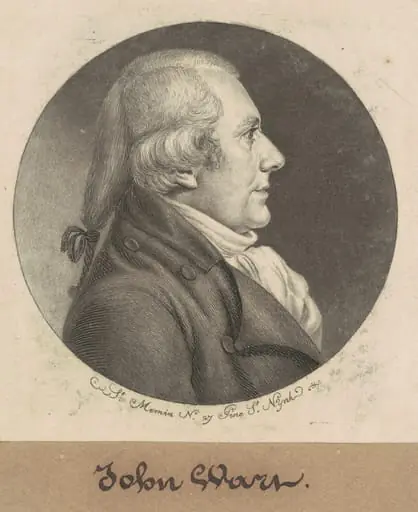
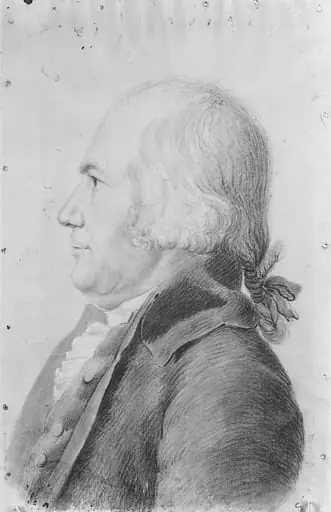
Elias Boudinot is an ink print by the Romanticist artist Charles Balthazar Julien Févret de Saint-Mémin. It dates from 1798 and is held in the collection of the National Gallery of Art. This 1798 print is a mezzotint and engraving on wove paper, mounted to a brown wove support.
About this work
Overview
The image captures the subject with quiet dignity, emphasizing facial structure and period dress without embellishment.
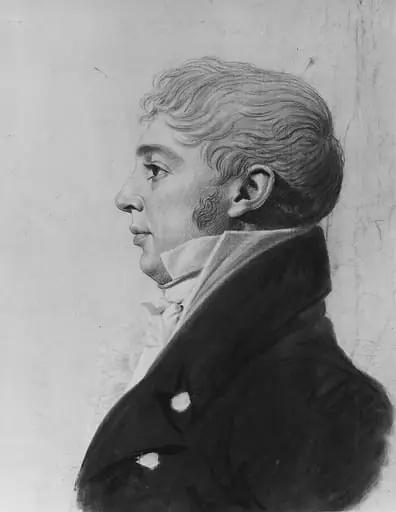
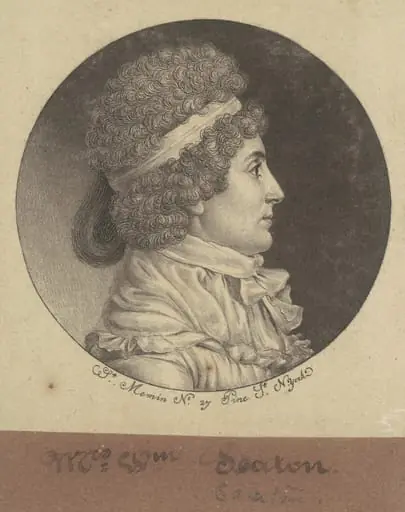
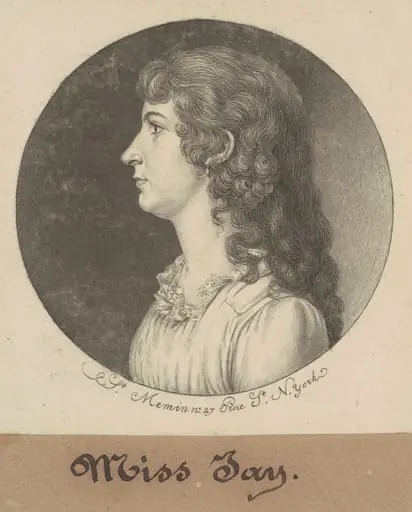
This 1798 print is a mezzotint and engraving on wove paper, mounted to a brown wove support. It presents Elias Boudinot in strict profile, a conventional format for portraiture in the late 18th century. The work was produced by Charles B. J. Févret de Saint-Mémin, known for his precise technique in translating likenesses into printed form. The image captures the subject with quiet dignity, emphasizing facial structure and period dress without embellishment.
Subject & Meaning
Elias Boudinot, a prominent American statesman and former president of the Continental Congress, is depicted with a subtle smile and composed demeanor. His prominent nose and defined chin reflect naturalistic observation, while his attire—likely a high-collared coat—signals his social standing. The portrait conveys authority through restraint, avoiding overt symbolism in favor of a direct, unadorned representation suited to republican ideals of the era.
Technique & Style
Saint-Mémin employed mezzotint and engraving to achieve fine gradations of tone and sharp linear detail. The mezzotint process allowed for rich blacks and soft transitions in the skin and hair, while engraving defined crisp edges in the collar and hairline. This combination was favored for portrait reproduction, balancing tonal depth with clarity. The result is a highly controlled image that prioritizes accuracy over expressive flourish.
History & Provenance
Created in 1798, the print was part of Saint-Mémin’s series of American notables, commissioned to document leading figures of the young republic. Boudinot, then serving as director of the U.S. Mint, was among those portrayed. The work was likely produced for private circulation or institutional collections, reflecting a cultural effort to preserve the likenesses of public servants. Its mounting on brown paper suggests careful preservation from the outset.
Context
In the late 1790s, engraved portraits were a primary means of disseminating images of public figures, before the rise of photography. Saint-Mémin’s method—drawing directly onto copper and translating it into print—was widely used in the U.S. for its reproducibility. These portraits served both as personal mementos and as civic records, aligning with the era’s emphasis on documenting the nation’s leadership through visual means.
Legacy
Saint-Mémin’s portraits of American figures, including Boudinot, remain among the most reliable visual records of early national leaders. The precision of his technique ensured longevity and clarity, making these prints valuable for historical study. While not widely exhibited today, they continue to inform scholarly understanding of how identity and authority were visually constructed in post-revolutionary America.
Artist & collection

Artist
Charles Balthazar Julien Févret de Saint-Mémin
Charles Balthazar Julien Févret de Saint-Mémin (French pronunciation: ; 1770–1852) was a French portrait painter and museum director.