Artwork
Royal Institution, Albemarle Street
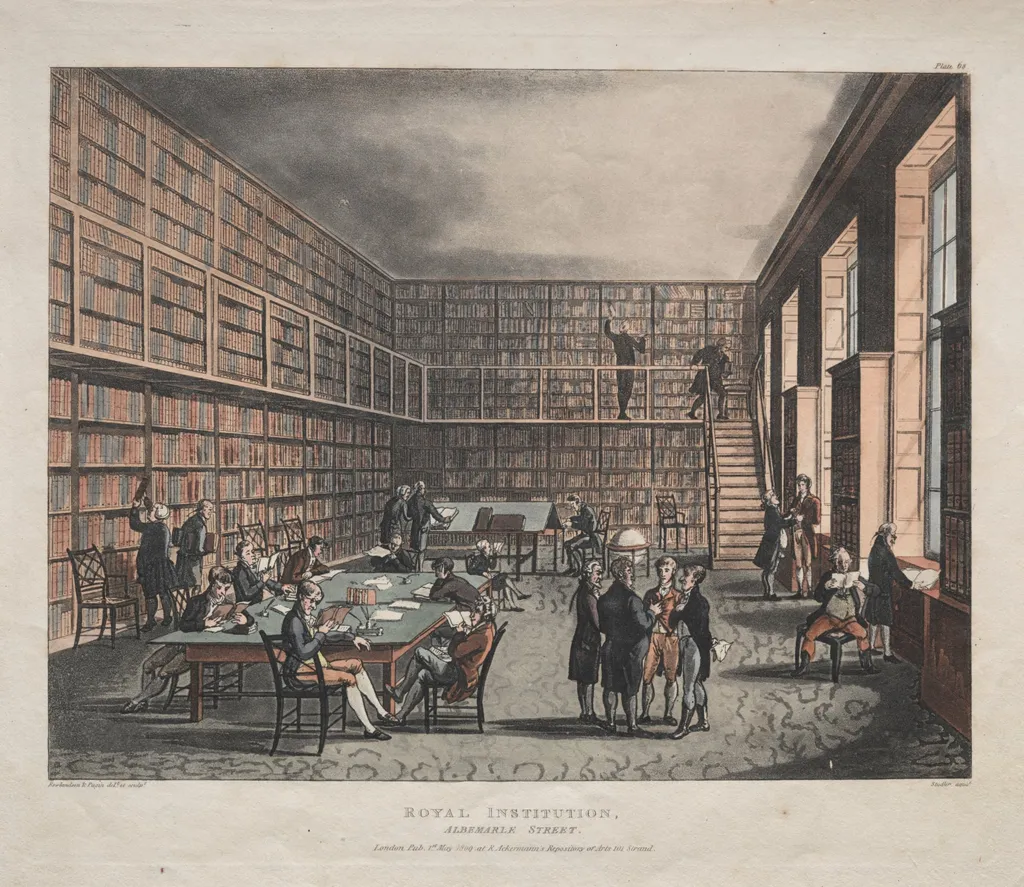
Royal Institution, Albemarle Street is a print by the Romanticist artist Thomas Rowlandson. It dates from 1809 and is held in the collection of the Cleveland Museum of Art.
About this work
Men in old-fashioned clothes sit at tables with papers, while others stand on ladders or climb stairs, reaching for books.
This room is packed with people studying and talking. Bookshelves line every wall, stuffed with leather-bound books. Men in old-fashioned clothes sit at tables with papers, while others stand on ladders or climb stairs, reaching for books.
The title says it’s the Royal Institution in London, published in 1809. Notice how the artist shows light and shadow to make the room feel real—some spots are bright, others dark.
Look up chiaroscuro to see how this lighting trick works.
Overview
Created in 1809 by Thomas Rowlandson, this print captures the interior of the Royal Institution on Albemarle Street in London. As a satirical illustrator of the Georgian era, Rowlandson rendered the space not as a solemn scientific sanctuary but as a bustling, human-centered environment. The scene reflects the Institution’s role as a hub for intellectual exchange, rendered with wit and attention to everyday detail.
Subject & Meaning
The print depicts a crowded room filled with men engaged in study, discussion, and book retrieval. Figures perch on ladders, lean over tables, and navigate narrow aisles, suggesting both curiosity and chaos. Rowlandson subtly critiques the pretensions of scientific culture by emphasizing physical exertion and social interaction over quiet reverence, revealing the human absurdities beneath institutional grandeur.
Technique & Style
Rowlandson employed fine pen lines and washes to model form and depth, using chiaroscuro to define the architecture and animate the figures. Contrasts between light-drenched areas and shadowed corners lend spatial realism, while precise detailing in clothing and posture adds narrative texture. His style blends observational accuracy with gentle exaggeration, characteristic of his satirical approach to social scenes.
History & Provenance
The print was produced during a period when the Royal Institution was gaining prominence as a center for public lectures and scientific demonstration. Rowlandson’s image circulated among London’s literate classes, likely as a standalone print or in a collected series. Its survival in institutional and private collections attests to its resonance as a document of early 19th-century intellectual life.
Context
In 1809, the Royal Institution hosted figures like Humphry Davy and promoted public engagement with science. Rowlandson’s depiction aligns with broader cultural trends that celebrated—and mocked—the rise of public education and scientific spectacle. The scene mirrors contemporary anxieties about access, decorum, and the commercialization of knowledge in an increasingly urban society.
Legacy
The print endures as a visual record of how scientific institutions were perceived in their formative years. Rowlandson’s work contributed to a tradition of British graphic satire that used humor to interrogate authority and social norms. Though not widely reproduced today, it remains a valuable artifact for understanding the intersection of science, class, and visual culture in Regency England.
Artist & collection
Artist
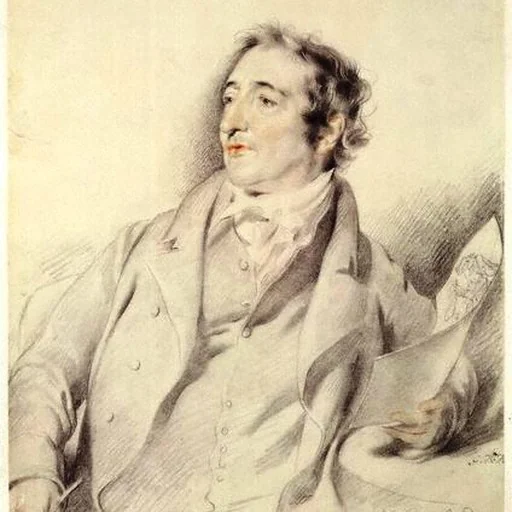
Thomas Rowlandson (; 13 July 1757 – 21 April 1827) was an English artist and caricaturist of the Georgian Era, noted for his political satire and social observation.

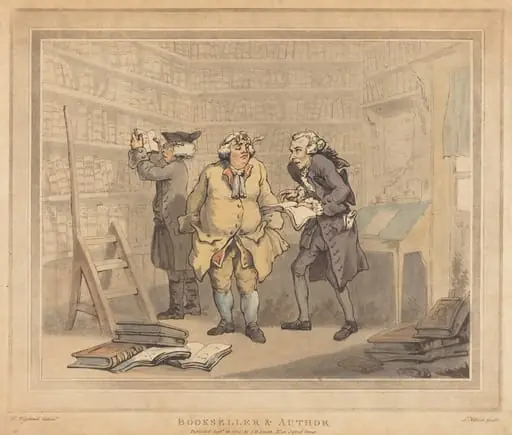 Bookseller and Author
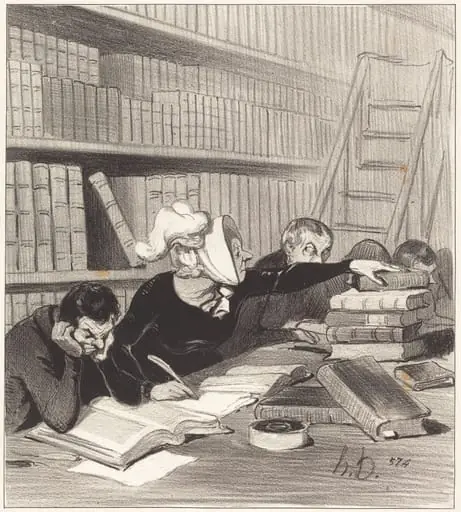 Monsieur, pardon si je vous gêne un peu...
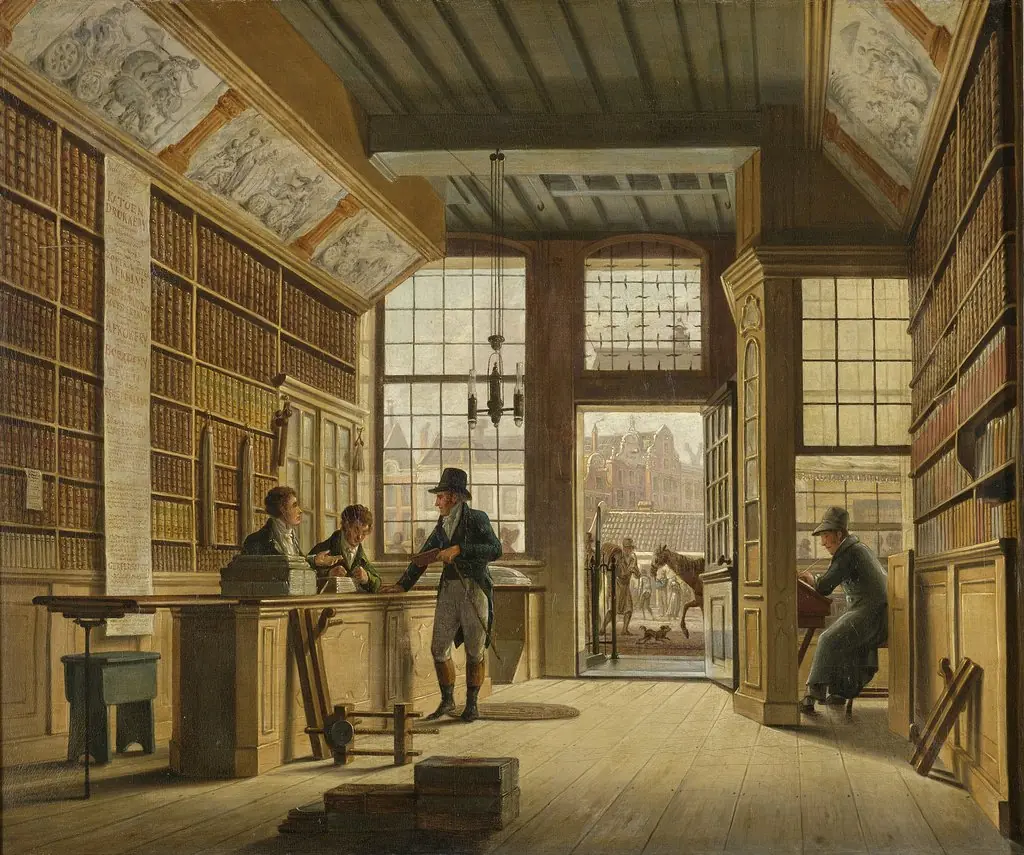 The Shop of the Bookdealer Pieter Meijer Warnars on the Vijgendam in Amsterdam
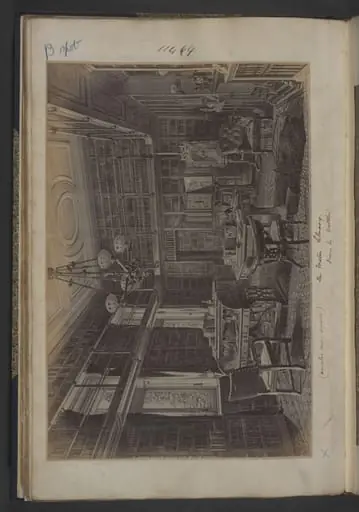 View of the library of the late Mr John Forster
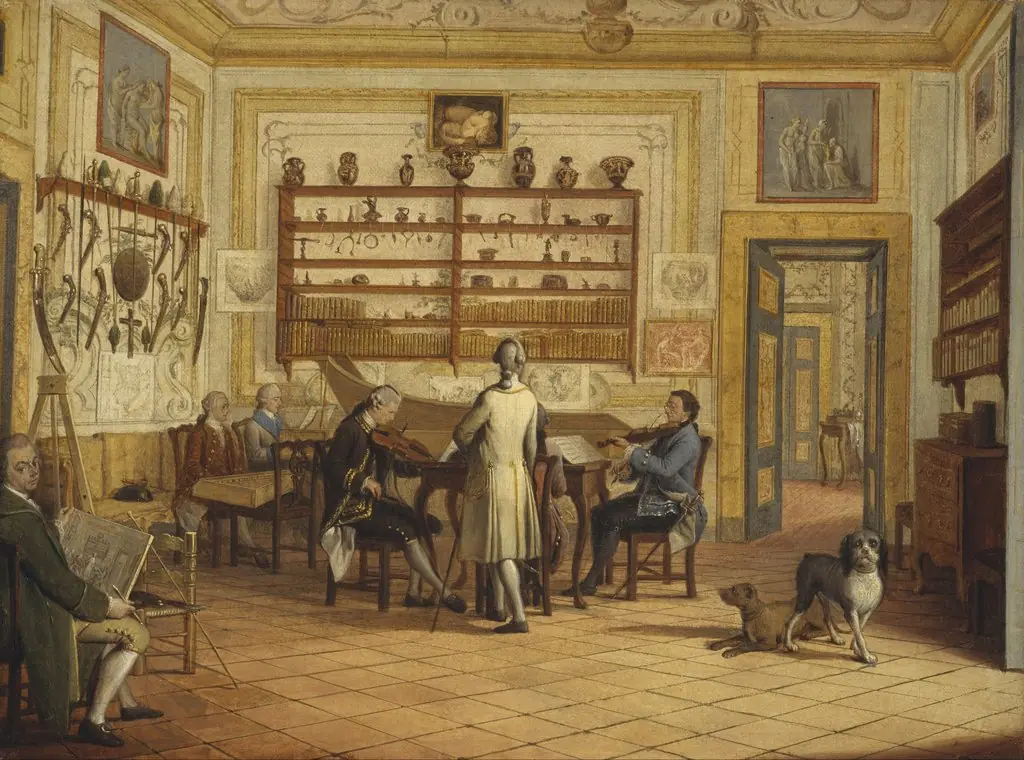 Kenneth Mackenzie, 1st Earl of Seaforth, 1744 - 1781, at home in Naples: concert party
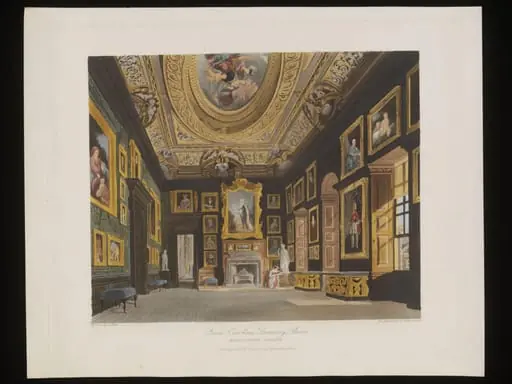 View of Queen Caroline's Drawing Room
 Neureuther (Self-Portrait in the Etching Studio)
 Print Collection
 Excise Office, Broad Street