Artwork
Neureuther (Self-Portrait in the Etching Studio)
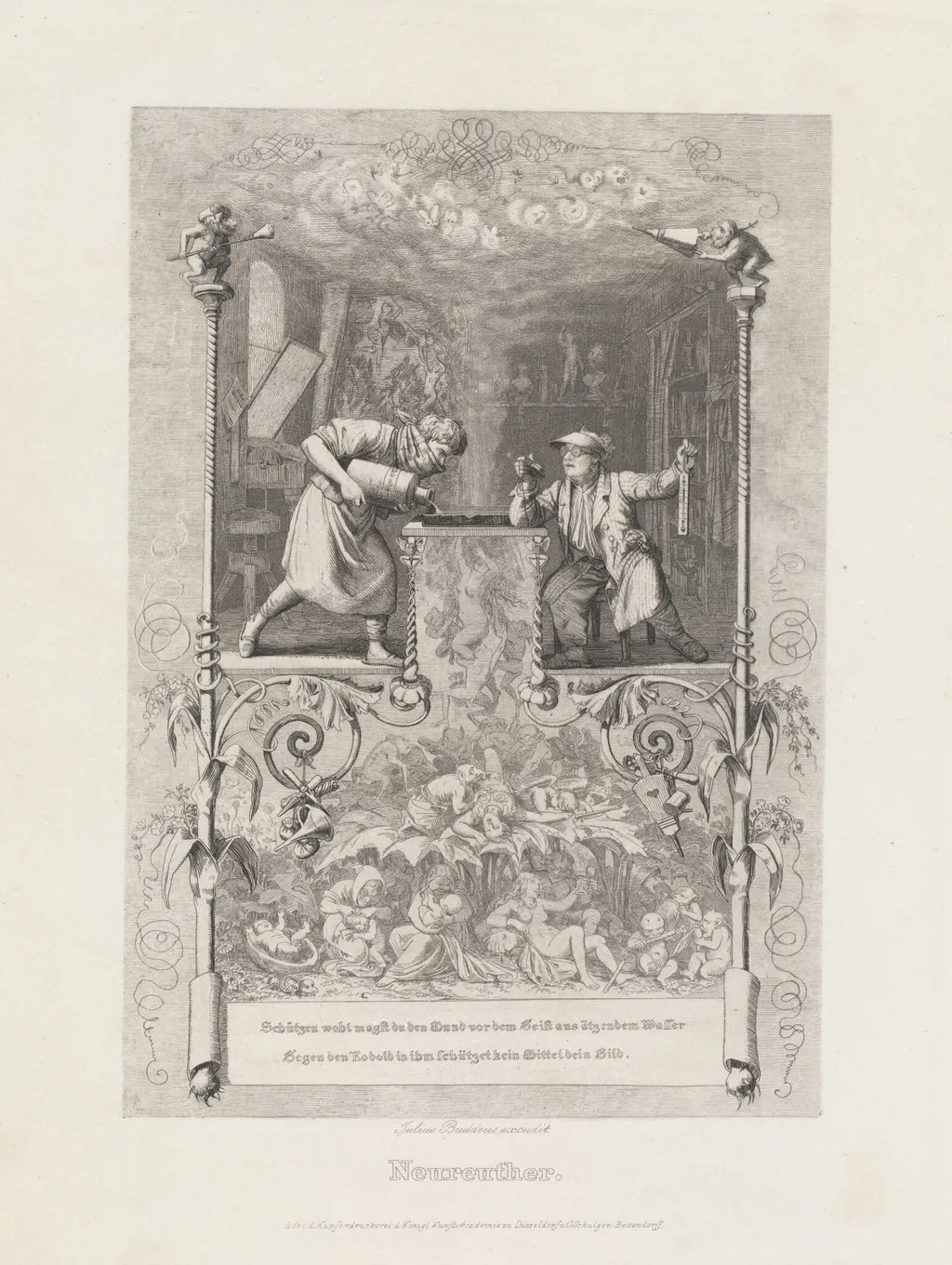
Neureuther (Self-Portrait in the Etching Studio) is an ink print by the Romanticist artist Eugen Napoleon Neureuther. It dates from 1839 and is held in the collection of the National Gallery of Art.
About this work
Overview
Eugen Napoleon Neureuther's 1839 etching, Neureuther (Self-Portrait in the Etching Studio), captures a dynamic scene within an artist's workshop, blending self-portraiture with a depiction of creative activity.
Subject & Meaning
The etching shows the artist (right, in hat and coat) engaged with a tool, alongside a woman (left, in a long dress) working on a large paper. Overlooking from elevated positions, two small figures observe. The chaotic lower section contrasts with the focused upper activity, symbolizing the intersection of creativity and everyday life.
Technique & Style
Executed in etching on wove paper, the work showcases Neureuther's mastery of the medium, with intricate details achieved through the etching process. The signed 'Neureuther' and German inscription at the bottom add authenticity.
History & Provenance
Created in 1839, specific provenance details are not provided, though the German text suggests a potential European, particularly German, context of creation or intended audience.
Context
Reflecting the 19th-century interest in depicting artists at work, this etching offers a glimpse into the era's workshop environments, highlighting the blend of artistry and daily life.
Legacy
While specific legacy details are not provided, the etching contributes to the broader historical record of self-portraiture and workshop scenes in 19th-century European art, showcasing etching as a vibrant medium for narrative and introspective works.
Artist & collection


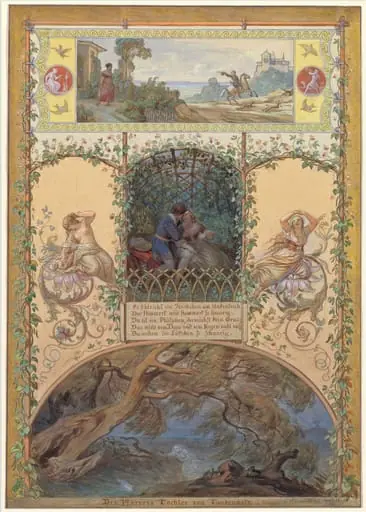 Des Pfarrers Tochter von Taubenhein (The Parson's Daughter from Taubenhain)
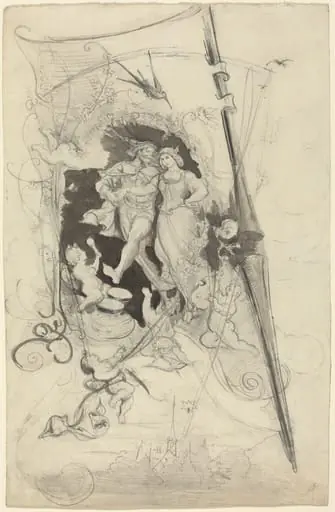 The Happy Squire and His Bride
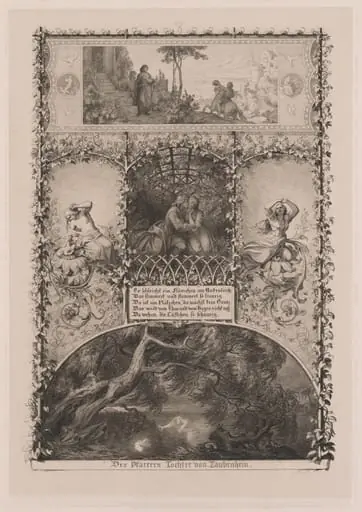 Des Pfarrers Tochter von Taubenhein (The Parson's Daughter from Taubenhain)
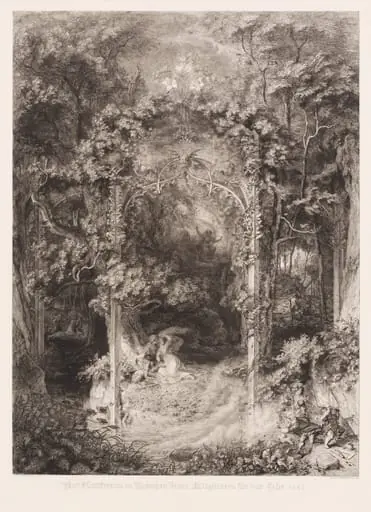 Das Waldfräulein (The Lady of the Forest)
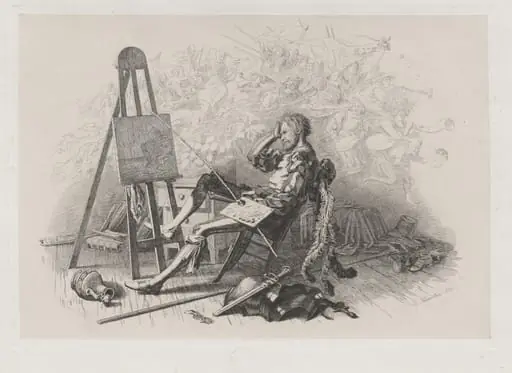 Morning after the Masked Ball: Emil Theodor Richter at His Easel
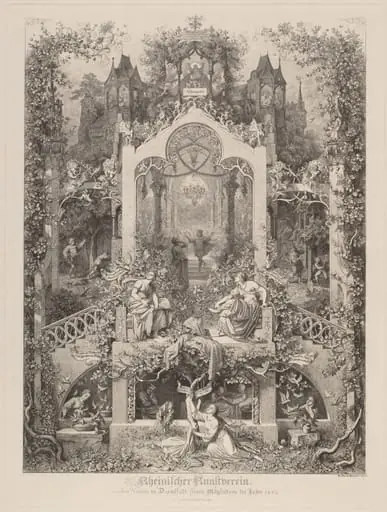 Aschenputtel (Cinderella)
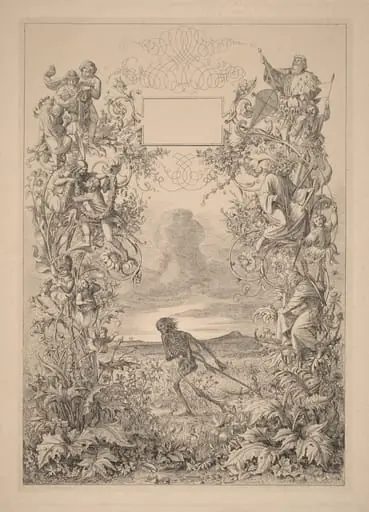 Heute Roth, Morgen Tod (Today Red, Tomorrow Dead)