Artwork
The Fatted Calf
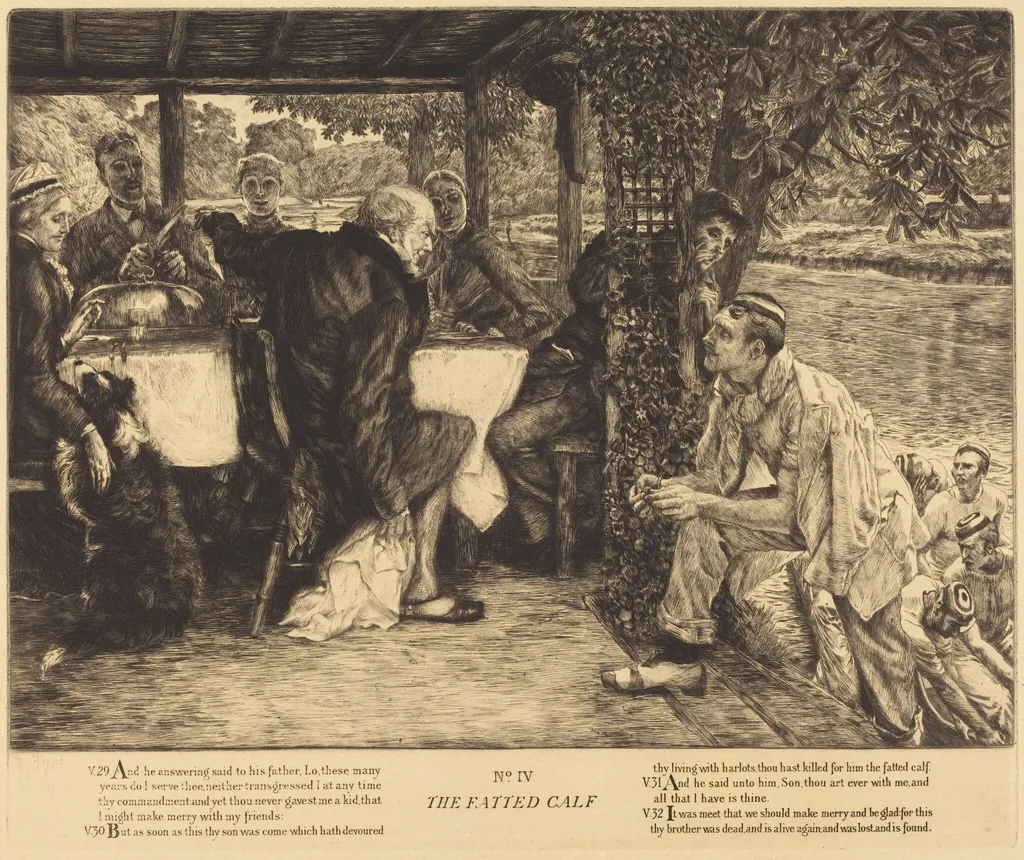
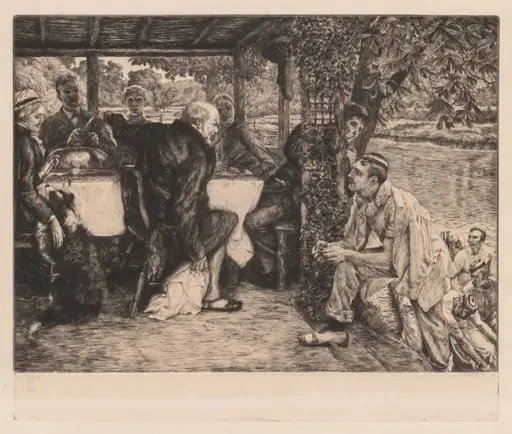
The Fatted Calf is an ink print by the Impressionist artist James Jacques Joseph Tissot. It dates from 1882 and is held in the collection of the National Gallery of Art.
About this work
Overview
Created in 1882, The Fatted Calf is an etching on laid paper by the French artist James Jacques Joseph Tissot. The print depicts a convivial gathering of figures positioned around a table in an open-air setting, with a standing man appearing to address the group. The composition is framed by distant trees and a body of water, establishing a tranquil yet lively atmosphere.
Subject & Meaning
The scene suggests a moment of celebration or communal discussion, as participants engage around the table while the central figure gestures outward. The inclusion of natural elements such as foliage and water reinforces a sense of harmony between the human activity and its environment, emphasizing themes of fellowship and shared experience.
Technique & Style
Tissot employed the etching process on laid paper, using fine lines to render the figures and surrounding landscape. Contrasting areas of light and shadow give the foreground a pronounced three‑dimensional quality, while the darker background recedes, creating depth. The handling of tonal variation reflects a restrained approach that aligns with late‑19th‑century realist tendencies.
History & Provenance
The work was produced during a prolific period in Tissot’s career, when he explored printmaking alongside his more widely known paintings. While specific ownership records are limited, the etching has been documented in several catalogues of Tissot’s oeuvre and appears in collections that focus on 19th‑century French graphic art.
Artist & collection


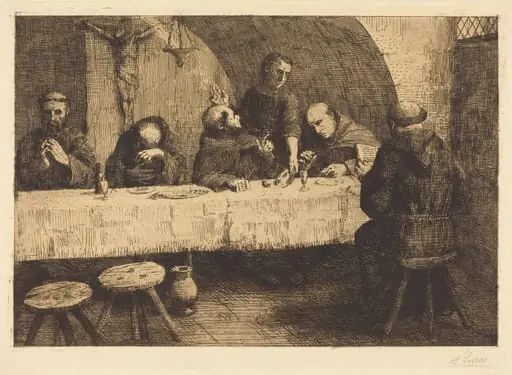 The Refectory (Le refectoire)
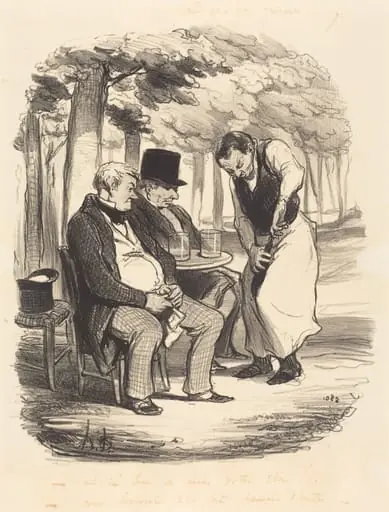 Est-il bon, au moins, votre vin!...
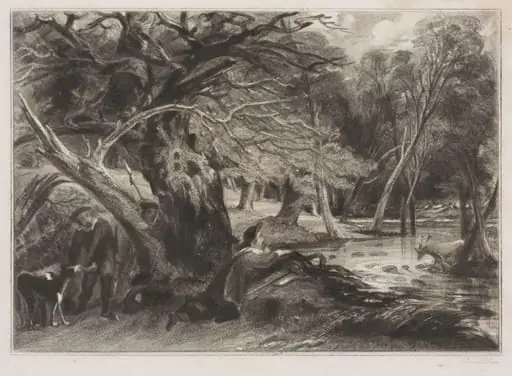 Jaques and the Wounded Stag
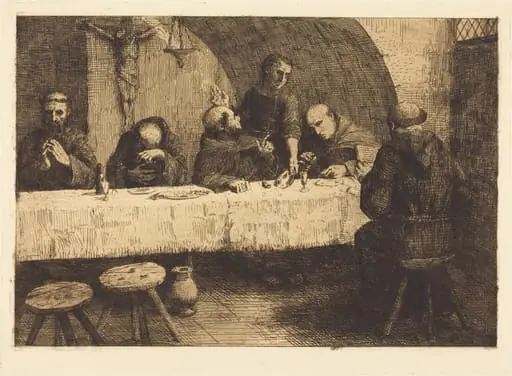 The Refectory (Le refectoire)
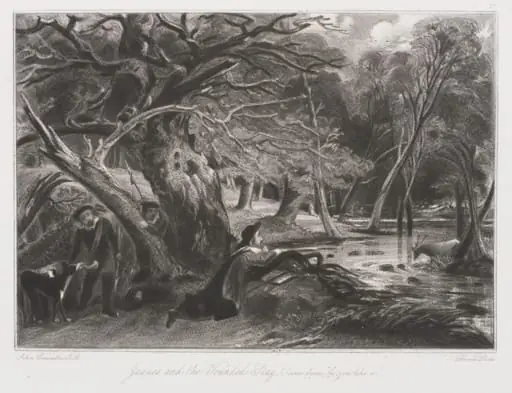 Jaques and the Wounded Stag. Scene from "As you like it."
 Lady Nelly - the Flirt
 Eine Mutter
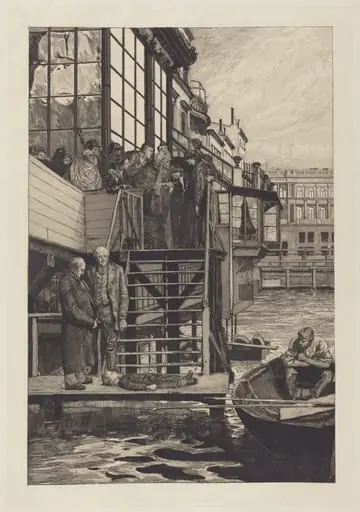 Eine Mutter II (A Mother II)
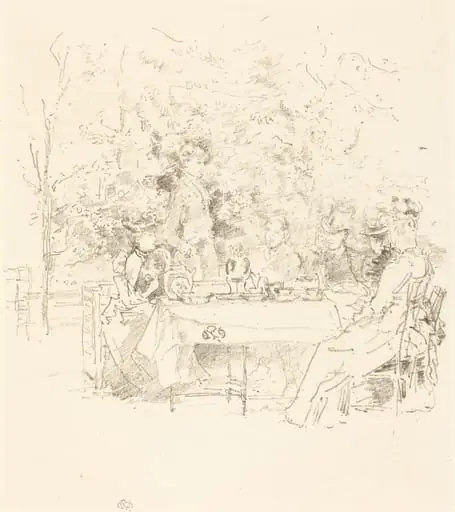 The Garden
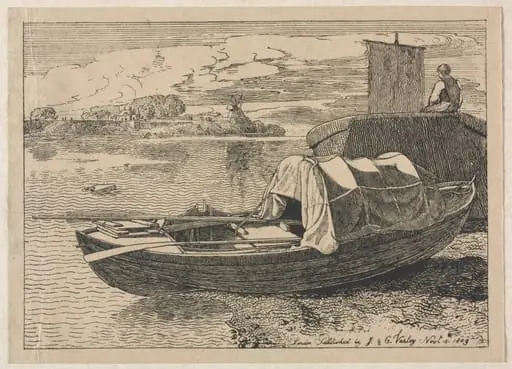 Boats on a River, Windmill in Distance
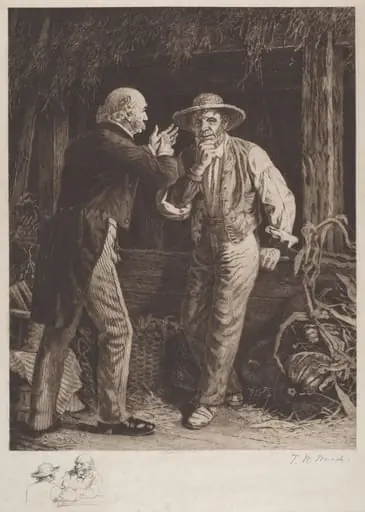 The Day Before the Election
 The Prodigal Son: The Fatted Calf (L’enfant prodigue: le veau gras)