Artwork
Coadă la pâine
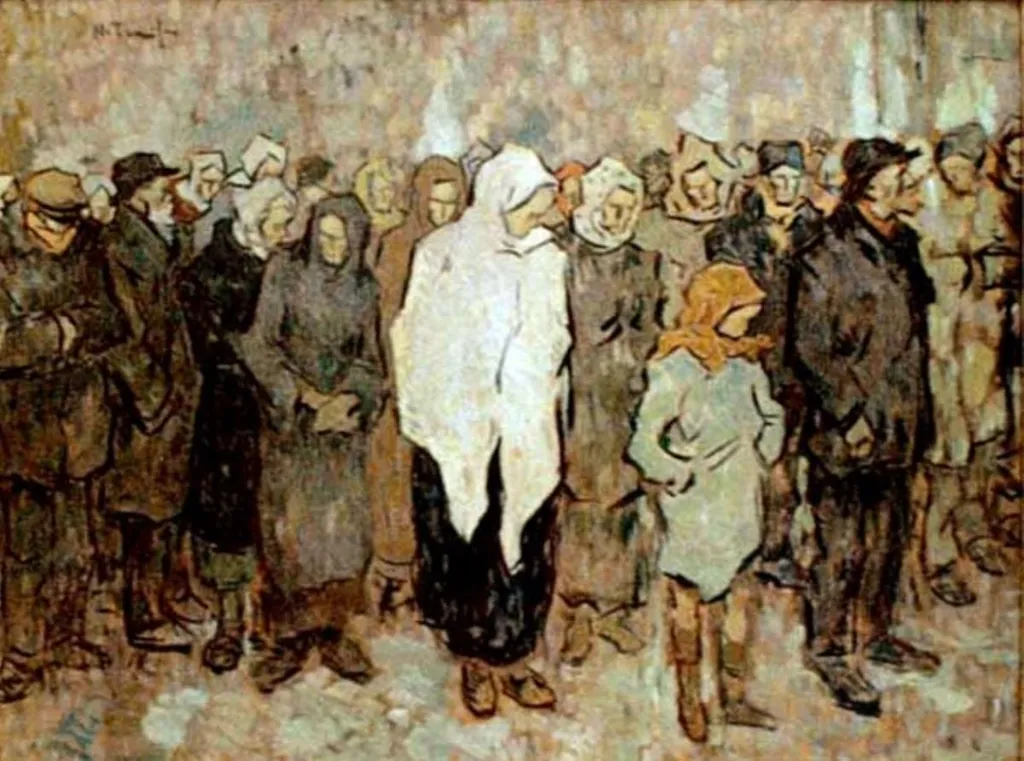
Coadă la pâine is an unspecified painting by Nicolae Tonitza. It dates from 1919 and is held in the collection of the National Museum of Art of Romania.
About this work
Overview
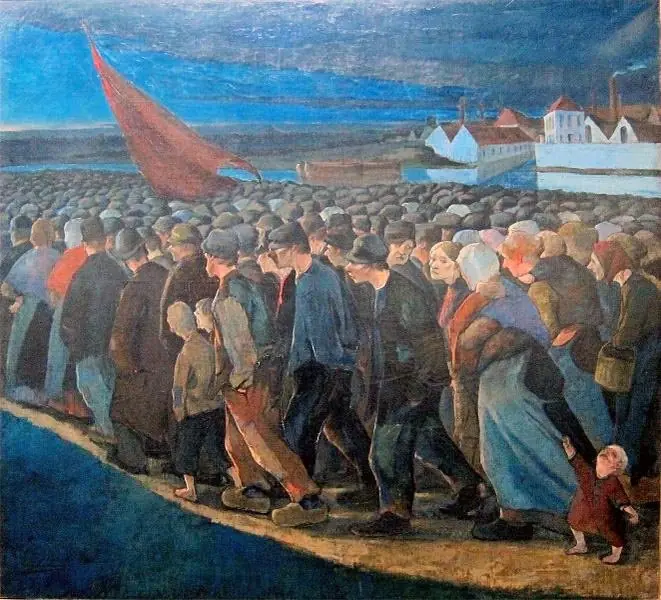
Nicolae Tonitza’s 1919 canvas titled Coadă la pâine captures a somber scene of people gathered in a cramped interior, waiting for bread. The composition is dominated by a line of figures dressed in heavy winter garments, their faces rendered with restrained expression. The overall palette is dark, punctuated by occasional pale highlights that draw attention to the foreground.
Subject & Meaning
The work portrays a post‑World War I crowd awaiting food distribution, reflecting the scarcity and social tension of the period. Central to the scene are a woman in white and a child in a light coat, whose forward gaze suggests hope amid hardship. The anonymity of the surrounding figures underscores collective suffering while the focal individuals personalize the experience.
Technique & Style
Tonitza employs thick impasto strokes to model the texture of coats and facial features, giving the surface a tactile quality. The brushwork is vigorous yet controlled, conveying urgency without sacrificing clarity. A shallow depth of field blurs the background, directing the viewer’s eye toward the sharply defined foreground figures.
History & Provenance
Created in 1919, shortly after the armistice, the painting was likely exhibited in Romanian venues that highlighted contemporary social issues. It entered public collections during the mid‑20th century, where it has been referenced in studies of interwar Romanian art and the humanitarian concerns that shaped Tonitza’s oeuvre.
Artist & collection

Artist
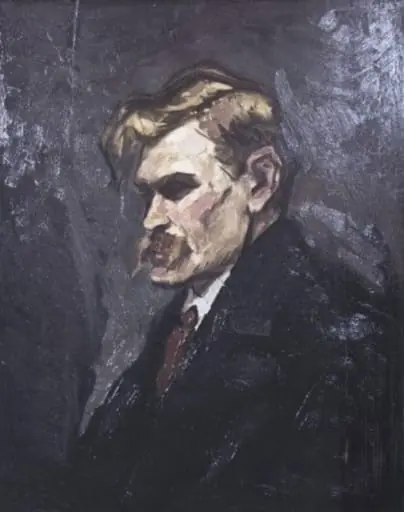
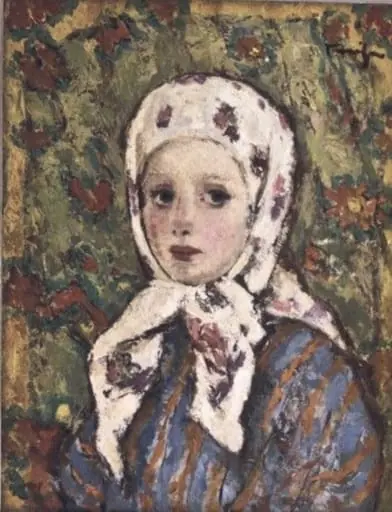
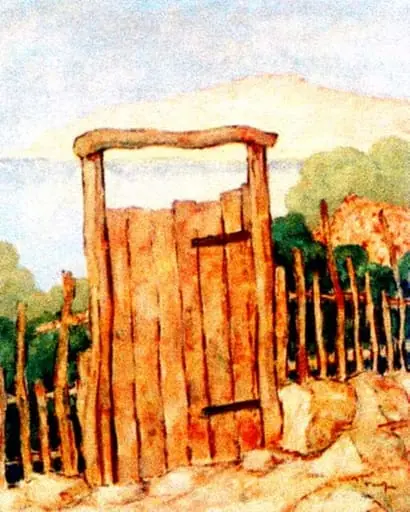
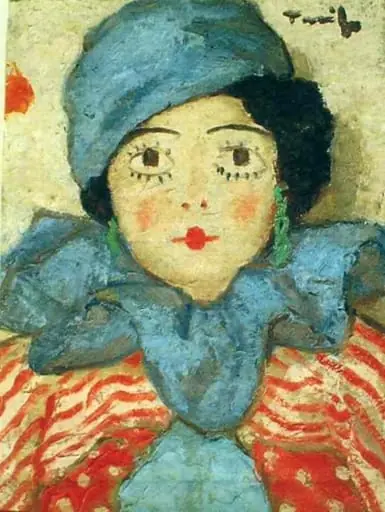
Nicolae Tonitza was a Romanian painter, engraver, lithographer, journalist and art critic. Drawing inspiration from Post-Impressionism and Expressionism, he had a major role in introducing modernist guidelines to local art.

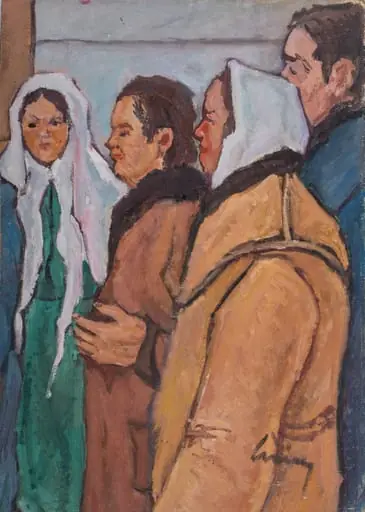 Compoziție cu patru personaje; în prim-plan, dreapta, o femeie și, în spatele ei, doi bărbați priviți din profil până la jumătate. Sunt îmbrăcați cu haine groase de iarnă ocru-brun și albastru; femeia poartă pe cap un batic alb. În plan secund stânga, o femeie văzută din față, 3/4, cu batic și șal alb, rochie verde și haină albastră. Semnat dreapta jos, cu negru: Craiu.
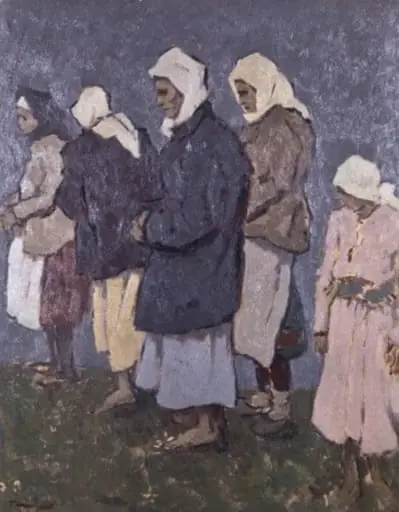 Femei sărace
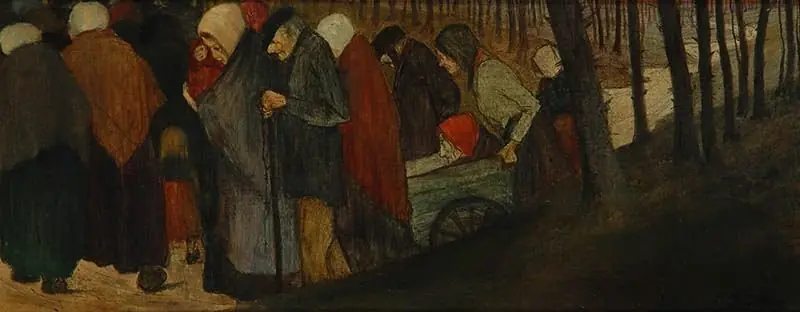 Pilgrimage
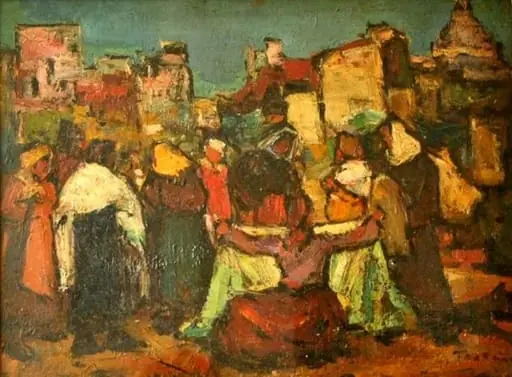 Piața
Piața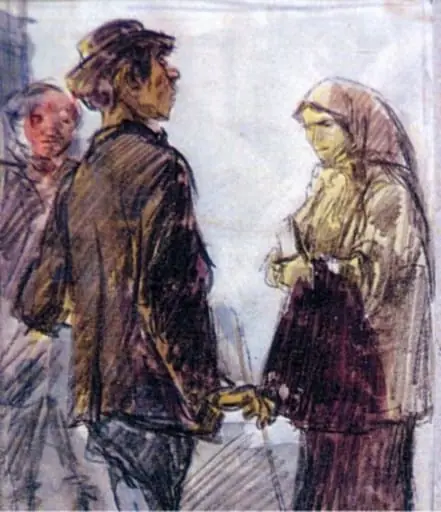 Ilustrație la romanul „Baltagul” de Mihail Sadoveanu
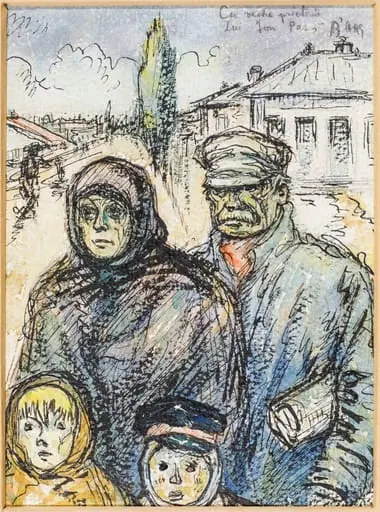 Familie
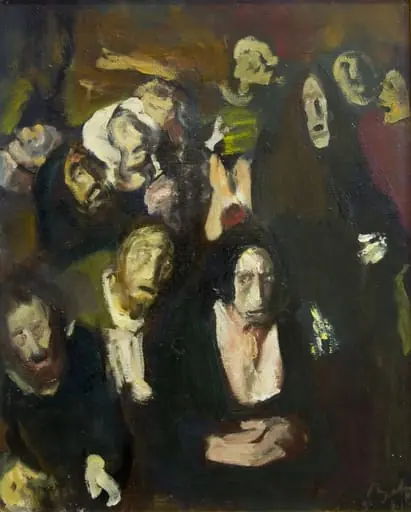 Spaima
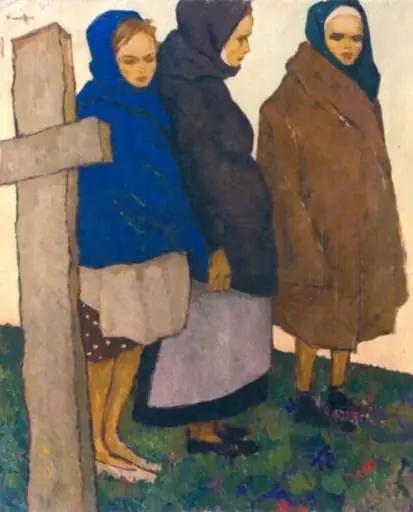 Femei în cimitir (Postmortem)
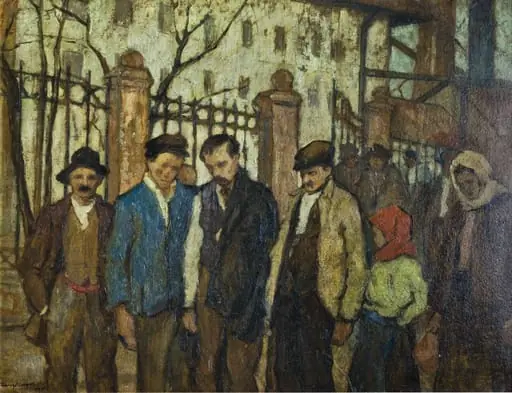 Grevă
Grevă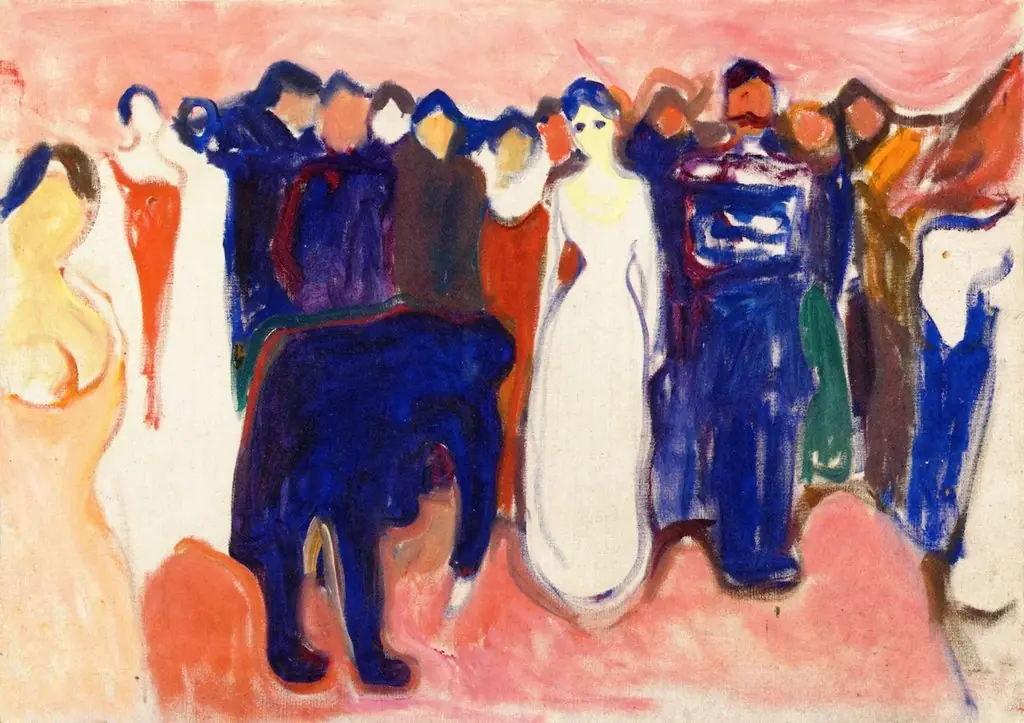 Merry Company
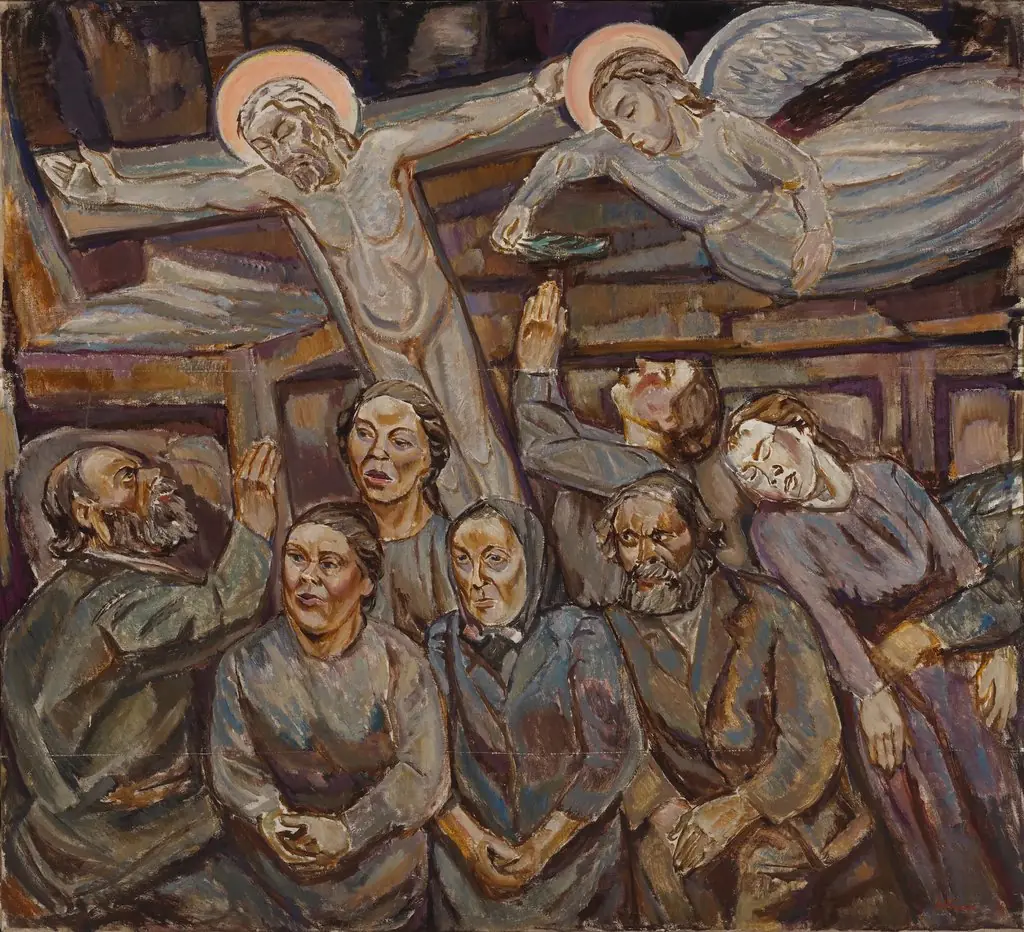 Fanatics
 Un soir de grève