Artwork
Fetița acrobatului
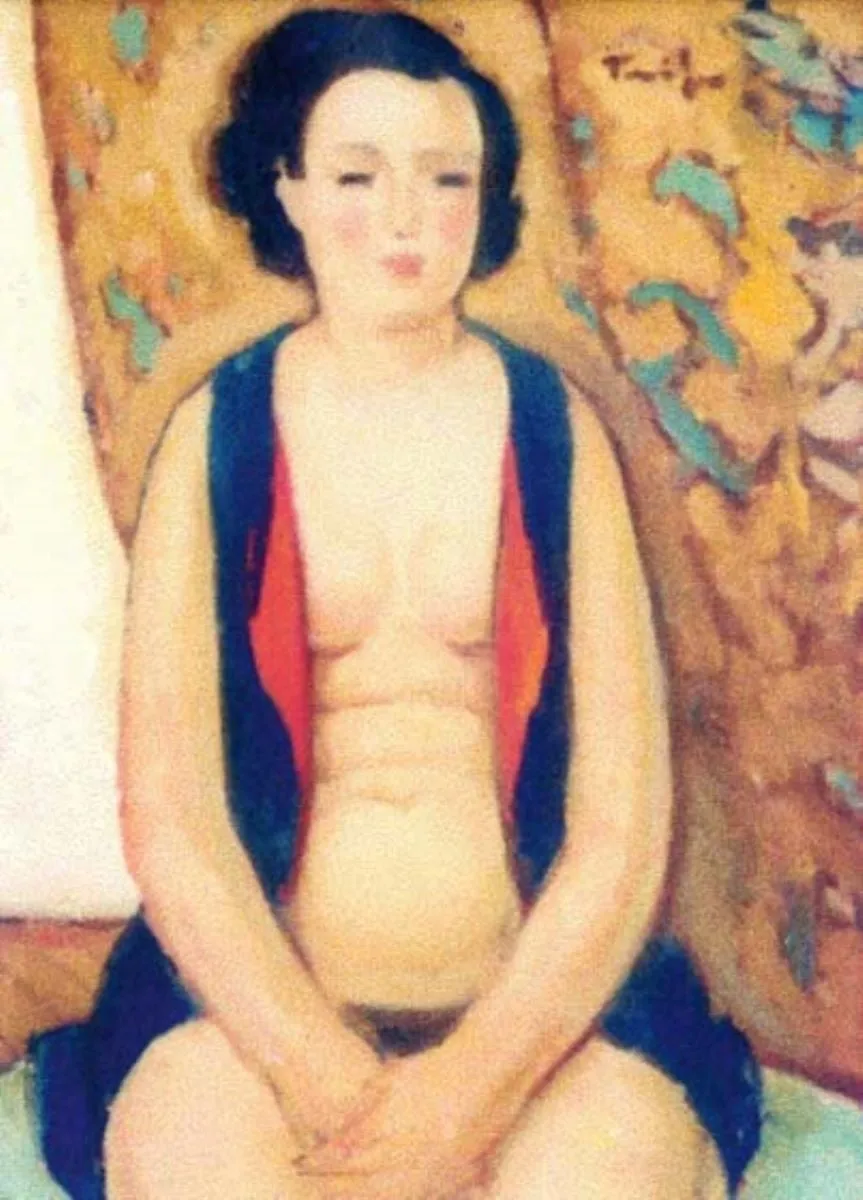
Fetița acrobatului is an unspecified painting by Nicolae Tonitza. It dates from 1925 and is held in the collection of the Art Museum of Constanta.
About this work
Overview
Painted around 1925 by Romanian artist Nicolae Tonitza, Fetița acrobatului is a quiet portrait of a young woman in a private, grounded moment.
Painted around 1925 by Romanian artist Nicolae Tonitza, Fetița acrobatului is a quiet portrait of a young woman in a private, grounded moment. The work is part of the collection at the Museum of Ethnography in Bucharest. Unlike Tonitza’s more dramatic or socially charged scenes, this piece emphasizes stillness and introspection, capturing a figure removed from performance or spectacle despite its title.
Subject & Meaning
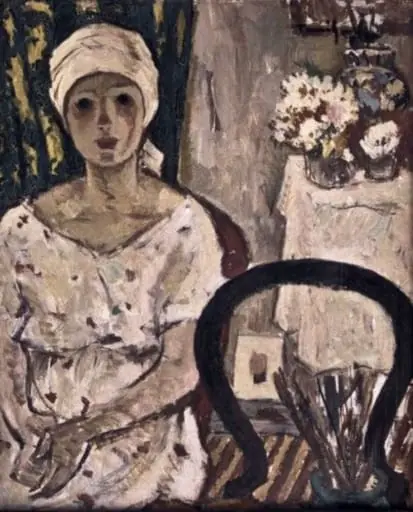
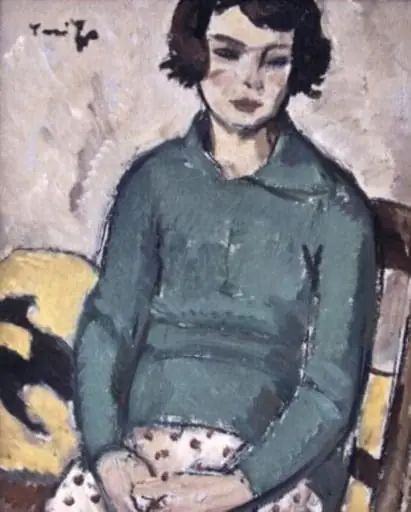
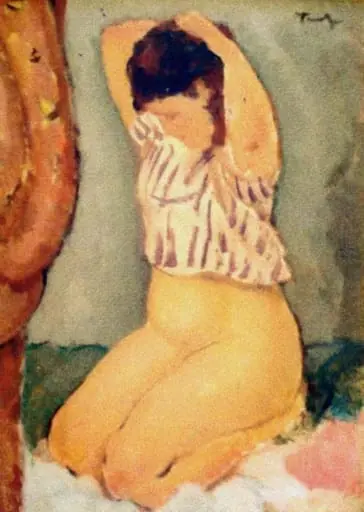
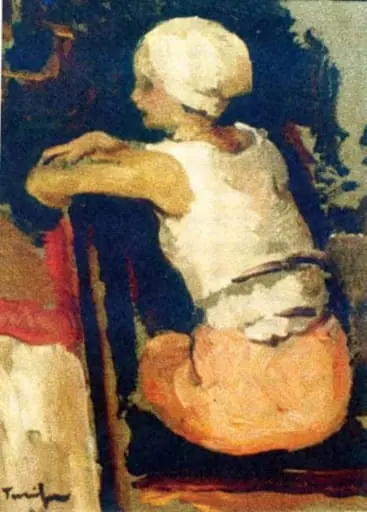
The subject is a young woman seated on the floor, her posture relaxed and her gaze lowered. Though the title suggests an acrobat’s child, the image offers no indication of circus life or physical exertion. Instead, the figure appears withdrawn, almost meditative. The absence of context invites interpretation: she may be resting, reflecting, or simply being observed in an unguarded moment, challenging assumptions about identity and labor.
Technique & Style
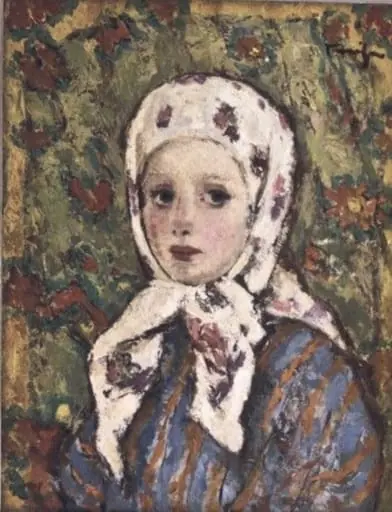
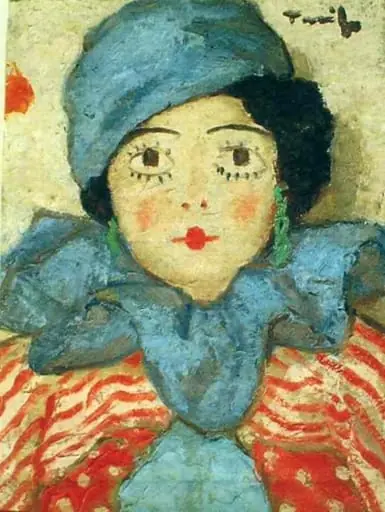
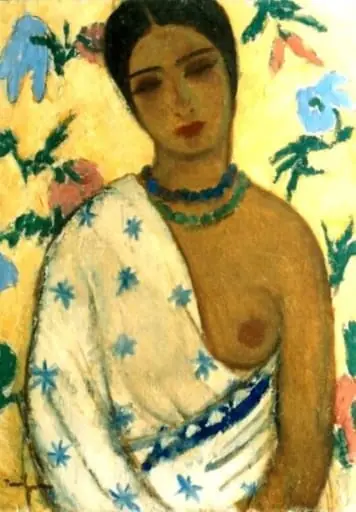
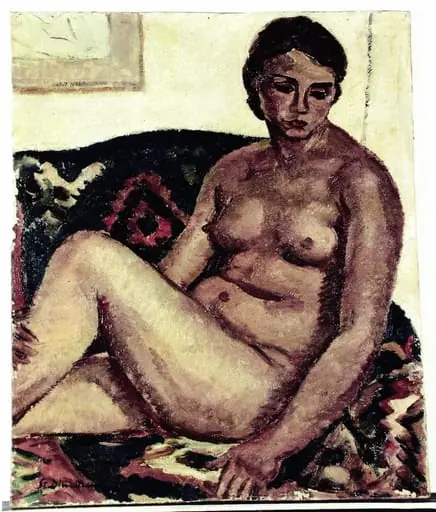
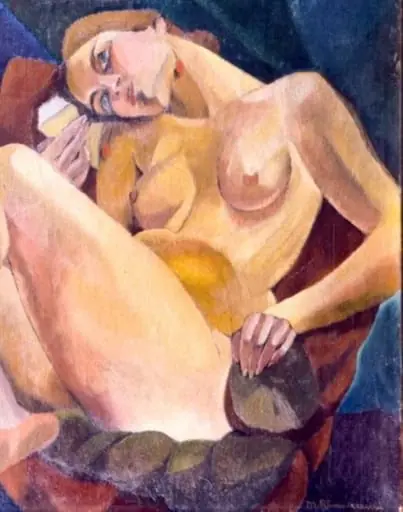
Tonitza employs soft, muted tones with subtle shifts in color to model form—warm earths blend into faint blues and greens in the background. The figure’s skin is rendered with delicate gradations, avoiding harsh lines. The sleeveless top, rendered in blocks of red and blue, contrasts gently with the neutral ground. Brushwork is restrained, prioritizing atmosphere over detail, aligning with Tonitza’s broader interest in emotional resonance over narrative clarity.
History & Provenance
The painting entered the Museum of Ethnography’s collection in the mid-20th century, likely through institutional acquisition or donation following Tonitza’s death in 1940. Its placement in an ethnographic museum, rather than a fine arts institution, reflects early 20th-century Romanian curatorial practices that sometimes grouped modern art with folk or cultural studies. Its provenance remains largely undocumented beyond this institutional record.
Context
Created during Romania’s interwar period, the work emerges alongside broader cultural shifts toward introspective portraiture and a reexamination of everyday life. Tonitza, influenced by Post-Impressionism and Romanian folk aesthetics, often depicted marginalized figures with dignity. Here, the absence of theatricality distinguishes it from contemporaneous circus-themed works, suggesting a quieter, more personal engagement with the human condition.
Legacy
Fetița acrobatului remains a quiet but persistent example of Tonitza’s ability to convey psychological depth through minimal means. While not widely reproduced, it is referenced in scholarly discussions of Romanian modernism for its departure from overt symbolism. Its presence in an ethnographic setting continues to prompt questions about how art, identity, and cultural classification intersect in national collections.
Artist & collection

Artist
Nicolae Tonitza was a Romanian painter, engraver, lithographer, journalist and art critic. Drawing inspiration from Post-Impressionism and Expressionism, he had a major role in introducing modernist guidelines to local art.