Artwork
Untitled
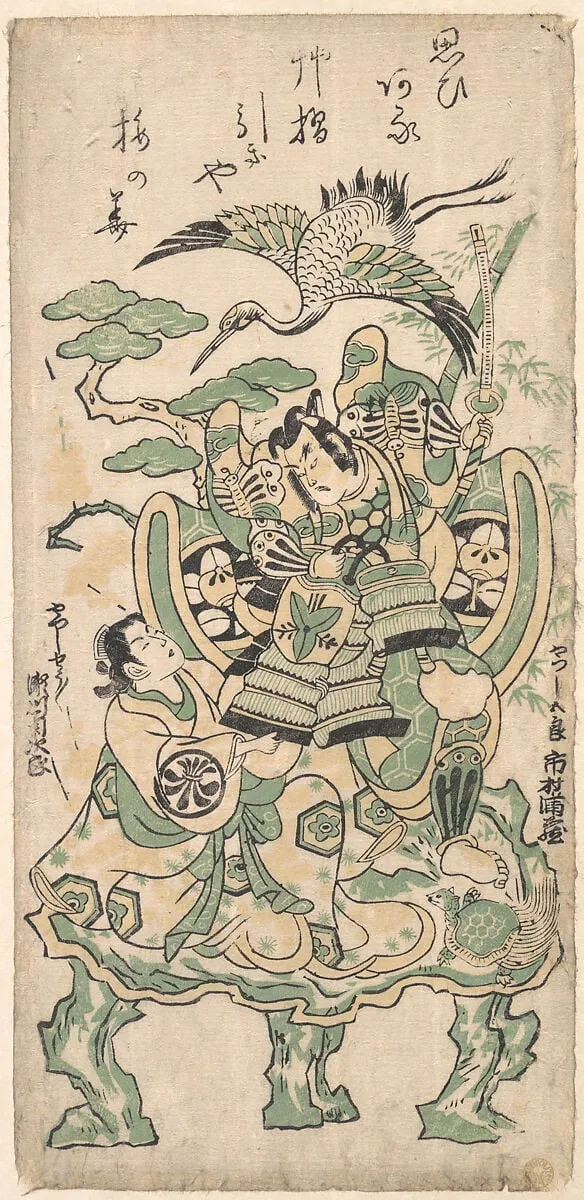
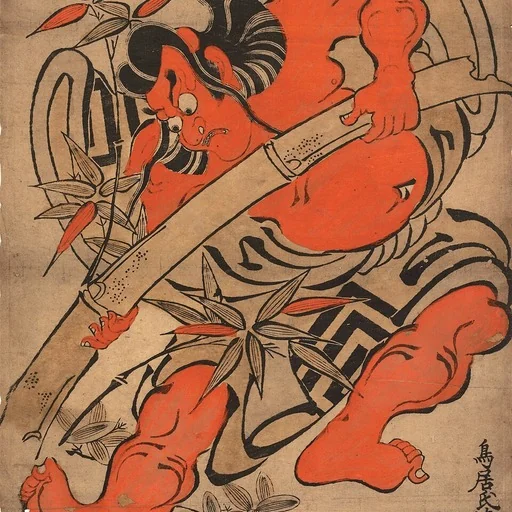
Untitled is an ink print by the Baroque artist Torii Kiyomasu I. It is held in the collection of the Metropolitan Museum of Art.
About this work
Overview
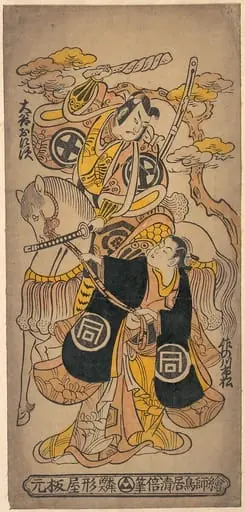
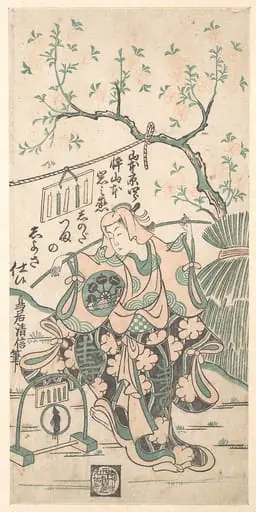
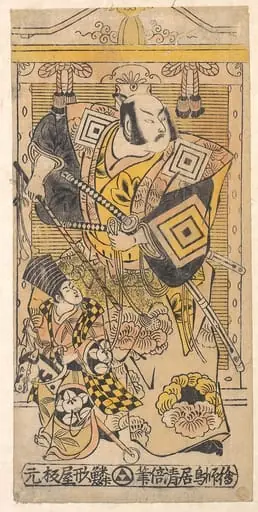
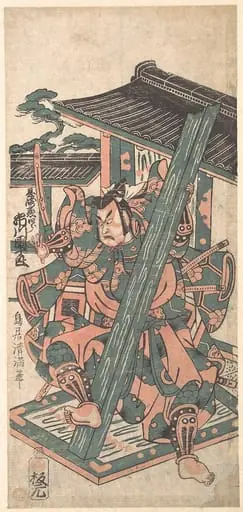
This woodblock print, dated around 1745, is attributed to Torii Kiyomasu I and resides in The Metropolitan Museum of Art’s collection.
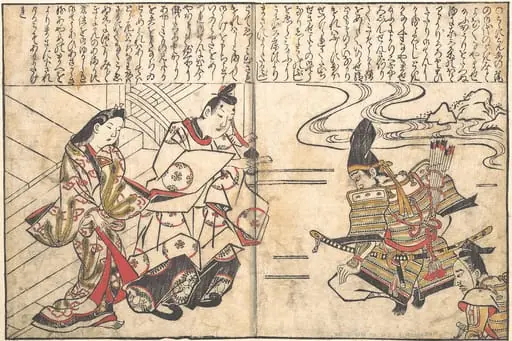
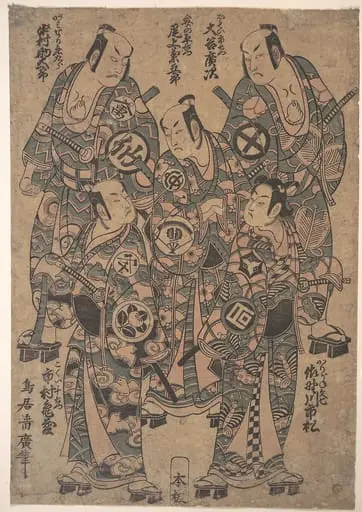
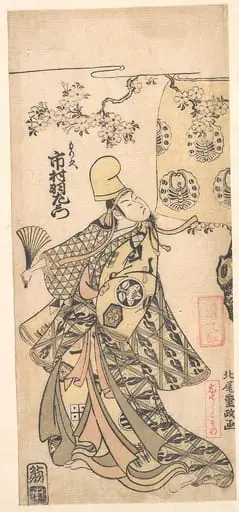
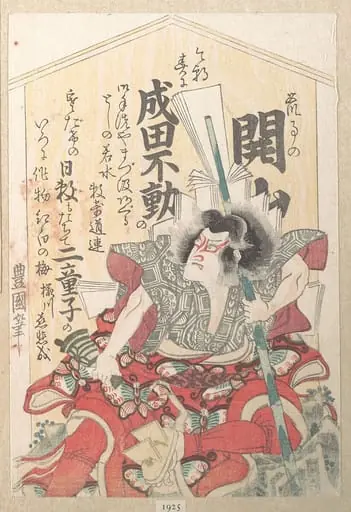
This woodblock print, dated around 1745, is attributed to Torii Kiyomasu I and resides in The Metropolitan Museum of Art’s collection. Executed in ink and color on paper, it depicts a dynamic battle scene with a heavily armored warrior on horseback. The composition is dense with motion, featuring multiple figures in conflict and a large avian form dominating the upper space. Japanese calligraphy borders the image, anchoring it within its cultural context.
Subject & Meaning
The scene portrays a mythic or legendary confrontation, likely drawn from historical or theatrical narratives. The armored warrior, central and dominant, suggests a heroic figure amid chaos. The oversized bird with outstretched wings may symbolize divine intervention, a guardian spirit, or a supernatural omen. The presence of both mounted and foot soldiers implies a larger conflict, while the bird’s unnatural scale introduces an element of the fantastical beyond earthly warfare.
Technique & Style
The print employs fine linework and cross-hatching to render texture, particularly in the bird’s feathers and the warrior’s armor. Details like patterned lamellar armor and swirling clouds reflect a meticulous approach to surface variation. While rooted in Japanese ukiyo-e traditions, the dramatic composition and spatial depth show possible influence from European printmaking, though filtered through local aesthetic sensibilities rather than direct imitation.
History & Provenance
Created in the mid-18th century during the Edo period, the print originates from the Torii school, known for its theatrical and martial imagery. It entered The Metropolitan Museum of Art’s collection as part of a broader acquisition of Japanese prints. Its survival in good condition suggests it was carefully preserved, possibly by a collector or institution interested in Edo-period visual culture.
Context
This work emerged during a time when ukiyo-e artists increasingly explored historical and legendary themes beyond everyday life. The Torii school specialized in warrior imagery for kabuki posters and prints, blending realism with stylized drama. The inclusion of a mythical bird and calligraphic borders reflects a tradition where visual storytelling merged folklore, theater, and spiritual symbolism, appealing to urban audiences familiar with these narratives.
Legacy
Though not widely reproduced or cited in mainstream art history, this print exemplifies the Torii school’s contribution to the evolution of Japanese printmaking. Its fusion of narrative intensity, technical precision, and symbolic elements influenced later artists who sought to elevate genre scenes into epic compositions. It remains a quiet testament to the adaptability of woodblock techniques in conveying complex, layered stories.
Artist & collection
Artist
Torii Kiyomasu was the shop name of a printmaker in Edo—modern Tokyo—who spent his short career plastering the city with bold, eye-catching posters.