Artwork
A Beautiful Woman

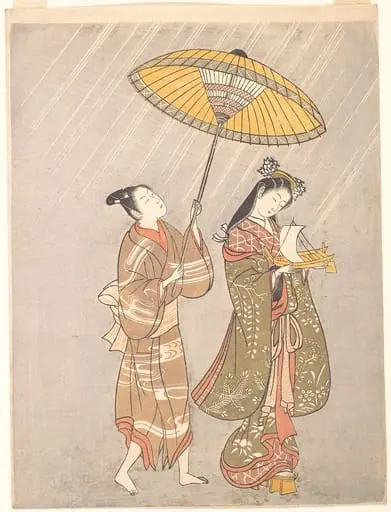
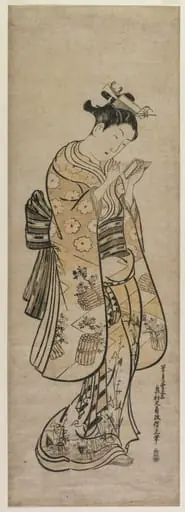
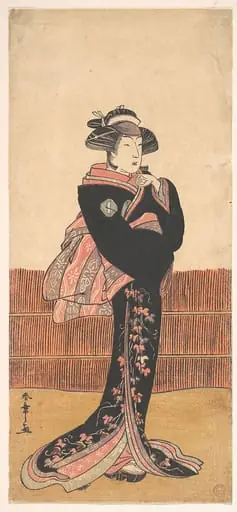
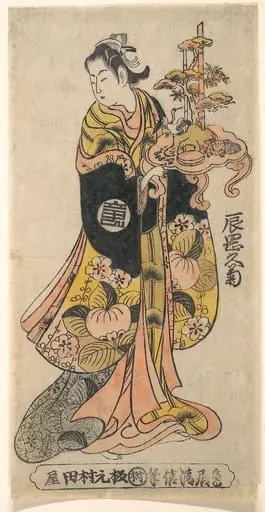
A Beautiful Woman is a print by the Baroque artist Torii Kiyomitsu. It dates from 1760 and is held in the collection of the Cleveland Museum of Art.
About this work
Overview
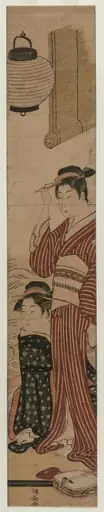
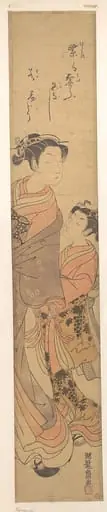
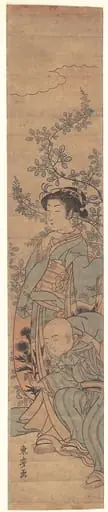
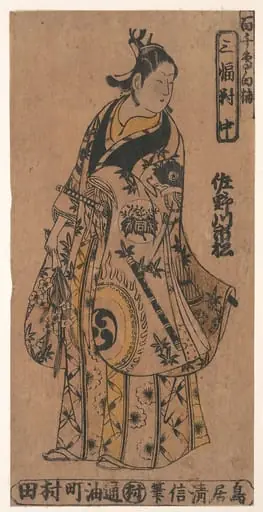
Created in 1760 by Torii Kiyomitsu, this woodblock print depicts a refined woman beneath a striped umbrella. It is part of the Cleveland Museum of Art’s collection and exemplifies the ukiyo-e tradition of depicting urban life and beauty in Edo-period Japan. The composition emphasizes elegance through posture, attire, and controlled use of line and contrast.
Subject & Meaning
The figure is likely a courtesan or high-status woman, identified by her elaborate kimono with white floral motifs and neatly arranged hair. The umbrella and fan suggest a moment of leisure, possibly during a seasonal outing. These elements reflect the cultural emphasis on refined aesthetics and the performative nature of social presentation among urban elites.
Technique & Style
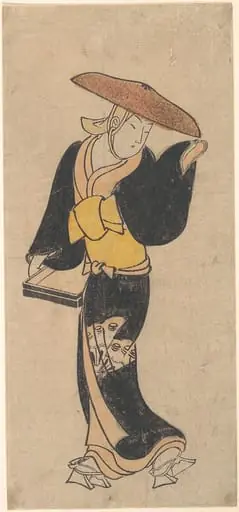
Kiyomitsu employed bold, clean lines and strong tonal contrasts typical of early Torii school prints. The dark robe against the lighter umbrella and background creates visual rhythm. Color was applied in flat, layered blocks, with attention to textile patterns and subtle gradations, showcasing the precision of woodblock carving and hand-printing techniques of the period.
History & Provenance
The print was produced during the height of ukiyo-e’s popularity in Edo, likely as a single-sheet print for private collectors. It entered the Cleveland Museum of Art’s collection through documented acquisitions in the 20th century, preserving its original condition and attribution to Kiyomitsu, a key figure in the Torii lineage of printmakers.
Context
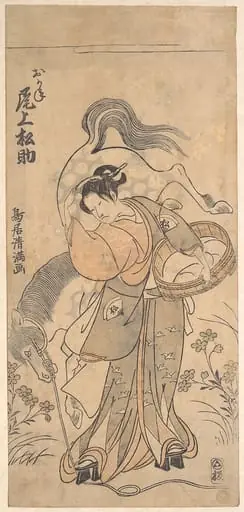
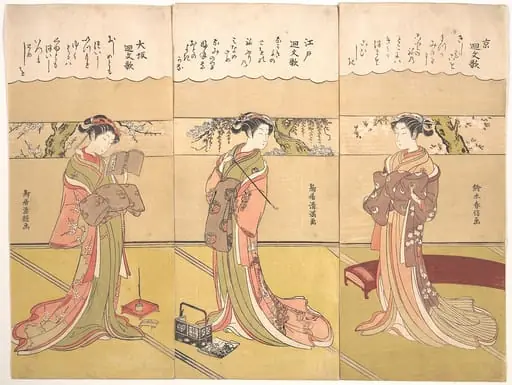
This work emerged during a time when depictions of beauties—bijin-ga—were central to ukiyo-e. Kiyomitsu, trained in the Torii studio, helped transition the style from theatrical subjects to more intimate portrayals of women. His compositions balanced idealized beauty with observed detail, reflecting the growing urban culture and consumer demand for portable art.
Legacy
Kiyomitsu’s prints influenced later generations of ukiyo-e artists by refining the portrayal of feminine grace and integrating narrative subtlety into single images. While less widely known than contemporaries like Utamaro, his contributions helped shape the visual language of bijin-ga, grounding it in disciplined composition and restrained elegance.
Artist & collection