Artwork
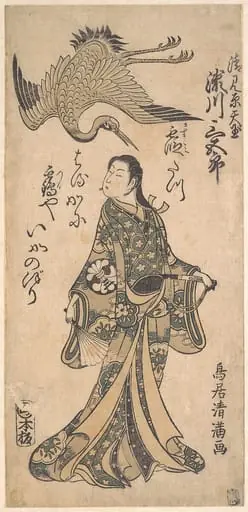
Amagoi Komachi|Komachi Praying for Rain
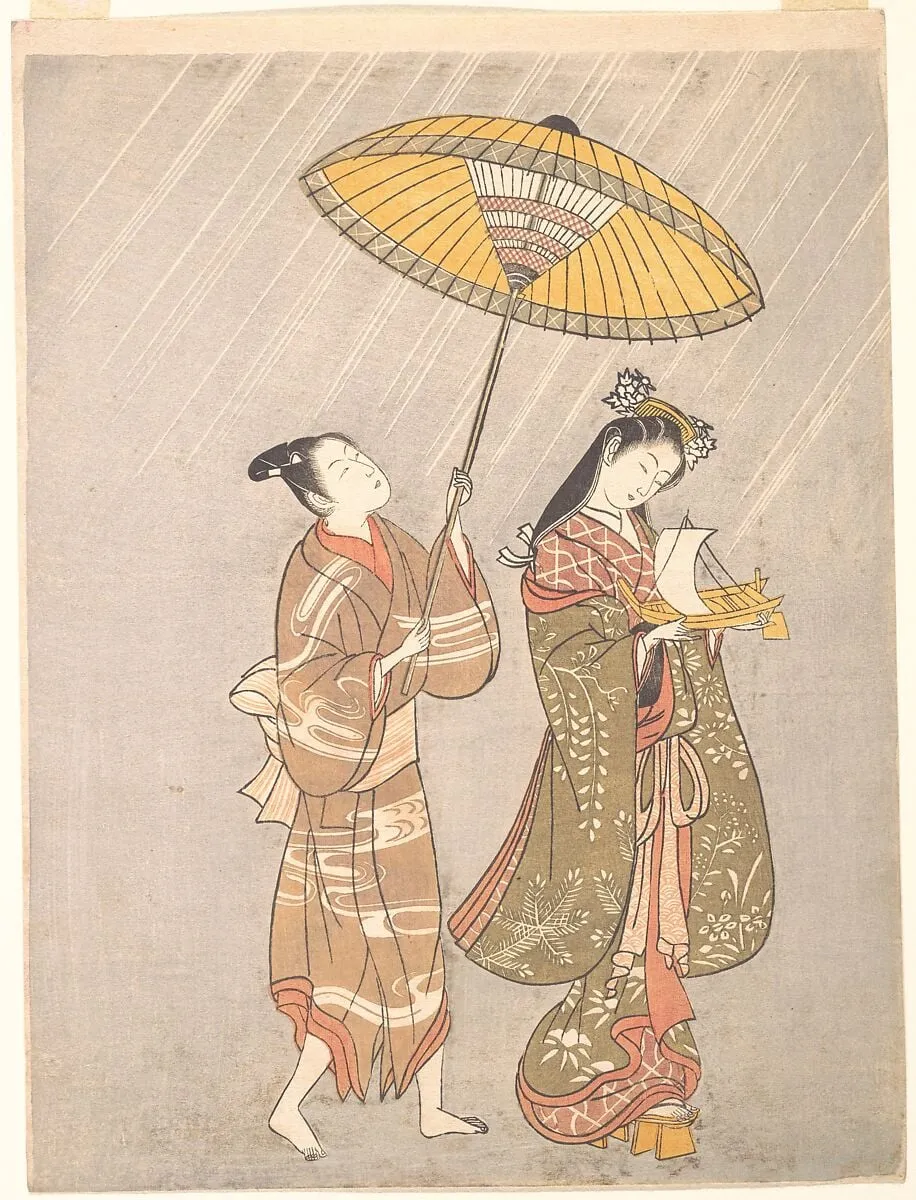
Amagoi Komachi|Komachi Praying for Rain is an ink print by the Romanticist artist Torii Kiyomitsu. It dates from 1765 and is held in the collection of the Metropolitan Museum of Art.
About this work
Overview
Created around 1765 by Torii Kiyomitsu, this woodblock print depicts a scene associated with the legendary poet Ono no Komachi. Rendered in ink and color on paper, it belongs to the ukiyo-e tradition of Edo-period Japan. The work is part of the collection at The Metropolitan Museum of Art, where it is preserved as an example of mid-18th-century printmaking.
Subject & Meaning
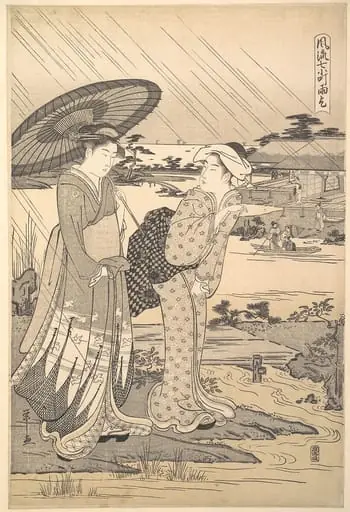
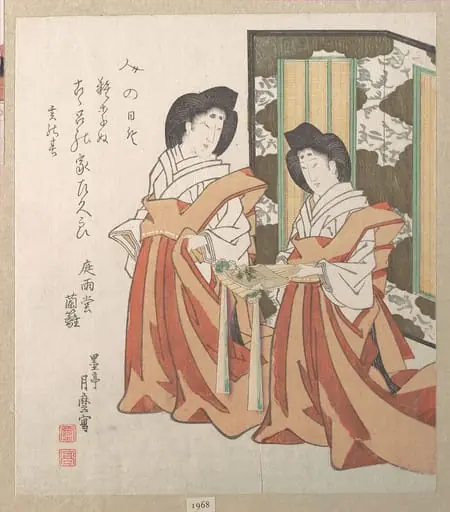
Two women are shown in a rainy landscape: one holds a yellow umbrella, the other a small boat, symbolizing the ritual’s connection to water and supplication.
The print illustrates a legendary episode in which Komachi, famed for her beauty and poetic talent, performs a ritual to summon rain during a drought. Two women are shown in a rainy landscape: one holds a yellow umbrella, the other a small boat, symbolizing the ritual’s connection to water and supplication. The scene blends historical myth with poetic imagery, reflecting the cultural reverence for Komachi’s spiritual power.
Technique & Style
Kiyomitsu employed the ukiyo-e woodblock method, using fine lines and layered colors to suggest texture and movement. The rain is rendered as delicate white strokes against a muted gray background, while the kimonos feature subtle patterns—stripes and floral motifs—applied with precision. The composition is restrained, focusing attention on the figures’ posture and the atmospheric effect of the storm.
History & Provenance
The print was produced during Kiyomitsu’s active period in Edo, when ukiyo-e prints were gaining popularity among urban audiences. It entered the collection of The Metropolitan Museum of Art through documented acquisitions in the 20th century. Its survival in good condition reflects careful preservation and the enduring interest in Edo-period prints outside Japan.
Context
This print emerged during a time when ukiyo-e artists frequently drew from classical literature and folklore to appeal to educated patrons. Komachi, a Heian-era poet, was a recurring subject in visual arts, symbolizing both beauty and spiritual depth. Kiyomitsu’s depiction aligns with a broader trend of blending literary themes with everyday visual culture in mid-Edo printmaking.
Legacy
Though not among Kiyomitsu’s most widely reproduced works, this print remains a quiet example of how ukiyo-e artists elevated mythic narratives into accessible imagery. It contributes to the understanding of how poetic tradition was visually interpreted in 18th-century Japan, influencing later artists who continued to explore historical and literary subjects in print form.
Artist & collection


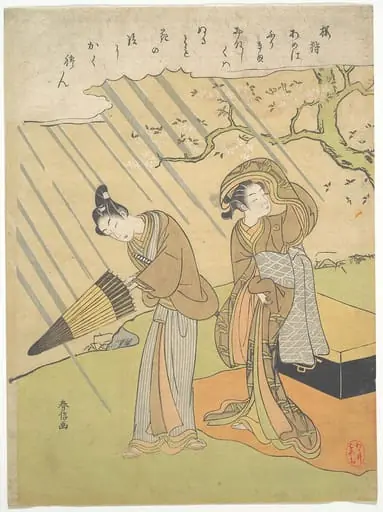 鈴木春信画 桜狩|Young Man and Woman Caught in the Rain while Enjoying Cherry Blossoms (Sakura-gari)
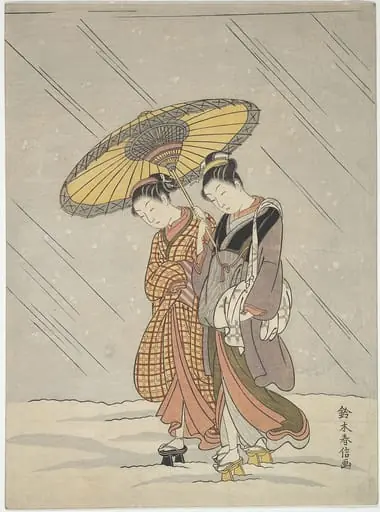 Untitled
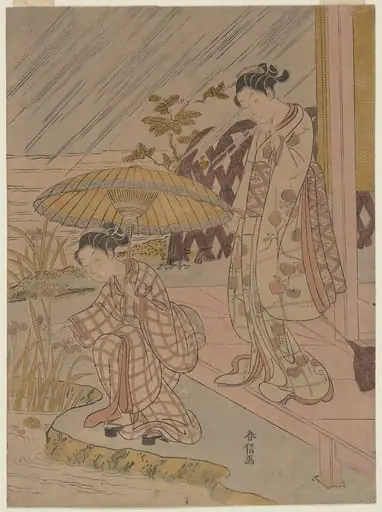 Untitled
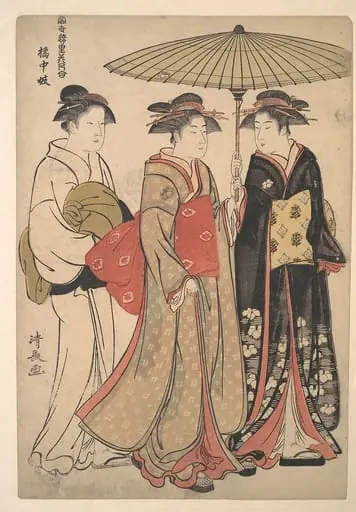 Kitchugi|Geisha of the Tachibana Street
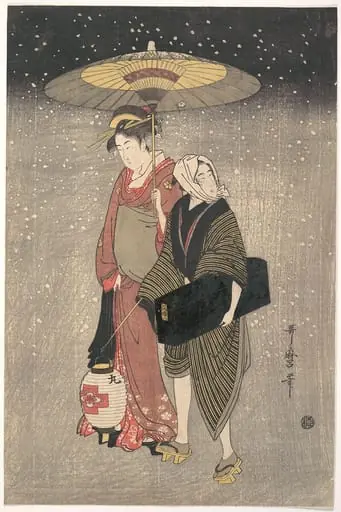 Untitled
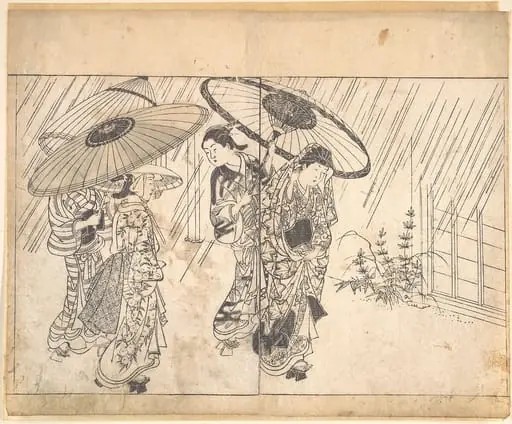 Untitled
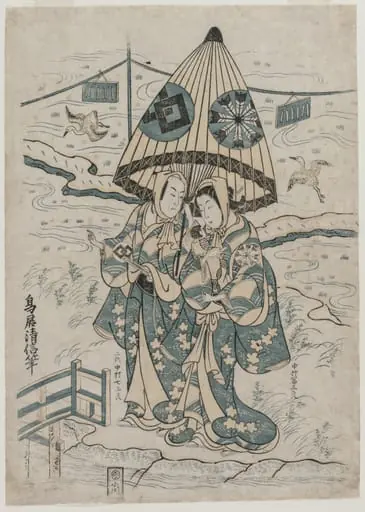 Nakamura Tomijuro and Nakamura Shichisaburo II as the Lovers Agemaki and Sukeroku
 Untitled
 Woman Running Past a Willow Tree in a Breeze
 勝川春好画 三代目澤村宗十郎 三代目佐野川市松 |Kabuki Actors Sawamura Sōjūrō III and Sanogawa Ichimatsu III in "A Courtesan’s Mirror for the Eastern Provinces" (Keisei Azuma kagami)
 Amagoi|Ono no Komachi Praying for Rain
 Untitled