Artwork
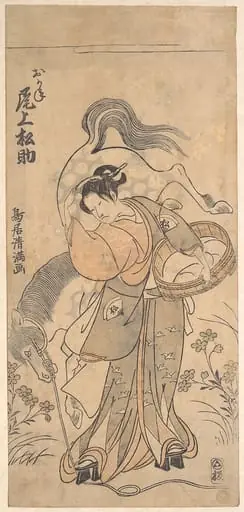
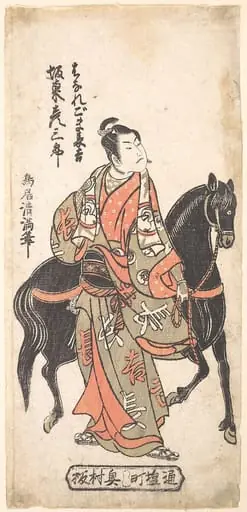
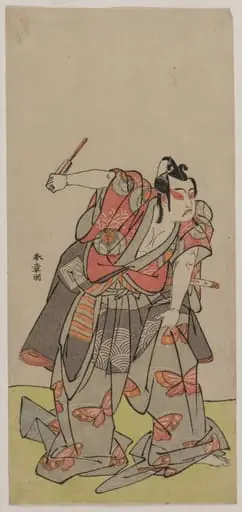
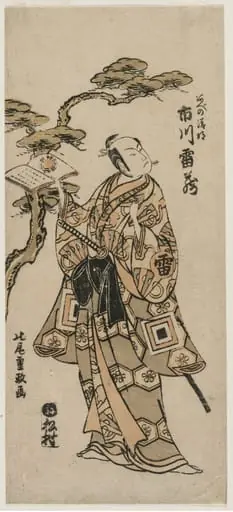
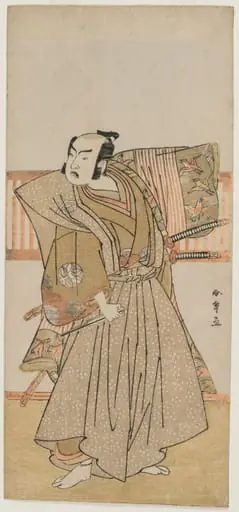
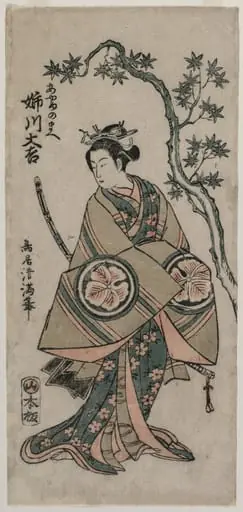
Bando Hikosaburo II as Sanada no Yoichi
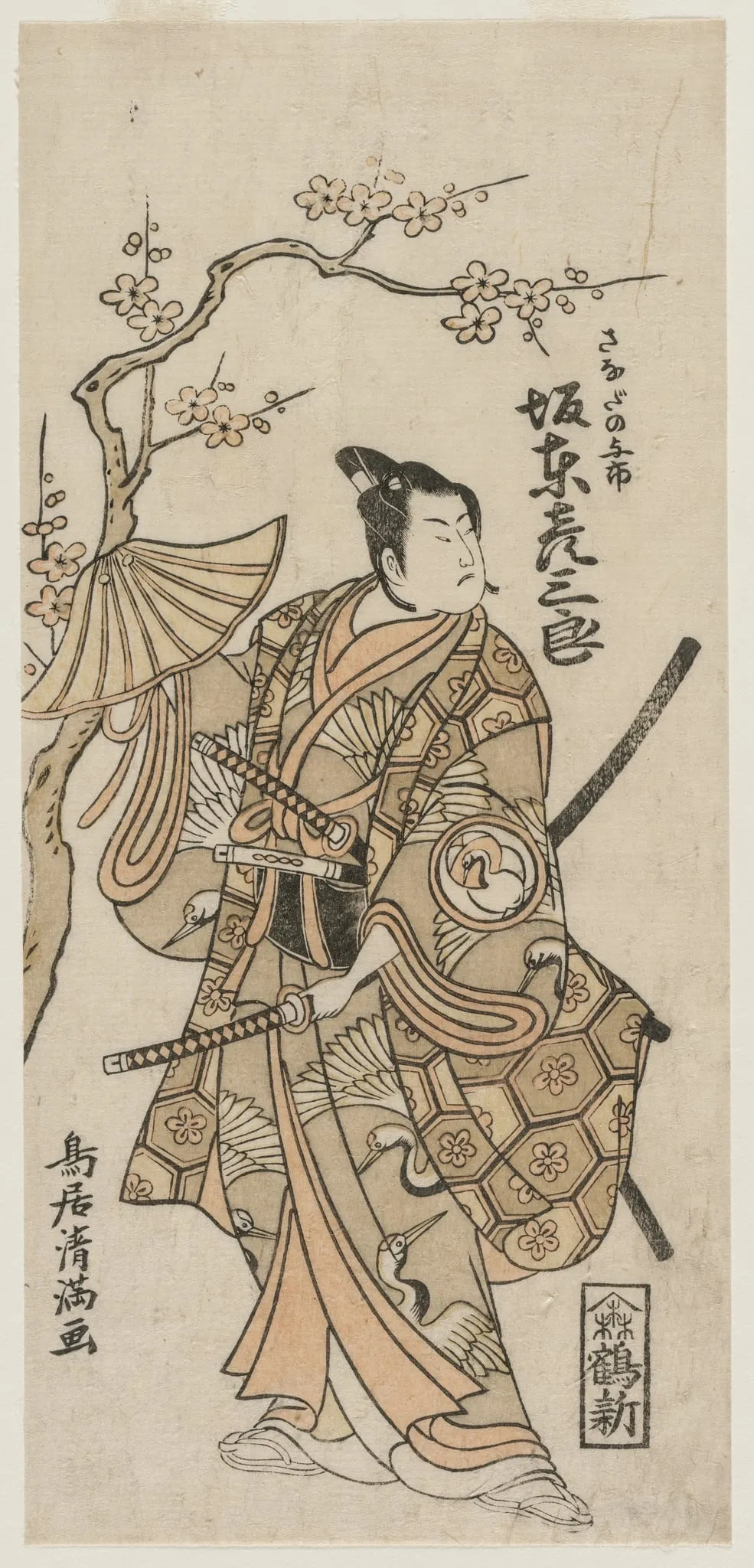
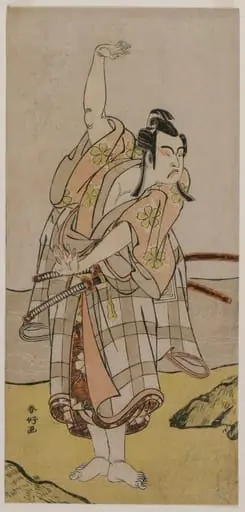
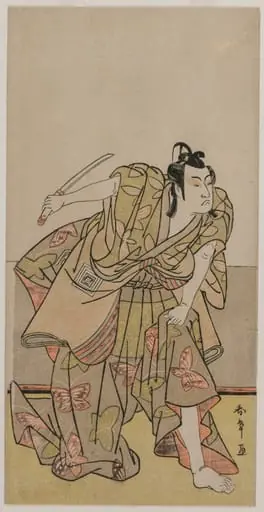
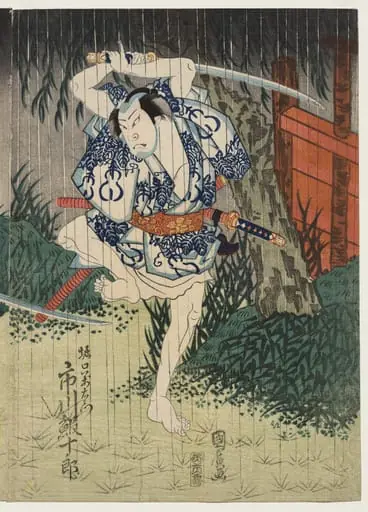
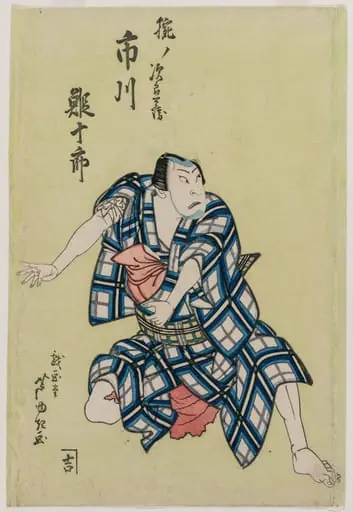
Bando Hikosaburo II as Sanada no Yoichi is a print by the Romanticist artist Torii Kiyomitsu. It dates from 1764 and is held in the collection of the Cleveland Museum of Art.
About this work
Overview
It is currently held in the collection of The Cleveland Museum of Art, where it serves as an example of actor portraiture from the mid-18th century.
Created around 1764 by Torii Kiyomitsu, this woodblock print depicts the kabuki actor Bando Hikosaburo II in the role of Sanada no Yoichi, a legendary archer from Japanese folklore. The work is part of the ukiyo-e tradition, produced for popular consumption in Edo-period Japan. It is currently held in the collection of The Cleveland Museum of Art, where it serves as an example of actor portraiture from the mid-18th century.
Subject & Meaning
The figure represents Sanada no Yoichi, a warrior famed for his skill with the bow during the Genpei War. Here, he is portrayed in theatrical guise, blending historical heroism with kabuki performance. The fan and sword symbolize both martial readiness and refined composure, while the bird on his shoulder may allude to divine favor or the fleeting nature of life, common themes in Edo-era storytelling.
Technique & Style
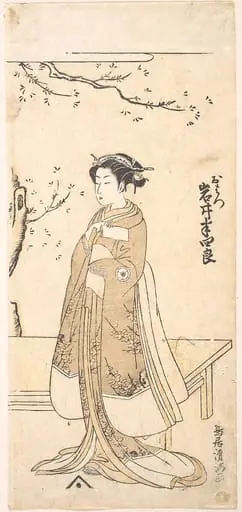
Kiyomitsu employed fine linework and layered color printing to render the intricate armor and flowing robes. The scale-like patterns on the armor and fan are meticulously detailed, enhancing the figure’s grandeur. The background features a sparse, elegant branch of blossoms, framing the subject without overwhelming it. Japanese script along the right edge identifies the actor, role, and theater, adhering to conventions of actor prints from the Torii school.
History & Provenance
The print was produced during a period when actor portraits were widely circulated among urban audiences in Edo. It likely originated as a single-sheet print sold at theaters or print shops. Its survival and eventual acquisition by The Cleveland Museum of Art reflect its enduring value as a cultural artifact, though its specific early ownership history remains undocumented.
Context
This print emerged during the height of kabuki’s popularity, when theaters and printmakers collaborated to promote star performers. Torii Kiyomitsu, a leading artist of the Torii school, specialized in dynamic actor images that balanced realism with stylized elegance. Such prints functioned as both advertising and collectible memorabilia, reinforcing the celebrity status of actors like Bando Hikosaburo II.
Legacy
Kiyomitsu’s work helped define the visual language of kabuki portraiture in the 1760s. While later artists expanded the genre with bolder compositions and richer colors, this print exemplifies the restrained sophistication of its time. It remains a key reference for understanding how theater, print culture, and identity converged in Edo-period Japan.
Artist & collection