Artwork
「摂府真助」「市川子團次」「岸野年秋 市川左團次」 「西条高盛 市川團十郎」 「倉田進八郎 尾上菊五郎」「正太郎 中村仲太郎」「孫市 尾上菊之介」「徳丸 市川幸作」西南雲晴朝東風|Ichikawa Kodanji as Seppu Shinsuke, Ichikawa Sadanji as Kishino Toshiaki, Ichikawa Danjūrō as Saijō Takamori, Onoe Kikugorō as Kurata Shinpachirō, Nakamura Chūtarō as Shōtarō, Onoe Kikunosuke as Magoichi, and Ichikawa Kōsaku as Tokumaru in the play Okige no kumo harau asa gochi
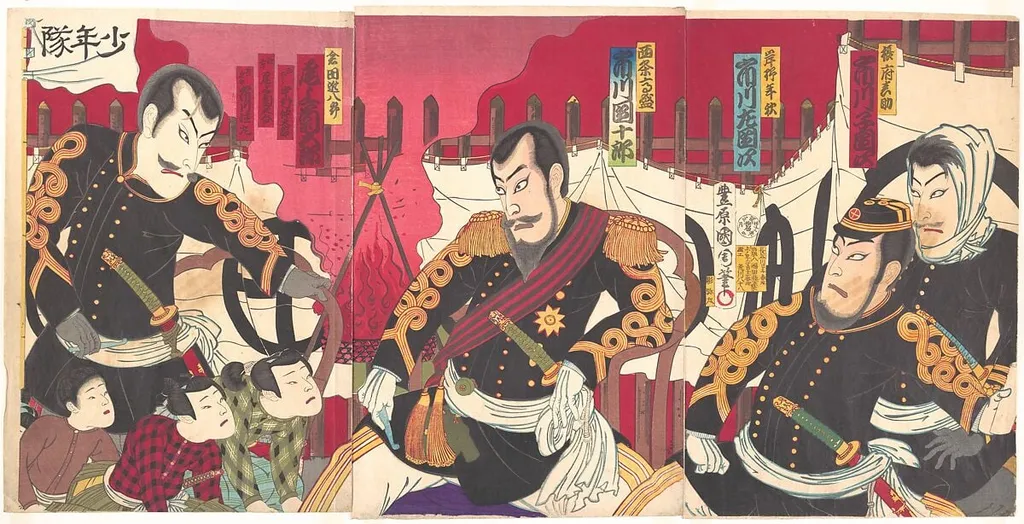
「摂府真助」「市川子團次」「岸野年秋 市川左團次」 「西条高盛 市川團十郎」 「倉田進八郎 尾上菊五郎」「正太郎 中村仲太郎」「孫市 尾上菊之介」「徳丸 市川幸作」西南雲晴朝東風|Ichikawa Kodanji as Seppu Shinsuke, Ichikawa Sadanji as Kishino Toshiaki, Ichikawa Danjūrō as Saijō Takamori, Onoe Kikugorō as Kurata Shinpachirō, Nakamura Chūtarō as Shōtarō, Onoe Kikunosuke as Magoichi, and Ichikawa Kōsaku as Tokumaru in the play Okige no kumo harau asa gochi is an ink print by the Impressionist artist Toyohara Kunichika. It dates from 1878 and is held in the collection of the Metropolitan Museum of Art.
About this work
This painting is a great example of the work of Toyohara Kunichika, a Japanese artist who was active in the late 19th century.
This painting is a triptych, a set of three connected panels. The scene is crowded with figures, all dressed in traditional Japanese clothing and hairstyles. The main figures are men, some of whom are wearing military-style uniforms with gold accents.
In the center panel, a man sits on a chair, looking down at someone on the floor. Another man stands behind him, holding a sword. The background of the panels is red, with some Japanese characters written on them.
This painting is a great example of the work of Toyohara Kunichika, a Japanese artist who was active in the late 19th century.
Overview
This 1878 triptych by Toyohara Kunichika depicts seven actors in roles from the kabuki play 'Okige no kumo harau asa gochi.' Each of the three vertical panels features one or more performers, arranged to form a continuous scene. Rendered in ink and color on paper, the work exemplifies the ukiyo-e tradition of actor portraiture, capturing the theatricality and hierarchy of Edo-period stage performance.
Subject & Meaning
The print portrays actors in character as figures from a historical drama centered on loyalty and conflict. Central to the composition is a seated figure, likely the play’s protagonist, observing a prostrate figure at his feet—suggesting a moment of judgment or submission. The presence of swords and military attire reinforces themes of duty and authority, common in kabuki’s jidaimono genre, which dramatized feudal-era politics and moral dilemmas.
Technique & Style
Kunichika employed bold outlines, vivid flat colors, and dramatic contrasts to heighten emotional intensity. The red background, typical of his later works, frames the figures without depth, focusing attention on their postures and costumes. Facial expressions are stylized yet distinct, and the inclusion of actor names in kanji identifies each performer, fulfilling the print’s function as both art and promotional material for the theater.
History & Provenance
Created in 1878 during the Meiji era, the triptych reflects the enduring popularity of kabuki despite rapid modernization. It was likely produced for sale to theater patrons or collectors. The Metropolitan Museum of Art acquired the set as part of its broader collection of Japanese prints, preserving it as a record of late 19th-century performance culture and printmaking practices.
Context
Kunichika worked during a time when photography and Western-style art were gaining influence in Japan, yet ukiyo-e remained vital for documenting kabuki. This print belongs to a series of actor portraits that celebrated star performers, reinforcing their celebrity status. The play itself, though less known today, was part of a repertoire that blended historical narrative with moral spectacle, appealing to urban audiences seeking both entertainment and cultural continuity.
Legacy
Though not widely exhibited, Kunichika’s triptychs like this one are valued for their precise documentation of kabuki’s visual language. They offer insight into the collaboration between artists, actors, and publishers in Meiji-era Japan. Today, such prints serve as primary sources for scholars studying performance history, costume design, and the evolution of Japanese print media in the face of societal change.
Artist & collection


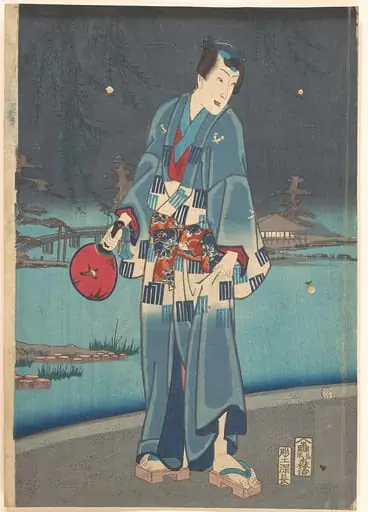 今様源氏紫絹蛍遊び|Modern Genji – Firefly Viewing (Imayō genji shiken hotaru asobi)
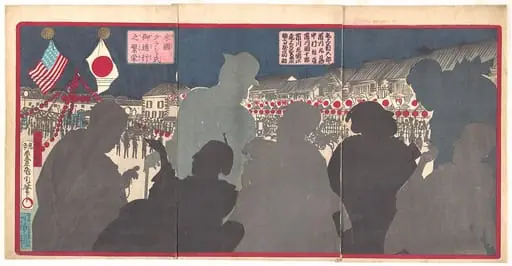 米国グラント氏御通行之繁栄|Splendor of the Procession of General Grant from America (Beikoku Guranto-shi go tsūkō no han'ei)
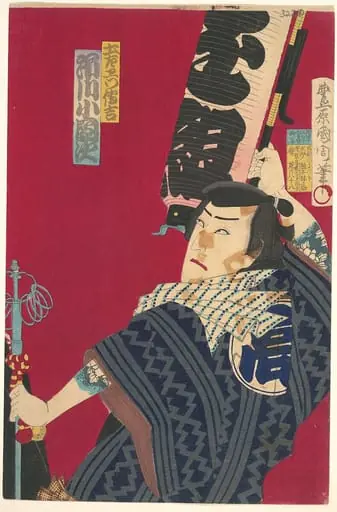 市川左小治 土左衛門伝吉|Ichikawa Sadanji as Dozaemon Denkichi in a Kabuki Play
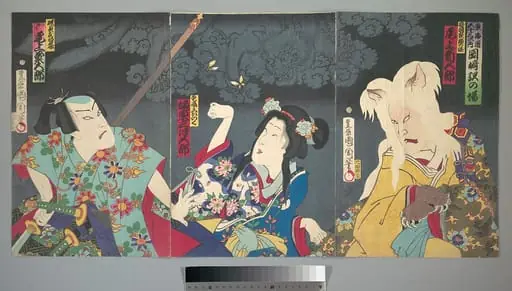 東海寄談音児館|Onoe Kikugorō V as Otowake Neko no ke (Right), Bandō Mitsugorō IV as Aishō Michinoku (Center), Onoe Kikugorō V as Isogai Mibunosuke (Left) in the Kabuki play Tōkai Kidan Nekomata Yashiki
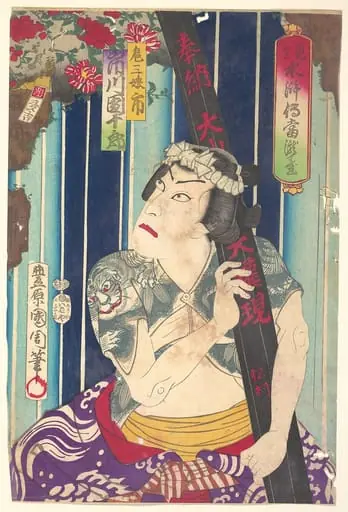 Untitled
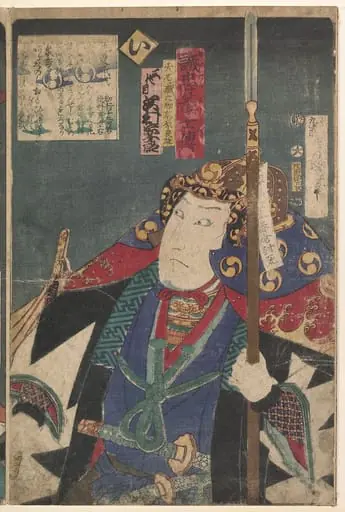 Untitled
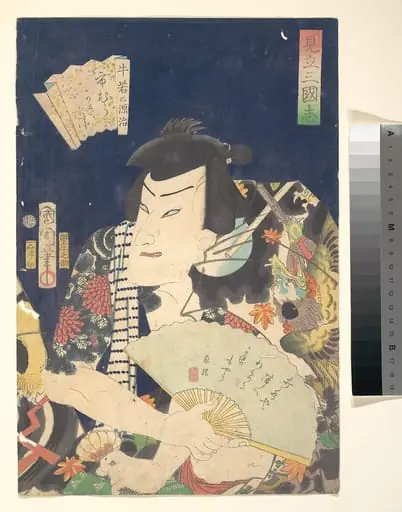 見立三国志 牛若の源治|Ichimura Kakitsu IV as Ushiwaka no Genji in the Kabuki play A Parody of the Romance of the Three Kingdoms (Mitate Sangokushi-Ushiwaka no Genji)
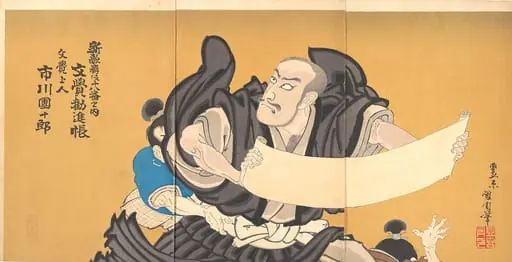 Untitled
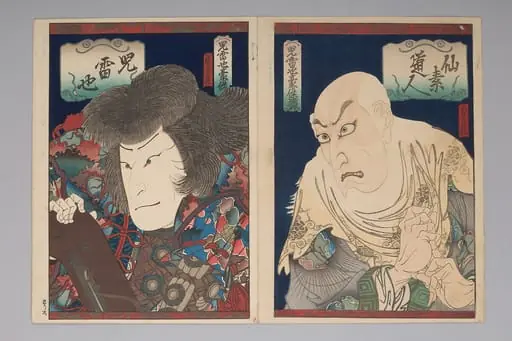 「仙素道人」五代目市川海老蔵 「児雷也」初代実川延三郎|Ichikawa Ebizō V as Senso Dōjin (right); Jitsukawa Ensaburō as Jiraiya (left)
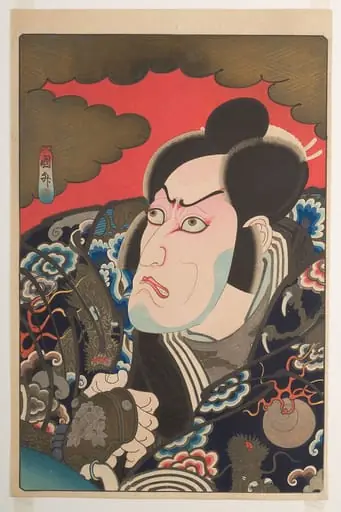 歌川国升画 五代目市川海老蔵 「熊谷次郎直実」|Kabuki Actor Ichikawa Ebizō V as Kumagai Jirō Naozane
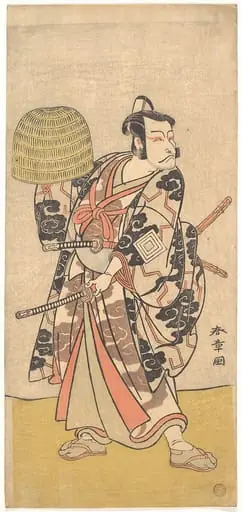 勝川春章画 五代目市川團十郎|Kabuki Actor Ichikawa Danjūrō V
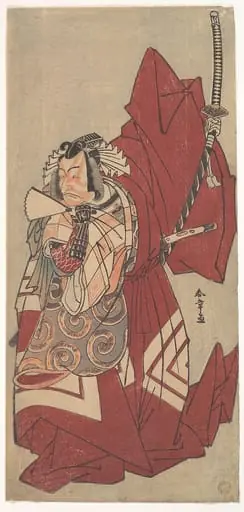 五代目市川団十郎|Kabuki Actor Ichikawa Danjūrō V in a Shibaraku (Stop Right There!) Role as Hannya no Gorō
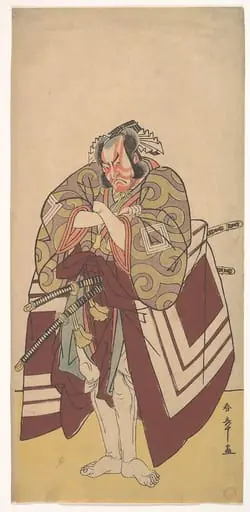 五代目市川団十郎|Kabuki Actor Ichikawa Danjūrō V in a Shibaraku (Stop Right There!) Role