Artwork
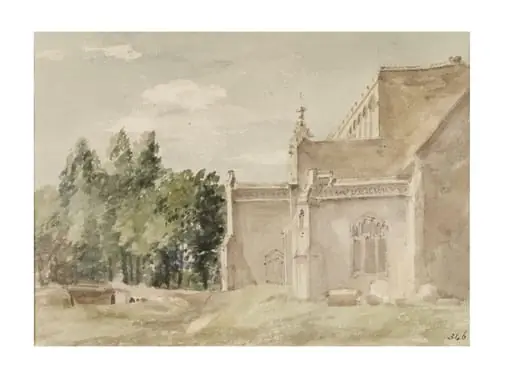
All Saints' Church, Maidstone
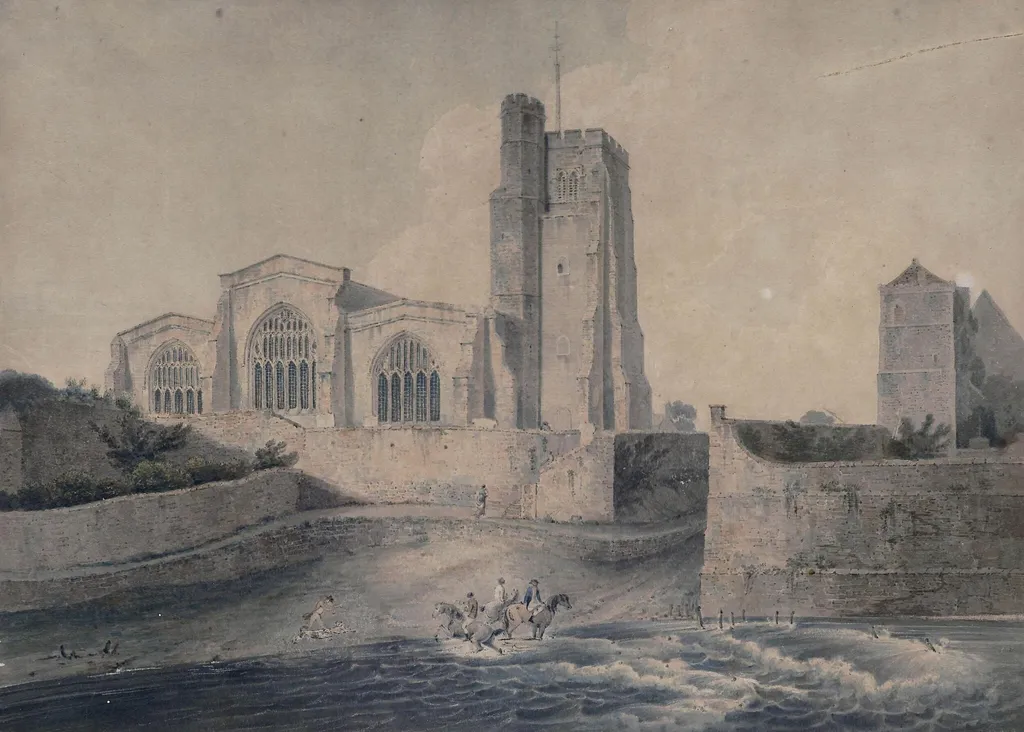
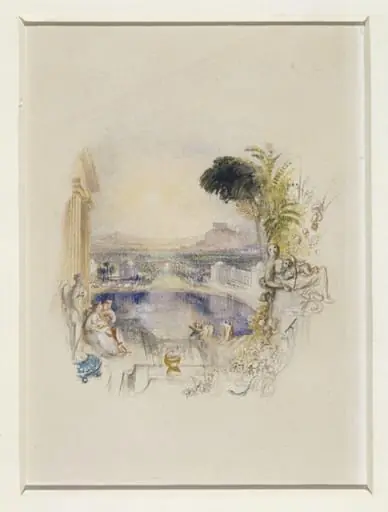
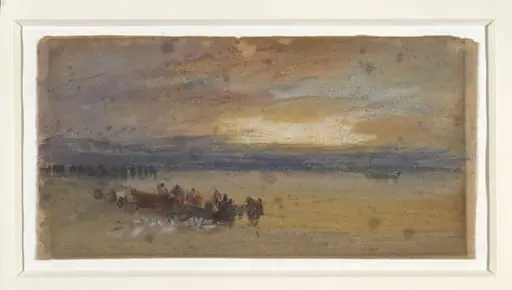
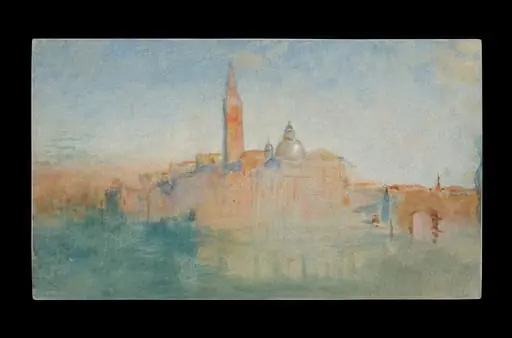
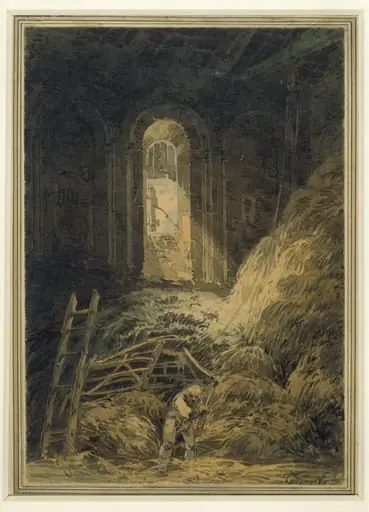
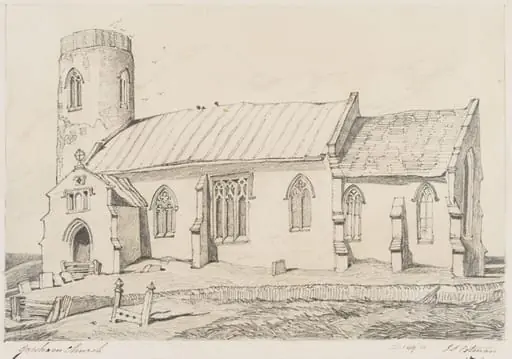
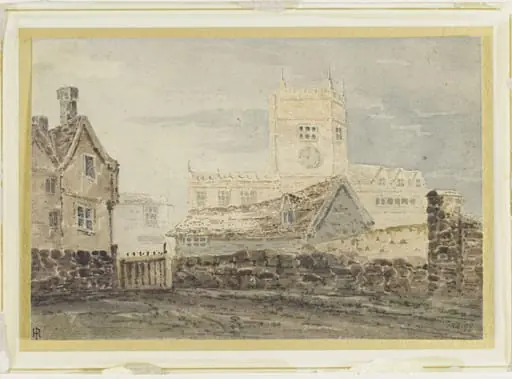
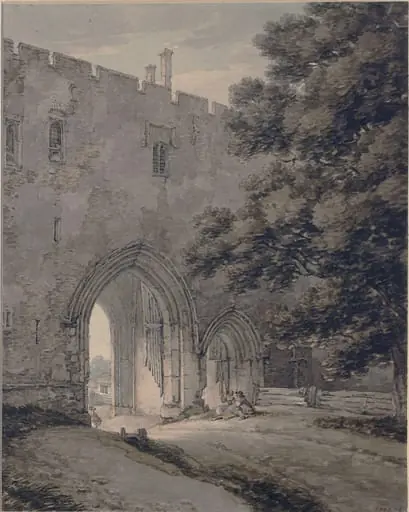
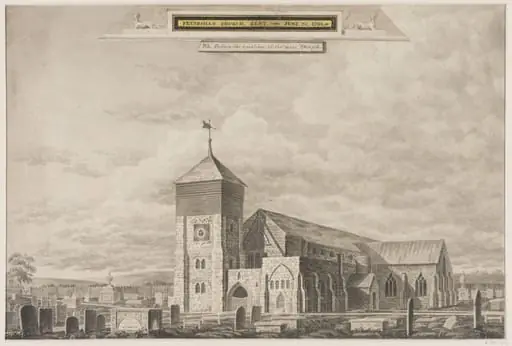
All Saints' Church, Maidstone is a watercolor work on paper by Turner. It dates from 1850 and is held in the collection of the Victoria and Albert Museum. Painted in 1850, this watercolour by J.
About this work
Overview
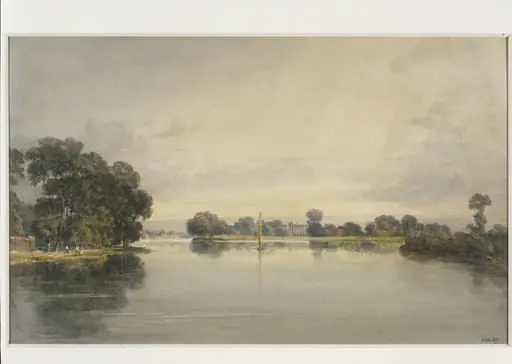
The church, rendered in muted stone tones, anchors the composition while the surrounding landscape dissolves into soft gradients of air and water.
Painted in 1850, this watercolour by J.M.W. Turner captures All Saints' Church in Maidstone with delicate precision. Executed in translucent washes, the work reflects Turner’s late style—subtle, atmospheric, and focused on the interplay of light and structure. The church, rendered in muted stone tones, anchors the composition while the surrounding landscape dissolves into soft gradients of air and water.
Subject & Meaning
The scene presents the church as a quiet sentinel beside a swift-flowing river, with riders moving along a muddy path below. The contrast between the enduring architecture and the transient figures suggests a meditation on permanence versus passage. Turner avoids narrative drama, instead inviting contemplation through stillness and the gentle rhythm of natural elements.
Technique & Style
Turner employed thin, layered watercolour washes to achieve a luminous, almost ethereal quality. Brushwork is loose yet controlled, particularly in the depiction of water, where quick strokes suggest motion without detail. The sky and buildings merge in pale hues, blurring boundaries between structure and atmosphere—a hallmark of his mature approach to light and space.
History & Provenance
Created near the end of Turner’s life, the work likely stems from one of his final sketching tours through Kent. It remained in his studio until his death in 1851, later entering the collection of the British Museum through his bequest. Its survival in watercolour rather than oil reflects Turner’s increasing preference for the medium in his later years.
Context
In 1850, Turner was deeply engaged with topographical subjects, often revisiting familiar English landscapes with renewed sensitivity. All Saints’ Church, a medieval structure with Norman origins, was a common subject for artists documenting regional heritage. Turner’s treatment, however, moves beyond topography into poetic abstraction, aligning with his broader shift toward emotional resonance over documentary accuracy.
Legacy
This watercolour exemplifies Turner’s late evolution toward expressive abstraction, influencing later generations of landscape painters who prioritized mood over detail. Its quiet intensity and mastery of light contributed to the redefinition of watercolour as a serious artistic medium, not merely a preparatory tool. The work remains a quiet testament to his enduring fascination with nature’s transient effects.
Artist & collection
Artist
Turner loved storms so much he once tied himself to a ship’s mast just to feel one, and he painted the light like no one else—even blurring his watercolors with his fingers to make the air shimmer.