Artwork
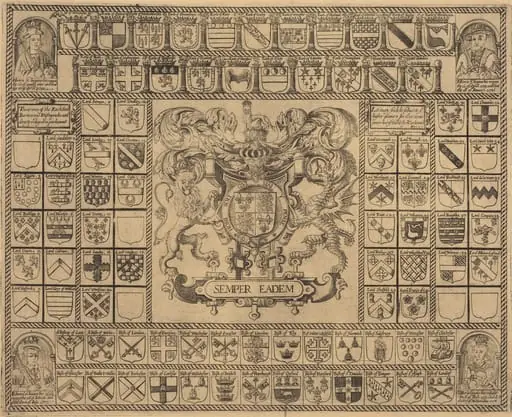
Coat of Arms of Howard, Duke of Norfolk
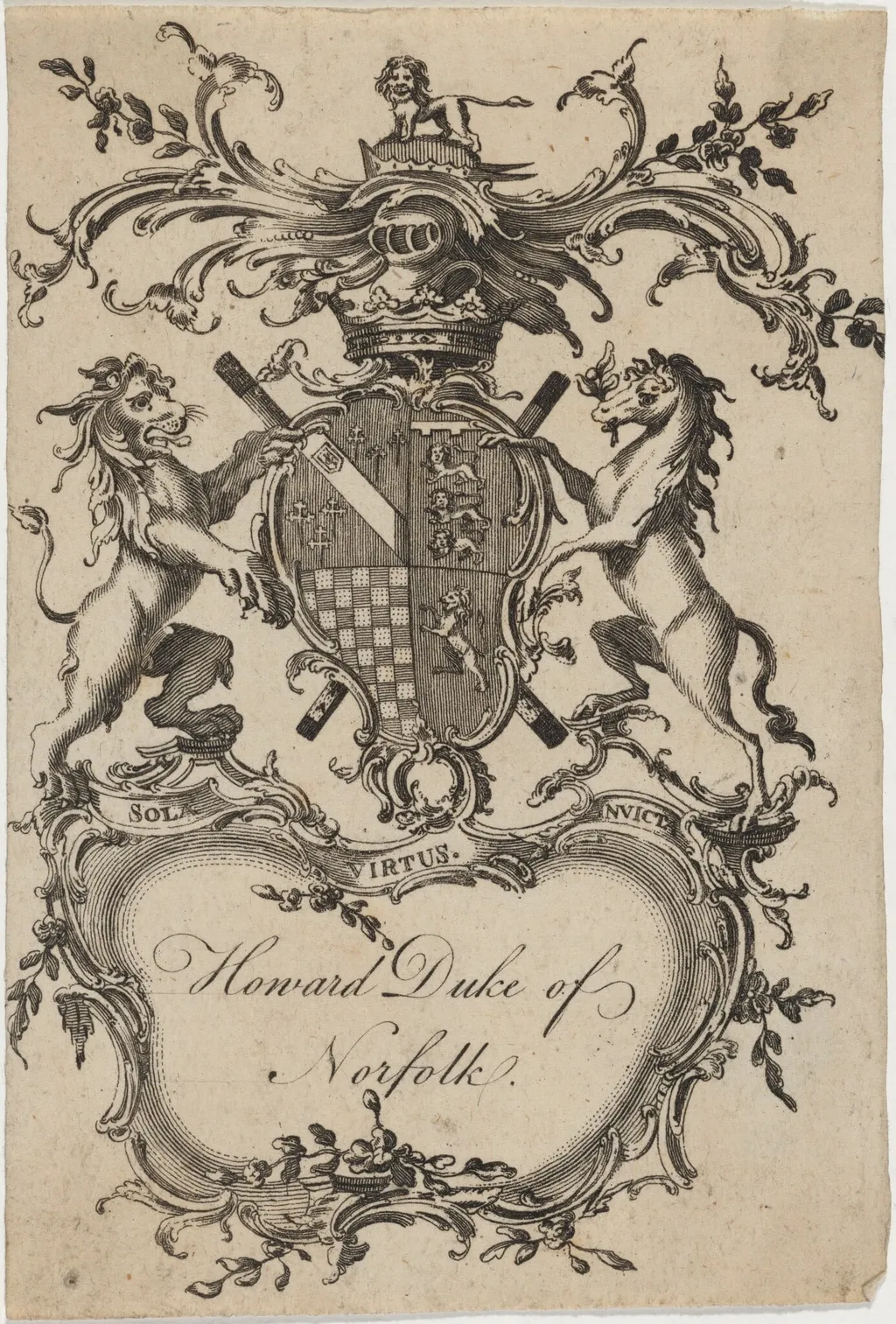
Coat of Arms of Howard, Duke of Norfolk is a print by the Romanticist artist Unknown 19th Century. It dates from 1850 and is held in the collection of the National Gallery of Art.
About this work
Overview
The Coat of Arms of Howard, Duke of Norfolk is a facsimile print depicting the heraldic emblem of the Duke of Norfolk. The design features a shield with a checkered pattern and various symbols, surrounded by two lions, a unicorn, and topped with a crown, all rendered in an ornate style.
Subject & Meaning
The subject is the heraldic representation of the Howard family's lineage and status. Symbols and motifs convey the family's heritage, with the checkered shield, lions, unicorn, and crown collectively signifying nobility, power, and royal connection.
Technique & Style
Executed as a detailed facsimile print, the piece emphasizes intricate details and flourishes, characteristic of a style that prioritizes showcasing wealth and lineage. While rooted in traditional heraldry, its ornateness might suggest influences or parallels with the meticulous attention to detail found in Romanticism-era artworks.
History & Provenance
Limited information is provided on the specific history and provenance of this facsimile print, including its date, original creator, or the context of its reproduction.
Context
This coat of arms would have been displayed to publicly affirm the Howard family's, and specifically the Duke of Norfolk's, social standing and historical roots within the British nobility.
Legacy
As a representation of the Howard family crest, it continues to symbolize the family's enduring legacy and heritage within British nobility, potentially influencing subsequent iterations of the family's heraldic symbols.
Artist & collection

Artist

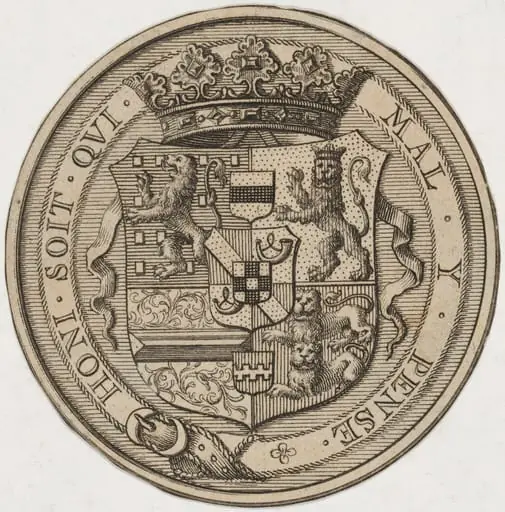 Coat of Arms in a Circle
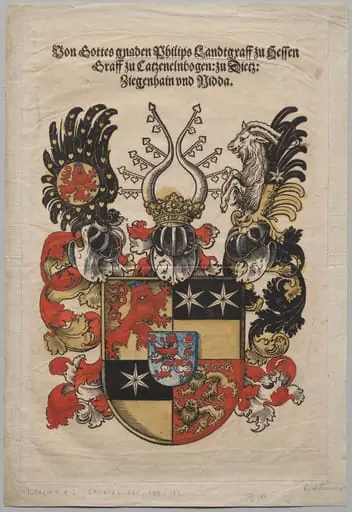 Coat of Arms of Philip, Landgrave of Hesse
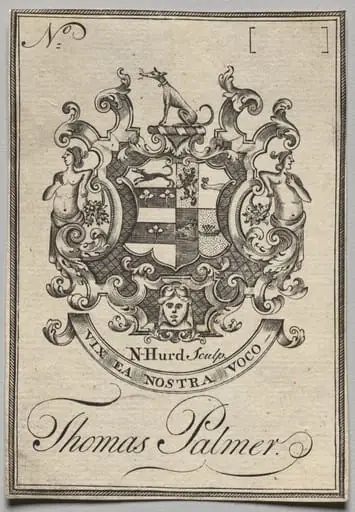 Bookplate: Coat of Arms with Thomas Palmer inscribed
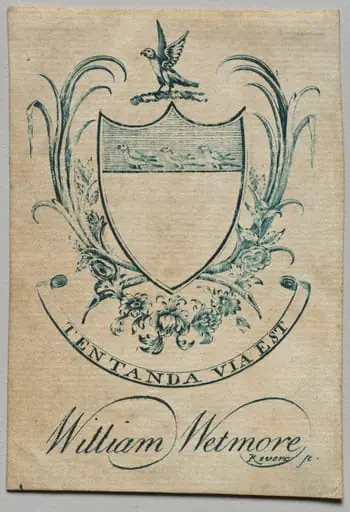 Bookplate: Coat of Arms with William Wetmore inscribed below
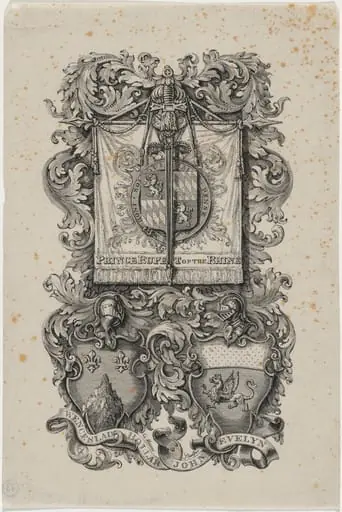 Coat of Arms of Prince Rupert, Hollar and Evelyn
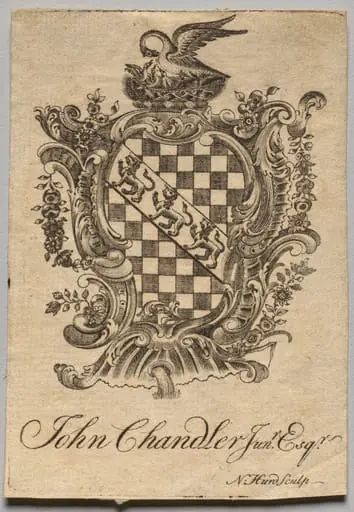 Bookplate: Coat of Arms with John Chandler Jun.r, Esq. inscribed
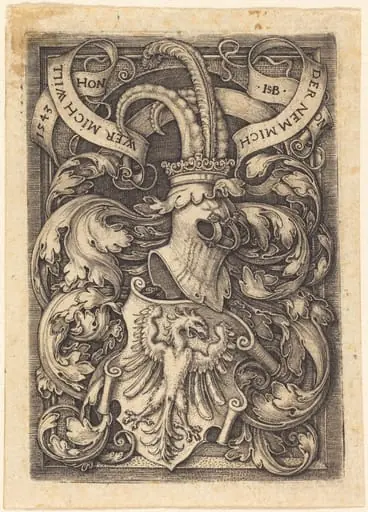 Coat of Arms with an Eagle
 Coats of Arms with Corner Portraits of Henry VII, Henry VIII, Edward VI, and Mary