Artwork
Dr. William Butler
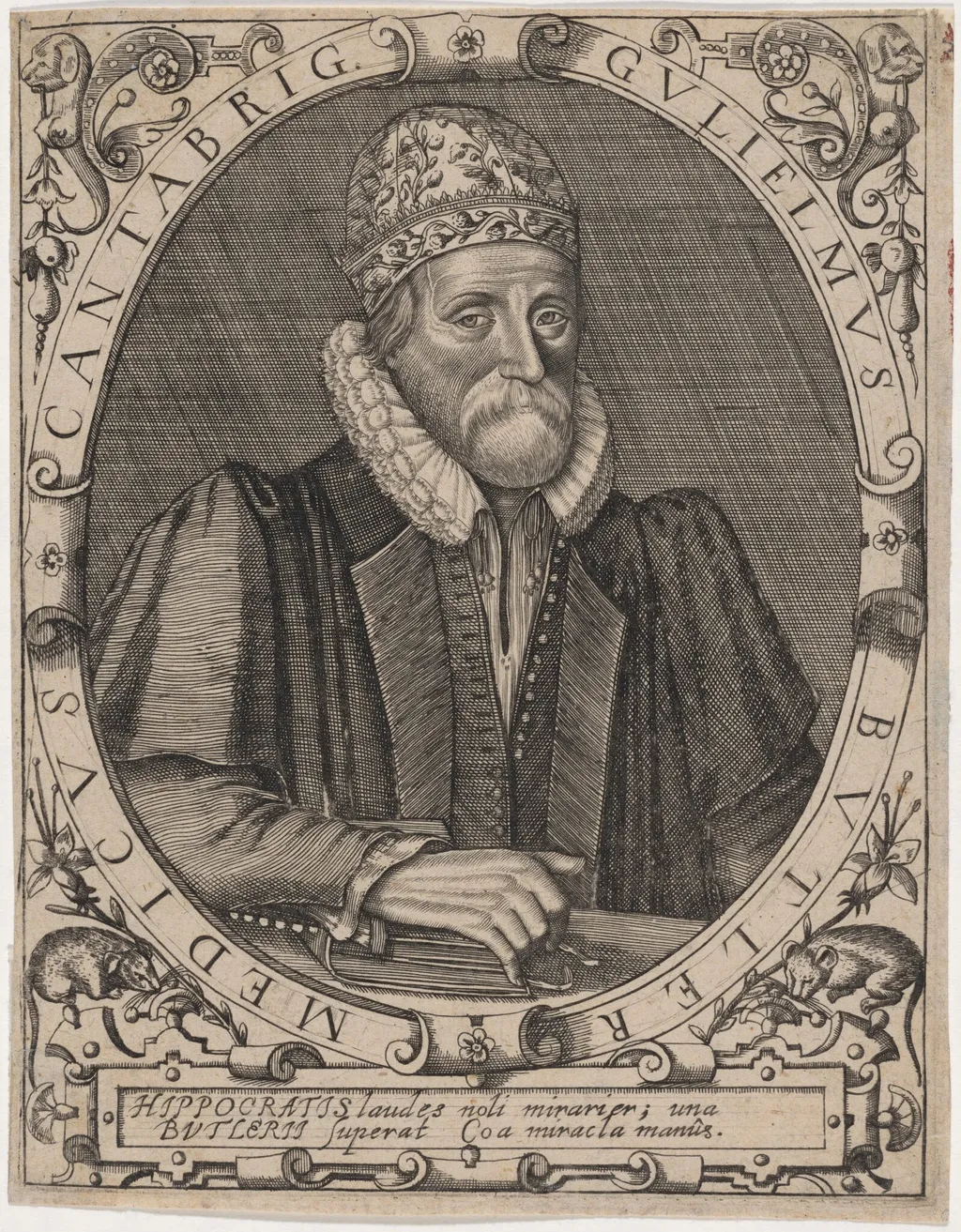
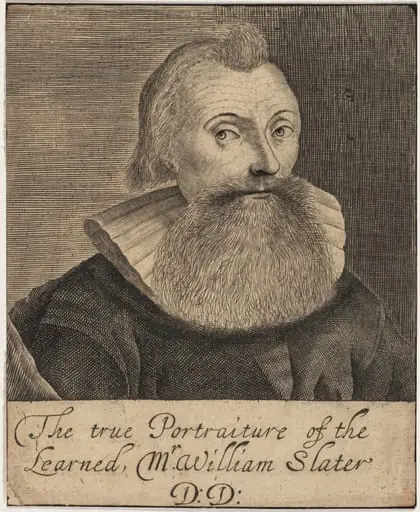
Dr. William Butler is an ink print by the Baroque artist Unknown 19th Century. It dates from 1650 and is held in the collection of the National Gallery of Art. This engraving portrays Dr.
About this work
Overview
The composition emphasizes refinement through meticulous cross-hatching and decorative framing.
This engraving portrays Dr. William Butler, a scholar associated with Cambridge, rendered in fine linear detail. The portrait is enclosed within an ornate oval border filled with botanical and faunal motifs, including a mouse and a bird, suggesting themes of natural observation and intellectual curiosity. The inscription 'CANTABRIG. GVLI. MVSE' and 'BUTLERI' anchors the subject to his academic identity. The composition emphasizes refinement through meticulous cross-hatching and decorative framing.
Subject & Meaning
Dr. Butler is depicted as a learned man, his ruffled collar and elaborate hat signaling status and erudition. The book he holds symbolizes scholarly engagement, while the surrounding flora and fauna may reflect Enlightenment-era interests in natural philosophy. The inclusion of small animals within the frame could allude to quiet contemplation or the microcosm of knowledge. His gaze, directed outward, invites the viewer into a space of intellectual exchange.
Technique & Style
The artist employed fine-line engraving with cross-hatching to model form and texture, achieving subtle gradations of light and shadow. The intricate border, rendered with precision, contrasts with the smoother planes of the figure’s face and clothing. Decorative elements like vines and animals are rendered with delicate precision, demonstrating mastery of the medium. The composition balances realism in the portrait with stylized ornamentation in the frame.
History & Provenance
The engraving likely dates to the late 17th or early 18th century, given the attire and Latin inscriptions. Dr. William Butler was a Cambridge academic, possibly a fellow or tutor, though specific biographical records are sparse. The print was probably commissioned to commemorate his scholarly role, circulated among academic circles. Its survival suggests it was valued within institutional or private collections of the time.
Context
In early modern England, engraved portraits of academics were common tools for institutional prestige. Such images often combined personal likeness with symbolic elements to convey virtue and learning. The integration of natural motifs aligns with broader cultural trends that linked scholarship with the study of nature. This print reflects a tradition where portraiture served both commemorative and didactic purposes within university communities.
Legacy
Though the artist remains unidentified, the engraving preserves a visual record of an academic figure from a period when scholarly identity was closely tied to visual representation. Its survival offers insight into how knowledge was visually codified and celebrated. The work contributes to a broader archive of early modern portraiture that valued intellectual dignity through refined craftsmanship and symbolic detail.
Artist & collection

Artist

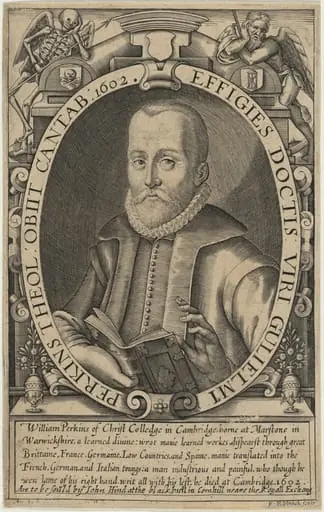 William Perkins, D.D.
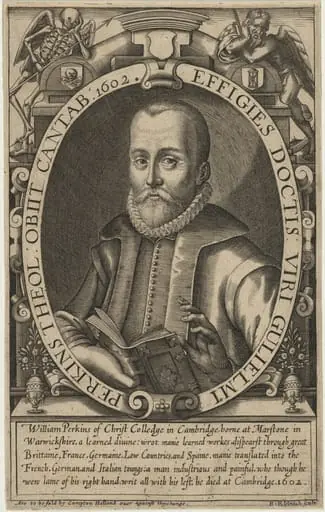 William Perkins, D.D.
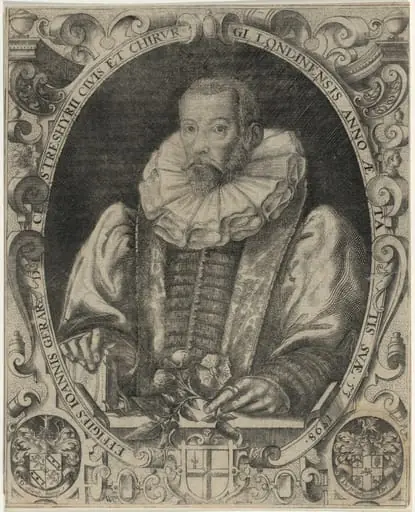 John Gerard, Herbalist
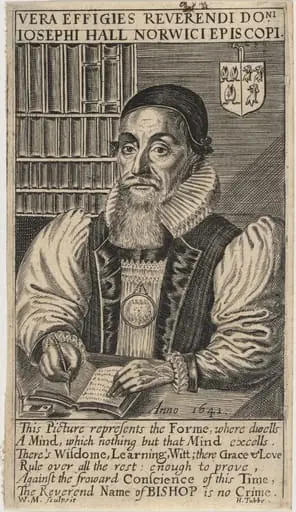 Joseph Hall, Bishop of Norwich
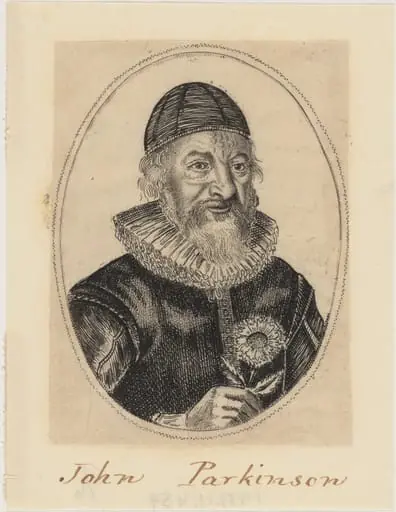 John Parkinson, Apothecary and Herbalist to James I
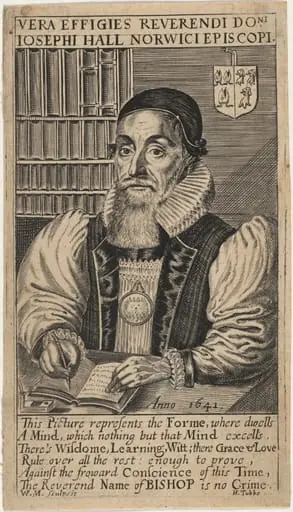 Joseph Hall, Bishop of Norwich
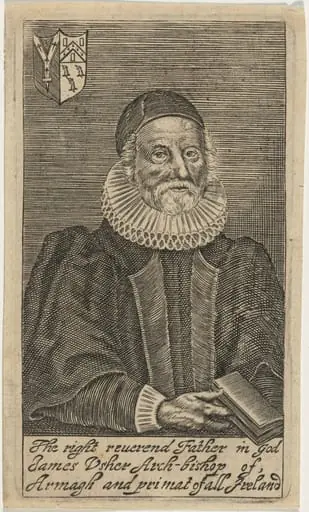 James Ussher, Archbishop of Armagh
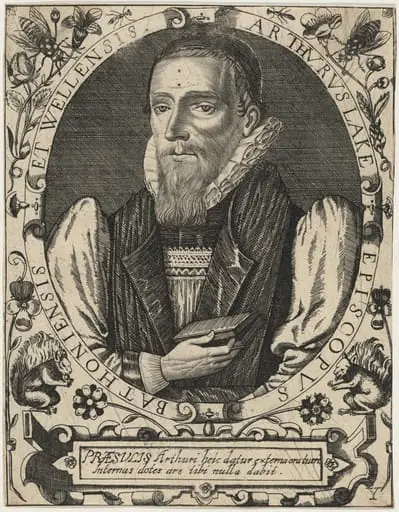 Arthur Lake, Bishop of Bath and Wells
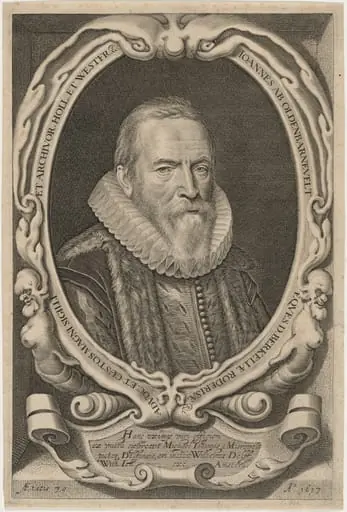 Johan van Oldenbarneveldt
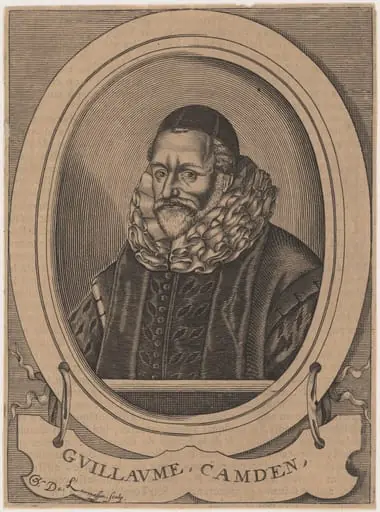 William Camden, Herald, Antiquary and Historian
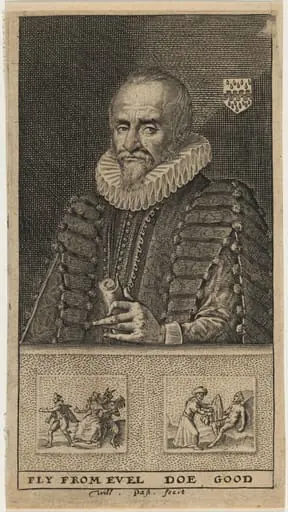 Sir John Hayward, Historian
 William Slater, D.D.