Artwork
William Slater, D.D.
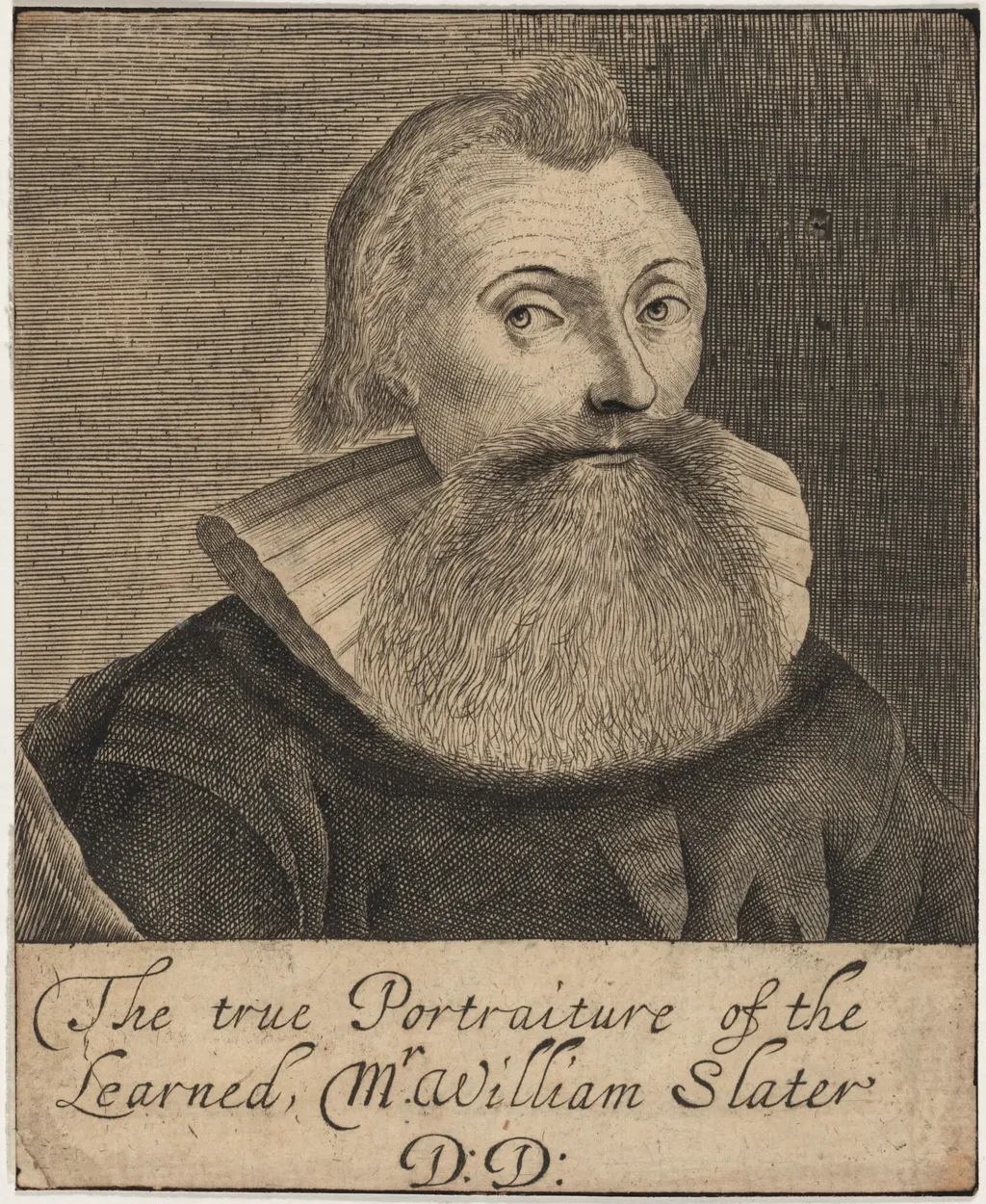
William Slater, D.D. is an ink print by the Romanticist artist Unknown 19th Century. It dates from 1850 and is held in the collection of the National Gallery of Art.
About this work
Overview
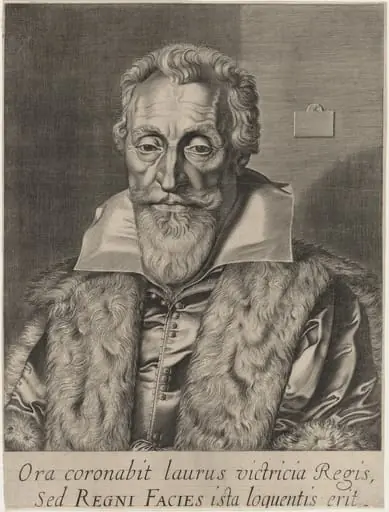
He is set against a plain, textured wall that provides a neutral backdrop, emphasizing the figure’s scholarly appearance.
The print is a black‑and‑white engraving depicting a bearded man with curly hair, dressed in a stiff, high‑collared garment typical of the 18th‑century academic dress. He is set against a plain, textured wall that provides a neutral backdrop, emphasizing the figure’s scholarly appearance. The inscription below identifies the sitter as “M. William Slater, D.D.”, indicating his status as a Doctor of Divinity.
Subject & Meaning
The portrait presents William Slour as a learned figure, underscored by his formal attire and dignified bearing. The emphasis on his beard and hair, together with the solemn expression, conveys intellectual gravitas, aligning with the period’s visual conventions for representing clergy or academics. The plain background removes narrative distraction, focusing attention on Slour’s status as a scholar.
Technique & Style
Created through engraving, the image is formed by fine incised lines that produce a range of tonal values without the use of pigment. The meticulous cross‑hatching renders the texture of the beard, hair, and fabric, while the smooth, unadorned wall demonstrates the artist’s control of negative space. The overall style reflects the restrained, documentary approach common to portrait prints of the era.
History & Provenance
The engraving was produced as a printed portrait of William Slour, a Doctor of Divinity, likely intended for distribution among academic or ecclesiastical circles. No specific date or publisher is recorded in the surviving material, and the print’s provenance remains limited to institutional collections that catalog it as a representative example of 18th‑century scholarly portraiture.
Artist & collection

Artist

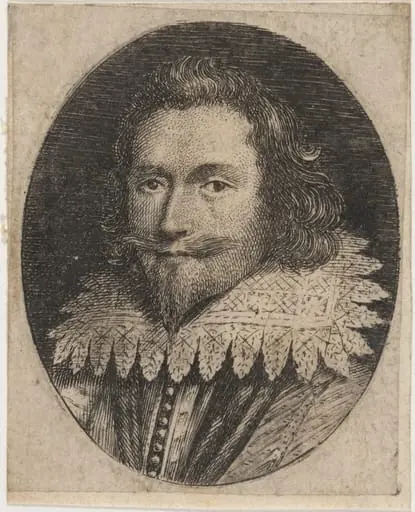 George Villiers, 1st Duke of Buckingham
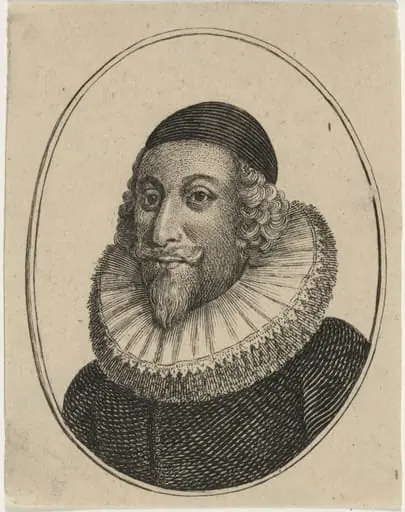 Henry Hastings, Fifth Earl of Huntingdon
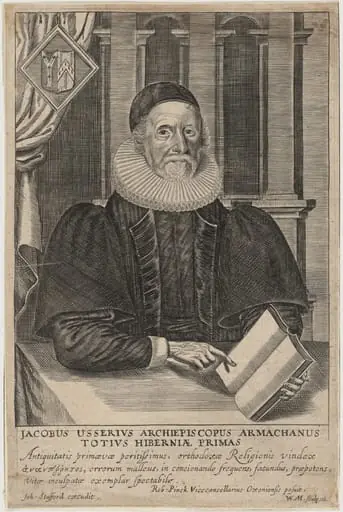 James Ussher, Archbishop of Armagh
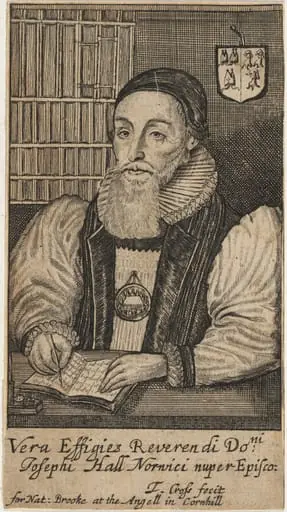 Reverendi Doni: Josephi Hall Norwici Nuper Episco. (Joseph Hall, Bishop of Norwich)
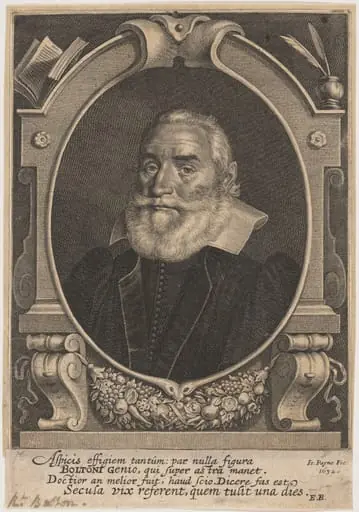 Rev. Robert Bolton
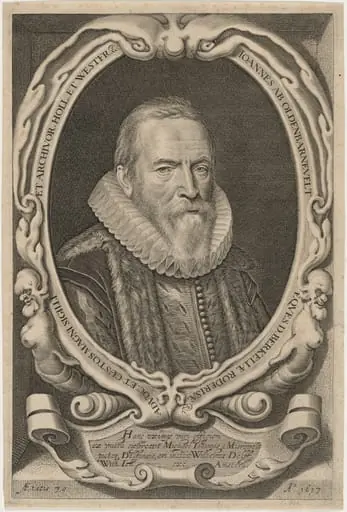 Johan van Oldenbarneveldt
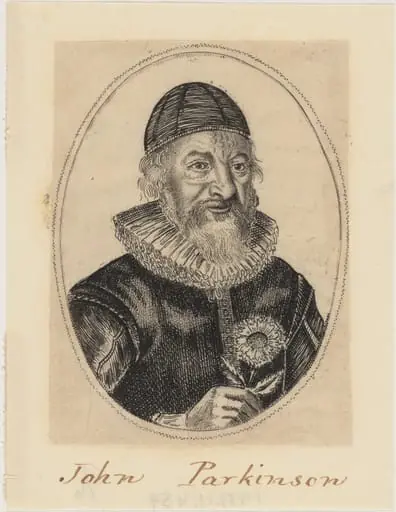 John Parkinson, Apothecary and Herbalist to James I
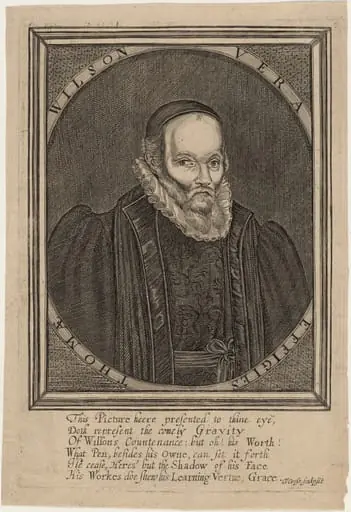 Thomas Wilson
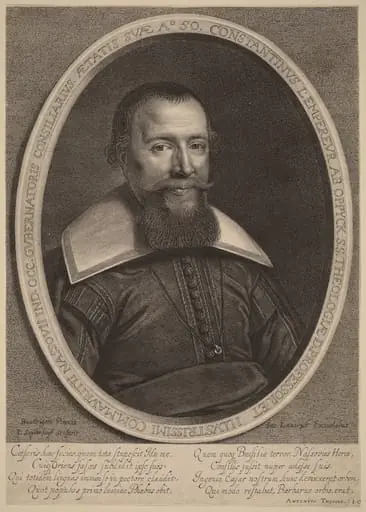 Constantijn L'Empereur