Artwork
Johan van Oldenbarneveldt
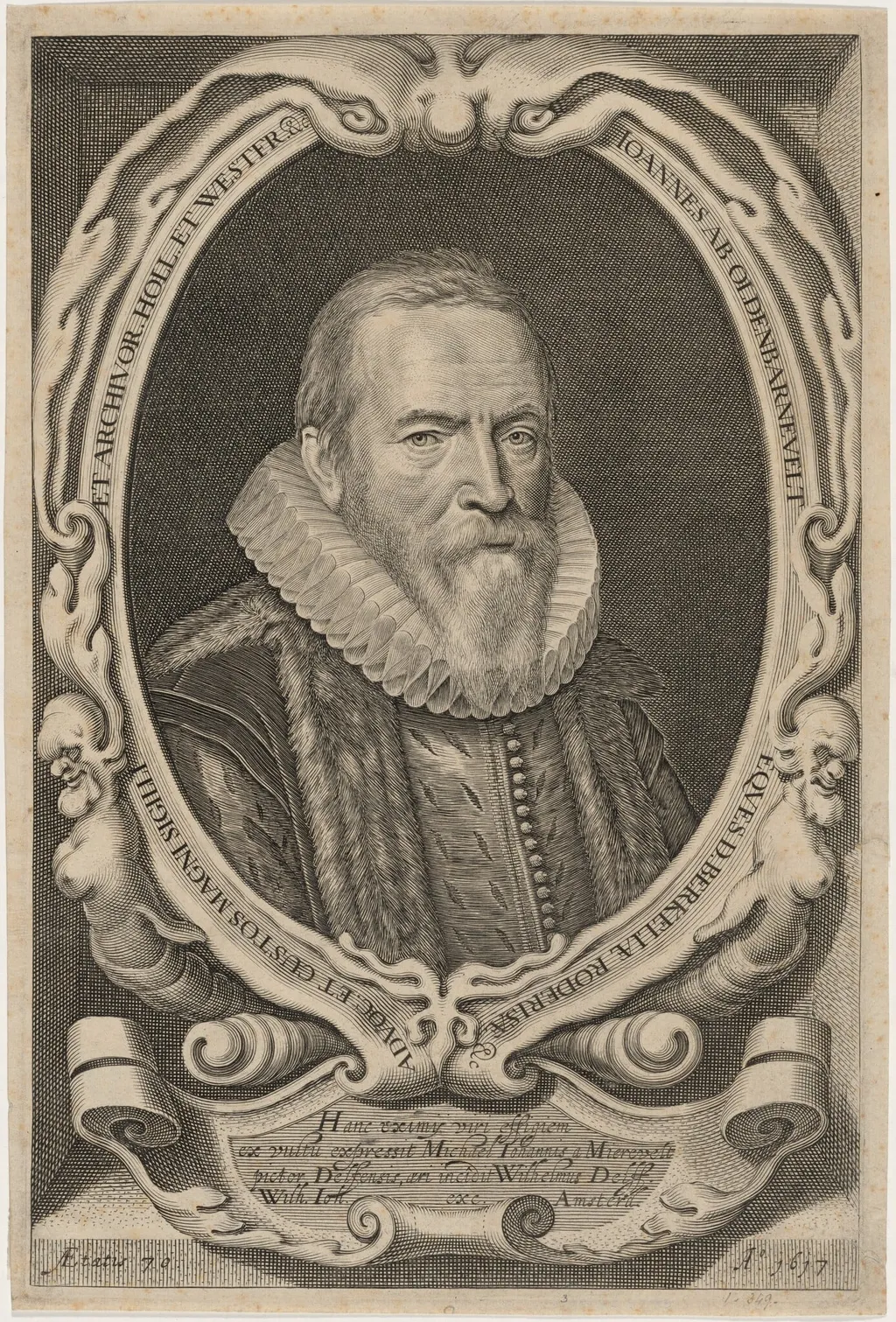
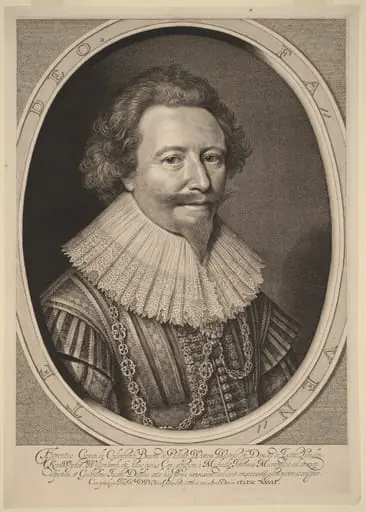
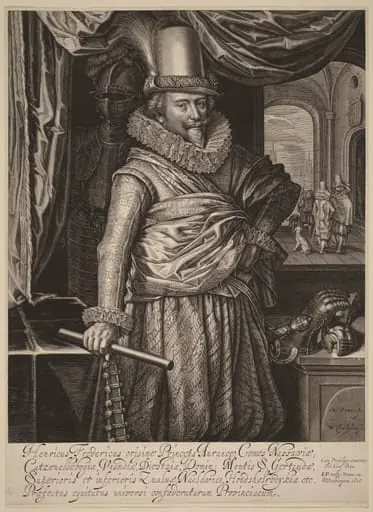
Johan van Oldenbarneveldt is an ink print by the Baroque artist Willem Jacobsz Delff. It dates from 1617 and is held in the collection of the National Gallery of Art.
About this work
Overview
Executed with precision, the image captures the statesman in formal attire, emphasizing his status through restrained detail and controlled line work.
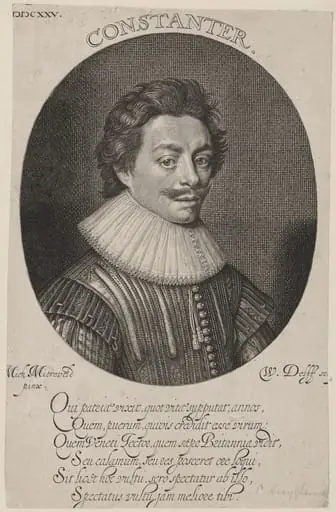
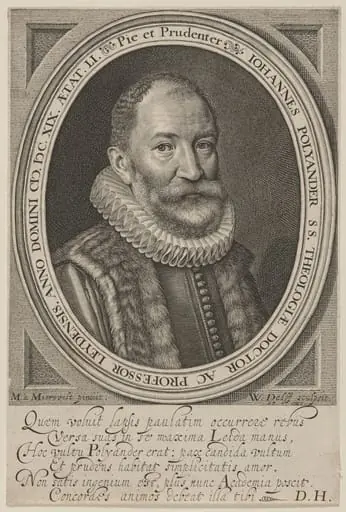
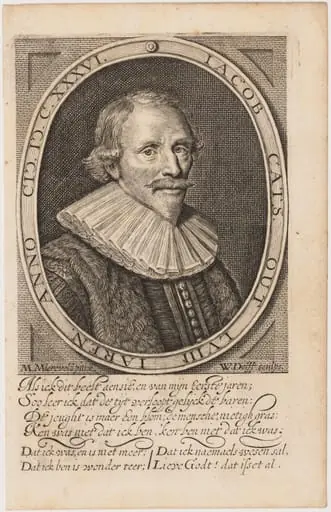
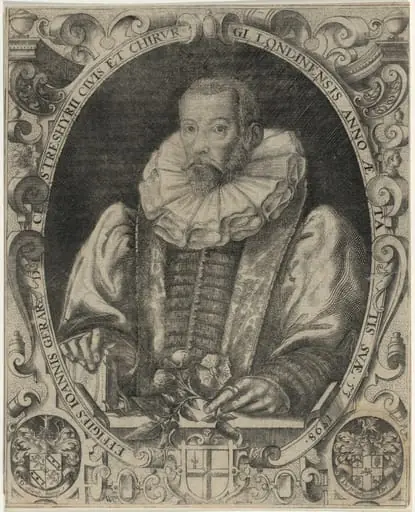
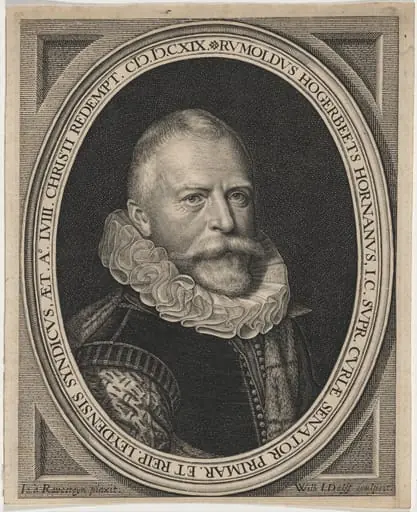
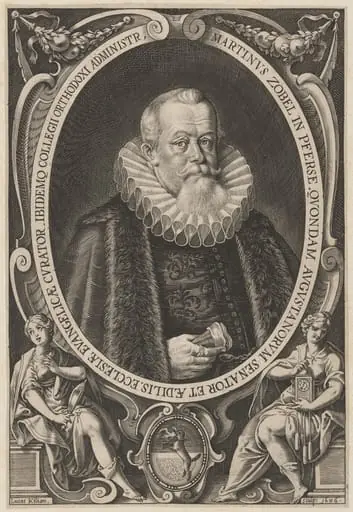
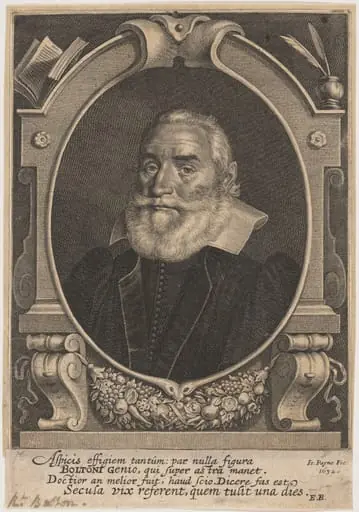
This black-and-white print, made in 1617, is an engraving by Willem Jacobsz Delff depicting Johan van Oldenbarneveldt. Executed with precision, the image captures the statesman in formal attire, emphasizing his status through restrained detail and controlled line work. The composition centers the figure against a plain background, with ornamental borders framing the portrait in a manner typical of early 17th-century portraiture.
Subject & Meaning
Johan van Oldenbarneveldt was a leading political figure in the Dutch Republic, instrumental in its independence and governance. The portrait presents him with solemnity, his ruff collar and neatly groomed beard signaling authority and civic dignity. The surrounding inscriptions confirm his identity and role, reinforcing the image as a public commemoration rather than a private likeness.
Technique & Style
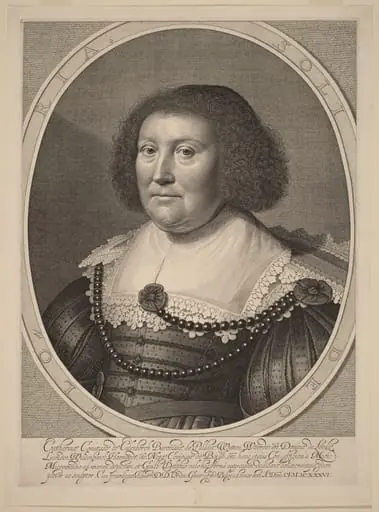
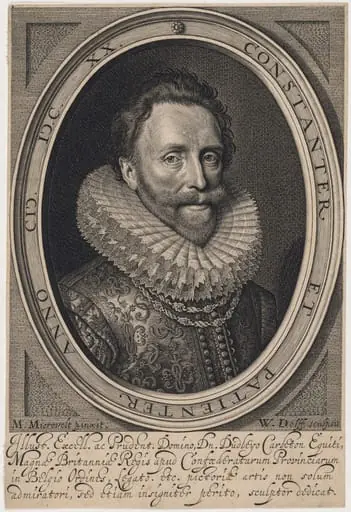
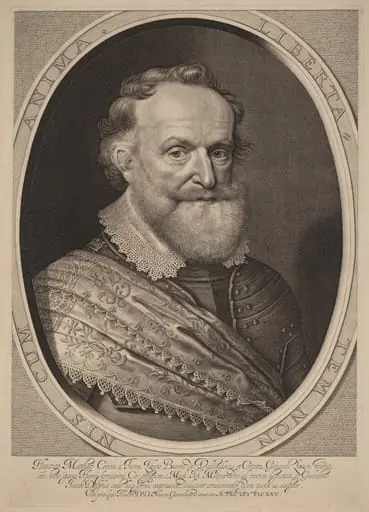
Delff employed fine, incised lines to model form and texture, using cross-hatching to suggest volume in the face and fabric. The engraving’s clarity and precision reflect the technical mastery of Dutch printmakers of the period. Decorative scrollwork and calligraphic text encircle the portrait, blending artistic embellishment with informational function, common in commemorative prints of the time.
History & Provenance
Created shortly after Oldenbarneveldt’s peak influence, the engraving likely served to disseminate his image among political and intellectual circles. Its production coincided with the rise of print culture in the Netherlands, where such portraits functioned as both records and tools of public memory. No early ownership records are widely documented, but it was likely circulated in Amsterdam’s publishing networks.
Context
In early 17th-century Holland, engraved portraits were vital for communicating the likenesses of public figures to a literate, urban audience. With the Dutch Republic emerging as a center of printing and political thought, images like this reinforced civic identity. Delff’s work aligns with a broader tradition of using print to legitimize and memorialize political leaders.
Legacy
This engraving remains one of the most recognizable visual records of Oldenbarneveldt, preserved in institutional collections and referenced in historical studies. While not widely reproduced today, it exemplifies how print technology enabled the shaping of political imagery in the early modern era, influencing later generations of portrait engravers in the Netherlands.
Artist & collection