Artwork
Marie de Medici, Wife of Henry IV of France
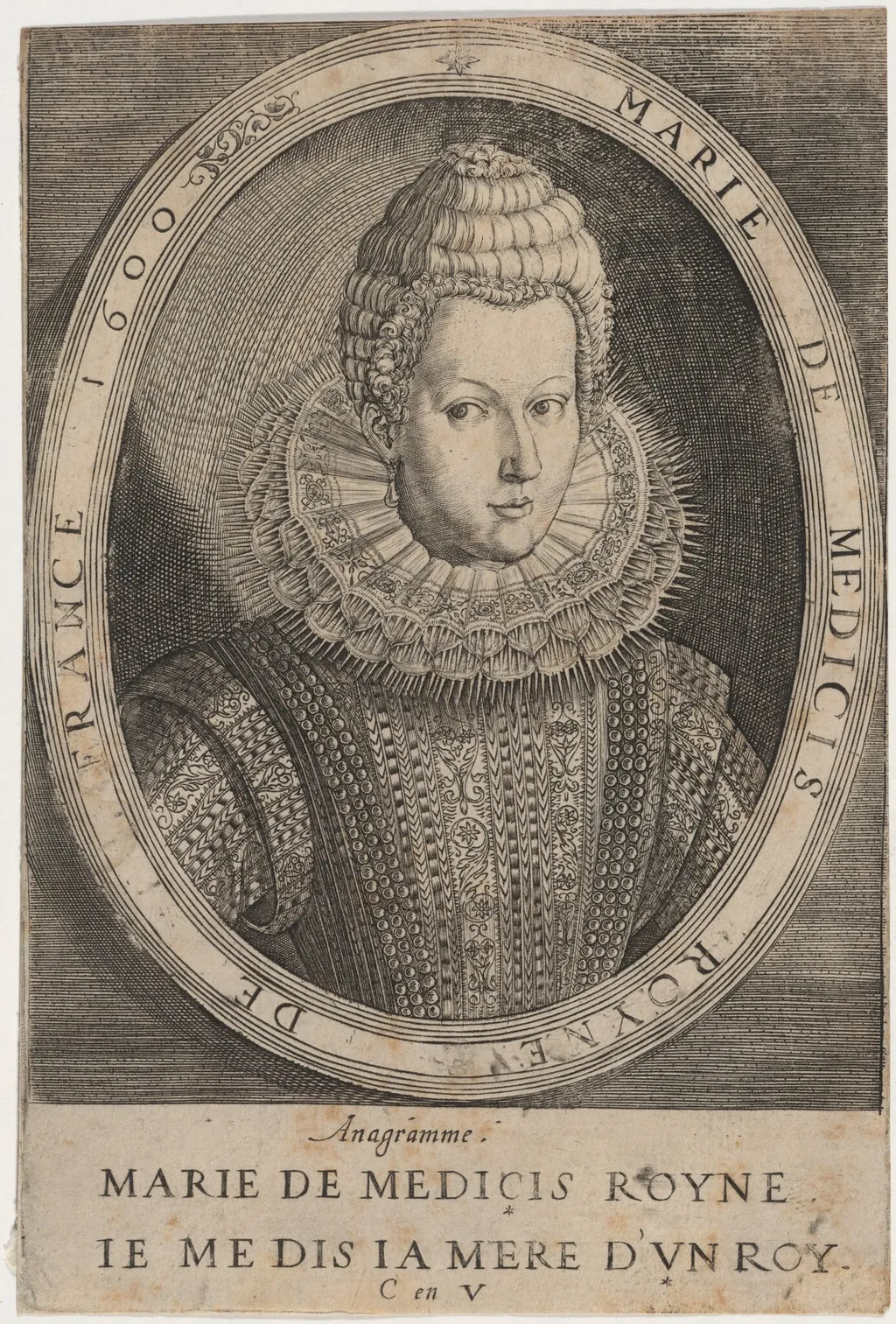
Marie de Medici, Wife of Henry IV of France is an ink print by the Romanticist artist Unknown 19th Century. It dates from 1850 and is held in the collection of the National Gallery of Art.
About this work
Overview
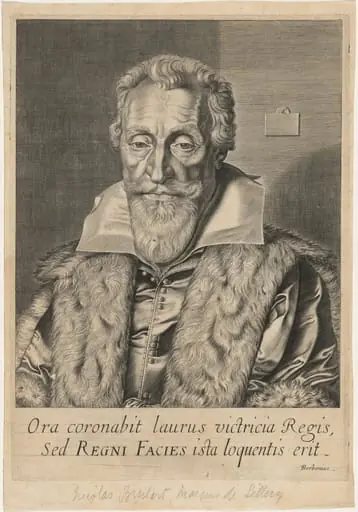
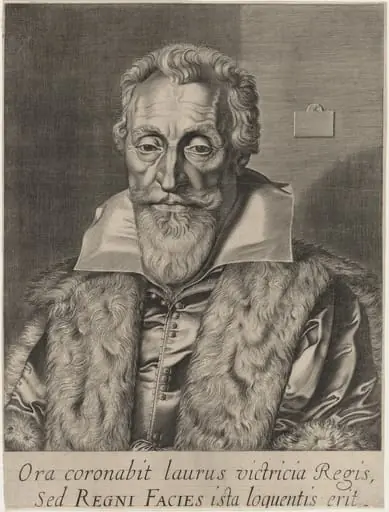
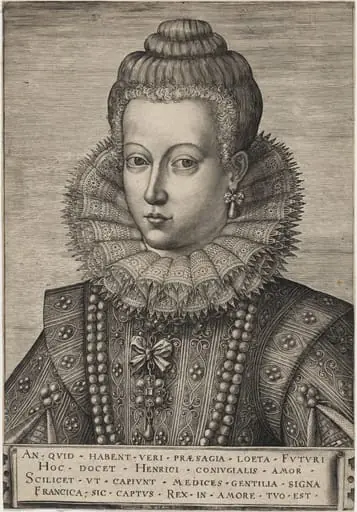
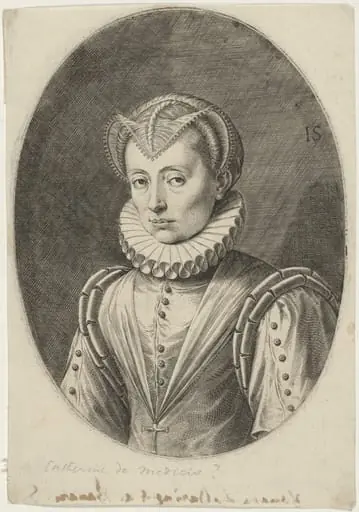
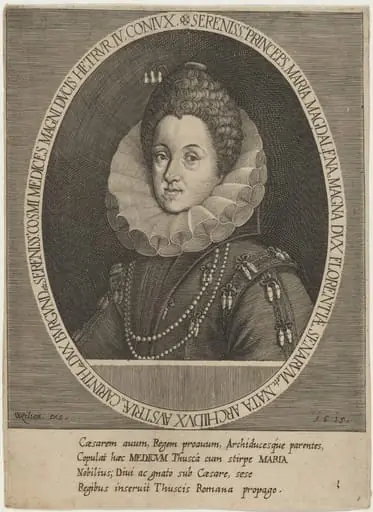
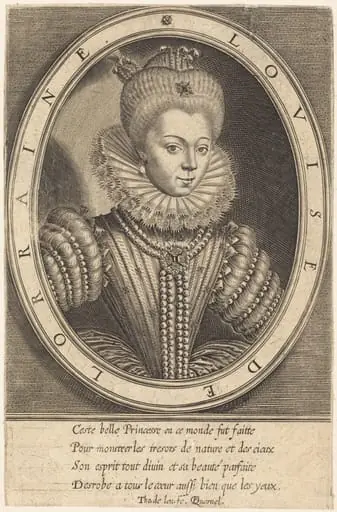
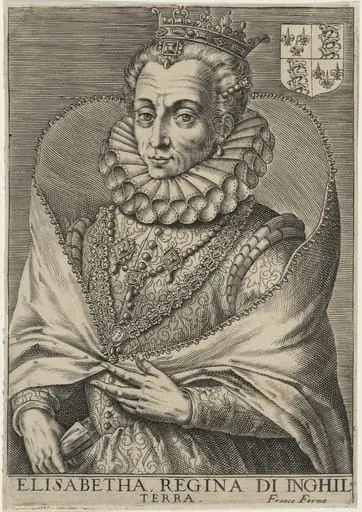
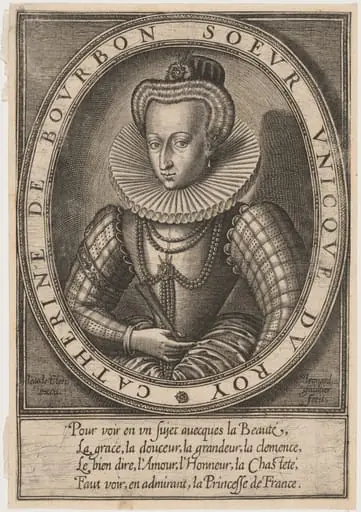
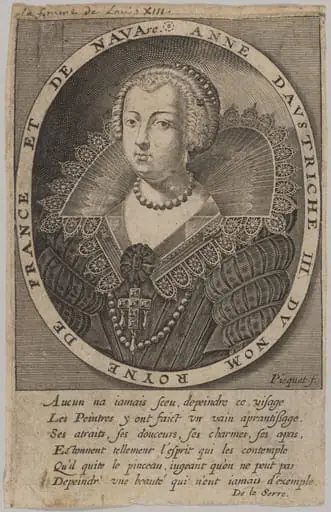
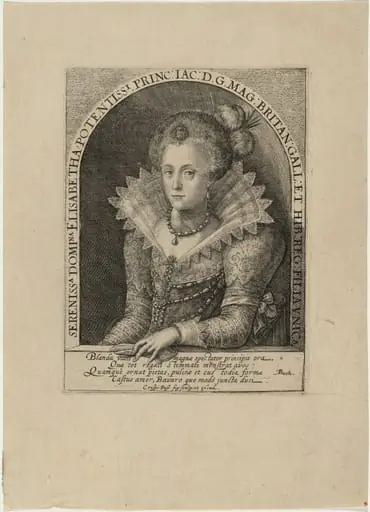
This engraving depicts Marie de Medici, queen consort of France, rendered in fine detail with a focus on her facial features and elaborate attire. The composition centers her against a dark, unobtrusive background, framed by a softly lit oval that draws attention to her figure. The work emphasizes precision in texture and form, typical of high-quality printmaking of the early 17th century.
Subject & Meaning
The detailed clothing and ornate ruff suggest her status as a royal figure, reinforcing her political and dynastic role.
Marie de Medici is portrayed with composure and dignity, her direct gaze conveying presence rather than emotion. The detailed clothing and ornate ruff suggest her status as a royal figure, reinforcing her political and dynastic role. The neutral expression avoids theatricality, aligning with the formal portraiture conventions of her time, where authority was communicated through attire and posture rather than expression.
Technique & Style
The engraving employs fine, controlled lines to render the intricate patterns of her dress and the complex folds of the lace collar. Contrast between the dark background and the illuminated oval enhances three-dimensionality. The meticulous attention to textile detail reflects the technical skill of the engraver, prioritizing realism and surface texture over idealized beauty or dramatic lighting.
History & Provenance
Created during or shortly after Marie de Medici’s lifetime, this print likely served as a reproductive image to circulate her likeness among nobility and courtiers. Such engravings were common tools for disseminating royal imagery before photography. While the specific artist and original commission remain unconfirmed, the style aligns with French printmaking traditions of the early 1600s.
Context
Portraits of Marie de Medici were often produced to affirm her position as queen and later regent, especially after Henry IV’s assassination. This engraving reflects the visual language of European court portraiture, where clothing and composition signaled lineage and power. Unlike later Romantic works, it avoids emotional intensity, instead adhering to the restrained aesthetics of early Baroque royal representation.
Legacy
Though not attributed to a major artist, the engraving contributes to the visual record of early modern French royalty. Its detailed execution offers insight into the craftsmanship of reproductive prints and how royal identity was visually maintained across social classes. It stands as a modest but informative artifact of 17th-century print culture, not a stylistic precursor to Romanticism.
Artist & collection

Artist