Artwork
Queen Elizabeth
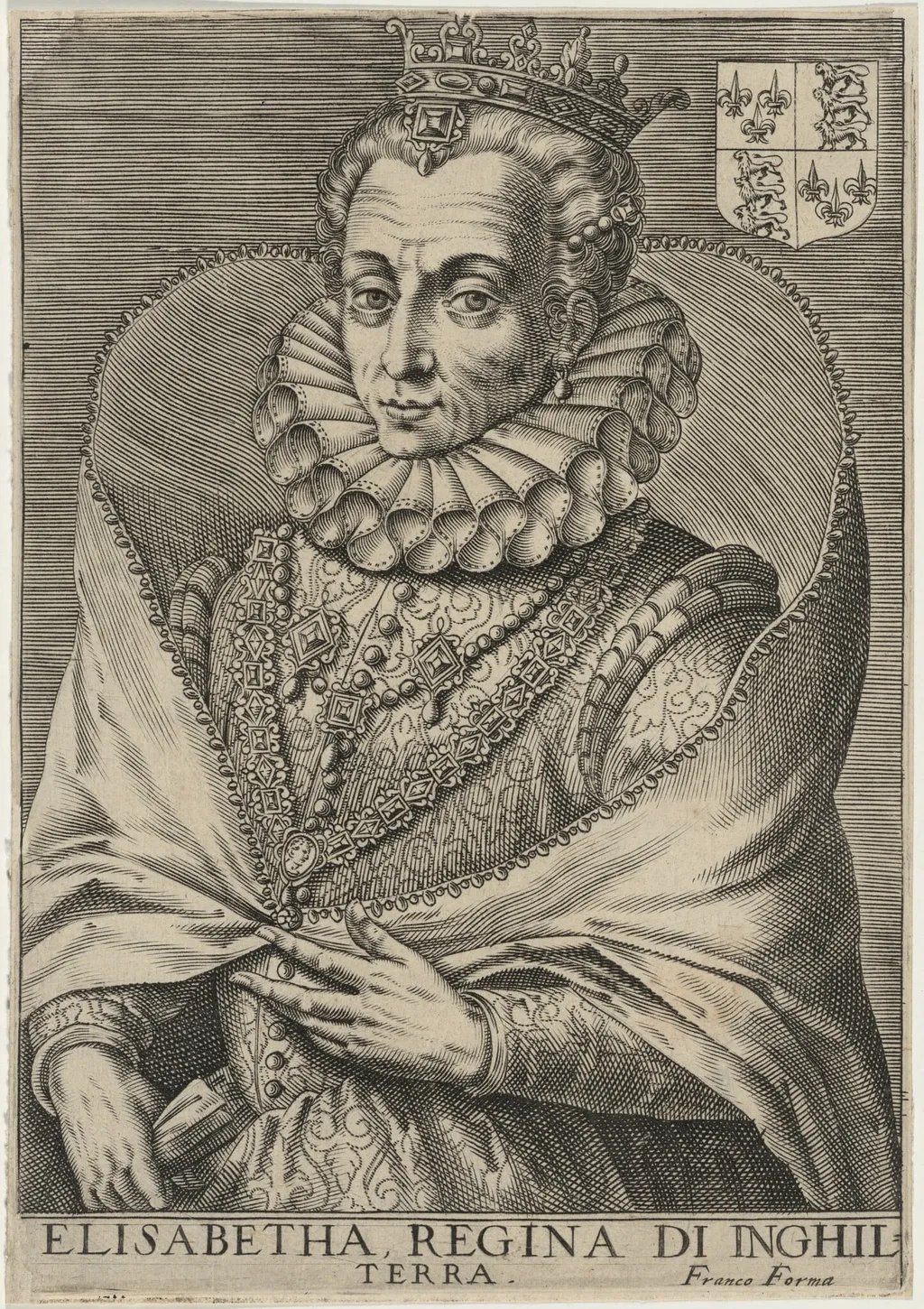
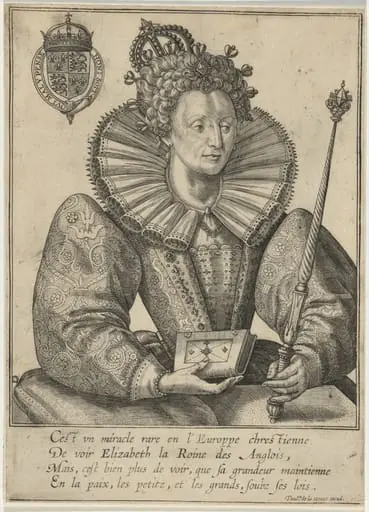
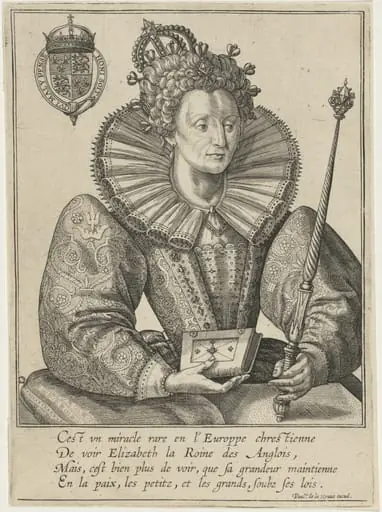
Queen Elizabeth is an ink print by the Romanticist artist Unknown 19th Century. It dates from 1850 and is held in the collection of the National Gallery of Art.
About this work
Overview
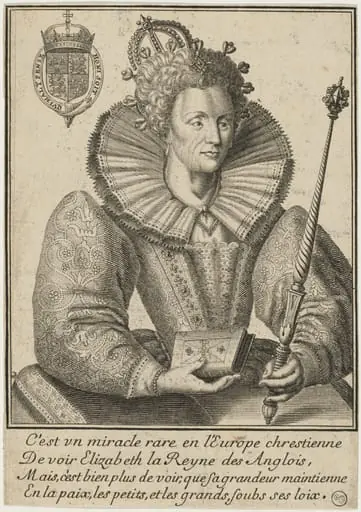
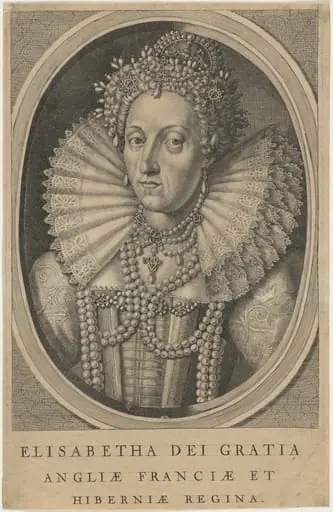
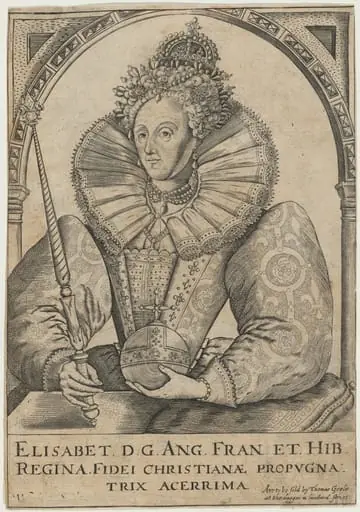
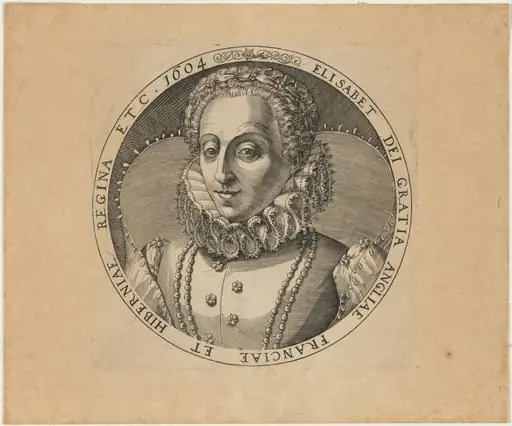
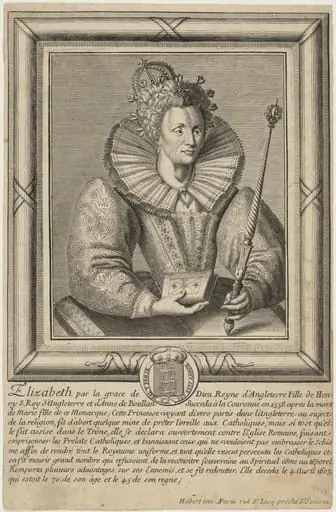
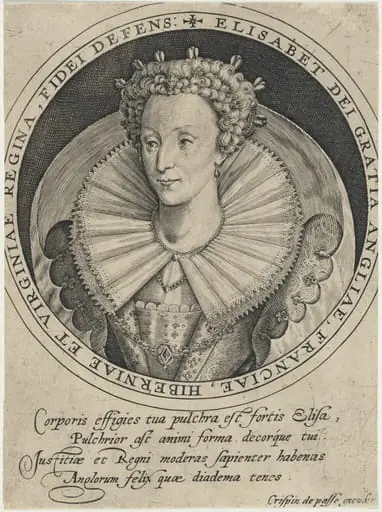
This engraving depicts Queen Elizabeth I in formal regalia, rendered through precise linear techniques typical of early modern printmaking. The image is a portrait intended for reproduction, emphasizing dignity and authority through controlled detail. The medium allows for fine gradations of tone, achieved by cross-hatching, which defines fabric, crown, and background with equal care.
Subject & Meaning
The portrait presents Elizabeth I with a stern, composed expression, reinforcing her role as a sovereign rather than a private individual. The crown, ruffled collar, and heavy cloak signify royal status and ceremonial power. Her hair, tightly bound, reflects contemporary ideals of decorum and control, aligning her image with political stability and enduring rule.
Technique & Style
The artist employed engraving, cutting fine lines into a metal plate to create the image. Cross-hatching builds shadow and texture, particularly in the fabric of her cloak and the intricate collar. Background elements are minimally suggested, focusing attention on the figure. The precision of the lines reflects the technical discipline required in reproductive portraiture of the period.
History & Provenance
The print likely originated in the late 16th or early 17th century, produced to disseminate the queen’s likeness across England and Europe. Such engravings were often commissioned by courtiers or publishers to reinforce her public image. While the specific engraver remains unconfirmed, the style aligns with workshop practices of the Elizabethan era.
Context
During Elizabeth’s reign, portraiture served political ends, projecting legitimacy and continuity. Engravings like this one circulated widely, contrasting with painted portraits reserved for the elite. The emphasis on detail and restraint reflects a cultural preference for order and clarity, aligning with the broader Renaissance interest in representation as a tool of authority.
Legacy
This engraving contributes to the enduring visual language of Elizabethan authority. Though not an original painting, its widespread reproduction helped standardize her iconography for later generations. It remains a reference point in studies of early modern print culture and the use of imagery in statecraft.
Artist & collection

Artist