Artwork
Maria de Medici
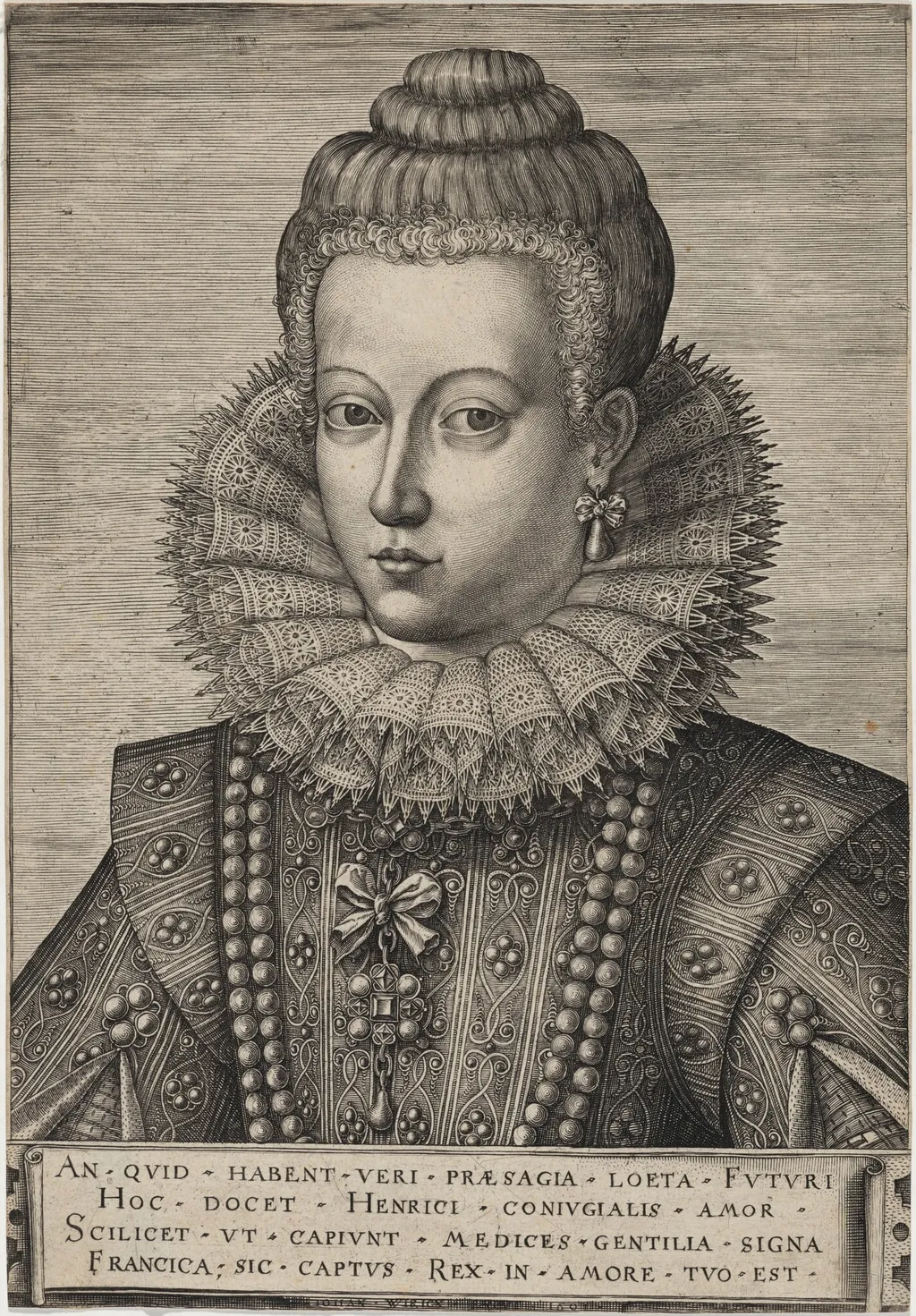
Maria de Medici is an ink print by the Renaissance artist Johan Wierix. It dates from 1582 and is held in the collection of the National Gallery of Art.
About this work
Overview
The work is a portrait rendered entirely in ink lines, characteristic of the engraving technique, which involves incising fine grooves into a metal plate.
Created in 1582 by Johan Wierix, this black-and-white engraving depicts Maria de' Medici, a prominent European noblewoman. The work is a portrait rendered entirely in ink lines, characteristic of the engraving technique, which involves incising fine grooves into a metal plate. The composition isolates the subject against a neutral background, emphasizing intricate details of attire and coiffure without decorative elements beyond the figure.
Subject & Meaning
Maria de' Medici, later Queen of France, is portrayed in the early stage of her public life, likely as a symbol of dynastic prestige. Her elaborate hairstyle and ornate dress reflect the fashion of aristocratic women in late 16th-century Europe, signaling status and refinement. The portrait serves not as a personal likeness but as a visual representation of noble identity, intended for dissemination among elite circles.
Technique & Style
Wierix employed fine, controlled lines to render textures in the ruff, hair, and fabric patterns, demonstrating mastery of engraving’s precision. The absence of tone or shading relies entirely on line density and direction to suggest volume and material. Beads, floral motifs, and swirling designs on the gown are rendered with meticulous repetition, showcasing the artist’s ability to translate textile complexity into linear form.
History & Provenance
The engraving was produced during Wierix’s active years in Antwerp, a center for printmaking in the late Renaissance. It likely circulated as a reproductive image, possibly commissioned to commemorate Maria’s marriage or status. No definitive early ownership records survive, but similar works by Wierix were collected by European nobility and institutions, suggesting its intended audience was literate and affluent.
Context
Engraving was a dominant medium for disseminating portraits before photography, allowing multiple impressions from a single plate. Wierix, part of a family of printmakers, contributed to a culture where noble figures were visually codified for public recognition. This portrait aligns with broader trends in Northern European printmaking, where detailed costume and facial features conveyed social hierarchy and cultural ideals.
Legacy
Though not widely exhibited today, the engraving remains an example of how Renaissance printmakers captured aristocratic identity through technical precision. It reflects the role of prints in shaping public perception of royalty and nobility, preserving visual norms of dress and demeanor that influenced later portraiture and iconography.
Artist & collection


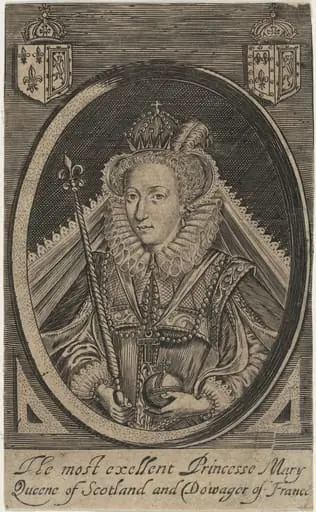 Mary, Queen of Scots
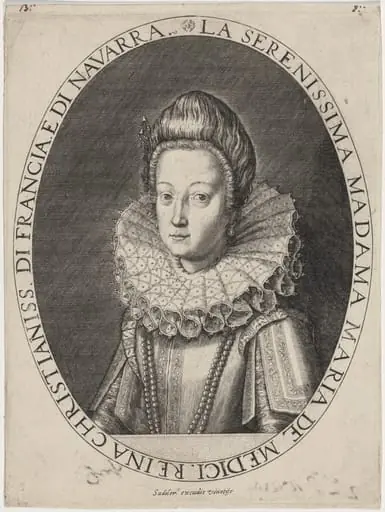 Marie de Medici, Wife of Henry IV of France
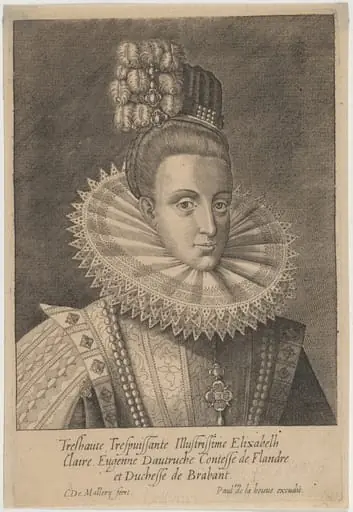 Isabella Clara Eugenie of Austria, Spain and Countess of Flanders
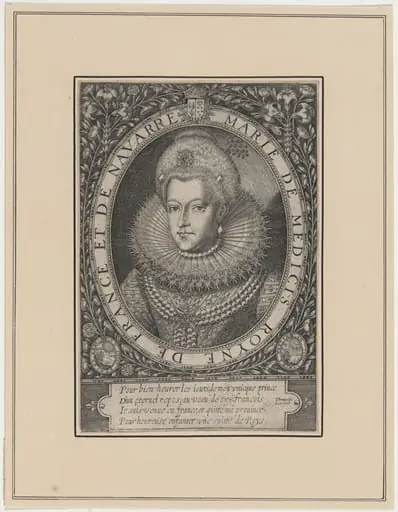 Marie de Medici, Wife of Henry IV of France
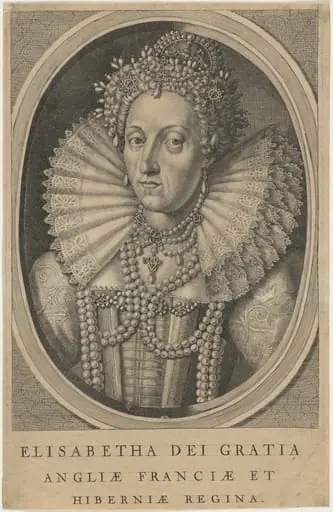 Queen Elizabeth
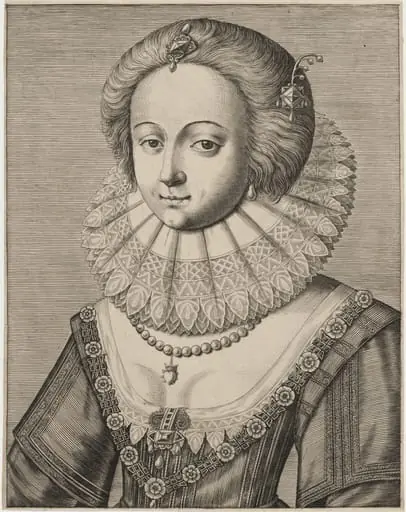 Elizabeth, Queen of Bohemia (?)
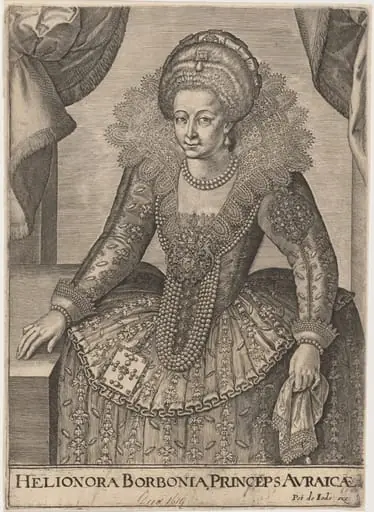 Eleanora, Princess of Orange
![Elizabeth, Queen of England [right half], by Simon van de Passe](https://artifactworldgallery.com/img/simon-van-de-passe--elizabeth-queen-of-england-right-half--c9ae54c2d0f8ade2-w320.webp) Elizabeth, Queen of England [right half]
Elizabeth, Queen of England [right half]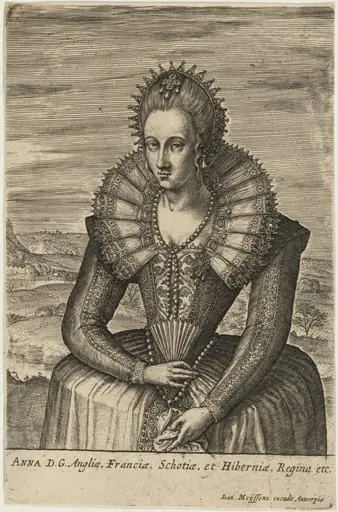 Anne of Denmark
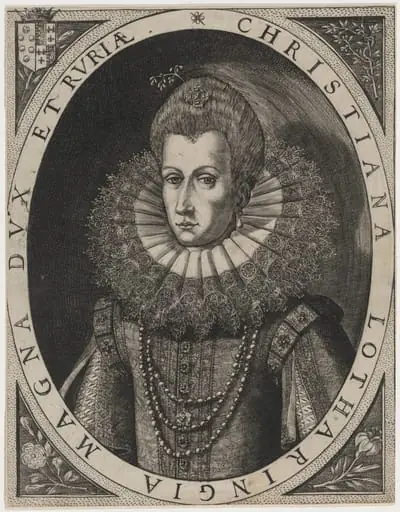 Christiana Lotharingia (Christine de Lorraine)
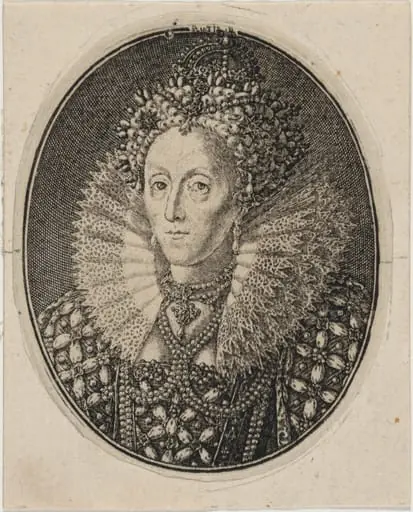 Elizabeth, Queen of England
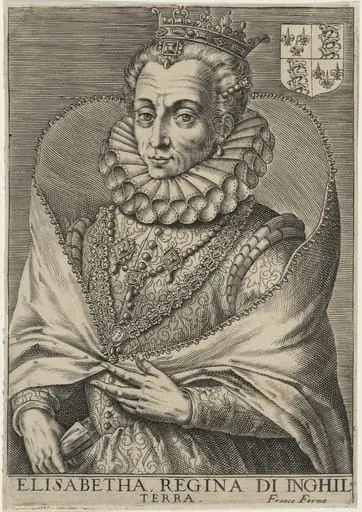 Queen Elizabeth