Artwork
Ludovicus Septalius, Patricius Mediolanensis
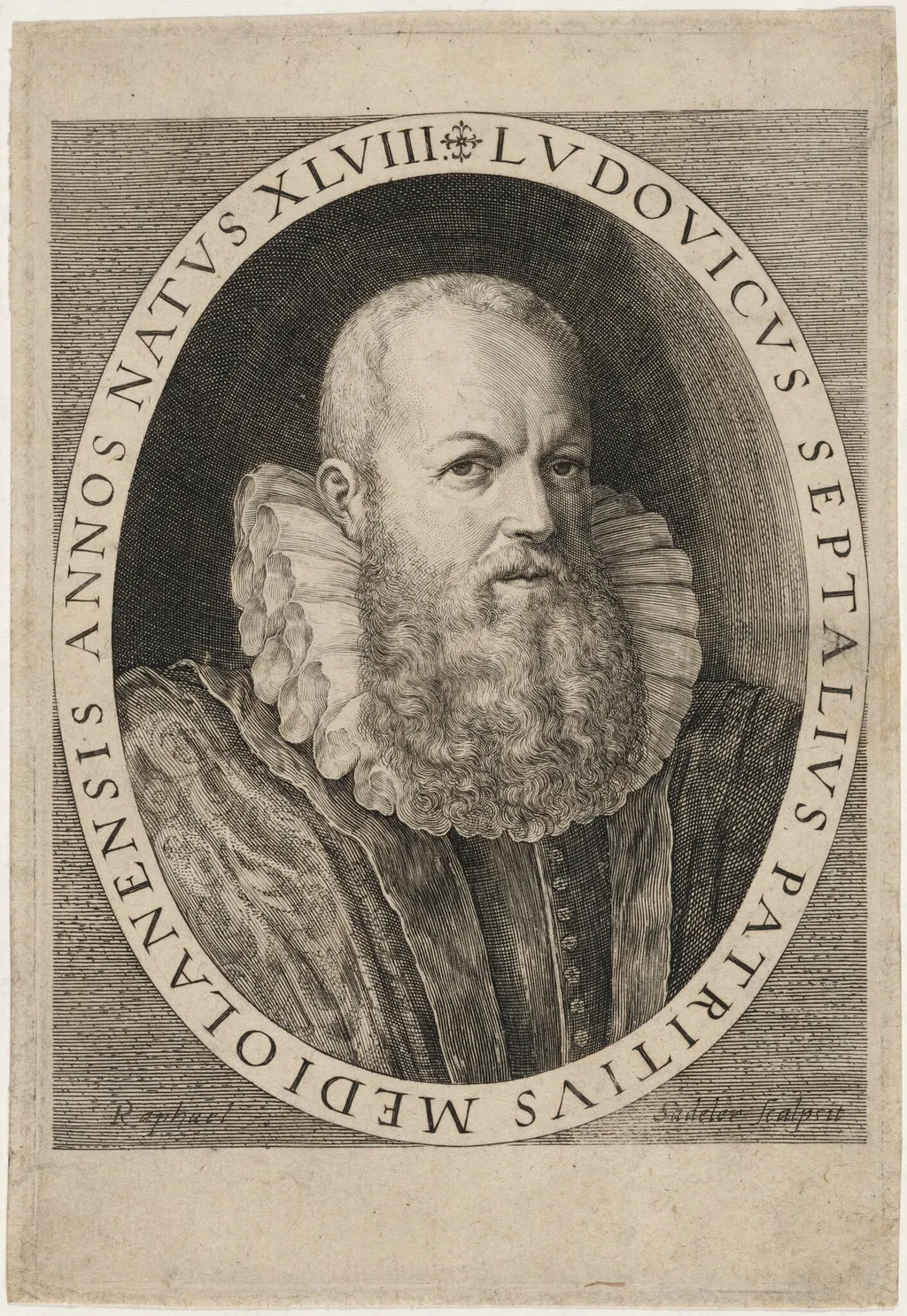
Ludovicus Septalius, Patricius Mediolanensis is an ink print by the Renaissance artist Raphael Sadeler I. It dates from 1596 and is held in the collection of the National Gallery of Art.
About this work
Overview
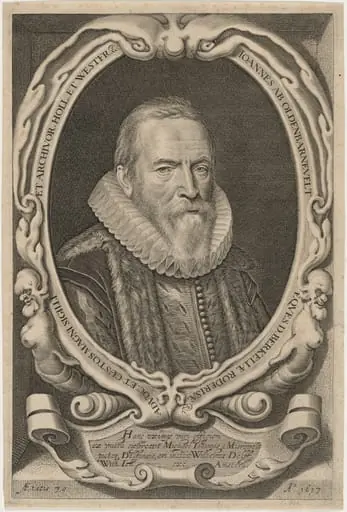
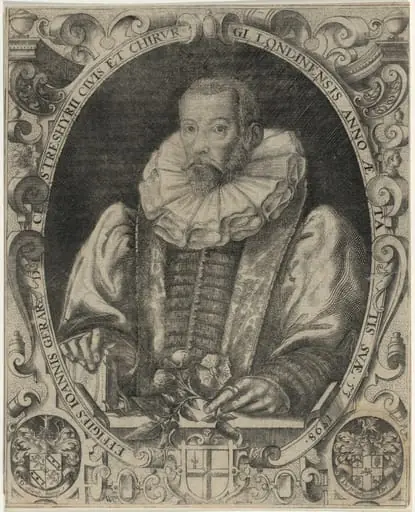
Created in 1596 by Raphael Sadeler I, this engraving depicts Ludovicus Septalius, a nobleman from Milan. Rendered in monochrome, the portrait follows the conventions of late Renaissance printmaking, emphasizing precision and restrained elegance. The image is contained within a circular frame, a common format for commemorative portraits in printed form during the period.
Subject & Meaning
His direct gaze and neutral expression suggest authority and composure, typical of elite portraiture meant to affirm social status.
Ludovicus Septalius is portrayed as a respected patrician, his age and dignified bearing conveyed through a full white beard, tightly curled hair, and a high ruff collar. His direct gaze and neutral expression suggest authority and composure, typical of elite portraiture meant to affirm social status. The Latin inscription encircling the image likely identifies him and his lineage, reinforcing his civic identity.
Technique & Style
Sadeler employed fine, controlled lines to model the contours of the face, the texture of the beard, and the crisp folds of the ruff. The engraving’s tonal range is achieved through delicate cross-hatching, creating subtle gradations of light and shadow. The plain background and circular border focus attention entirely on the subject, reflecting the disciplined aesthetic of Northern Renaissance portraiture.
History & Provenance
The print was produced by Raphael Sadeler I, a Flemish engraver active in Prague and Venice, known for reproducing portraits of European elites. This work likely circulated among collectors and scholars as part of a series documenting notable figures. Its survival in institutional collections suggests it was valued for its craftsmanship and historical record rather than as a standalone artwork.
Context
In late 16th-century Europe, engraved portraits served as tools of social documentation and intellectual exchange. Nobles and scholars commissioned or collected such prints to affirm their place in a network of learned and powerful individuals. Sadeler’s work reflects the broader trend of using print to disseminate images of authority beyond the reach of painted portraits.
Legacy
Though not widely known today, this engraving exemplifies the role of printmakers in preserving the likenesses of Renaissance elites. Sadeler’s technique influenced later generations of engravers, and such works remain valuable for historians studying the visual culture of status and identity in early modern Europe.
Artist & collection