Artwork
Arnout van Beresteyn
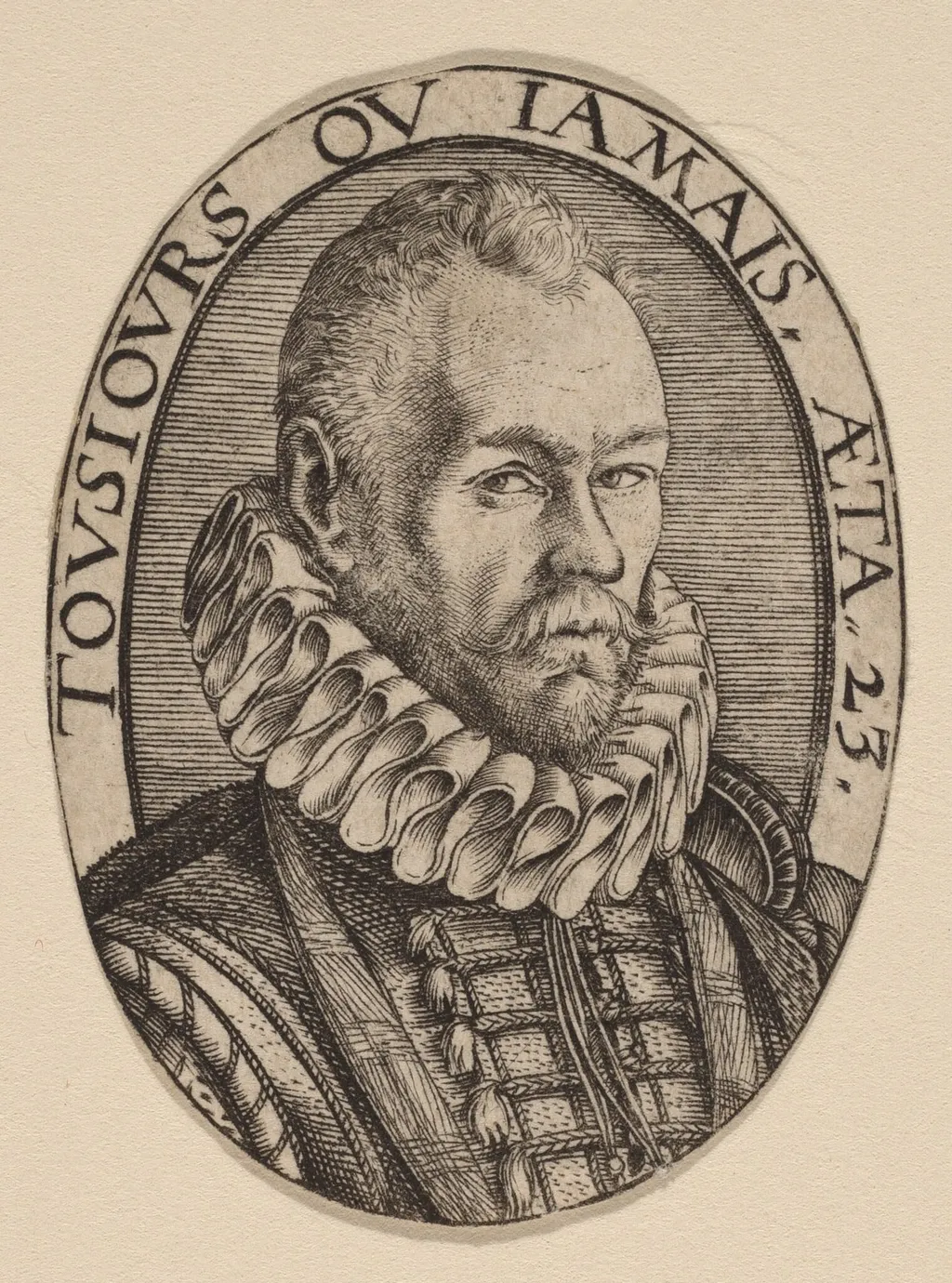
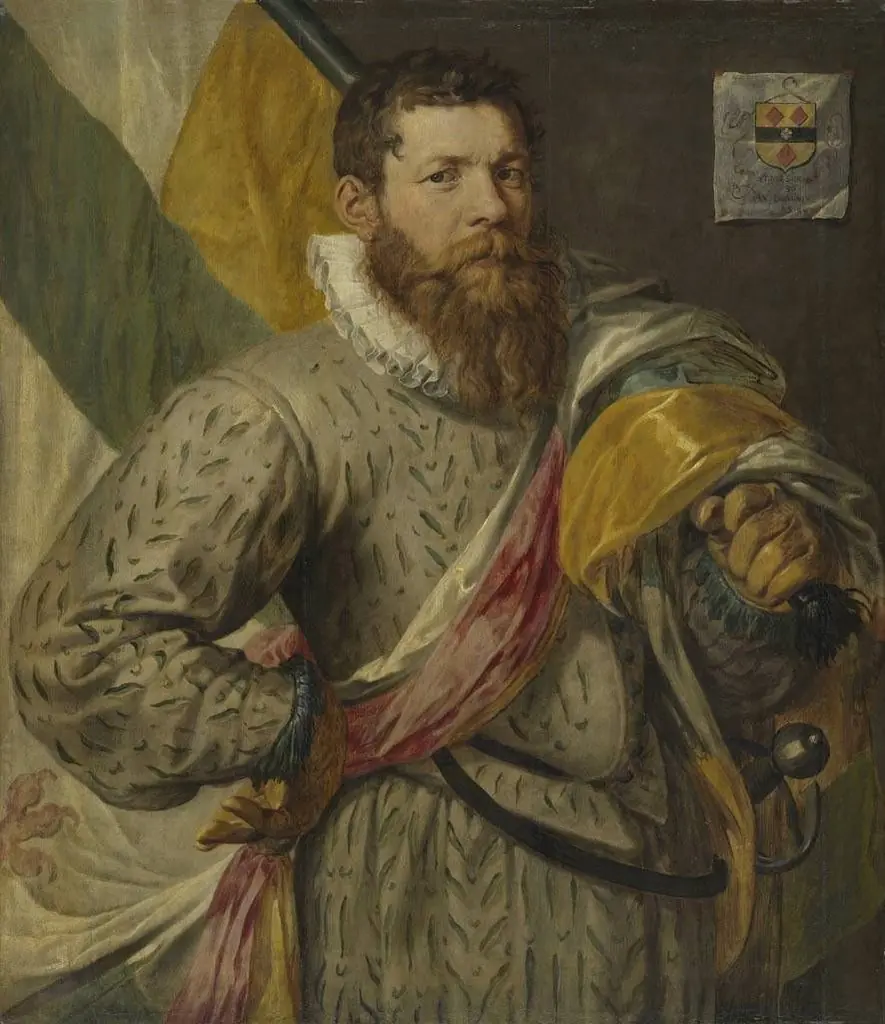
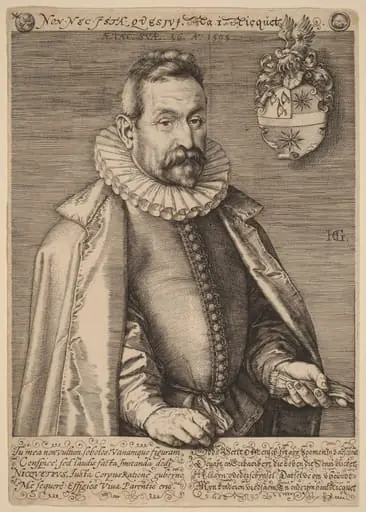
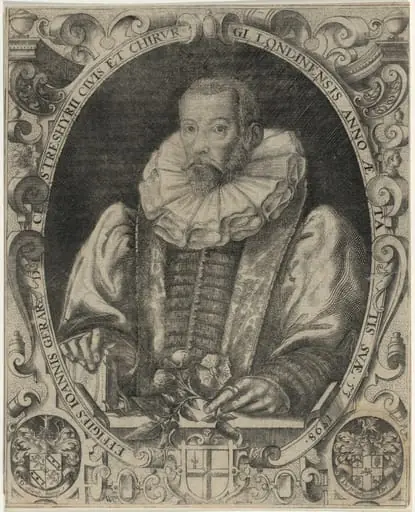
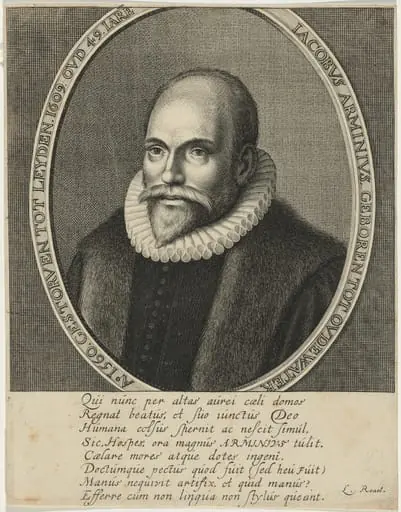
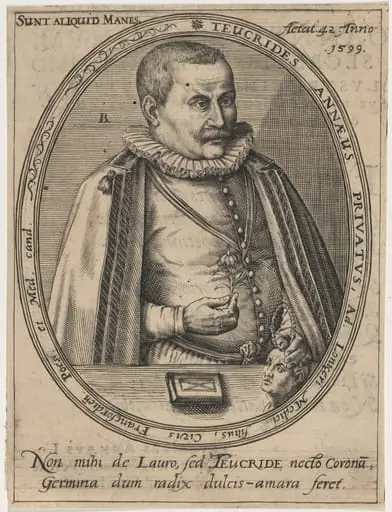
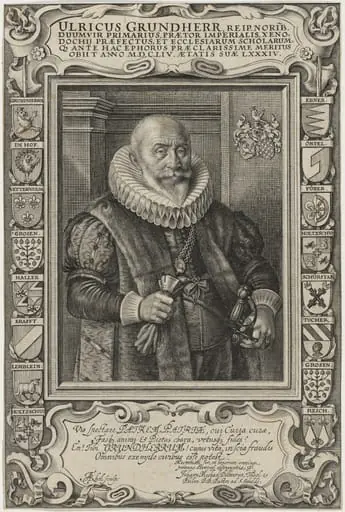
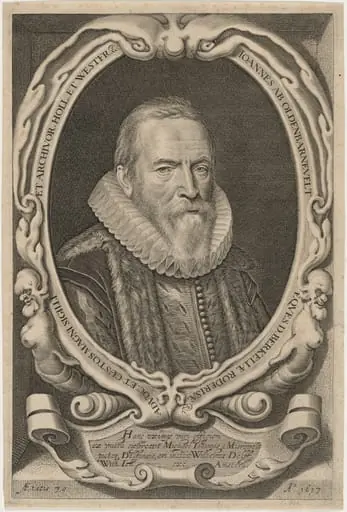
Arnout van Beresteyn is an ink print by the Renaissance artist Hendrik Goltzius. It dates from 1579 and is held in the collection of the National Gallery of Art.
About this work
Overview
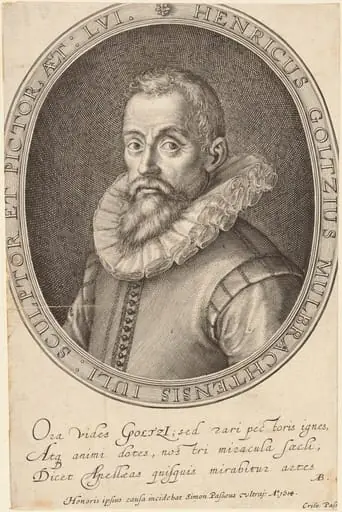
Its oval composition and Latin inscriptions frame the sitter with formal gravitas, typical of elite portraiture of the period.
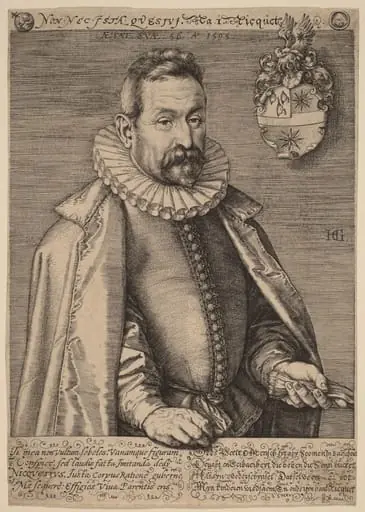
Created around 1579, this engraving by Hendrick Goltzius depicts Arnout van Beresteyn, a Dutch magistrate. Executed on laid paper, the work exemplifies Goltzius’s mastery of the engraving technique during the late 16th century. The portrait is rendered in fine, controlled lines, characteristic of Northern Mannerist printmaking. Its oval composition and Latin inscriptions frame the sitter with formal gravitas, typical of elite portraiture of the period.
Subject & Meaning
Arnout van Beresteyn, a respected civic official, is portrayed with quiet dignity. His aged face, marked by deep wrinkles and a full beard, conveys experience and authority. He holds a document in his left hand, suggesting his role in legal or administrative affairs, while his right hand rests over his chest—an emblem of composure and integrity. The plain background and restrained pose emphasize his social standing over personal expression.
Technique & Style
Goltzius employed a burin to incise precise, fluid lines into a copper plate, creating tonal variation through line density rather than shading. The texture of skin, fabric, and hair is rendered with meticulous cross-hatching and fine parallel strokes. The oval format and Latin border reflect Renaissance traditions in portraiture, while the clarity and control of the lines reveal Goltzius’s exceptional command of the medium, pushing engraving toward greater naturalism.
History & Provenance
The engraving was produced during Goltzius’s early career in Haarlem, before he gained international acclaim. It likely served as a commissioned portrait for van Beresteyn’s family or civic circle. No definitive record of its early ownership exists, but it entered institutional collections in the 19th century, where it was preserved as an example of Dutch printmaking’s technical sophistication during the late Renaissance.
Context
In late 16th-century the Netherlands, engraved portraits were prized among the urban elite as markers of status and literacy. Goltzius, trained in the tradition of Albrecht Dürer, elevated printmaking from reproduction to an independent art form. His work responded to a growing demand for images that combined personal identity with intellectual refinement, aligning with humanist ideals circulating in Dutch cities at the time.
Legacy
This engraving exemplifies Goltzius’s influence on the evolution of printmaking in Northern Europe. His ability to convey texture and character through line alone set a standard for later generations of engravers. Though less known than his mythological subjects, portraits like this one demonstrate his versatility and contributed to the broader recognition of print as a vehicle for individual representation in the early modern period.
Artist & collection
Artist
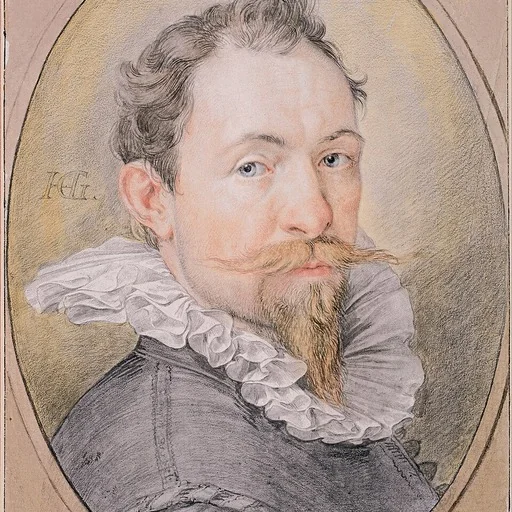
Hendrick Goltzius (German: , Dutch: ; né Goltz; January or February 1558 – 1 January 1617) was a German-born Dutch printmaker, draftsman, and painter.