Artwork
Philip III, King of Spain
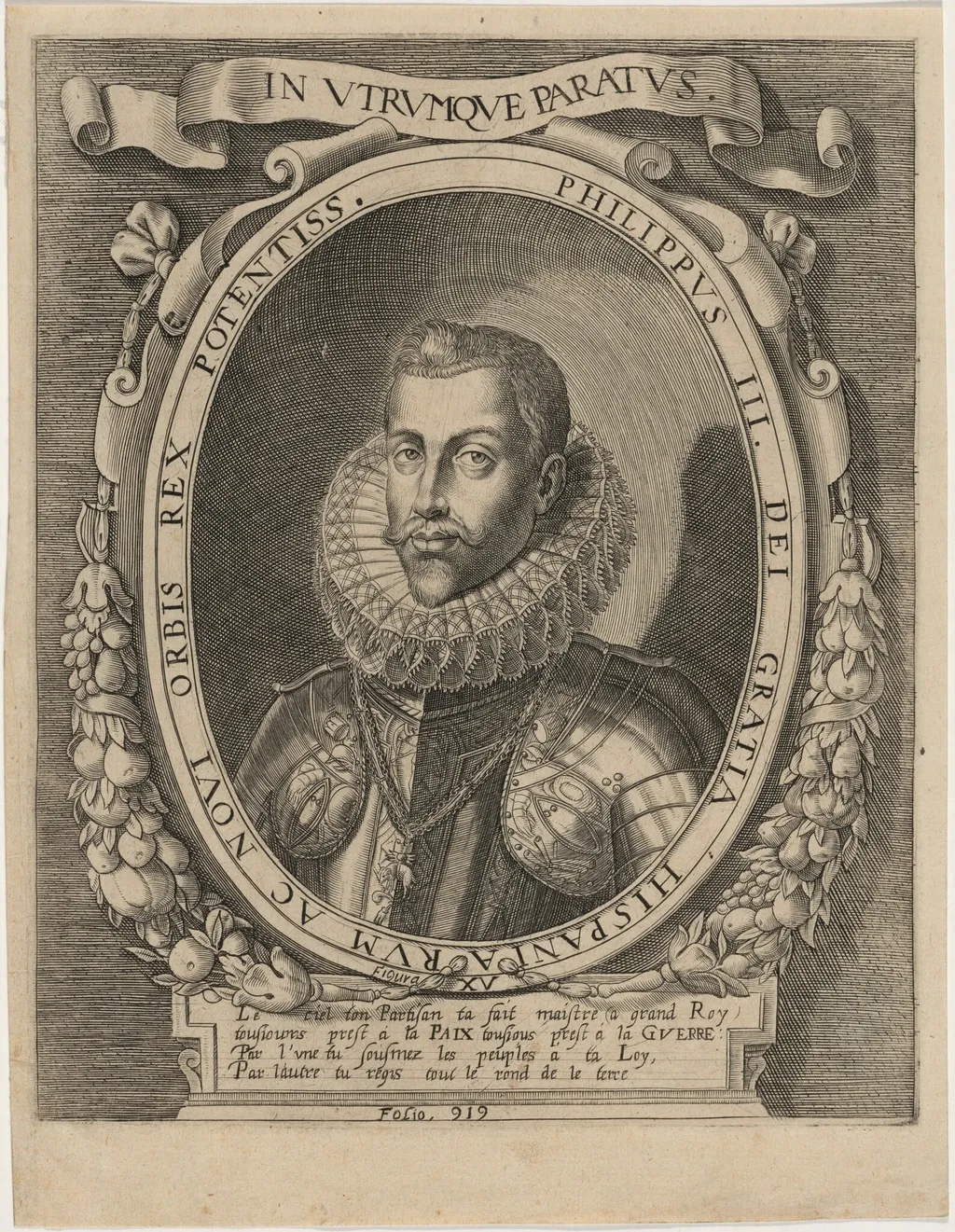
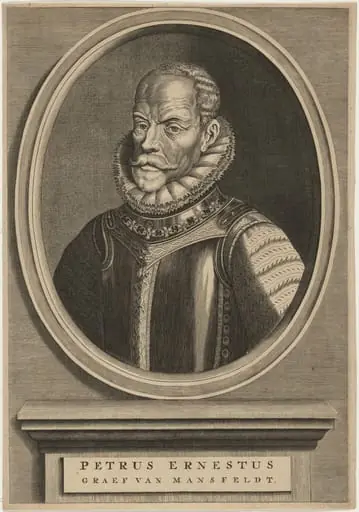
Philip III, King of Spain is an ink print by the Romanticist artist Unknown 19th Century. It dates from 1850 and is held in the collection of the National Gallery of Art.
About this work
Overview
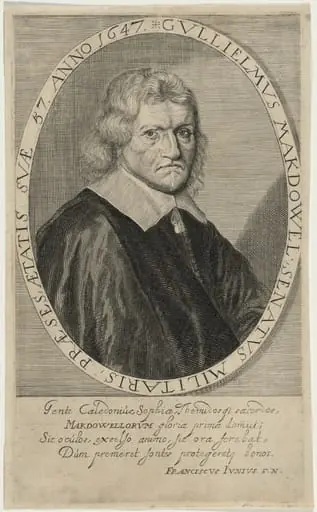
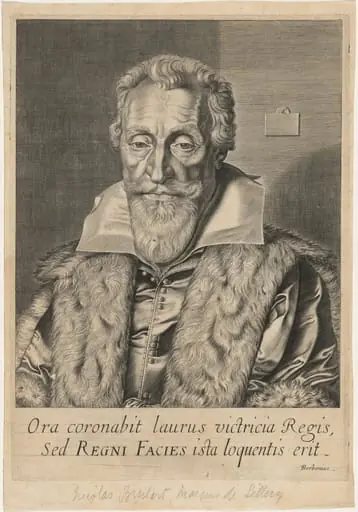
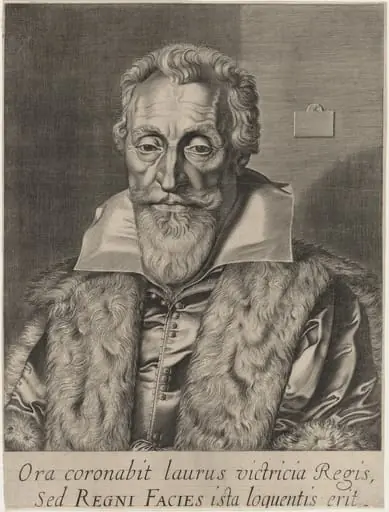
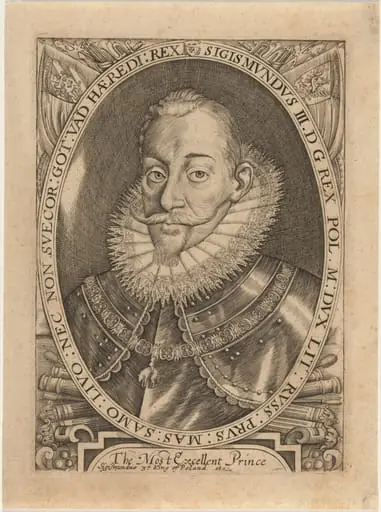
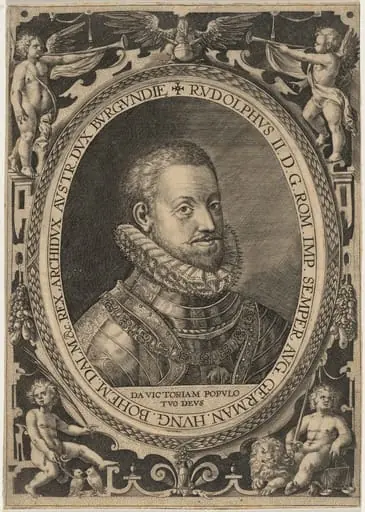
This 17th-century engraving portrays Philip III, King of Spain, in formal attire, set within an ornate oval frame. The detailed image captures the king's serious demeanor, adorned with a ruffled collar, intricately designed armor, a prominent mustache, and short hair.
Subject & Meaning
The engraving's subject is Philip III, King of Spain, depicted in a manner reflecting his royal status. The serious expression and ornate armor signify his authority, while the surrounding frame elements (ribbon, fruit, and Latin inscription) further emphasize his importance, though the inscription's specifics are unclear.
Technique & Style
The engraving utilizes cross-hatching to achieve detailed shading and texture, evident in the rendering of the king's face, armor, and the frame's decorative elements. This technique contributes to the overall sense of depth and realism in the portrait.
History & Provenance
Unfortunately, specific historical and provenance details about this engraving (e.g., artist, date, ownership history) are not provided in the available information.
Context
Created in the 17th century, this engraving would have been part of the broader European tradition of royal portraiture, serving to disseminate the king's image and reinforce his royal persona across territories.
Legacy
As a historical portrait, this engraving contributes to the visual record of Philip III's reign, offering insights into 17th-century representations of royalty. Its legacy lies in its informational and aesthetic value within the context of art historical and royal studies.
Artist & collection

Artist